Comparison of Fish Breeds for Aquariums: How to Set Up the Perfect Tank
Essential Considerations for Your Aquarium
Choosing the right fish for your aquarium can feel like navigating a vast ocean of options. With so many fish breeds available, each with unique traits and care requirements, it’s crucial to find a matchup that suits both your aesthetic and practical needs. But how do you make such critical decisions when there are thousands of species available in pet stores and online shops? Diving deeper into essential factors will aid not only in selecting fish but also in ensuring their well-being in your home aquarium.
Understanding Water Conditions
Water conditions are paramount when it comes to fish survival. Each species has specific needs, including temperature, pH levels, and salinity, which can dictate the overall health of your fish. For example, tropical fish like bettas thrive in warmer waters, typically around 76-82°F, while goldfish prefer a cooler range of 65-70°F. Moreover, the pH level, which measures how acidic or alkaline the water is, should be tailored to fit the fish species. Most freshwater fish prefer a pH range between 6.5 and 7.5, while marine fish often require a higher salinity level. Before adding any fish, it’s advisable to test your water and make necessary adjustments.
Fish Compatibility: An Essential Factor
Not all fish are sociable, and compatibility is a crucial aspect of maintaining a peaceful aquarium environment. Some fish, like the Betta fish, are notoriously territorial, particularly the males, and can attack more docile or similarly-shaped species. On the other hand, species such as Neon Tetras are known for their gentle nature and thrive in groups, promoting better behavior in a community tank. It’s essential to research the temperaments and social dynamics of fish before pairing them; this ensures both harmony and a visually captivating display.
Choosing the Right Aquarium Size
The size of your aquarium plays a pivotal role in determining which fish breeds can live comfortably and thrive. Larger tanks often provide more stable water conditions and greater opportunities for swimming space, which is particularly important for active species. A 10-gallon tank might accommodate small fish like neon tetras effectively, but larger fish such as goldfish require significantly more space—typically a minimum of 20 gallons for a single fish. Understanding these space requirements not only keeps the fish healthy but also minimizes stress levels for both the fish and the caretaker.
Beyond Fish Selection: Creating the Ideal Habitat
Setting up a perfect tank involves much more than simply picking your favorite fish. It requires an understanding of the environmental needs of your aquatic friends. Proper substrate is essential—not only for aesthetics but also for the biological function of your aquarium. Sand, gravel, or specialized substrate can influence plant growth and the overall ecosystem. Additionally, investing in quality filtration systems to maintain clean water and oxygen-rich environments is imperative. Decorating the tank with plants and hiding spots, such as rocks or driftwood, also not only enhances visual appeal but provides refuge for fish, promoting natural behaviors and reducing stress.
As you dive into the world of aquarium care, you’ll discover an array of fish such as:
- Betta Fish – Renowned for their vibrant colors but require careful tank mates to avoid territorial disputes.
- Goldfish – Hardy and sociable, requiring larger tanks as they grow; their care presents unique challenges due to their size and waste production.
- Neon Tetras – Ideal for beginners, these peaceful schooling fish thrive in groups, creating a stunning display in community aquariums.
Equipping yourself with knowledge about these fish breeds and how best to care for them will pave the way to creating a thriving aquarium. Let’s embark on this journey together and unlock the secrets of the perfect fish tank setup.
Essential Considerations for Your Aquarium
Choosing the right fish for your aquarium can feel like navigating a vast ocean of options. With so many fish breeds available, each with unique traits and care requirements, it’s crucial to find a matchup that suits both your aesthetic and practical needs. But how do you make such critical decisions when there are thousands of species available in pet stores and online shops? Diving deeper into essential factors will aid not only in selecting fish but also in ensuring their well-being in your home aquarium.
Understanding Water Conditions
Water conditions are paramount when it comes to fish survival. Each species has specific needs, including temperature, pH levels, and salinity, which can dictate the overall health of your fish. For example, tropical fish like bettas thrive in warmer waters, typically around 76-82°F, while goldfish prefer a cooler range of 65-70°F. Moreover, the pH level, which measures how acidic or alkaline the water is, should be tailored to fit the fish species. Most freshwater fish prefer a pH range between 6.5 and 7.5, while marine fish often require a higher salinity level. Before adding any fish, it’s advisable to test your water and make necessary adjustments.
Fish Compatibility: An Essential Factor
Not all fish are sociable, and compatibility is a crucial aspect of maintaining a peaceful aquarium environment. Some fish, like the Betta fish, are notoriously territorial, particularly the males, and can attack more docile or similarly-shaped species. On the other hand, species such as Neon Tetras are known for their gentle nature and thrive in groups, promoting better behavior in a community tank. It’s essential to research the temperaments and social dynamics of fish before pairing them; this ensures both harmony and a visually captivating display.
Choosing the Right Aquarium Size
The size of your aquarium plays a pivotal role in determining which fish breeds can live comfortably and thrive. Larger tanks often provide more stable water conditions and greater opportunities for swimming space, which is particularly important for active species. A 10-gallon tank might accommodate small fish like neon tetras effectively, but larger fish such as goldfish require significantly more space—typically a minimum of 20 gallons for a single fish. Understanding these space requirements not only keeps the fish healthy but also minimizes stress levels for both the fish and the caretaker.
Beyond Fish Selection: Creating the Ideal Habitat
Setting up a perfect tank involves much more than simply picking your favorite fish. It requires an understanding of the environmental needs of your aquatic friends. Proper substrate is essential—not only for aesthetics but also for the biological function of your aquarium. Sand, gravel, or specialized substrate can influence plant growth and the overall ecosystem. Additionally, investing in quality filtration systems to maintain clean water and oxygen-rich environments is imperative. Decorating the tank with plants and hiding spots, such as rocks or driftwood, also not only enhances visual appeal but provides refuge for fish, promoting natural behaviors and reducing stress.
As you dive into the world of aquarium care, you’ll discover an array of fish such as:
- Betta Fish – Renowned for their vibrant colors but require careful tank mates to avoid territorial disputes.
- Goldfish – Hardy and sociable, requiring larger tanks as they grow; their care presents unique challenges due to their size and waste production.
- Neon Tetras – Ideal for beginners, these peaceful schooling fish thrive in groups, creating a stunning display in community aquariums.
Equipping yourself with knowledge about these fish breeds and how best to care for them will pave the way to creating a thriving aquarium. Let’s embark on this journey together and unlock the secrets of the perfect fish tank setup.
When diving into the fascinating world of aquarium fish, understanding the fundamental differences between various breeds is essential for setting up the perfect tank. Each fish species comes with its own unique requirements and characteristics that can influence the overall health of your underwater ecosystem. This section will explore key comparisons among popular fish breeds, offering insights on their compatibility, care needs, and environmental preferences.
Freshwater vs. Saltwater Fish
Choosing between freshwater and saltwater fish is often one of the first decisions a new aquarist has to make. Freshwater species, such as Betta fish and Guppies, typically require less maintenance and are more forgiving of environmental fluctuations, making them ideal for beginners. However, saltwater fish, like Clownfish and Coral beauties, often exhibit breathtaking colors and behaviors, attracting more experienced hobbyists who appreciate the challenges they present.
Community Tanks vs. Territorial Species
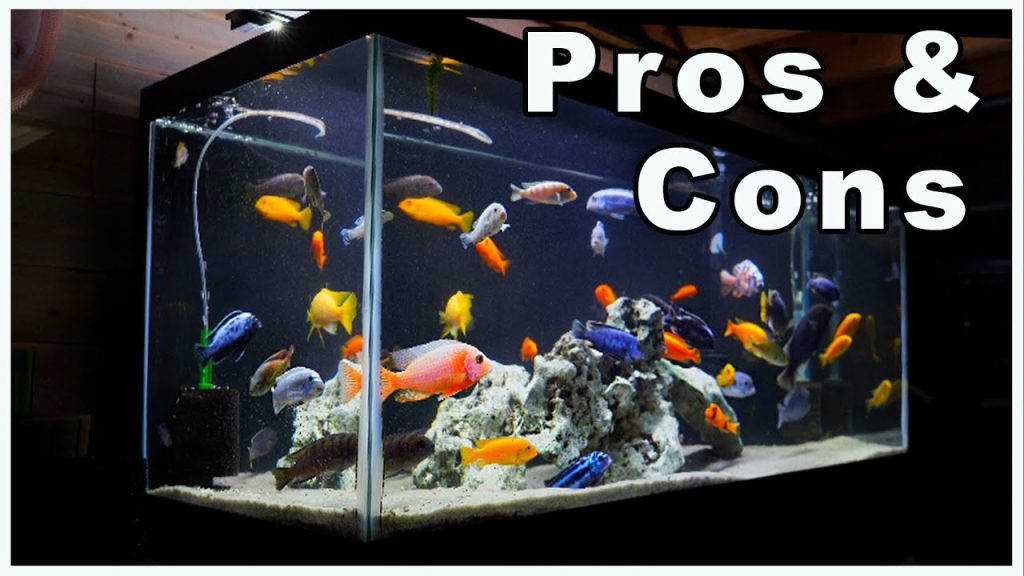
Another consideration is the compatibility of different breeds within your tank. Community tanks thrive with harmonious species that coexist peacefully, such as Neon Tetras and Platies. In contrast, some breeds, like Cichlids, are territorial and can exhibit aggressive behavior, requiring careful planning regarding tank mates. Researching each species’ temperament will help you create a balanced and visually appealing environment.
Temperature and Water Quality
The water temperature and quality are critical in keeping your aquarium fish healthy. While some species, like Goldfish, can adapt to lower temperatures, others, such as Tropical fish, require warmer setups with stable pH levels. Ensuring that your equipment, including heaters and filtration systems, are suitable for your chosen breeds is vital for their well-being.
In summary, making an informed choice among different fish breeds not only supports your aquarium’s overall aesthetics but also contributes to a thriving aquatic environment. The journey within this captivating hobby invites aquarists to explore a dynamic realm, from simple community tanks to intricate biotopes, ultimately fulfilling the desire to discover new species in the ever-evolving aquatic universe.
| Category | Key Features |
|---|---|
| Freshwater Fish | Easier to maintain, ideal for beginners. |
| Saltwater Fish | Vibrant colors, typically require more expertise. |
| Community Tanks | Peaceful coexistence among various fish species. |
| Territorial Species | Aggressive behavior, requires careful selection of tank mates. |
By understanding these distinctions, hobbyists can not only create stunning aquascapes but also ensure a healthy environment for their aquatic inhabitants. Discovering the nuances of fish breeds is an integral part of successfully setting up the perfect tank. Every choice made contributes to the overall success of this vibrant ecosystem.
Advanced Considerations for Maintaining a Healthy Aquarium
Once you’ve established the foundational elements of your aquarium, it’s essential to address more intricate aspects of fish breed care and habitat dynamics. Understanding not only the preferences of your fish but also their breeding habits, dietary needs, and even potential health issues can enhance their longevity and overall well-being.
Dietary Requirements: Feeding Your Fish Right
The dietary needs of fish vary significantly across breeds. While some species are omnivores, others are herbivores or strictly carnivorous, requiring specialized diets to flourish. For instance, cichlids, popular for their intelligence and vibrant colors, thrive on protein-rich foods tailored to their natural habits, while many tetras may prefer a balanced flake diet complemented by occasional live or frozen treats.
Moreover, it’s crucial to practice proper feeding habits. Overfeeding can lead to water quality issues as uneaten food decomposes, leading to toxic buildup. Most aquarists recommend feeding their fish small amounts multiple times a day rather than one large feeding, promoting better health and minimizing waste. In doing so, you can create a more stable and healthy environment for all your aquatic homies.
Behavioral Considerations: Understanding Fish Personalities
Every fish has a personality. Recognizing the behaviors of various breeds can prevent social and environmental stresses. Species such as guppies are generally peaceful and adjust well to community tanks, whereas certain breeds of goldfish might exhibit lonely behaviors if not in pairs or groups. Furthermore, the introduction of new fish into an established tank can cause significant stress for both the newcomers and the existing residents. Implementing a quarantine process can help acclimate new fish gradually to the community.
Pest Management: Addressing Common Aquarium Issues
Keeping an aquarium also comes with its share of challenges. Algae bloom, for instance, is a common issue that often requires attention. To manage algae growth, consider establishing a balanced ecosystem that includes specific fish such as plecos or siamese algae eaters, which help through natural cleaning. You should also limit excess nutrients in the water by regulating light exposure and maintaining an appropriate feeding schedule.
Aquarium Equipment: Tools for Success
The technology available for aquarium keepers has evolved remarkably, with various tools designed to optimize fish health and tank aesthetic. Automated feeders can streamline feeding routines while reducing waste, and advanced filtration systems play a crucial role in maintaining optimal water quality. Additionally, appropriate lighting not only enhances the vibrancy of your fish but also serves to promote healthy plant growth, crucial for creating a balanced ecosystem.
Moreover, investing in water testing kits is invaluable. These kits evaluate crucial parameters, such as ammonia levels, nitrates, nitrites, and pH, providing insight into the overall health of your tank. Understanding these measurements can often be the difference between thriving aquatic life and stressful conditions.
Popular Fish Species for All Budgets
For beginners to seasoned aquarists, it’s helpful to explore a spectrum of fish breeds that accommodate various budgets and skill levels. Here are a few popular choices:
- Betta Fish – Their beauty and relatively low maintenance needs make them a favorite. Due to their territorial nature, they are best kept alone or in a well-planned community tank.
- Neon Tetras – Affordable and colorful, they thrive in schools and are excellent for community setups.
- Goldfish – A classic choice; however, plan for long-term care and a suitable size tank as they grow.
- Angelfish – Striking in appearance, they require larger tanks and can have complex behavioral interactions, making them a rewarding choice for experienced aquarists.
- Guppies – Colorful, easy to breed, and adaptable, they often serve as wonderful introductions to aquarium keeping for novices.
By examining these fish breeds and going the extra mile in your research, you can unlock a world of possibilities in your aquarium setup, ensuring it stands as both a thriving habitat for aquatic life and a captivating focal point in your home.
Final Thoughts on Setting Up Your Perfect Aquarium
Creating the perfect aquarium goes beyond just selecting the right tank and equipment; it involves a deep understanding of the diverse fish breeds and their unique needs. As we’ve explored through various aspects such as dietary requirements, behavioral dynamics, and pest management, it’s crucial to tailor your setup to the specific species you choose. Fish like cichlids and angelfish require meticulous attention and a larger environment due to their size and social behaviors, whereas neon tetras and guppies offer greater flexibility for beginners.
Additionally, investing in the right tools—such as efficient filtration systems, automated feeders, and reliable water testing kits—can significantly influence the health of your aquatic inhabitants. A thriving aquarium is not just about aesthetic appeal but also about fostering a balanced ecosystem that supports the well-being of your fish. By maintaining healthy water conditions and understanding the social interactions among your chosen species, you can reduce stress for both the fish and yourself.
Ultimately, the journey of aquarium keeping is a rewarding endeavor that strikes a delicate balance between art and science. It invites exploration and experimentation, encouraging you to continually adapt and learn more about the fascinating world beneath the water’s surface. Whether you’re a seasoned aquarist or a novice enthusiast, the right knowledge paired with compassion for your aquatic companions will lead to a vibrant and harmonious aquatic environment that you can be proud of.