Understanding the Exercise Needs of Dog Breeds: A Guide for Owners

The Exercise Needs of Dog Breeds: A Closer Look
Getting to know your dog’s exercise requirements is vital for their overall well-being. Each breed has unique needs, and when these needs are not met, it can lead to a host of behavioral challenges and health complications. Understanding your dog’s exercise needs is not just about keeping them physically fit—it’s also an essential part of nurturing a deeper bond between you and your furry companion.
The Importance of Exercise
- Physical Health: Regular exercise plays a crucial role in keeping your dog fit and preventing obesity. Dogs that engage in consistent physical activity maintain a healthy weight, which, in turn, can stave off various health issues such as joint problems, diabetes, and heart disease.
- Mental Stimulation: Engaging activities like fetch, agility training, or scent work challenge a dog’s cognitive abilities, effectively reducing boredom and anxiety. This mental stimulation not only keeps them entertained but promotes a happy dog that is less prone to developing destructive behaviors.
- Behavior Management: For many dog owners, excessive barking or unwanted chewing can be frustrating. Adequate exercise often serves as a remedy for these negative behaviors, allowing dogs to release pent-up energy in constructive ways rather than through destruction.
When it comes to exercise, different breeds exhibit vastly different energy levels and activity needs. For example, high-energy breeds like Border Collies and Siberian Huskies thrive on rigorous daily workouts, which can include long runs or challenging agility courses. On the other hand, lower-energy breeds like Bulldogs and Basset Hounds may be satisfied with shorter, less intense walks.
Exercise Needs by Breed
- High Energy: Breeds such as Labrador Retrievers and Australian Shepherds require extensive daily exercise, often needing over an hour of vigorous activity to stay happy and healthy.
- Moderate Energy: Breeds like Beagles and Cocker Spaniels benefit from a mix of energetic playtime and calmer walks, typically requiring about 30 to 60 minutes of exercise each day.
- Low Energy: Breeds such as Shih Tzus and French Bulldogs may only need 20 to 30 minutes of light activity, such as leisurely walks or play sessions, making them ideal companions for less active households.
Armed with this knowledge, you can create a tailored exercise routine that meets your dog’s specific needs, ensuring their health, happiness, and well-adjustment. Understanding these requirements will not only enhance your pet’s quality of life but can also lead you on an insightful journey into the world of canine behavior and training. The more you learn about your dog’s exercise needs, the more rewarding your relationship will be. Delve deeper, and discover the joy of a content, well-exercised pup!
Understanding Specific Energy Levels in Dog Breeds
When it comes to canine exercise requirements, it is essential to appreciate the varied energy levels that exist across different breeds. Each breed is distinguished not only by its physical attributes but also by its inherent tendencies toward activity and play. Understanding these distinctions can be the key to fostering a balanced lifestyle for your furry friend. The more you know about your dog’s breed characteristics, the better equipped you will be to tailor their exercise routine to promote their overall health and happiness.
Decoding Energy Levels
In general, dog breeds can be categorized into three primary energy levels: high energy, moderate energy, and low energy. By recognizing where your dog falls within this spectrum, you can effectively create an exercise plan that aligns with their natural tendencies.
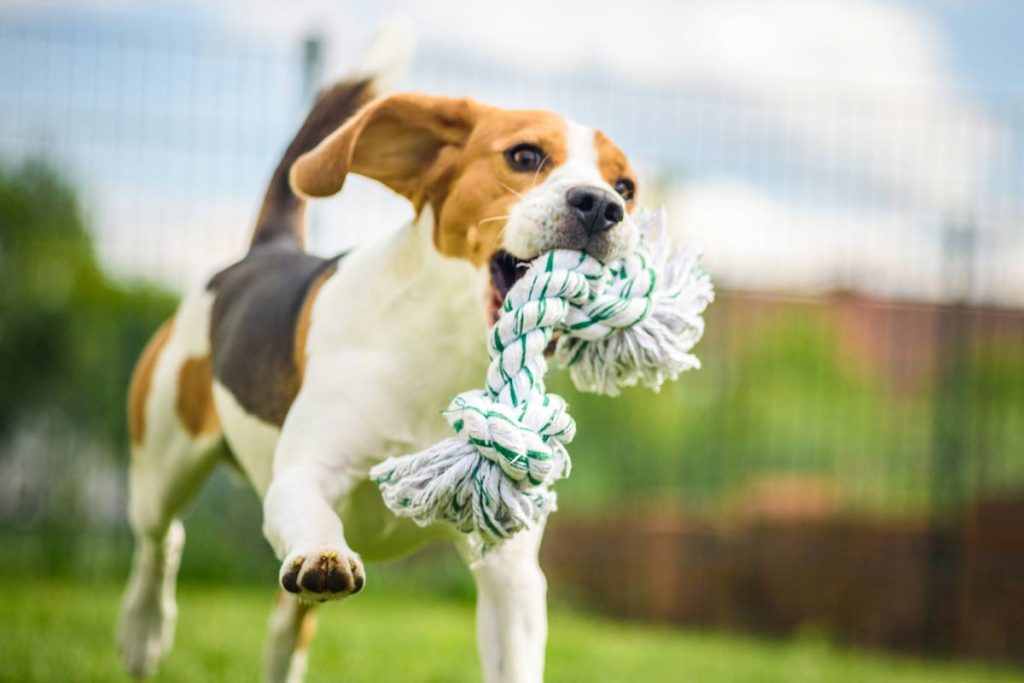
- High Energy Breeds: Breeds like the Belgian Malinois, Vizsla, and the aforementioned Border Collies are known for their intense energy. These dogs often require more than an hour of vigorous exercise daily to remain happy and well-adjusted. Activities such as running, hiking, and agility training are particularly beneficial as they not only provide physical stimulation but also engage their keen intelligence.
- Moderate Energy Breeds: Dogs such as Labrador Retrievers and Boxers are moderate energy breeds that enjoy a good balance of physical activity and relaxation. Typically, they need about 30 to 60 minutes of exercise, which can include brisk walks, fetch games, and training sessions. Providing a mixture of energetic and calm activities can stimulate both the body and mind, keeping these breeds engaged and well-behaved.
- Low Energy Breeds: Breeds like Cavalier King Charles Spaniels and Pekingese are more suited for a laid-back lifestyle. Their exercise needs typically range from 20 to 30 minutes a day, often fulfilled with casual walks and playtime at home. These breeds are perfect for individuals or families who may not have as much time to devote to outdoor exercise.
By observing how your dog interacts with their environment and gauging their energy levels, you can adjust their exercise routine to match their needs. This ensures not only their physical well-being but also enhances their mental health, as different breeds thrive in distinct ways when it comes to movement and interaction.
The Scent of Adventure
One often overlooked aspect of exercise is the stimulation of a dog’s senses during outdoor activities. Taking your dog on different routes for walks or hikes provides them with new scents and experiences, significantly contributing to their mental enrichment. Dogs are natural explorers, and allowing them to engage with their surroundings adds layers of enjoyment to their exercise routine.
Incorporating a variety of activities tailored to your dog’s energy level will not only fulfill their exercise needs but can also forge stronger relationships between you and your pet. So take the time to assess your dog’s personality, energy level, and preferences—creating a fulfilling exercise routine is a crucial step in supporting your beloved companion’s health and happiness.
| Category | Advantages |
|---|---|
| Physical Health | Maintaining a suitable exercise routine helps prevent obesity and strengthens bones and muscles. |
| Mental Stimulation | Regular exercise combats boredom, preventing behavioral issues that stem from pent-up energy. |
In addition to the basic exercise needs of different dog breeds, understanding the specific requirements related to their characteristic traits is essential. For instance, working breeds like Border Collies thrive on rigorous physical and mental challenges, requiring ample exercise to remain content and well-rounded. On the contrary, toy breeds may have lesser exercise needs but still benefit greatly from regular walks and playtime to keep their spirits high.Interestingly, incorporating diverse exercise routines, such as swimming or agility training, can enhance a dog’s physical health while providing the necessary mental stimulation. Engaging in activities that suit your dog’s energy level and interest is key to promoting a happy, healthy companion. Thus, exploring these aspects allows owners to tailor exercise plans that cater specifically to individual dog breeds, ensuring they meet their canine’s unique needs.
Socialization and Mental Stimulation: Beyond Physical Exercise
While physical exercise is vital for a dog’s health, it is equally important to address socialization and mental stimulation as integral components of their exercise routine. Dogs are social animals by nature, and the ability to interact with other dogs and humans plays a crucial role in their psychological well-being. Depending on a breed’s inherent social tendencies, an owner’s approach to socialization may vary significantly.
The Importance of Socialization
High-energy breeds, such as Golden Retrievers and Australian Shepherds, thrive in environments where they can engage with other dogs. They benefit from dog parks or organized playgroups where they can burn off energy while interacting with their peers. Engaging in these social settings allows them to practice play behaviors, learn essential social cues, and strengthen bonds with humans and fellow canines.
On the other hand, some breeds may be more reserved or selective in their social interactions. Breeds like the Shiba Inu or the Chow Chow may feel overwhelmed in crowded environments and can benefit from more controlled socialization experiences. As an owner, observing your dog’s body language and responses to various social scenarios is key. Providing gentle introductions to new dogs and spaces can help build confidence and create positive associations.
Mental Stimulation: Keeping Their Minds Sharp
Mental stimulation is often overlooked yet essential to a dog’s exercise needs. Breeds that are highly intelligent, such as the Poodle or German Shepherd, require regular challenges to avoid boredom, which can lead to problematic behaviors. Incorporating puzzle toys, interactive feeders, and obedience training into their routine not only keeps their minds active but also strengthens the bond between you and your pet. Consider setting aside time each week for training sessions that teach new commands or tricks—this provides mental enrichment and serves as an excellent way to engage your dog in interactive learning.
- Interactive Toys: Products designed to stimulate a dog’s intellect, like treat-dispensing toys or multi-tier puzzle games, encourage them to problem-solve while actively playing.
- Training Classes: Engaging in obedience and agility classes can offer structured mental challenges while also facilitating social interactions with other dogs and their owners.
- Sniff and Search Activities: Hiding treats or toys around the house or yard encourages dogs to utilize their natural scent-tracking abilities, leading to a more fulfilling experience.
Combining socialization and mental stimulation with physical exercise allows for a holistic approach to meeting your dog’s needs. This not only fosters a well-rounded canine but also contributes to their overall happiness and lessens the likelihood of developing behavioral issues.
Age and Health Considerations
As dogs age, their exercise requirements may shift, necessitating adjustments based on their health status and physical capabilities. Senior dogs, regardless of breed, typically benefit from shorter, gentler exercise routines, such as leisurely walks or light play. Monitoring your dog’s energy levels and providing opportunities for movement without causing undue stress on their joints is essential to managing their overall well-being.
Always consult with a veterinarian regarding an exercise plan tailored to your dog’s unique needs—especially if they are recovering from an injury or dealing with a chronic health condition. Understanding these nuances ensures that you cater to all aspects of your dog’s exercise requirements while nurturing their physical and mental health.
Conclusion
In summary, understanding the exercise needs of dog breeds is essential for fostering a healthy and happy companion. Each breed comes with its own unique set of characteristics that dictate not only their physical exercise requirements but also their need for socialization and mental stimulation. As we have explored, recognizing these differences enables owners to tailor their approach effectively, leading to a more balanced lifestyle for their dogs.
A holistic view of canine exercise should intertwine physical activities—like walks and playtime—with engaging mental tasks and social interactions. Breeds that are naturally energetic, such as the Labrador Retriever, require ample physical outlets, while those with strong cognitive abilities, like the Border Collie, benefit from mental challenges that keep their minds sharp and engaged.
Furthermore, age and health considerations can greatly influence exercise plans. As dogs transition into seniority, adjusting their routine to accommodate changing physical capabilities ensures their well-being while still nurturing their spirit. Always remember to consult with a veterinarian to craft a personalized exercise regimen that addresses your dog’s specific health needs.
Ultimately, investing time in understanding and meeting your dog’s exercise requirements not only enhances their physical health but also fortifies the bond between you and your pet. By embracing this comprehensive perspective, you contribute to a fulfilling life for your dog—one that is full of energy, joy, and mutual understanding. The journey of fulfilling your dog’s exercise needs is not just about physical activity; it’s a rich tapestry of love, learning, and companionship that deserves your attention and commitment.