Understanding the Temperament of Popular Cat Breeds: A Guide for Future Owners
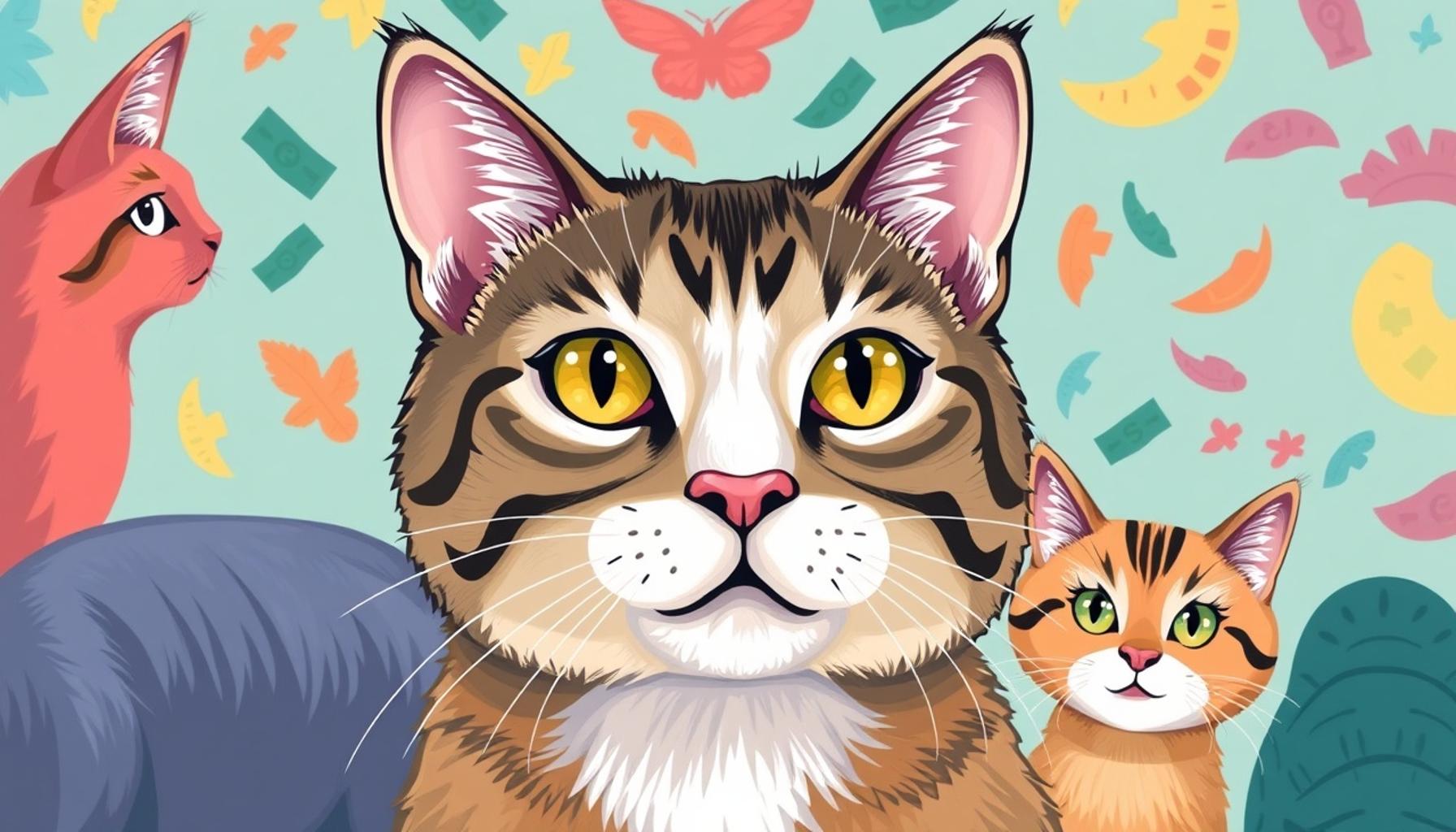
Understanding Cat Temperament
Cats are not just pets; they are companions with unique personalities that can greatly enrich our lives. As a potential cat owner, understanding the temperament of different breeds is crucial. It not only influences your satisfaction with your pet but also ensures harmony within your household environment. Just like humans, cats have a variety of traits that affect their behavior, energy levels, and social tendencies, which are key factors to keep in mind when choosing your feline friend.
When considering a specific breed, begin with their affection level. For instance, the Ragdoll cat is celebrated for its affectionate temperament. Known to go limp when picked up, Ragdolls are often termed “puppy-like” because they follow their owners around, relishing in close physical contact. This breed is ideal for families seeking a loving and interactive pet. Alternatively, you might come across the more independent Russian Blue, a breed that can be affectionate but typically values their alone time, preferring to engage on their terms.
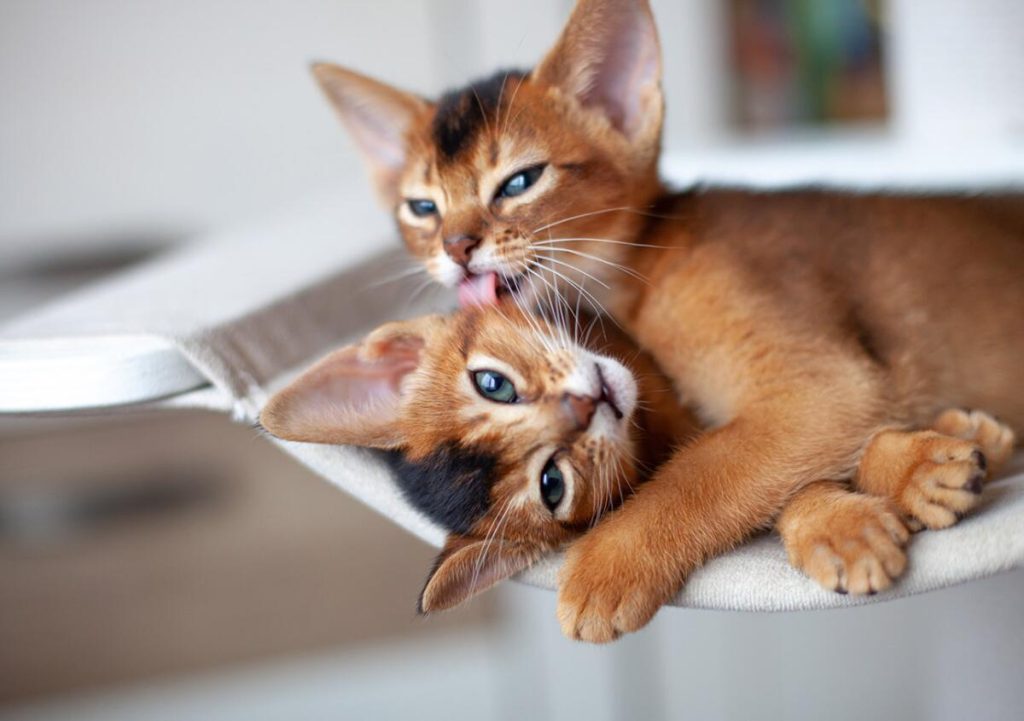
Next is the energy level of the breed. The Abyssinian is one of the most energetic breeds, constantly on the move and eager for playtime. They thrive in environments where toys and interactive play are abundant. In stark contrast, the Persian cat typically enjoys a calmer lifestyle, often curling up in sunlit spots and demanding less vigorous interaction. If you lead a busy lifestyle or, perhaps, prefer a quieter home, opting for a more laid-back breed may be your best choice.
Social skills also vary significantly among cat breeds. The sociable Siamese is known for its vocal nature and requires regular interaction with humans and other pets to stay happy. They often become attached to their owners and can exhibit signs of distress when left alone for too long. On the other hand, the Maine Coon is friendly and adaptable but lets you dictate the level of engagement, making them a perfect choice for families or individuals seeking a more relaxed social cat.
Understanding these characteristics can help avert future conflicts and establish a nurturing home for your new pet. Moreover, it provides clarity on how best to train and socialize them. For example, knowing that Siamese cats thrive on interaction can guide you in setting up routines that include quality playtime or ensuring they have company to keep boredom at bay.
In this comprehensive guide, we will delve deeper into popular cat breeds, exploring their temperaments, care requirements, and ideal living situations. Whether you are drawn to the playful antics of a kitten or the quiet poise of an adult cat, your choice will shape not just your life, but also the life of your new companion. The journey into cat ownership promises to be enriched by understanding these lovely creatures at their core.
Exploring the Affectionate and Energetic Breeds
When embarking on the journey of cat ownership, it’s essential to consider not just the aesthetics of a breed but also their temperament. Understanding how various breeds behave can save both you and your future feline friend from potential misunderstandings and mismatched expectations. Here, we take a closer look at a selection of popular breeds, focusing on their affection levels, energy requirements, and social tendencies.
Affectionate Breeds: Love Bugs of the Feline World
Cats exhibit a wide range of affectionate behaviors, and some breeds are more predisposed to form strong bonds with their owners. Features to consider include:
- Ragdoll: These gentle giants are known for their easygoing nature and compatibility with children and other pets. Their tendency to cling to their owners makes them an ideal choice for families looking for a cuddly companion.
- Scottish Fold: Recognizable for their unique folded ears, Scottish Folds are known to be interactive and crave human companionship. Their playful yet affectionate demeanor can bring joy to singles and families alike.
- Burmese: This breed forms strong attachments with their owners and, much like the Ragdoll, they often exhibit a need for close physical interaction. The Burmese cat’s playful nature prompts them to engage in frequent activities that require human interaction.
Energy Levels: From Couch Potatoes to Energetic Playmates
If you’re considering a cat, understanding their energy levels is vital. Most breeds fall on a spectrum from high-energy to low-energy, catering to a variety of lifestyles. For example:
- Abyssinian: Known for their athleticism and curiosity, Abyssinians require plenty of stimulation and playtime. If you can provide a dynamic environment filled with toys and interactive play, this breed may suit you well.
- British Shorthair: This breed exhibits a more relaxed demeanor, often preferring to lounge rather than engage in frenetic activity. A comfortable habitat and some occasional play will satisfy their needs.
- Oriental Shorthair: Loyal and inquisitive, the Oriental Shorthair thrives on social play and interaction. Daily play sessions are essential to keep this breed happy and healthy.
Recognizing energy levels will directly affect your living arrangements and activity planning for your cat. If your schedule is often busy, a lower-energy breed may be more accommodating. Conversely, if you are active and enjoy playtime, a more energetic breed can be your perfect match.
By studying the affectionate tendencies and energy levels of various breeds, you are better informed to find the right cat that complements both your lifestyle and expectations. This not only ensures a more harmonious relationship but also cultivates an environment where your new pet can thrive. As we delve deeper into the social skills of popular breeds in the following sections, you will have an even clearer picture of what to look for in your future feline companion.
Exploring Cat Temperaments: Breeds That Fit Your Lifestyle
Understanding the nuances of cat temperament is crucial for potential cat owners. Each breed exhibits unique traits that can greatly affect the compatibility between a cat and its owner. An intriguing aspect to consider is how a cat’s personality impacts its daily interactions with humans and other pets. For example, the social and affectionate Siamese cats thrive in bustling households, while Persians prefer a more tranquil environment. This differentiation aids future owners in making informed decisions about which breed best suits their lifestyle.Furthermore, some cats, like the Bengal, are known for their high energy levels, requiring owners who can engage them in play and provide ample exercise. In contrast, the British Shorthair is generally more laid back and can adapt well to a quieter lifestyle, making them ideal companions for less active owners. By understanding these essential characteristics, future owners can foster a harmonious home life, ensuring both the cat’s happiness and their own.Additionally, temperament influences not just day-to-day interactions but also training potential. Breeds such as the Ragdoll are known for their docile and trainable nature, making them easier to integrate into family routines. Conversely, cats with independent temperaments, like the Russian Blue, may not respond as eagerly to training, highlighting the importance of selecting a breed aligned with the owner’s patience and training goals.Finally, let’s not overlook the role of genetics and environment in shaping a cat’s behavior. While breed traits offer a baseline for expectations, individual personality can vary widely based on early socialization, relationships, and life experiences. Understanding these complexities allows prospective cat owners to prepare for all aspects of their feline friend’s behavior, creating a nurturing space for their development and growth.To assist future cat owners in navigating the wide range of cat breeds and their temperamental traits, we have compiled a comprehensive table of key characteristics and advantages of selected breeds. This tool provides valuable insights, ensuring informed decisions that align with diverse lifestyle needs.
| Breed Category | Temperament Insights |
|---|---|
| Siamese | Very social and affectionate, thrives on interaction. |
| Persian | Calm and gentle, prefers a serene environment. |
| Bengal | High energy, needs stimulation and active play. |
| Ragdoll | Docile and easy to train, bonds closely with humans. |
| British Shorthair | Laid back, adapts well to quiet households. |
Diving into the Social Skills of Beloved Breeds
Socialization is a critical aspect to consider when choosing a feline companion. While each cat is an individual with their unique personality, certain breeds exhibit tendencies toward being more social or independent. A thorough understanding of these tendencies will help you navigate interactions and foster a loving relationship with your future cat.
Social Butterflies: Breeds that Crave Interaction
Some cat breeds are inherently more social and enjoy the company of both humans and other pets. If you’re seeking an outgoing companion, consider the following breeds:
- Siamese: Renowned for their vocal nature and loyalty, Siamese cats are often described as “dog-like.” They form strong bonds with their owners and dislike being left alone for extended periods. Their social need can lead them to engage in playful antics that make them popular with families.
- Devon Rex: Known for their playful and mischievous demeanor, Devon Rex cats love to be at the center of attention. They enjoy interactive play and have a knack for drawing people in with their affectionate and quirky behavior, making them great companions for social households.
- Bengal: The Bengal is not only stunning with its leopard-like appearance but is also highly intelligent and social. They thrive in environments where they can interact with people and other pets. Their active nature means they require social stimulation to stay happy, making them a good match for active households.
Independent Thinkers: Breeds that Appreciate Their Space
While many cats are social, others possess a more independent streak. These breeds are often content to explore their environment on their own terms and may require less constant interaction. For example:
- Norwegian Forest Cat: This sturdy breed has a robust and adventurous spirit. While affectionate, Norwegian Forest Cats are known for their independence and often enjoy solitary playtime. They thrive in homes with space to explore and engage their natural hunting instincts.
- Chartreux: Often referred to as “silent hunters,” Chartreux cats are calm and steady, preferring a tranquil environment. This breed is known to form close bonds with their humans, but they are also comfortable enjoying their alone time, making them excellent fits for those with a busy lifestyle.
- Russian Blue: With their striking silver-blue coat and emerald eyes, Russian Blues are not just known for their beauty but also their reserved temperament. They are affectionate with their owners but can be cautious around newcomers, requiring time to warm up in social situations.
Understanding the social tendencies of various breeds will play a crucial role in facilitating a successful relationship. If you lead an active lifestyle and enjoy entertaining guests, a social butterfly breed will likely keep the vibrant atmosphere alive in your home. On the other hand, if quiet evenings with a cup of tea are more your speed, an independent breed may be the perfect companion.
As you gather insight into the social behaviors characteristic of different breeds, you prepare yourself not only to choose the right cat but also to create an environment that nurtures their unique personality. With the knowledge of what type of feline socialization aligns with your lifestyle, you are moving closer to finding your ideal furry friend.
Wrapping Up Your Journey to Cat Ownership
In summary, understanding the temperament of popular cat breeds is essential for prospective cat owners, as it can greatly influence your overall experience and the quality of your relationship with your new feline friend. Each breed possesses a unique disposition that dictates their social preferences, activity levels, and emotional needs. By recognizing these characteristics, you can better assess which breed aligns with your lifestyle and environment.
From the vivacious Siamese, who thrive on interaction, to the tranquil Chartreux, who appreciate peaceful solitude, each breed offers something special. Assessing your daily routine, the space you have, and your tendency for interaction will guide you toward the breed that complements your living situation. As you decide on your future companion, remember that each cat’s individuality is just as crucial as their breed history. Even within the same breed, personalities can differ significantly, making patience and understanding paramount.
Moreover, investing time in researching various breeds and their temperamental traits can lead to a harmonious household where both you and your cat thrive. With knowledge in hand and an eye on compatibility, you are now better positioned to embark on the rewarding journey of cat ownership. Embrace the adventure of discovering the joy a feline companion can bring into your life – your perfect match is waiting to be found!