Gamification Techniques to Enhance Self-Learning Experiences
Harnessing the Power of Gamification in Self-Learning
In an era characterized by rapid technological advances, self-learning has transformed from an optional skill into a fundamental asset. Individuals seeking to broaden their knowledge or improve competencies must navigate a virtually endless sea of information. To tackle this, educators and learners alike are increasingly turning to gamification techniques as a way to amplify engagement and effectiveness in the learning process.
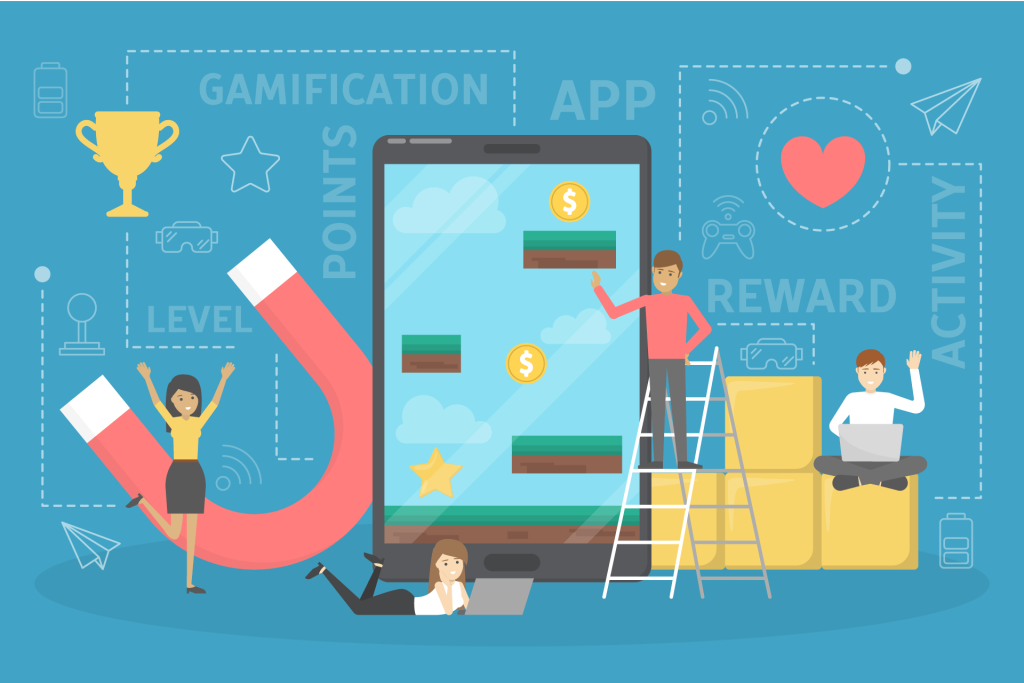
Gamification involves incorporating elements typical in games—such as scoring, competition, and reward systems—into educational contexts. This transformative approach offers several compelling benefits that move beyond mere entertainment, effectively fostering a deeper understanding of the content while keeping learners motivated. Here are some of its defining features:
- Points and Rewards: By earning points for completing tasks or engaging with content, learners are incentivized to participate regularly. This method mirrors popular apps like Duolingo, where users earn points for completing language exercises, creating a fun and rewarding learning environment.
- Leaderboards: The competitive element introduced by leaderboards can stimulate motivation through friendly rivalry. For instance, educational platforms like Kahoot! use leaderboards in quiz-based learning to boost classroom engagement and excitement among students.
- Leveling Up: Progression pathways enable learners to visualize their achievements and set personal milestones. Similar to video games, where players unlock new levels or abilities, learners can see tangible progress in their studies, making the process feel more dynamic and rewarding.
These gamification strategies not only enhance enjoyment but also contribute significantly to learning retention. For instance, research indicates that using gamified elements can lead to improved comprehension and skill acquisition, particularly in subjects perceived as challenging, such as mathematics or science.
As the educational landscape continues to evolve with the advent of digital tools, understanding how to tailor these strategies to meet individual learning needs is paramount. Some platforms allow customization based on a learner’s preferences, enabling a more personalized educational experience. This flexibility can be a game-changer for many, catering to different learning styles and paces.
This article will explore a variety of gamification techniques and illustrate their effectiveness in transforming self-learning experiences. From interactive quizzes that challenge knowledge retention to immersive storytelling that captivates learners’ imaginations, we will uncover how these innovative methods are reshaping education in ways that resonate with modern learners, encouraging self-discovery and lifelong learning.
DIVE DEEPER: Click here to discover more
Engaging Through Interactive Learning
One of the most significant advantages of gamification techniques is their ability to transform passive learning into active engagement. Traditional educational methods often involve rote memorization or monotonous lectures that can lead to disengagement. However, as learners actively participate through game-like elements, their experience becomes more immersive and interactive. This evolution in learning is particularly critical in keeping the digital generation interested.
Interactive quizzes are among the most effective formats that employ gamification. They encourage learners to reflect on their knowledge in a competitive yet supportive environment. For instance, platforms such as Quizlet allow users to create their own quizzes or use existing ones, enabling them to assess understanding and memorize key concepts through repetition in a playful manner. This not only promotes healthy competition but also enhances information retention, as the brain tends to remember what is both fun and stimulating.
Moreover, storytelling techniques within gamified learning can captivate learners’ attention by weaving educational content into engaging narratives. By presenting learning materials through relatable characters and imaginative scenarios, audiences are not just learning; they’re part of a journey. Take, for example, language-learning applications like Babbel, which contextualize vocabulary and grammar through real-life dialogues, allowing learners to visualize the application of their skills within various settings.
The Role of Feedback and Rewards
Immediate feedback is another compelling aspect of gamification that enhances self-learning experiences. Unlike traditional education, where evaluations often come in the form of grades based on tests taken weeks later, gamified platforms provide real-time assessments. This immediate gratification allows learners to understand their strengths and weaknesses instantly, paving the way for targeted improvement.
Furthermore, the integration of a reward system amplifies motivation significantly. Rewards can be virtual badges, certificates, or unlocking new content, catering to learners’ desire for achievement and progression. This is particularly evident in platforms like Khan Academy, where users earn badges for completing lessons and mastering concepts, fostering a sense of accomplishment that’s tough to ignore.
- Instant Feedback: Quick results from quizzes and activities allow learners to adjust their approach promptly.
- Custom Rewards: Tailoring rewards to individual goals helps maintain interest and motivation over time.
- Community Engagement: Learners can share achievements or challenges with peers, creating a supportive network that encourages further interaction.
As self-learners continue to seek efficient and enjoyable ways to acquire new skills, implementing these gamification elements can turn mundane learning into a dynamic journey. By leveraging the appeal of games, educators can facilitate deeper understanding and longer retention, establishing a solid foundation for continuous growth.
| Advantage | Description |
|---|---|
| Increased Engagement | Gamification techniques attract learners through interactive and enjoyable content, keeping their attention focused on the learning material. |
| Enhanced Motivation | Integrating rewards and challenges promotes a growth mindset, encouraging learners to push through difficulties while gaining a sense of achievement. |
Gamification incorporates elements like leaderboards, points, and badges, making self-learning less daunting. As learners interact with these features, they experience a sense of achievement and competition that fosters a healthy drive toward self-improvement. The application of gamification not only makes learning fun but also instills essential skills such as critical thinking and problem-solving. These techniques can transform traditional study methods into engaging activities that adapt to various learning styles, ensuring that knowledge retention is maximized and that individuals remain committed to their educational paths. By leveraging technology, self-learners can immerse themselves in environments that mirror games they love, creating pathways to knowledge that were previously seen as tedious or challenging. Exploring different gamification platforms can unlock a treasure trove of resources tailored to enhance self-learning experiences.
DISCOVER MORE: Click here to unlock your potential
Building Community and Collaboration
Another powerful element of gamification techniques in self-learning is the enhancement of community and collaboration among learners. The rise of online learning platforms has paved the way for social interactions that mirror traditional classroom environments, which can often be overlooked in solo study formats. By incorporating features that promote collaboration, learners benefit from diverse perspectives and shared experiences, making the education process richer and more rewarding.
Leaderboards are a prime example of how gamification can foster a sense of community. When learners can see their progress relative to others, it creates a friendly atmosphere of competition and encourages consistent effort. Platforms such as Duolingo prominently display leaderboards, enabling learners to engage with one another as they strive to outpace their peers in language proficiency. This communal aspect not only motivates individuals but also cultivates a sense of camaraderie among users.
Moreover, group challenges drive collaboration by requiring participants to work together toward a common goal. This technique can be particularly effective in online courses where users are grouped into teams to complete tasks or overcome obstacles. For example, the educational game “Kahoot!” allows teachers to set up quizzes and invite students to join in real-time. When participants form teams to compete, they learn not just from the content but also from each other, enhancing both knowledge retention and social skills.
Personalization and Adaptive Learning
Personalization has become a cornerstone of contemporary education, and gamification complements this trend remarkably well. Through adaptive learning technologies, platforms can tailor content to match individual learning styles and paces. By utilizing algorithms that track user performance, platforms like Smart Sparrow can adjust the difficulty of tasks or provide targeted resources, ensuring that learners remain challenged yet not overwhelmed.
This customization enhances self-learning experiences because it acknowledges that each learner’s journey is unique. Furthermore, the incorporation of branching scenarios allows users to make choices that influence their learning paths. This format is prevalent in platforms such as Codecademy, where users can choose different programming projects based on their interests, thereby granting them agency over their education.
- Tailored Experiences: Personalized content keeps learners engaged, providing relevant challenges that promote better understanding.
- Adaptive Algorithms: Using data analytics, platforms refine the learning journey, leading to meaningful outcomes.
- Long-Term Engagement: Customization in learning encourages ongoing interaction, motivating users to return regularly to revise and expand their skills.
As these gamification techniques evolve, self-learning becomes not just an educational endeavor but a dynamic adventure that inspires curiosity and commitment. By focusing on community engagement and personalized experiences, educators can help cultivate a lifelong passion for learning while making the process enjoyable and effective.
DISCOVER MORE: Click here to enhance your learning strategy
Conclusion
Incorporating gamification techniques into self-learning frameworks truly revolutionizes the way individuals engage with educational content. By fostering a sense of community and promoting collaboration, learners can share insights, challenge each other, and maintain motivation throughout their journeys. Leveraging tools such as leaderboards and group challenges not only enhances personal accountability but also helps create a network of support among peers, enriching the learning experience.
Moreover, the shift toward personalization and adaptive learning places the learner at the center of their education, allowing for tailored experiences that cater to unique preferences and skill levels. As technologies evolve, platforms employing adaptive algorithms and branching scenarios create interactive and dynamic paths that keep users engaged and stimulated. This personalized approach not only alleviates the frustrations often encountered in traditional learning methods but also fosters a deeper connection to the material.
Ultimately, the integration of gamification in self-learning transforms it from a solitary task into an engaging adventure rich with collaborative experiences. It allows learners to make informed choices about their educational trajectories, paving the way for a lifelong passion for knowledge. As educators and developers continue to explore innovative gamification strategies, the potential for enhancing self-learning experiences is boundless, making it a field worth continual exploration and investment.