The Impact of Emotional Intelligence on Self-Learning Success
Understanding the Connection Between Emotional Intelligence and Self-Learning
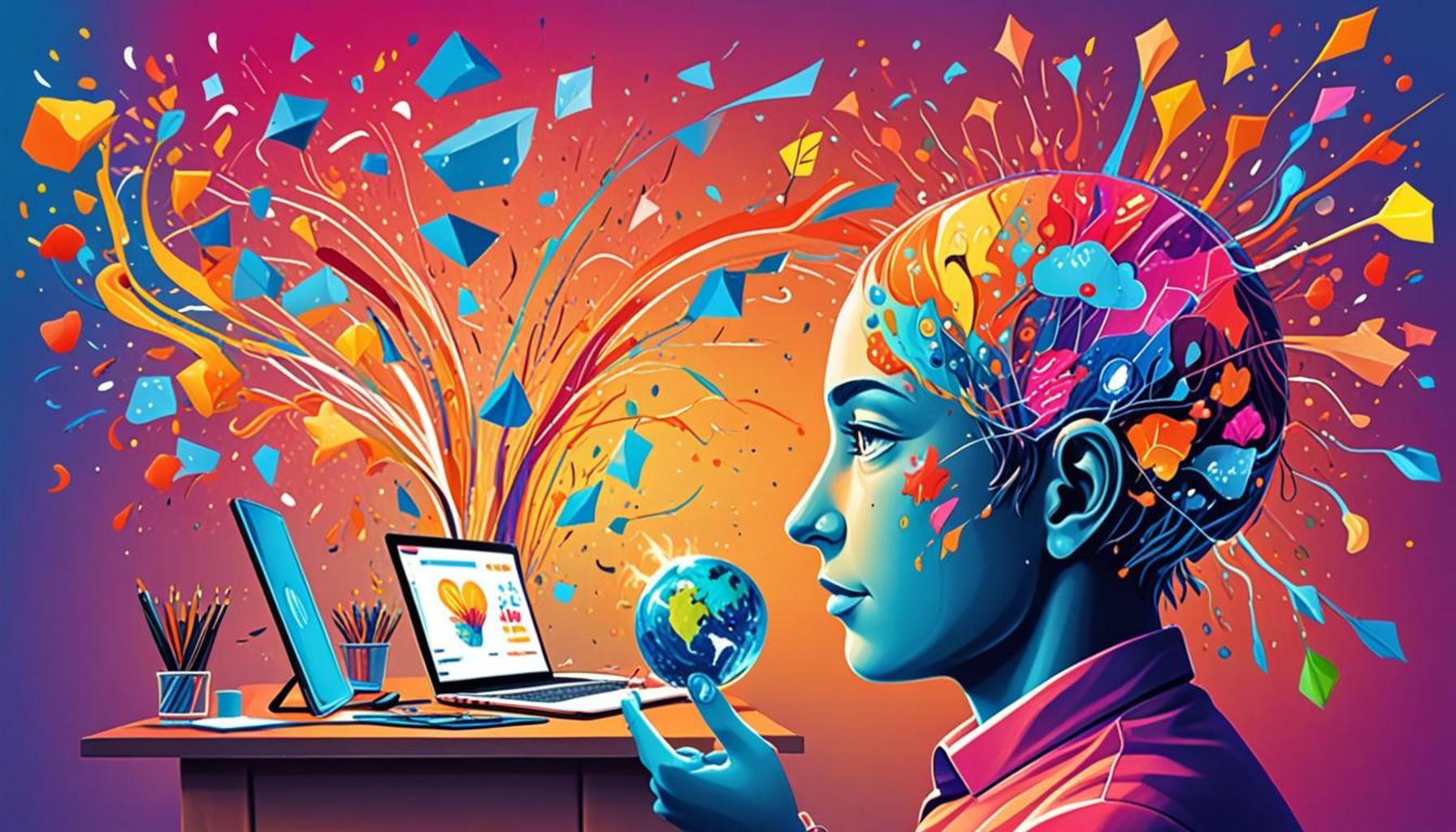
In today’s fast-paced world, the ability to learn independently has become crucial for personal and professional success. However, the journey of self-learning can often feel chaotic and overwhelming. This is where emotional intelligence (EI) steps in as a powerful ally in navigating these turbulent waters.
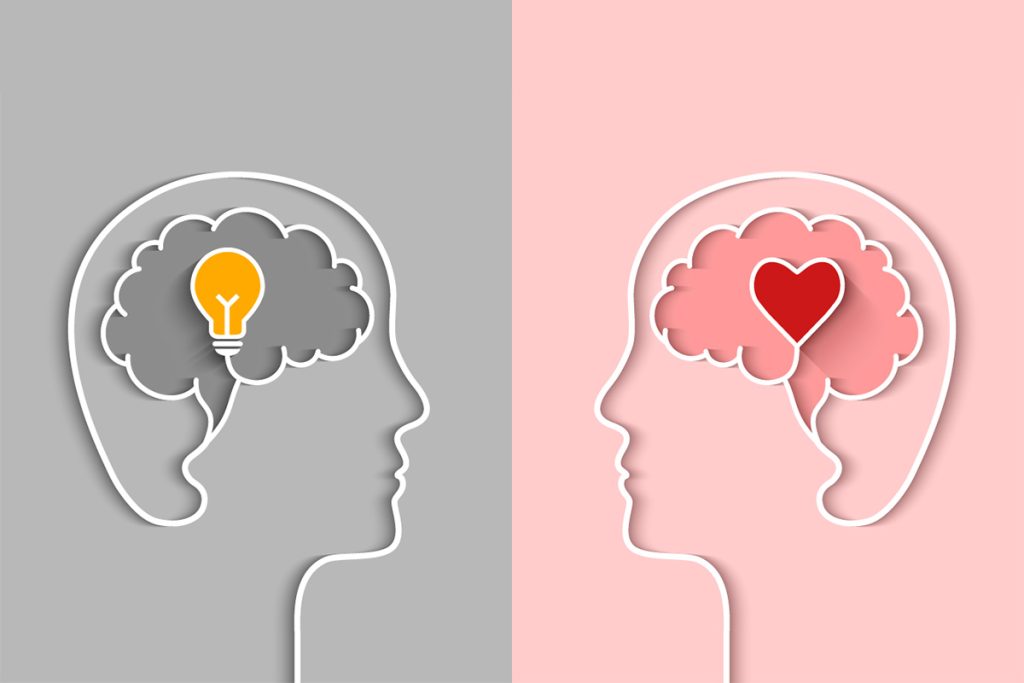
Emotional intelligence encompasses the ability to recognize, understand, and manage our own emotions while also empathizing with others. This profusion of skills can profoundly influence our learning experiences and outcomes. By enhancing our EI, we can optimize our self-learning journeys. Here are some fundamental aspects of EI that significantly affect self-learning:
- Self-Awareness: Knowing your strengths and weaknesses is foundational for setting realistic learning goals. For example, if you recognize that you struggle with critical analysis, you can seek resources or support specifically designed to enhance this skill. This awareness allows learners to focus on areas that will yield the greatest personal growth.
- Self-Regulation: The ability to control impulses and manage emotions is crucial in maintaining focus and motivation. Imagine studying for a certification exam; without self-regulation, distractions like social media can derail your progress. Developing this skill enables learners to prioritize tasks and resist the urge to procrastinate, ultimately fostering a more structured learning environment.
- Empathy: Understanding others fosters collaboration, a vital aspect of acquiring new knowledge and skills. For instance, working on group projects or engaging in discussion forums allows learners to tap into diverse perspectives, enriching their understanding of the subject matter.
Research consistently reveals that individuals with high emotional intelligence excel in self-directed learning environments. They are often better equipped to navigate challenges, adapt to feedback, and integrate new information. For instance, a study published in the Journal of Educational Psychology found that students with higher EI displayed more resilience and a greater capacity for problem-solving, which directly correlated with their academic success.
As learners embrace emotional intelligence, they unlock pathways to a more enriched self-learning experience. By fostering self-awareness, self-regulation, and empathy, individuals can create a transformative learning cycle that not only enhances their knowledge but also builds their confidence and emotional resilience.
In this article, we will delve deeper into how emotional intelligence shapes self-learning success, providing insights and strategies for harnessing EI to enhance your learning journey. Whether you are a student, a professional seeking skills enhancement, or simply a lifelong learner, integrating emotional intelligence into your self-learning practices could be the key to unlocking your full potential.
DISCOVER MORE: Click here to learn about accountability partners
Key Emotional Intelligence Skills that Facilitate Self-Learning
To fully appreciate how emotional intelligence (EI) enhances self-learning success, it’s essential to explore the core skills associated with EI and their direct implications for independent learning. By honing these skills, learners can cultivate a more effective and fulfilling educational experience.
1. Self-Awareness: The Foundation for Personal Growth
Self-awareness is the cornerstone of emotional intelligence. Understanding your own emotions, strengths, and weaknesses is crucial in setting realistic and achievable learning goals. For example, a student who recognizes that they excel in visual learning can seek out resources that match their preferred style, such as video lectures or interactive diagrams. This tailored approach allows learners to maximize their strengths while also identifying areas that require improvement.
- Identifying Learning Styles: Understanding whether you are an auditory, visual, or kinesthetic learner can significantly influence your approach to self-study and resource selection.
- Goal Setting: Having a clear awareness of what you need to improve aids in establishing achievable short- and long-term educational goals that are tangible and motivating.
- Emotional Reflection: Taking time to reflect on past learning experiences can provide insights into what strategies were effective and which need adjustment to improve future success.
2. Self-Regulation: Mastering Discipline and Focus
Equally as important as self-awareness, self-regulation serves as the mechanism for managing your emotions and behaviors. This capacity to control impulses and maintain discipline is vital for sustaining motivation during the inevitable ups and downs of self-learning. Without it, temptations, such as distractions from social media or television, can derail even the most determined learners.
Strategies to enhance self-regulation may include:
- Time Management: Utilizing tools such as calendars or task management apps can help structure learning time and prioritize tasks effectively.
- Meditation and Mindfulness: Engaging in practices that promote mindfulness can significantly improve concentration and reduce anxiety related to learning pressures.
- Setting Boundaries: Implementing guidelines for when and how long to study helps create a dedicated space for learning, fostering a more productive environment.
3. Empathy: Collaboration and Community Engagement
Empathy plays a pivotal role in self-learning, particularly in collaborative settings. The ability to understand and relate to others enhances your capacity to engage with diverse perspectives, which is essential for comprehensive learning. Whether it’s participating in discussion forums, study groups, or project collaborations, empathizing with peers encourages a richer exchange of ideas and insights.
- Active Listening: Practicing active listening allows learners to fully engage with others’ thoughts and feedback, creating a holistic learning atmosphere.
- Collaborative Problem Solving: Working cooperatively with others fosters creativity and innovation, yielding superior solutions to learning challenges.
- Networking Opportunities: Building connections with like-minded individuals can open doors to mentorship, resource sharing, and academic collaboration.
By fostering self-awareness, self-regulation, and empathy, learners create a conducive environment for effective self-learning. Integrating these emotional intelligence skills not only enhances academic performance but also cultivates a sense of resilience and adaptability, crucial qualities in today’s ever-evolving educational landscape.
| Category | Description |
|---|---|
| Self-Regulation | Crucial for managing emotions that arise during the learning process, enhancing focus and perseverance. |
| Social Skills | Facilitates networking and collaboration with peers, leading to better learning experiences through diverse perspectives. |
| Motivation | Internal drive to learn cultivates resilience, enabling learners to tackle challenges without losing enthusiasm. |
| Empathy | Understanding others’ feelings enhances communication skills and enriches collaborative learning scenarios. |
According to recent studies, the infusion of emotional intelligence (EI) plays an instrumental role in self-learning success. Individuals equipped with high EI often exhibit elevated self-regulation, allowing them to handle the emotional turbulence of setbacks effectively. As they engage in self-directed learning, the ability to maintain focus and perseverance becomes indispensable. Furthermore, crucial social skills foster a collaborative learning environment, empowering learners to cultivate enriching connections and exchange insights. A strong internal motivation acts as an engine for continuous motivation, pushing individuals to pursue knowledge actively. The influence of empathy cannot be understated, as understanding others’ feelings helps improve communication channels and strengthens the learning community. This harmonious blend of emotional intelligence traits significantly amplifies resilience and adaptability in learners, making them not only successful in acquiring knowledge but also adept at applying it effectively in real-world contexts. Dive deeper into the dynamics of these attributes and discover how they intricately weave into self-learning success.
DISCOVER MORE: Click here for insights on overcoming your goal-setting challenges
The Role of Social Skills in Enhancing Self-Learning
While self-awareness, self-regulation, and empathy lay a strong foundation for self-learning, another significant component of emotional intelligence is the development of social skills. These abilities, often taken for granted in the learning process, can greatly influence how effectively individuals navigate their educational journeys, especially in a highly interconnected world.
4. Social Skills: Building Connections for Learning Growth
Social skills encompass a range of competencies, including the ability to communicate clearly, collaborate effectively, and resolve conflicts amicably. In the context of self-learning, these skills foster engagement and create opportunities for knowledge sharing, which can significantly enhance understanding and retention of material.
- Effective Communication: Articulating thoughts and questions not only clarifies one’s own understanding but also invites feedback, leading to deeper insights. Whether through online forums, social media, or study groups, articulating ideas can lead the way for constructive discourse.
- Networking with Peers: Building a network of fellow learners can provide support, encouragement, and diverse perspectives. This extended community can serve as a sounding board, aiding individual learning and increasing motivation through shared goals and accountability.
- Conflict Resolution: Navigating differences in opinions or study methods can enhance collaboration. Developing the skills to resolve disagreements amicably enables learners to focus on shared objectives, thus deepening the collaborative learning experience.
5. Motivation: The Driver of Continuous Learning
Another crucial aspect of emotional intelligence on self-learning is intrinsic motivation, which is often characterized by the drive to learn for personal satisfaction and growth rather than external rewards. Individuals with high emotional intelligence are better equipped to cultivate motivation, which is essential for sustaining long-term self-directed learning.
- Setting Personal Challenges: Motivated learners often set higher personal challenges, pushing themselves beyond academic norms. When learners understand their emotional drivers, they can engage with content that resonates deeply, leading to a more meaningful learning experience.
- Resilience Through Setbacks: A strong sense of motivation helps learners bounce back from disappointments. In the face of challenges, emotionally intelligent individuals can recalibrate their goals and adjust strategies without losing their enthusiasm for learning.
- Curiosity and Exploration: An innate curiosity, fueled by emotional intelligence, allows learners to delve into subjects not merely as a requirement but as a genuine interest. This key differentiator fosters a passion for discovery and a lifelong commitment to learning.
6. Adapting to Change: Navigating the Learning Landscape
In the realm of self-learning, adaptability is indispensable. The ability to adjust one’s learning strategies in response to changing circumstances is a hallmark of emotional intelligence. This flexibility ensures that learners can capitalize on new opportunities and overcome unforeseen obstacles.
- Responding to Feedback: Learners with high emotional intelligence are more receptive to feedback, using it constructively to refine their learning processes and approaches.
- Embracing Technology: As digital tools and resources continue to evolve, being adaptable allows learners to seamlessly integrate new platforms into their study routines, further enriching their educational experience.
- Developing Growth Mindset: Embracing challenges and viewing failures as opportunities for growth can inspire learners to take risks in their educational pursuits, ultimately leading to greater self-fulfillment and achievement.
By recognizing the pivotal role of social skills, motivation, and adaptability in their educational journey, learners can leverage their emotional intelligence to foster a more constructive and fruitful self-learning experience. Understanding and implementing these aspects of emotional intelligence can lead to a profound transformation in how one engages with knowledge—making self-learning not just a goal, but a rewarding adventure.
DISCOVER MORE: Click here to enhance your skills
Conclusion: Unlocking the Power of Emotional Intelligence in Self-Learning
In essence, the impact of emotional intelligence on self-learning success cannot be overstated. The ability to understand and manage one’s emotions, coupled with the development of essential social skills, offers learners a profound advantage in navigating their educational journeys. By recognizing and harnessing the power of self-awareness, motivation, and adaptability, individuals empower themselves to create a personalized learning experience that transcends traditional boundaries.
Moreover, cultivating social skills and effective communication contributes not only to individual learning but also to the enriching of the learning community as a whole. Peer interactions foster a collaborative atmosphere, encouraging the exchange of ideas and insights that stimulate deeper comprehension and engagement. These connections can serve as lifelines, providing motivation and encouragement in the often solitary path of self-directed learning.
Ultimately, understanding the nuanced role of intrinsic motivation and the ability to adapt is essential for sustained success in an ever-evolving educational landscape. Embracing a growth mindset helps learners to transform challenges into opportunities, enabling them to flourish in their pursuits. Thus, the intersection of emotional intelligence and self-learning is not just significant; it is essential for those aiming for continuous growth and long-term achievement.
As we further explore the intricate facets of emotional intelligence, aspiring learners should actively invest in cultivating these competencies. Doing so can lead to not just an effective learning process, but also a transformative journey filled with discovery, resilience, and lifelong passion for knowledge.