Finding Your Learning Style: Tailoring Self-Education to Personal Preferences
Understanding Educational Styles for Enhanced Learning
In today’s rapidly evolving world, the ability to educate oneself is more vital than ever. As information becomes increasingly accessible, harnessing effective strategies tailored to individual learning preferences can unlock a greater potential for knowledge acquisition. Our unique abilities to absorb information hinge significantly on recognizing and adapting to our personal learning styles.
Among the familiar *learning styles*, each has its distinct characteristics that cater to varied preferences:
- Visual Learners: This type of learner thrives on visual aids. By incorporating diagrams, infographics, and video tutorials into their study routines, they are often able to connect concepts more effectively. For instance, a visual learner studying history might benefit from timelines that depict major events, allowing them to visualize shifts in time and significance.
- Auditory Learners: These individuals retain information best when they engage their sense of hearing. They may find success in formats that include lectures, discussions, or audiobooks. Online platforms such as TED Talks or university lectures available on sites like Coursera provide auditory learners with rich content presented in engaging verbal formats.
- Kinesthetic Learners: For those who learn through doing, hands-on experiences are essential. Kinesthetic learners may excel in environments where practical activities are emphasized, such as science labs or workshops. They may also construct models or participate in role-playing exercises to deepen comprehension, particularly useful in fields such as psychology or education.
Utilizing one’s distinct learning style allows for a more nuanced approach to self-education. For example, if a visual learner engages with an online course that is rich in animated graphics, they may find it easier to grasp difficult concepts. Conversely, an auditory learner could enhance their understanding of complex subjects by participating in live discussions, which provide an environment for questions and collaborative learning.
Recognizing your preferred method also plays a crucial role in resource selection. Whether it’s picking the right textbooks, educational YouTube channels, or interactive digital tools, aligning resources with your learning preferences can significantly enhance retention and make the process enjoyable. Moreover, innovative platforms like Khan Academy offer personalized learning experiences, adapting content delivery to suit individual styles.
In this exploration of educational preferences, reflect on the categories that resonate most closely with you. Understanding your learning style doesn’t just facilitate an efficient learning process; it cultivates a lifelong passion for knowledge. With the right strategies in place, you can navigate your educational journey with confidence, fully unlocking your potential.

DISCOVER MORE: Click here to dive deeper
Exploring Your Learning Preferences: A Path to Personalized Education
Understanding and identifying your unique learning style is not just a matter of convenience; it can significantly transform the way you engage with information. Each learning style—be it visual, auditory, or kinesthetic—offers distinct advantages and can lead to different pathways of knowledge acquisition. By recognizing your preferences, you can create an educational experience tailored to maximize your retention and comprehension.
Beyond the primary categories, learning styles encompass numerous sub-styles and combinations of preferences. Consider, for instance, the multimodal learner, someone who utilizes a mix of learning styles to enhance their educational strategy. Research indicates that multimodal learners often find themselves gaining deeper insights by integrating multiple approaches—visual aids paired with hands-on experiences or discussions complemented by auditory materials. By diversifying the methods used in self-education, you can maintain motivation and curiosity, important ingredients for a lifelong learning journey.
Here are a few additional learning styles that may resonate:
- Read/Write Learners: These learners process information best through written words. They may excel at note-taking, reading textbooks, and writing essays. Activities such as journaling or blogging can enhance their understanding, especially for individuals delving into literature or social sciences.
- Social Learners: Also known as interpersonal learners, these individuals thrive in collaborative environments. By participating in group studies or online forums, social learners can exchange ideas and clarify concepts with peers, enhancing their overall learning experience.
- Solitary Learners: In contrast to social learners, solitary learners prefer to work independently. They often benefit from researching topics on their own through books, articles, or online resources. Finding quiet spaces for focused study promotes their preferred learning environment.
Once you have determined your dominant learning style, you can effectively amalgamate it into your self-education strategy. For example, if you identify as a read/write learner, consider incorporating online articles, blogs, or even participating in writing workshops into your routine. Similarly, auditory learners might explore options like language podcasts or discussion groups to enhance their understanding of new language structures.
Moreover, awareness of your learning style can lead to informed choices regarding the technology and tools you leverage. Apps designed to cater to various learner types, such as Quizlet for flashcards or Skillshare for creative skills, can also be integrated into your learning regimen. The right technological support not only reinforces your learning style but also makes acquiring new knowledge an engaging pursuit.
Ultimately, the journey into understanding your learning style offers benefits beyond the classroom or study area. By embracing your unique preferences, you are setting the stage for a more fulfilling journey into self-education. This, in turn, cultivates a proactive approach to learning, enabling you to evolve continuously and seek newer opportunities in an increasingly knowledge-driven landscape.
| Learning Style | Advantages |
|---|---|
| Visual Learners | Benefit from diagrams, charts, and videos, making complex information easier to digest. |
| Auditory Learners | Thrive through discussions, lectures, and audio materials, enhancing retention through sound. |
| Kinesthetic Learners | Access knowledge through hands-on experiences, facilitating real-world application of concepts. |
| Reading/Writing Learners | Prefer written materials, benefiting from extensive reading and writing assignments that reinforce ideas. |
Understanding your unique learning style can significantly impact your self-education journey. Tailoring your study methods to fit your personal preferences not only enhances knowledge retention but also increases motivation. For example, visual learners often find incorporating infographics and videos into their study routines immensely beneficial, as they align with how they process information. Similarly, auditory learners can gain advantages by actively engaging in group discussions or utilizing podcasts and audiobooks to absorb material audibly.Additionally, kinesthetic learners typically excel when they can apply concepts in practical scenarios. Engaging in projects, experiments, or workshops can solidify their understanding and stimulate interest in the subject matter. Lastly, reading/writing learners often unlock deeper insights through comprehensive reading exercises followed by reflective writing tasks, allowing them to synthesize information effectively.To embark on optimizing your self-education experience, consider experimenting with tools and resources tailored to your learning style. Engaging in this exploration not only empowers your growth but also keeps the process enjoyable and tailored to your needs. Discover how you can leverage your strengths to navigate the world of education with greater efficacy!
DISCOVER MORE: Click here to learn about the importance of setting smart goals
Adapting Your Learning Environment for Greater Success
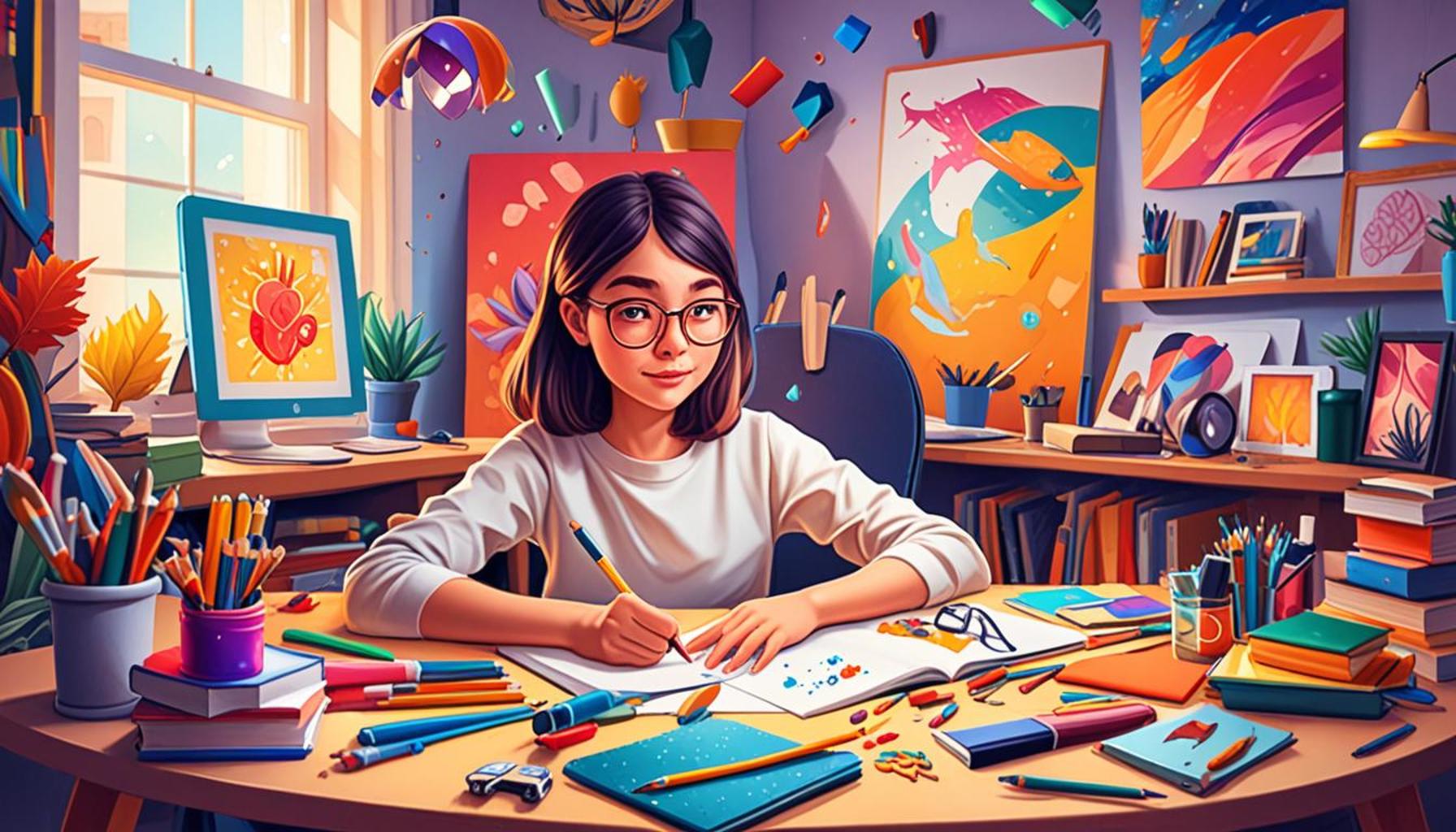
Recognizing your learning style is the first step toward optimizing your self-education journey, but the next crucial phase involves adjusting your learning environment. The physical and emotional spaces we create significantly influence our ability to absorb information. For example, if you identify as a visual learner, consider designing a workspace rich in visual aids. This could include infographics, color-coded notes, or educational posters that reinforce your material. By surrounding yourself with relevant imagery, you create a supportive backdrop that can catalyze your learning process.
On the other hand, auditory learners can benefit from a quieter environment with minimal distractions. Creating playlists of background sounds, such as white noise or instrumental music—carefully selected to avoid lyrical distraction—can bolster concentration. Moreover, participating in study groups, even virtually, is advantageous for auditory learners, doubling their exposure to different pronunciations, inflections, and the conversational logic that articulates ideas.
- Kinesthetic learners often find it challenging to focus in traditional settings. Implementing a workstation that encourages movement, such as standing desks or exercise balls, can promote better engagement. Breaks for physical activity can also be integrated into study sessions, allowing for the application of hands-on techniques that reinforce learning.
- For read/write learners, creating a cozy reading nook with comfortable seating and ample lighting can foster a more immersive experience. This personalized space allows for long reading sessions, enhancing their ability to process written information deeply.
Furthermore, the use of digital tools can cater to your unique learning style while also creating a dynamic learning environment. Tools like Evernote or OneNote invite read/write learners to organize their thoughts methodically. For visual learners, platforms like Canva allow for the creation of compelling visuals to translate concepts into eye-catching presentations. Meanwhile, readers can utilize online courses from platforms like Coursera or Udemy that include diverse multimedia elements, engaging various senses and reinforcing learning through repetition.
In addition to tailoring the physical environment, self-discipline and management of time are paramount. Establishing a structured schedule tailored to your attention span and productivity peaks can greatly enhance your acquisition of knowledge. For instance, utilizing the Pomodoro Technique—where you study intensely for 25 minutes followed by a 5-minute break—can boost focus, especially for those prone to distractions.
Seeking Feedback and Adjustments
As you embark on your personalized learning path, cultivating a habit of seeking feedback is essential. Whether through engaging with fellow learners, instructors, or mentors, obtaining insights into your understanding can lead to greater self-awareness. This process will not only allow you to gauge your progress but also offer opportunities to refine your learning strategies, ensuring continuous adaptation to your evolving educational needs.
Self-education is an iterative process, and being attuned to your learning style will help you navigate through challenges. Embrace the unknown and cultivate curiosity, and your tailored experience will not only enhance your comprehension but also ignite a passion for lifelong learning. With awareness of your preferred learning styles and a supportive environment, each new topic becomes an opportunity to enrich your knowledge, pushing the boundaries of personal growth and intellectual expansion.
DISCOVER MORE: Click here to dive deeper into cognitive psychology and skill acquisition
Embracing Your Unique Learning Journey
In conclusion, navigating through the diverse landscape of self-education requires an insightful understanding of your learning style and a commitment to tailoring your approach accordingly. Each individual possesses a unique blend of preferences that shapes how they comprehend and retain information. By recognizing whether you are a visual, auditory, kinesthetic, or read/write learner, you can curate a personalized educational experience that enhances efficacy and enjoyment.
Creating an optimal learning environment plays a crucial role in this journey. Whether it’s integrating visual aids, fostering quiet spaces, or utilizing interactive tools and digital resources, each detail contributes to your overall success. The incorporation of innovative methods like the Pomodoro Technique can significantly amplify attention, allowing you to engage deeply with materials at your own pace.
Moreover, as your journey unfolds, being open to seeking feedback and adjusting your strategies will facilitate ongoing growth and development. This adaptable mindset not only sharpens your academic skills but also fosters a sense of curiosity that can drive lifelong learning. Remember, the ultimate goal is to empower yourself with knowledge tailored specifically to your unique preferences, breaking down barriers and igniting a passion for exploration.
For those eager to delve deeper, the myriad of resources available today—ranging from online courses to educational apps—await your exploration. Let your learning style guide your choices, allowing you to uncover new realms of knowledge that are rich, rewarding, and uniquely yours. Embrace the power of self-education, and watch as your drive for learning transforms into a fulfilling lifelong pursuit.