The Role of Podcasts and Webinars in Self-Education: Curating Knowledge from Experts

The Transformation of Learning Through Digital Platforms
The landscape of education has undergone a significant transformation, especially in the wake of advancements in technology. Self-education has become not only a viable choice but a preferred method for many individuals eager to expand their knowledge and skills. With the rise of digital platforms, the advent of podcasts and webinars has proven to be a game changer, serving as indispensable tools for those looking to grow personally and professionally. These resources act as bridges, connecting learners with a wealth of knowledge and expertise without the need for traditional classroom settings.
Key Attributes of Podcasts and Webinars
Podcasts and webinars stand out due to their engaging and flexible format. Here are some compelling features that make them particularly appealing:
- Flexibility: One of the most significant advantages is the ability to consume content at your convenience. Individuals can listen to podcasts during their morning commute, while working out, or even during household chores. This fits perfectly into the busy lifestyles prevalent today, making lifelong learning accessible to all.
- Diverse Topics: The breadth of subjects covered is astonishing. Whether you’re interested in entrepreneurship, personal finance, health and wellness, technology trends, or even the arts, there’s likely a podcast or webinar tailored to your interests. For instance, popular podcasts like “How I Built This” by Guy Raz explore the journeys of entrepreneurs, while “The Happiness Lab” sheds light on the science of well-being.
- Expert Insights: These platforms often feature interviews with prominent figures and industry experts. Such insights can be invaluable, offering listeners the chance to learn directly from those who have defined their fields. For example, webinars hosting senior professionals from Fortune 500 companies often provide insider knowledge that can propel a career forward.
Cultivating a Personalized Learning Experience
As the methods of learning evolve, the importance of effectively curating knowledge becomes ever more critical. Podcasts allow learners to absorb rich insights in a way that fits their unique lives, offering a passive yet informative approach to education. Conversely, webinars allow for more interactive sessions, which often feature live Q&A segments that engage learners and clear up confusion in real time.
This duality provides a well-rounded approach to education: passive knowledge acquisition through listening or viewing, supplemented by active participation in webinars. By taking charge of their own educational journeys, learners gain autonomy over what they choose to study, how they study it, and at what pace.
Unlocking Opportunities for Growth
Harnessing the power of these digital resources opens the door to endless possibilities. Whether you’re enhancing your professional skills with a particular emphasis on tech through platforms like LinkedIn Learning or exploring personal interests such as creative writing through specialized webinars, the options are limitless. Moreover, many organizations in the United States are increasingly recognizing self-directed learning, offering financial incentives for employees who engage with such educational resources.
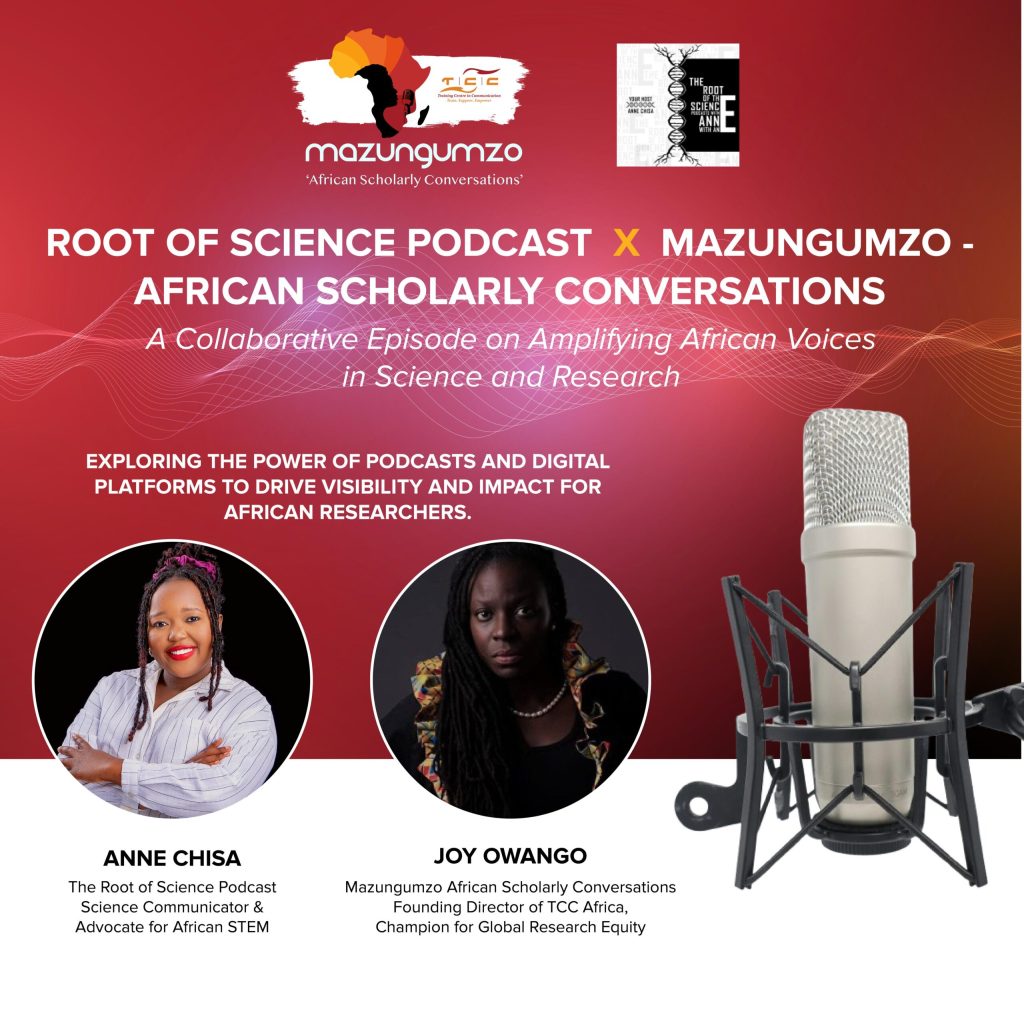
In summary, as we navigate through this digital age, embracing podcasts and webinars will not only enrich our knowledge base but also empower us to innovate and adapt. The opportunity to learn from anywhere in the world and connect with experts is now at our fingertips. Engaging with these platforms can ultimately lead to profound transformations in both our personal and professional lives, shaping us into lifelong learners ready to tackle future challenges.
DISCOVER MORE: Click here for in-depth strategies
Expanding Horizons: The Impact of Digital Learning Tools
In a world where the pace of information flow continues to accelerate, podcasts and webinars have emerged as vital resources for self-education, allowing individuals to tap into expert knowledge in real-time or on their own schedule. The proliferation of these platforms signifies a shift in how we perceive learning; no longer confined to formal classrooms, education has become a dynamic, interconnected experience available to anyone with internet access.
By leveraging these innovative platforms, learners can create personalized educational experiences that align with their individual interests and goals. The flexibility afforded by podcasts allows for a passive form of learning, where individuals can absorb information while commuting, exercising, or even multitasking at home. In contrast, webinars present a more structured learning environment—often featuring presentations and interactive Q&A sessions—encouraging active engagement and deeper understanding of complex topics.
Benefits of Integrating Podcasts into Self-Education
Podcasts have gained immense popularity as a medium for disseminating knowledge and opinions. Various attributes contribute to their effectiveness in self-education:
- Accessibility: Many podcasts are free to listen to, removing financial barriers to learning. With thousands of shows available across platforms like Spotify and Apple Podcasts, there is almost no limit to the opportunities for knowledge acquisition.
- Expert Interviews: Leading voices from diverse fields often feature in podcasts, discussing their experiences and insights directly with listeners. According to a report by Edison Research, over 75% of podcast listeners say they feel more connected to the guests on these shows, enriching their learning journey.
- Convenience: With most podcasts being episodic in nature, listeners can consume content in bite-sized pieces. This structure allows learners to digest information gradually and revisit episodes when needed for enhanced retention.
The Role of Webinars in Fostering Engagement
While podcasts offer flexibility and convenience, webinars elevate the learning experience through their interactive features. Attendees can pose questions directly to industry experts, gaining insights that may not be available through pre-recorded content. This level of engagement can be particularly useful for complex subjects that deserve deeper exploration. Furthermore, webinars often provide visual components such as slideshows or video demonstrations, catering to visual learners and enhancing overall comprehension.
The interactive nature of webinars encourages participation and creates a focused learning atmosphere. Many educational organizations have recognized this potential, incorporating it into their training programs. For instance, platforms like Coursera and Udemy offer extensive courses that combine both webinars and supplementary materials, blending theory with practical application.
As we navigate the digital era, podcasts and webinars serve as invaluable tools for self-education, allowing anyone to curate their own path to knowledge. By harnessing these resources, individuals can cultivate critical thinking, foster creativity, and develop a well-rounded skill set that prepares them for the ever-evolving landscape of the modern workforce.
| Benefits of Podcasts | Advantages of Webinars |
|---|---|
| Accessibility | Real-time Interaction |
| Podcasts provide on-demand content, allowing learners to absorb knowledge whenever it suits their schedule, breaking geographical and temporal barriers. | Webinars foster a collaborative learning environment, enabling participants to engage directly with experts, ask questions, and receive instant feedback. |
| Diverse Perspectives | Structure and Guidance |
| Listeners can explore a variety of topics and gain insights from different thought leaders, enriching their understanding of subjects and encouraging critical thinking. | Webinars often include a structured curriculum that guides learners through the complexities of a subject, making challenging topics more understandable. |
Podcasts and webinars are revolutionizing the way individuals approach self-education. By curating knowledge from experts across various fields, they serve as essential tools in personal and professional development. The ability to consume content on the go offers unparalleled flexibility, while the interactive nature of webinars elevates the learning experience. This blend of convenience, accessibility, and engagement creates a dynamic landscape for lifelong learning. As more learners embrace these digital formats, the world of education continues to evolve, offering extensive resources at an individual’s fingertips. Discovering the extensive library of knowledge that these formats provide not only inspires but also equips learners with skills to thrive in a rapidly changing society.
DIVE DEEPER: Click here to discover more
Curating Knowledge: The Synergy of Podcasts and Webinars in Learning
The charm of podcasts and webinars lies not just in their individual capacities but in their synergistic potential to enrich the self-education journey. By combining the strengths of both platforms, learners can engage in a comprehensive and multi-faceted approach to knowledge acquisition. This hybrid model enables individuals to not only consume content passively but also to interact and engage deeply with subject matter experts.
Diverse Learning Opportunities Through Format Diversity
The multifaceted nature of both mediums provides an avenue for learners to approach topics from various angles. Podcasts often include roundtable discussions, interviews, and storytelling formats that can present information engagingly. This diversity caters to different learning styles; for instance, narrative-driven podcasts can captivate auditory learners, while informational episodes might satisfy those preferring analytical content.
Webinars, on the other hand, contribute visual and practical elements that complement the auditory information from podcasts. Attendees can view demonstrations, participate in live polls, and engage in breakout sessions that deepen their understanding and encourage collaboration. According to the Online Learning Consortium, nearly 70% of learners prefer courses that offer a combination of live and pre-recorded content, underscoring the effectiveness of blending formats.
Building a Community: Networking Through Learning
Another significant advantage of podcasts and webinars is their ability to foster community and networking among learners. Many podcasts build dedicated communities through social media platforms, where listeners can discuss episodes, share insights, and connect with like-minded individuals. This community aspect not only enhances the learning experience but also provides opportunities for mentorship and networking, crucial elements in today’s economy.
Webinars create similar opportunities for connection, often featuring participant chats that allow peers to communicate and share experiences in real-time. A study by the Content Marketing Institute found that 84% of businesses using webinars observed increased engagement with their audience. This engagement is paramount, as it offers learners the chance to form connections that can lead to future collaborations or career advancements.
Scalability and Specialization: Catering to Niche Markets
The scalability of podcasts and webinars allows them to serve specialized markets effectively. With a simple search, learners can find niche topics ranging from the intricacies of microeconomics to the latest in creative coding. This open-access model empowers experts to share their insights and findings, making advanced knowledge available to a broader audience without the constraints of traditional educational institutions.
For instance, the ever-growing field of mental health education has seen significant contributions from both podcasts and webinars. Platforms like “Therapy Chat” and “The Psychology Podcast” delve into modern therapeutic practices, while webinars hosted by mental health organizations provide real-time insights and tools for practitioners and laypersons alike. This democratization of knowledge ensures that valuable insights from experts can reach those who need them most, irrespective of their geographical or financial constraints.
In conclusion, the combined strengths of podcasts and webinars create a rich tapestry of resources for self-education, encouraging individuals to curate their personal growth journeys. By understanding the interplay between these mediums, learners can extract maximum value from each, leading to a deeper and more comprehensive understanding of the subjects they wish to explore. As the education landscape continues to evolve, staying abreast of these tools can unlock lifelong learning potential. Don’t miss out on this vast ocean of knowledge waiting to be discovered!
DIVE DEEPER: Click here to discover more about overcoming goal-setting challenges
Conclusion: Embracing the Future of Learning with Podcasts and Webinars
In a rapidly changing world, podcasts and webinars stand out as powerful tools in the landscape of self-education, providing learners access to invaluable insights from experts across various fields. The unique combination of these platforms not only enhances knowledge retention but also creates opportunities for real-time interaction and collaboration, vital in today’s interconnected society.
The versatility in format offered by both podcasts and webinars ensures that educational content caters to a wide range of learning preferences, allowing individuals to engage in ways that resonate most with them. Furthermore, the appeal of niche topics fosters specialization, making advanced knowledge available without the barriers often encountered in traditional education systems.
As networking becomes essential in professional growth, these platforms facilitate community-building among learners, enabling connections that can lead to mentorship and collaborative opportunities. Whether it’s a podcast episode that inspires new ideas or a webinar that explores practical applications, each interaction lays the groundwork for enduring educational relationships.
Looking ahead, the integration of podcasts and webinars into self-education strategies will continue to transform how we approach lifelong learning. As individuals seek to expand their skills and knowledge, embracing these tools can create a vibrant landscape of continuous growth and discovery. Dive into this dynamic realm of knowledge-sharing and open the door to your next learning adventure!