Optimizing Your Learning Environment: Creating a Space for Effective Resource Utilization
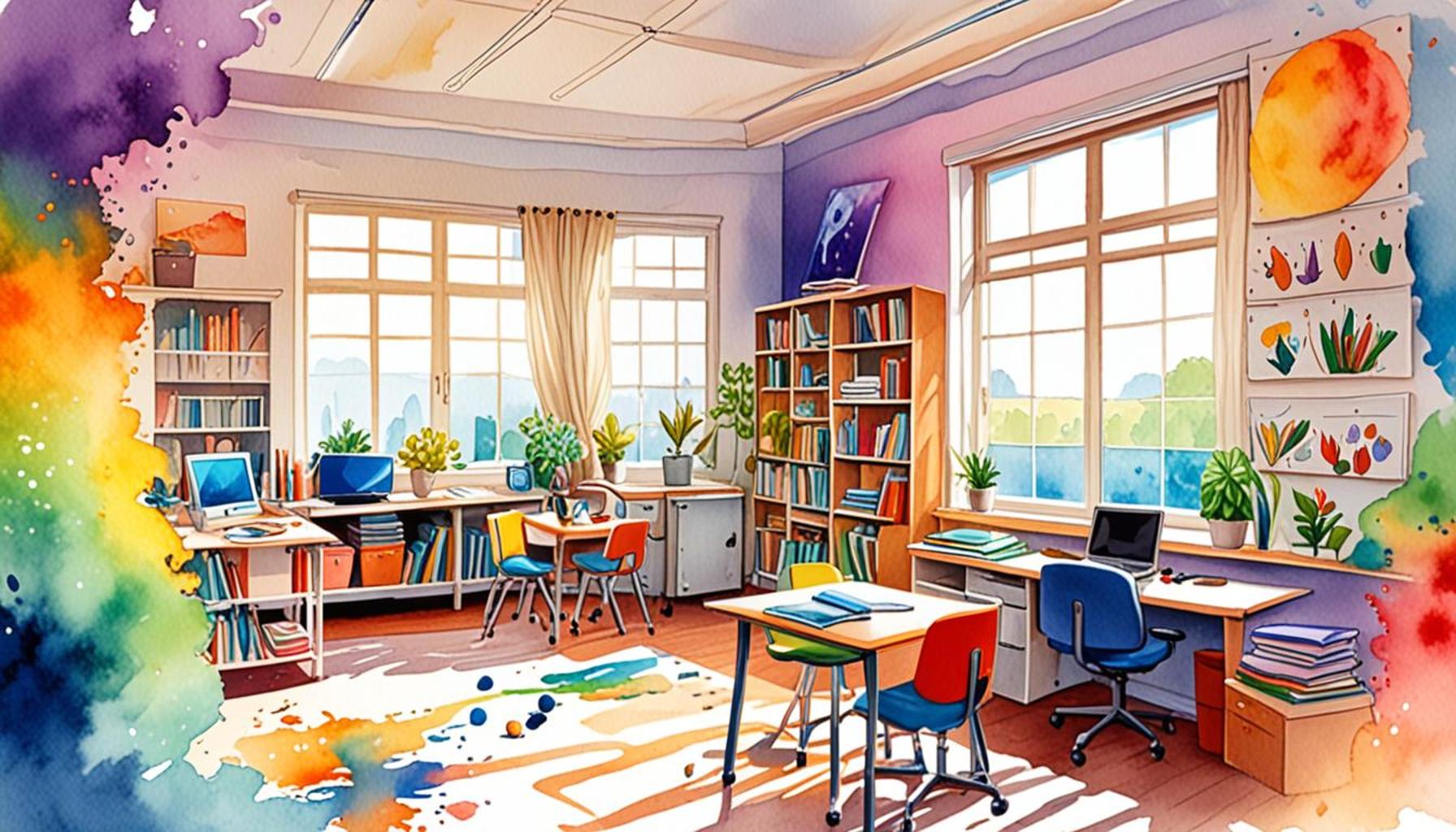
Creating Your Ideal Learning Space
In today’s fast-paced world, a carefully designed learning environment can be a game-changer, immensely impacting your ability to absorb and effectively utilize information. The design of your space extends beyond mere aesthetics; it plays a significant role in boosting concentration, creativity, and overall productivity. Whether you’re a student, a professional, or a lifelong learner, crafting an effective learning space can make all the difference in achieving your goals.
Consider incorporating the following essential aspects into your learning environment to enhance your experience:
- Lighting: The right lighting can transform your workspace entirely. Investing in natural light is ideal, as exposure to sunlight can elevate mood and energy levels. If that’s not possible, opt for adjustable LED lights that minimize eye strain and allow you to tailor the brightness to your tasks. For instance, a well-lit desk area for reading and a dimmer light for relaxed brainstorming sessions can create a balanced atmosphere.
- Ergonomics: Comfort is paramount in a productive learning environment. An ergonomic chair that supports your back and encourages good posture can significantly reduce discomfort during extended study sessions. Pair it with a desk at the correct height, and consider using a standing desk converter to switch things up, thereby preventing fatigue. Incorporating ergonomic accessories such as wrist rests and foot pedals can further enhance comfort during long periods of study.
- Minimal distractions: A cluttered space can quickly lead to a cluttered mind. Effective organization is crucial for maintaining focus. Establish designated areas for various study materials, and keep only essentials on your desk. Digital distractions can be just as disruptive as physical ones; consider using applications that block distracting websites or notifications while studying.
Beyond these structural elements, it’s essential to think about accessibility to valuable resources:
- Digital tools: The rise of technology offers a plethora of applications and software designed to optimize learning. Tools like Evernote or Microsoft OneNote can streamline note-taking and organization, making it easier to compile and categorize information.
- Books and materials: Keeping essential readings and materials within arm’s reach can minimize interruptions. Curate a collection of textbooks, reference materials, and notebooks relevant to your studies or professional work to foster a seamless learning process. Consider a storage cart or a shelf within reach for easy access.
- Technology: In an increasingly digital world, reliable internet connectivity is vital. Ensure that your Wi-Fi is robust enough to support online research, coursework, and virtual collaboration. Investing in a good wireless router can make all the difference, especially if you are in a household with multiple devices.
By integrating these key elements into your learning space, you can begin to transform your learning experience. As you implement these changes, pay attention to how they enhance your focus, efficiency, and satisfaction in your studies. A well-thought-out environment not only supports your immediate learning needs but also builds a foundation for lifelong educational endeavors.
Ultimately, the process of optimizing your learning environment is an evolving journey. Remain open to new ideas and adjustments that reflect your unique learning style, and don’t hesitate to explore further resources or seek advice from fellow learners. A dedicated space tailored to your needs has the potential to unlock your full potential and propel you toward success.

DIVE DEEPER: Click here to enhance your learning strategies
Understanding the Importance of a Dedicated Learning Space
The quest for knowledge can sometimes feel overwhelming, particularly in a world filled with distractions. This is why establishing an optimal learning environment is crucial. A dedicated space not only helps foster a mindset geared toward study but also aids in the strategic utilization of resources. By understanding the psychological and physical elements at play in your learning space, you can unlock more effective study habits and improve information retention.
Research indicates that a structured learning environment can boost concentration by nearly 30%. This statistic underlines the transformative potential of optimizing your surroundings. So how can you curate a space that maximizes your learning efficiency? Consider the following components:
- Personal Comfort: Your learning space should be a haven of comfort. Beyond ergonomics, surrounding yourself with familiar and personal items can enhance motivation and reduce stress. Photos, inspiring quotes, or artwork can serve to personalize your workspace and make you feel more at ease, ultimately leading to a more robust mental state for learning.
- Technology Integration: Leveraging technology can be a powerful way to enhance your learning environment. Utilize tools like online dictionaries, e-books, and educational platforms such as Khan Academy or Coursera to complement your studies. These resources provide flexibility and immediacy, allowing you to dive deeper into subjects as curiosity strikes. Each tool brings a unique advantage that can fulfill different educational needs, so it’s essential to find what works best for you.
- Ambient Noise Control: The right type of background noise can be beneficial for studying. While some prefer complete silence, others find that soft instrumental music or nature sounds can enhance focus. Platforms like Coffeehouse or Ambient Mixer provide curated playlists specifically designed to aid concentration. A little experimentation can help you discover what auditory backdrop optimally supports your learning.
- Strategic Resource Placement: Accessibility to your study materials greatly contributes to your learning flow. Organizing your workspace with relevant books, notes, and technology within arm’s reach can reduce the time lost searching for resources. Consider implementing a zone for each subject or topic and labeling storage conveniently to facilitate quick retrieval. This organization reduces cognitive load, allowing for deeper engagement with the material.
Incorporating these strategies into your learning space can deliver significant dividends. Not only does it minimize distractions and enhance comfort, but it systematically creates a surrounding where effective resource utilization can thrive. By proactively designing your learning environment, you set the stage for success, ensuring that you are better equipped to face academic challenges and seize opportunities for growth.
As you work to refine your learning environment continually, remain attuned to what elements resonate most with your style. Tailoring your approach unlocks a personalized pathway to learning that meets your unique needs, making the process of acquiring knowledge not just effective, but also enjoyable.
Creating an effective learning environment is more than just having a quiet space; it’s about optimizing every element to ensure maximum resource utilization. Every component of your environment can be strategically manipulated to boost productivity and enhance learning outcomes, impacting both personal and collaborative study sessions.First and foremost, ergonomics plays a crucial role. Choosing furniture that provides comfort and supports proper posture can prevent fatigue and distractions, allowing learners to focus better. Desks that can be adjusted for standing or sitting, along with supportive chairs, are known to increase concentration and stamina during long study hours.Next, consider the natural lighting in your space. Research shows that exposure to natural light can improve mood and alertness. Positioning study areas near windows, or utilizing bright, energy-efficient lighting can dramatically enhance cognitive function, leading to better retention of information.Also, clutter management cannot be overstated. A clean, organized workspace minimizes distractions and allows for a clearer mind. Implementing storage solutions that keep essential materials easily accessible but out of sight can streamline the study process. This level of organization creates a sense of control and encourages students to engage with their materials more directly.In addition to the physical aspects, consider the role of technology. Utilizing educational apps and digital resources can complement traditional learning tools, making information more interactive and engaging. Integrating tools like online quizzes, flashcards, or collaborative platforms not only makes learning more dynamic but also helps fulfill diverse learning styles.Finally, establishing a routine within this optimized environment is essential. A structured study schedule helps learners develop consistency, turning study times into productive habits. This scheduling can incorporate breaks strategically, which is vital for maintaining high levels of engagement and preventing burnout.By focusing on ergonomic factors, natural elements, organization, technology integration, and routine development, learners can create a space that maximizes effective resource utilization, paving the way for a more successful educational journey. The following table highlights specific advantages of optimizing your learning environment for better resource utilization:
| Category | Advantages |
|---|---|
| Ergonomics | Enhances comfort and focus, reducing fatigue. |
| Natural Lighting | Improves mood and cognitive alertness. |
| Clutter Management | Minimizes distractions, promoting focus. |
| Technology Integration | Makes learning interactive and engaging. |
| Routine Development | Establishes consistency, turning study into habit. |
DISCOVER MORE: Click here to enhance your time management skills
Enhancing Your Learning Experience Through Environmental Psychology
In addition to creating a comfortable and organized space, delving into the principles of environmental psychology can further elevate your learning experience. This field examines how your surroundings impact your behavior and cognitive processes. Understanding these dynamics can help you tailor your learning environment even more effectively.
Color Psychology: The colors you use in your learning space can have profound effects on your concentration and emotional state. For instance, studies show that blue tones can promote calmness and focus, while green shades enhance creativity and innovation. Conversely, warm colors like red can evoke energy but may also lead to anxiety if overused. To optimize your learning environment, consider a muted palette that incorporates cool colors for focused learning while integrating warmer accents for inspiration and motivation.
Lighting Varieties: The right lighting can significantly influence productivity and mood. Natural light is best, as exposure to daylight increases serotonin levels, enhancing your mood and focus. If natural light is limited, consider using full-spectrum bulbs that mimic sunlight to elevate alertness. Additionally, task lighting focused on your workspace helps reduce eye strain and minimizes distractions. Experiment with different lighting setups; warm tones can foster relaxation, while cooler tones keep you alert.
Incorporating Flexible Spaces
As learning styles differ widely, creating a flexible space allows for different approaches to studying. According to the American Educational Research Association, flexible learning environments can enhance engagement and collaboration among learners. By adding adjustable furniture, you can shift between sitting and standing, which has been linked to increased alertness and less fatigue over prolonged study periods.
Dedicated Zones for Diverse Activities: Within your learning environment, designate different areas for various study tasks. A quiet corner for reading, a collaborative space for group projects, and a visual area with whiteboards or corkboards for brainstorming can help simulate different learning processes. By breaking away from traditional, static study layouts, learners can engage in active learning while utilizing resources more effectively.
Integrating Natural Elements
Incorporating elements of nature into your learning environment can exponentially increase your cognitive performance. Studies have found that exposure to natural elements like plants can reduce stress and boost creativity. Consider adding low-maintenance plants, such as succulents or snake plants, to your workspace. Not only do they purify the air, but they also create a more welcoming atmosphere conducive to effective resource utilization.
Utilizing Mindfulness Practices: While physical surroundings play a crucial role, mental clarity is equally important. Techniques such as mindfulness, meditation, or even simple breathing exercises can greatly enhance your ability to focus and utilize resources efficiently. Designating a small area for these practices, even if brief, can help reset your mind, allowing you to approach your studies with renewed vigor and perspective.
By considering these psychological and environmental factors, you can create a dynamic learning space that caters not only to your physical comfort but also to your cognitive and emotional needs. Utilizing these insights fosters a personalized space that amplifies learning effectiveness and aids in the efficient use of available resources.
DIVE DEEPER: Click here to discover effective strategies
Conclusion: Crafting Your Ideal Learning Sanctuary
In today’s fast-paced world, the need for an optimized learning environment cannot be overstated. The principles of environmental psychology reveal that our surroundings play an integral role in shaping our cognitive functions and emotional states, which directly impacts the quality of our learning experiences. By thoughtfully designing a space that incorporates elements such as color psychology and appropriate lighting, individuals can cultivate atmospheres conducive to heightened concentration and creativity.
The concept of flexibility emerges as a significant aspect of effective resource utilization. Designating dedicated zones for various activities not only diversifies the learning experience but also promotes engagement and collaboration. As highlighted by research from educational authorities, adaptable spaces foster a more dynamic approach to study and information retention, which can be essential in today’s increasingly collaborative learning environments.
Integrating natural elements and mindful practices contributes further to a holistic learning strategy. By surrounding oneself with plants and incorporating brief moments of tranquility through mindfulness, learners can reduce stress and find renewed focus. These practices remind us that a well-rounded approach to creating a learning space should address both physical and mental aspects.
In conclusion, optimizing your learning environment is not solely about aesthetics but rather about creating a nurturing space that enhances your cognitive capabilities and emotional well-being. As you embark on the journey to refine your learning haven, remember that small, thoughtful changes can lead to significant improvements in how you engage with resources. With the right environment, you can unlock your full potential and transform the learning process into an enriching and productive experience.