Embracing Multimedia Learning: How Videos and Interactive Content Enhance Resource Utilization in Skill Acquisition
The Evolution of Educational Methods
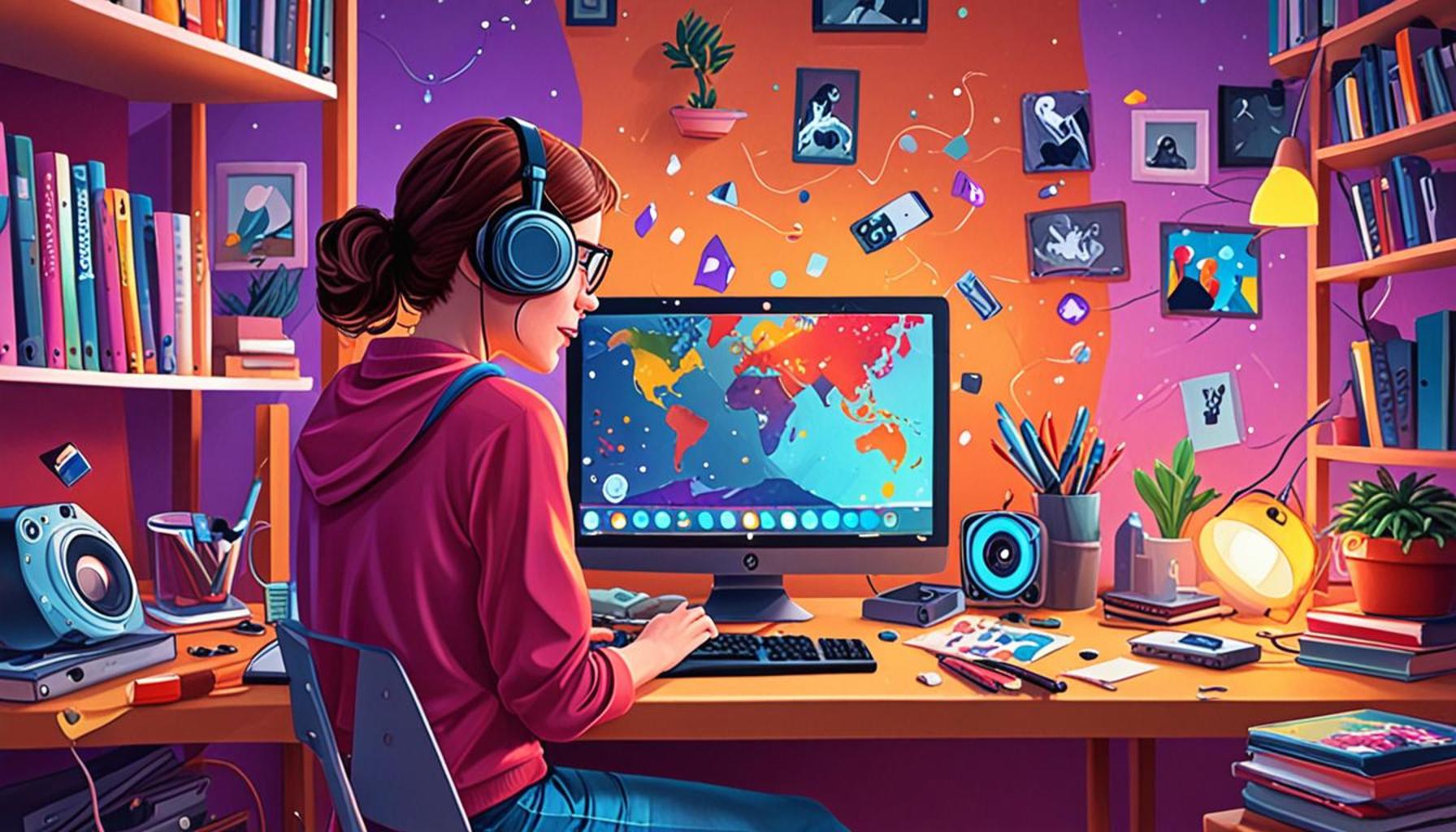
In an age driven by technology, educational approaches are rapidly evolving. Multimedia learning leverages the power of videos and interactive content, transforming traditional learning methods into engaging experiences. This shift not only captures attention but significantly enhances the process of skill acquisition. As our understanding of learning grows, so does the recognition of how multimedia tools can be harnessed for better educational outcomes.
Consider the following advantages of multimedia learning:
- Visual Engagement: Videos provide dynamic visuals that can simplify complex concepts. For example, a visual representation of the water cycle can help students grasp weather phenomena more intuitively than text alone. Animated graphics can illustrate abstract ideas in subjects like mathematics or science, making them more relatable and easier to understand.
- Active Participation: Interactive content encourages learners to actively participate rather than passively consume information. Tools such as quizzes, simulations, and interactive software promote critical thinking and problem-solving skills. For instance, platforms like Duolingo use game-like activities to keep language learners engaged, offering instant feedback and motivation.
- Enhanced Retention: Integrating various media types boosts information retention, making it easier to recall skills when needed. Research has shown that learners who engage with multimedia content are more likely to retain that knowledge long-term. The “dual coding theory” suggests that combining verbal and visual information can strengthen memory formation, further enhancing the learning experience.
Incorporating these elements into training and education can revolutionize how skills are taught and learned. For instance, platforms like YouTube and Khan Academy are leading the way by offering free access to quality multimedia resources. Learners can engage with content at their own pace, making opportunities for skill acquisition more accessible than ever, especially for those in underserved communities who may not have access to traditional educational resources.
Moreover, educators across the United States are increasingly integrating multimedia into their curricula. For example, district-wide initiatives in states like California and Texas encourage teachers to adopt blended learning environments that seamlessly combine online multimedia resources with face-to-face instruction. This model not only personalizes learning but also prepares students for the digital landscape they will encounter in future careers.
This article will explore how embracing multimedia learning not only optimizes resource utilization but also fosters a deeper understanding of skills, preparing learners for success in a college or career-ready landscape. Join us as we delve into the multifaceted world of multimedia education, uncovering innovative tools and practices that can transform learning experiences for learners of all ages.
DISCOVER MORE: Click here to unlock the secrets of accountability partners
The Role of Multimedia in Modern Learning Environments
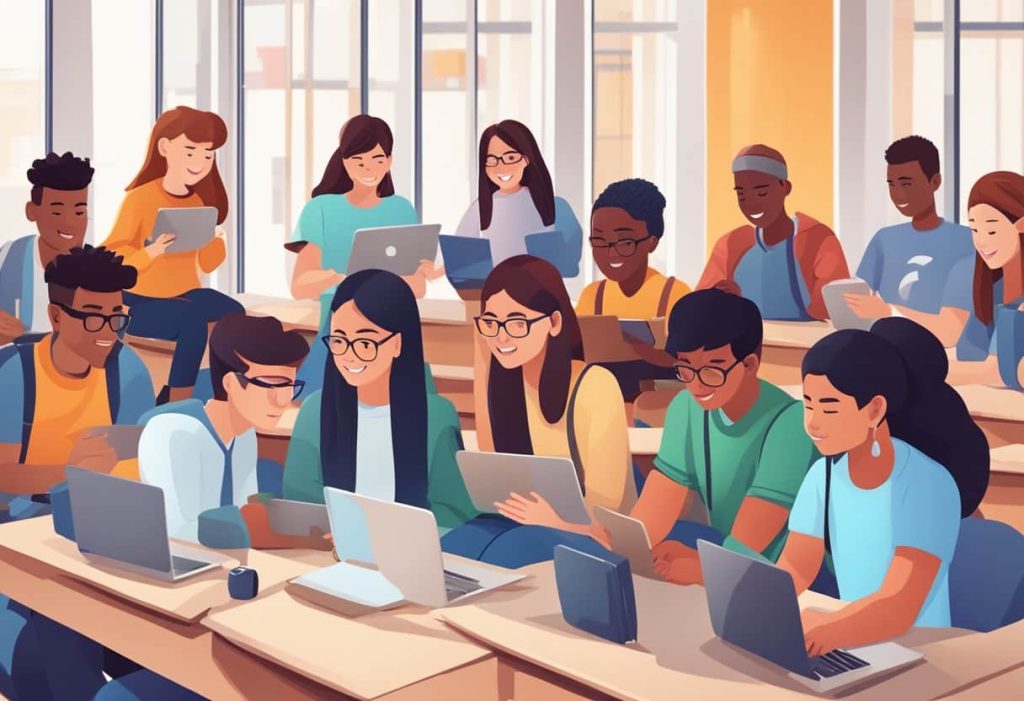
As educators and learners alike seek more effective ways to engage with content, multimedia learning has emerged at the forefront of educational innovation. This approach combines various forms of media—text, audio, visuals, and interactive elements—to create an immersive learning experience that caters to different learning styles. The rise of smartphones, tablets, and high-speed internet has made these resources more accessible than ever, enabling a shift towards self-directed learning where individuals can explore subjects at their own pace and convenience.
Recent studies reveal that using videos and interactive content can significantly improve learning outcomes. For instance, research conducted by the Pew Research Center indicates that nearly 85% of U.S. adults believe technology creates more opportunities for richer learning experiences. This technology allows learners to manipulate, experiment, and visualize information in ways that traditional methods simply cannot achieve. Here’s how integrating multimedia can transform the landscape of skill acquisition:
- Diverse Learning Modalities: Every learner has a unique way of processing information. Some may thrive on visual experiences, while others might prefer auditory or kinesthetic methods. Multimedia learning accommodates these different modalities, ensuring that all learners can access information in a format that resonates with them. For example, a student might grasp coding concepts through a combination of video tutorials, interactive coding challenges, and written documentation, facilitating a well-rounded understanding.
- Real-World Application: Videos often showcase real-world applications of skills, providing context that enhances comprehension. Platforms such as edX and Coursera offer courses featuring case studies, interviews, and demonstrations that ground theoretical knowledge in practice, motivating learners to apply their skills in tangible ways.
- Instant Feedback and Assessment: Interactive content provides immediate feedback, which is vital for effective learning. Tools like Kahoot! and Quizlet allow educators to gauge student understanding in real-time, enabling the adaptation of instructional strategies to meet learners’ needs. This immediate reinforcement helps solidify concepts and fosters an environment of continuous improvement.
As we further examine the intersection of multimedia tools and skill acquisition in educational settings, it becomes clear that the future of learning lies in how well we can leverage these multimedia resources. The potential to not only enhance understanding but also democratize education makes the case for widespread adoption compelling. Schools across the country are beginning to embrace this change, integrating multimedia elements into their curricula and establishing what has come to be known as 21st-century classrooms. This trend marks a significant shift towards engaging, comprehensive, and effective education for learners of all ages.
In exploring this new frontier, it is essential to consider both the challenges and opportunities that come with embracing multimedia learning. As technology continues to evolve, so must our strategies for teaching and learning, paving the way for a generation that is not just informed, but equipped with the skills necessary to thrive in an increasingly complex world.
Harnessing the Power of Multimedia Learning in Skill Acquisition
The integration of multimedia learning tools in educational frameworks has gained momentum, shaping how learners absorb and interact with information. Videos and interactive content serve as catalysts for this evolution, enabling a more dynamic approach to skill acquisition. This segment explores the multifaceted benefits that these media bring to the learning landscape and how they significantly enhance resource utilization.
One compelling advantage of using videos in education is their ability to convey complex concepts in a visually engaging manner. For instance, a short tutorial can break down intricate processes into digestible segments, allowing learners to grasp difficult subjects at their own pace. This on-demand accessibility ensures that learners can revisit material as needed, making mastery more achievable.
Interactive content, such as quizzes and simulations, offers active learning opportunities. Unlike traditional passive learning methods, this multimedia approach encourages students to engage directly with the material. For example, an interactive simulation relevant to a scientific experiment not only promotes understanding but also fosters critical thinking as learners make decisions and observe outcomes in a safe virtual environment.
Moreover, these multimedia elements cater to diverse learning styles, accommodating visual, auditory, and kinesthetic learners alike. This adaptability facilitates higher engagement levels, which are crucial for effective skill acquisition. By tapping into multiple sensory channels, educators can create more inclusive environments that reach every learner more effectively, ultimately leading to improved retention and application of knowledge.
As educational institutions and organizations begin to embrace multimedia learning, it becomes increasingly vital to explore how these tools can optimize resource utilization in skill development initiatives. From enhancing retention rates to promoting a more engaged learning experience, the integration of videos and interactive elements signifies a paradigm shift in effective teaching methodologies. The potential of multimedia to revolutionize education beckons further exploration into its implementation and best practices.
| Advantage | Description |
|---|---|
| Enhanced Understanding | Videos simplify complex concepts, allowing learners to grasp information effectively. |
| Active Engagement | Interactive content fosters hands-on learning, encouraging critical thinking and application. |
| Inclusivity | Accommodates various learning styles for a more comprehensive educational experience. |
| Retention Boost | Multimedia tools increase overall information retention and knowledge application. |
DISCOVER MORE: Click here to enhance your skills
Unlocking Creativity and Collaboration Through Multimedia Learning
In a world that increasingly values creativity and collaborative problem-solving, multimedia learning offers an ideal platform for nurturing these essential skills. As content becomes more interactive and engaging, learners are encouraged to not only consume information but to also create and collaborate. The incorporation of videos and other interactive content can lead to more dynamic learning experiences that benefit both individual and group endeavors.
For instance, learners are now able to utilize tools such as Canva or Prezi to create visually compelling presentations that integrate video clips, infographics, and other multimedia elements. This not only demonstrates their understanding of the subject matter but also enhances their ability to communicate ideas effectively. In turn, educators can facilitate group activities that require students to produce multimedia projects, encouraging them to work together and explore various perspectives. The collaborative nature of these tasks helps to develop teamwork skills, which are crucial in today’s workforce.
- Enhanced Engagement and Motivation: Multimedia content significantly increases engagement levels among learners. Studies suggest that incorporating videos into teaching can boost motivation, as students are more likely to be drawn to compelling imagery and dynamic presentations. The University of California, Los Angeles conducted research revealing that students who engaged with video content reported higher levels of interest and willingness to learn compared to traditional lecture-based formats.
- Personalized Learning Experience: The adaptability of multimedia tools allows for a customized approach to education. Learners can choose video lengths, types of interactive content, and the pace at which they navigate through resources. This self-pacing capability accommodates various skill levels and learning styles, providing a unique pathway for each individual. Educational platforms like Udemy and Khan Academy offer tailored learning paths across a plethora of subjects, allowing users to strategize their skill acquisition according to their personal goals.
- Visual Storytelling and Contextualization: The use of multimedia fosters visual storytelling, which is pivotal in skill acquisition. Videos often bring lessons to life, showing participants how concepts unfold in real-world scenarios. For example, tutorials demonstrating cooking techniques or musical instrument lessons use a combination of audio and video to illustrate intricate steps. This contextualization not only aids memory retention but also creates a narrative that keeps learners engaged.
Moreover, the ease of sharing multimedia content through social media platforms has revolutionized the way learning is disseminated. Educators and learners can share resources, insights, and projects globally, driving innovation and collaboration beyond geographic boundaries. The feedback loop created by shared experiences promotes a sense of community and can inspire others to pursue similar skills or interests. This highlights the potential of multimedia not just as a learning tool, but also as a catalyst for collective exploration and growth.
In examining the multifaceted benefits of multimedia learning, it becomes evident that we are only scratching the surface of its potential. As technological advancements continue to shape the educational landscape, embracing these diverse formats will be crucial for institutions seeking to cultivate an adaptable and skilled workforce ready to face the challenges of tomorrow.
DISCOVER MORE: Click here to learn how to enhance your self-learning journey
Concluding Thoughts on Multimedia Learning
In conclusion, embracing multimedia learning is not merely a trend; it is a transformative shift in how we approach education and skill acquisition. By integrating videos and interactive content into learning environments, educators can create dynamic and engaging experiences that cater to various learning preferences. The evidence is clear: enhanced engagement, personalized learning paths, and contextualized storytelling pave the way for deeper understanding and retention of knowledge.
Furthermore, the ability to collaborate on multimedia projects not only strengthens teamwork skills but also fosters a sense of community among learners. As digital platforms continue to evolve, the opportunities for skill acquisition will expand even further, bridging gaps in traditional education systems and allowing learners of all backgrounds to gain access to a wealth of knowledge.
As we navigate this multimedia landscape, it is essential for both learners and educators to remain curious and proactive in exploring the wealth of resources available. From online courses to interactive tutorials, the potential for growth is vast. Each new tool or platform can be viewed as a stepping stone towards developing crucial skills that meet the demands of a rapidly changing job market.
In a world where continuous learning is paramount, the integration of multimedia elements offers avenues for creativity and innovation that can significantly enhance our ability to adapt and excel. As we move forward, let us fully embrace multimedia learning and its capabilities, ensuring that we are not only consumers of knowledge but also innovators in our respective fields.