Developing a Personal Resource Library: Strategies for Curating Learning Materials for Self-Improvement
Unlocking Personal Growth Through a Resource Library
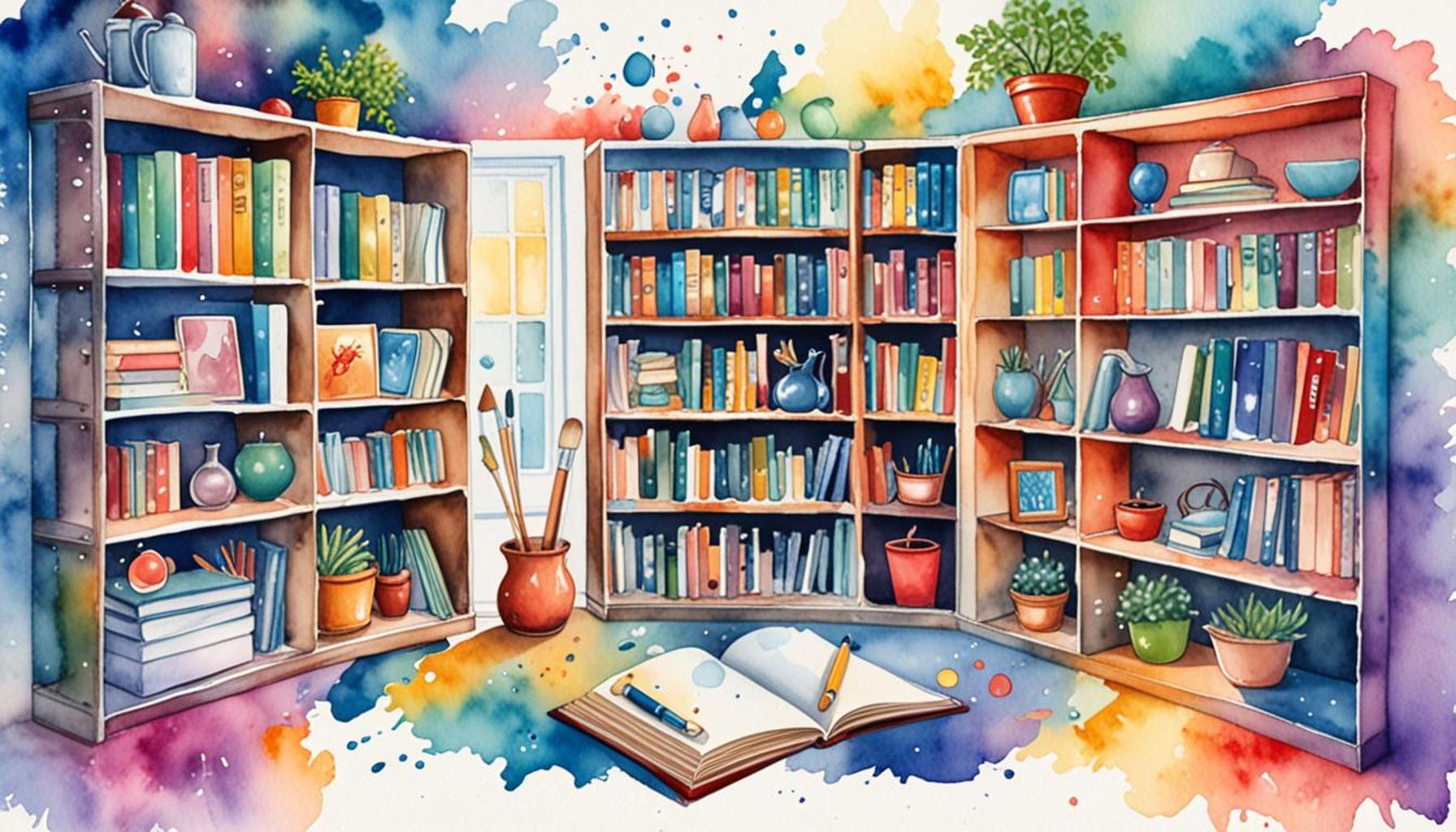
In a world overflowing with information, curating a personal resource library can serve as a vital tool for self-improvement. This library is not just a collection of books; it includes a variety of formats and materials that can enhance your knowledge and skills. Having access to diverse resources fosters a multifaceted approach to learning, allowing for exploration and discovery in a way that resonates with each individual.
Imagine having resources at your fingertips that cater to your interests and aspirations. A well-curated library equips you with:
- Books – Both fiction and non-fiction that inspire and educate. Classic novels like “To Kill a Mockingbird” can teach empathy and social justice, while self-help books like “Atomic Habits” provide practical strategies for better living.
- Online Courses – Platforms like Coursera, Udacity, or edX offer invaluable insights across various fields. You can take courses in data analysis, coding, or personal finance from top universities, making learning accessible without the constraints of traditional classroom settings.
- Podcasts – Engaging discussions on a myriad of topics from industry experts. For instance, podcasts like “How I Built This” provide entrepreneurial insights while “The Daily” keeps you updated on current events, allowing you to learn on the go.
- Articles and Journals – Keeping up with the latest trends in your field like Harvard Business Review or Psychology Today can enhance your professional knowledge. These articles often break down complex concepts into digestible insights suitable for all levels of expertise.
- Videos and Webinars – Visual content that makes learning dynamic and exciting. TED Talks are a prime example, offering thought-provoking ideas and strategies on diverse subjects from science to art, which can ignite your creativity and curiosity.
However, assembling this library requires strategic planning and curation. Thoughtful selection can lead to greater knowledge retention and application. For instance, instead of gathering resources haphazardly, take the time to evaluate materials based on your learning goals and personal interests. Engaging with a varied selection of resources not only shapes your understanding but also motivates you to pursue new challenges. Consider how you learn best—are you a visual learner, or do you prefer comprehensive reading? Tailoring your library to suit your learning style will yield better results.
As you embark on this journey of creating your personal resource library, consider who you want to become. The resources you choose will play a pivotal role in paving your path towards lifelong learning and self-improvement. Whether you aspire to be an expert in your field, a well-rounded individual, or an inspirational figure, your curated library will serve as a constant companion in your quest for knowledge and growth. Start today; explore local libraries, online platforms, and community workshops to discover the materials that resonate with your personal journey.
DIVE DEEPER: Click here to uncover the Feynman Technique
Creating a Foundation for Lifelong Learning
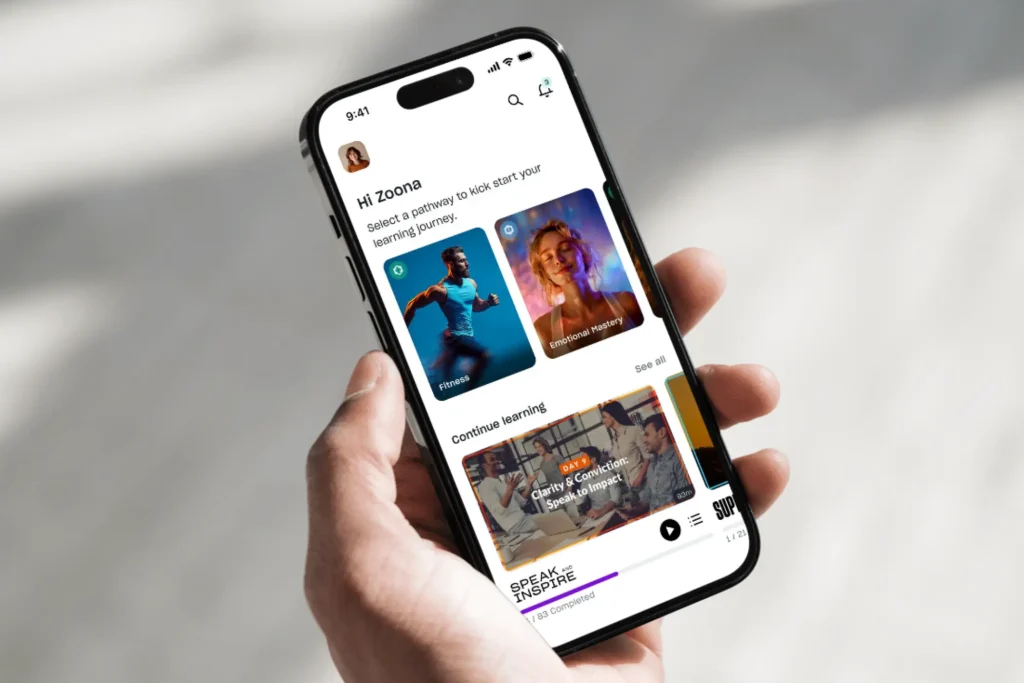
Building a personal resource library starts with identifying your learning objectives and aspirations. This process requires introspection and an understanding of the areas you wish to explore or improve. Begin by conducting a thorough self-assessment, mapping out skills you want to acquire and knowledge gaps you aim to fill. This foundational step will guide your resource selection and ensure that every addition to your library serves a purpose in your learning journey.
Once you have established your objectives, the next step is to sift through the wealth of available materials. The digital age has democratized access to information, making it easier than ever to find resources tailored to your needs. Here are several strategies to effectively curate your library:
- Utilize Online Platforms: Websites like GoodReads or LibraryThing can help track your reading and discover new materials based on your interests. These platforms also contain user reviews and recommendations that can shed light on what others have found valuable.
- Engage with Professional Networks: Joining platforms such as LinkedIn or attending industry-related conferences can open the door to webinars and workshops hosted by experts. Networking not only provides access to exclusive resources but also offers insight into industry trends and knowledge.
- Follow Thought Leaders: Subscribe to blogs, social media accounts, or newsletters from influential figures in your fields of interest. Their curated content often serves as a lens through which you can explore complex subjects and stay updated on relevant resources.
Another critical aspect of curating your resource library is the importance of diversifying your sources. Engaging with a range of formats enhances understanding and retention, ultimately making the learning process more engaging. For instance, if your goal is to learn about financial literacy, explore traditional books on the subject, participate in online interactive courses, and listen to podcasts that bring in perspectives from various finance professionals.
Setting a Routine for engaging with your resource library is equally significant. Consistency is key to making the most of your curated materials. Dedicate specific times during the week to read, watch, or listen to content from your library. Creating a schedule not only instills discipline but also evolves your learning habits into a rewarding routine.
As you delve deeper into your curated resources, don’t hesitate to evolve your library to reflect your growing interests and changing objectives. Continuous evaluation of the materials you are engaging with will ensure that your library remains relevant and enriching. A dynamic personal resource library is essential for fostering an adaptable mindset that is responsive to new challenges and opportunities.
Ultimately, remember that developing a personal resource library is not just about collecting materials—it’s about crafting a tailored learning experience that supports your journey towards self-improvement and personal growth.
Strategies for Curating Learning Materials
Creating a personal resource library is more than just gathering materials; it involves a thoughtful approach to curation that aligns with your learning goals. This section presents several effective strategies to help you curate quality content for your self-improvement journey.
1. Identify Your Learning Objectives
Begin by clarifying your specific learning objectives. Consider asking yourself questions such as: What skills do I want to develop? What knowledge gaps do I aim to fill? By identifying clear, targeted objectives, you can streamline the process of selecting materials that are not only relevant but will also add value to your library.
2. Diversify Your Sources
It is crucial to source materials from a variety of platforms. This includes books, podcasts, online courses, articles, and videos. Each medium offers unique strengths: for example, books can provide in-depth knowledge, while podcasts may offer fresh perspectives in a more digestible format. A diversified selection enhances your understanding and keeps you engaged.
3. Assess Quality and Credibility
When curating resources, ensure they come from credible authors or institutions. Consider their expertise, the depth of their content, and any reviews or testimonials. High-quality resources not only enhance your learning experience but also build your trust in the material, making it more likely that you will return to it for future reference.
4. Create a System for Organization
Establish an efficient organization system tailored to your preferences. You can categorize materials by topic, difficulty level, or format. Tools like digital libraries, bookmarking sites, and note-taking applications can help organize your collection, making it accessible whenever you need to refer to them. Moreover, it saves you time and effort in your ongoing learning process.
5. Regularly Update Your Library
Self-improvement is an evolving journey; hence, your personal resource library should be dynamic as well. Set a schedule for reviewing and updating your materials to ensure that they remain relevant and incorporate new findings or developments in your areas of interest. This practice keeps your learning fresh and prevents stagnation.
6. Engage with the Community
Joining forums or groups focused on your learning interests can provide insights into valuable resources others have found. These communities often share recommendations and reviews, allowing you to discover materials that you might not have encountered otherwise. Engaging with like-minded individuals enriches your learning experience and adds a collaborative element to your journey.By implementing these strategies, you can effectively curate a personal resource library that not only supports continuous learning but also caters to your specific self-improvement needs. The curation process is an ongoing journey that adapts to your growth and aspirations, enhancing your ability to learn independently.
| Category | Key Features |
|---|---|
| Audience Engagement | Focus on building a community to discuss valuable resources and insights. |
| Content Diversity | Incorporate various formats such as podcasts, videos, and articles to enhance learning. |
| Regular Updates | Ensure materials remain relevant through regular reviews and updates. |
By keeping these principles in mind, you can craft a personal resource library that not only supports your growth but also excites and motivates you on your journey of self-improvement.
DIVE DEEPER: Click here to discover more
Incorporating Diverse Learning Approaches
As you curate your personal resource library, the approach to learning should extend beyond traditional formats. Engaging with materials from various angles enhances comprehension and encourages critical thinking. For instance, while reading books provides a solid foundation, integrating multimedia resources can ignite inspiration and foster a deeper understanding of complex themes.
Consider incorporating interactive online courses from platforms like Coursera or Udemy. These courses often feature engaging video content, quizzes, and discussion forums that foster community learning. This interactive element not only keeps learners motivated but allows for real-time application of concepts, reinforcing knowledge retention. Don’t overlook the value of hands-on experiences; participating in workshops or local meetups can provide practical insights and allow you to network with like-minded individuals.
Podcasts have surged in popularity, making them an increasingly valuable resource for self-improvement. With a wide array of subjects available, from personal finance to mental health, podcasts offer accessible information that can be consumed during commutes or while exercising. Subscribing to a few thought-provoking series can supplement your reading and provide diverse perspectives, thus rounding out your understanding of key topics.
Furthermore, documentaries and TED Talks offer visual storytelling that can illuminate complex issues and inspire new ideas. Platforms like Netflix or YouTube house a plethora of documentaries on personal development, societal issues, and cutting-edge research. These resources appeal not only to the visual learner but can also serve as conversation starters, ensuring that the ideas you encounter permeate your daily discussions.
As you fine-tune your library, consider the inclusion of specialized academic journals and articles. Platforms like JSTOR and Google Scholar provide access to peer-reviewed research that can deepen your understanding of your chosen subjects. Engaging with scholarly work can elevate your learning experience by exposing you to the latest developments and methodologies in your fields of interest.
Establishing a Knowledge-Sharing System
An essential aspect of maintaining your personal resource library is the creation of a knowledge-sharing system. As you consume materials, it is beneficial to document key takeaways, insights, or strategies that resonate with you. This could be through a digital note-taking application, such as Evernote or Notion, or even in a physical journal.
Engaging in reflective practice by summarizing what you’ve learned not only consolidates the information but also allows you to revisit and refresh your knowledge later. Create tags or categories that align with your learning objectives, enabling you to quickly access materials when needed. If you have a group of friends or colleagues who are also committed to self-improvement, consider organizing virtual study groups where you can share findings, discuss new insights, and offer each other support on your respective journeys.
Leveraging technology can also enhance this sharing process. Tools like Google Drive or Dropbox allow you to share curated content with others, enabling collaborative learning experiences. The power of community learning should never be underestimated; engaging with peers may spark new ideas and enhance your overall understanding while building lasting relationships.
By diversifying your learning methods and establishing an effective knowledge-sharing system, you will not only enrich your personal resource library but also cultivate an environment that fosters continual growth and self-improvement.
DIVE DEEPER: Click here to unlock the secrets of a growth mindset
Conclusion: Empowering Your Journey of Self-Improvement
In conclusion, the journey of developing a personal resource library is a dynamic and ongoing process that can significantly enhance your self-improvement efforts. By embracing a variety of learning formats—from interactive online courses to enriching podcast series and enlightening documentaries—you create a well-rounded library that resonates with multiple learning styles. This diversity not only enriches your understanding of complex subjects but also makes the process of learning more engaging and enjoyable.
Moreover, establishing a robust knowledge-sharing system empowers you to reflect on and retain the insights gained from your materials. Whether utilizing digital tools or collaborating with peers through study groups, sharing your learning experiences can foster a sense of community and open new avenues for discussions. This collaborative aspect underscores the importance of not learning in isolation but rather as part of a larger tapestry of shared knowledge.
As you curate your personal resource library, consider it an evolving tool—one that adapts to your interests, goals, and the ever-changing landscape of knowledge. By continuously seeking out new resources and approaches, you keep your library fresh and aligned with your self-improvement journey. Remember, each resource you add serves not just as material to read or watch but as a stepping stone towards deeper understanding and meaningful growth.
Ultimately, the strategies outlined in this article are designed to inspire you to take charge of your learning path. So gather your materials, embark on new learning experiences, and watch as your personal resource library transforms your journey of self-improvement into an enriching and fulfilling pursuit.