Networking and Collaboration: Using Communities as Resources for Self-Learning
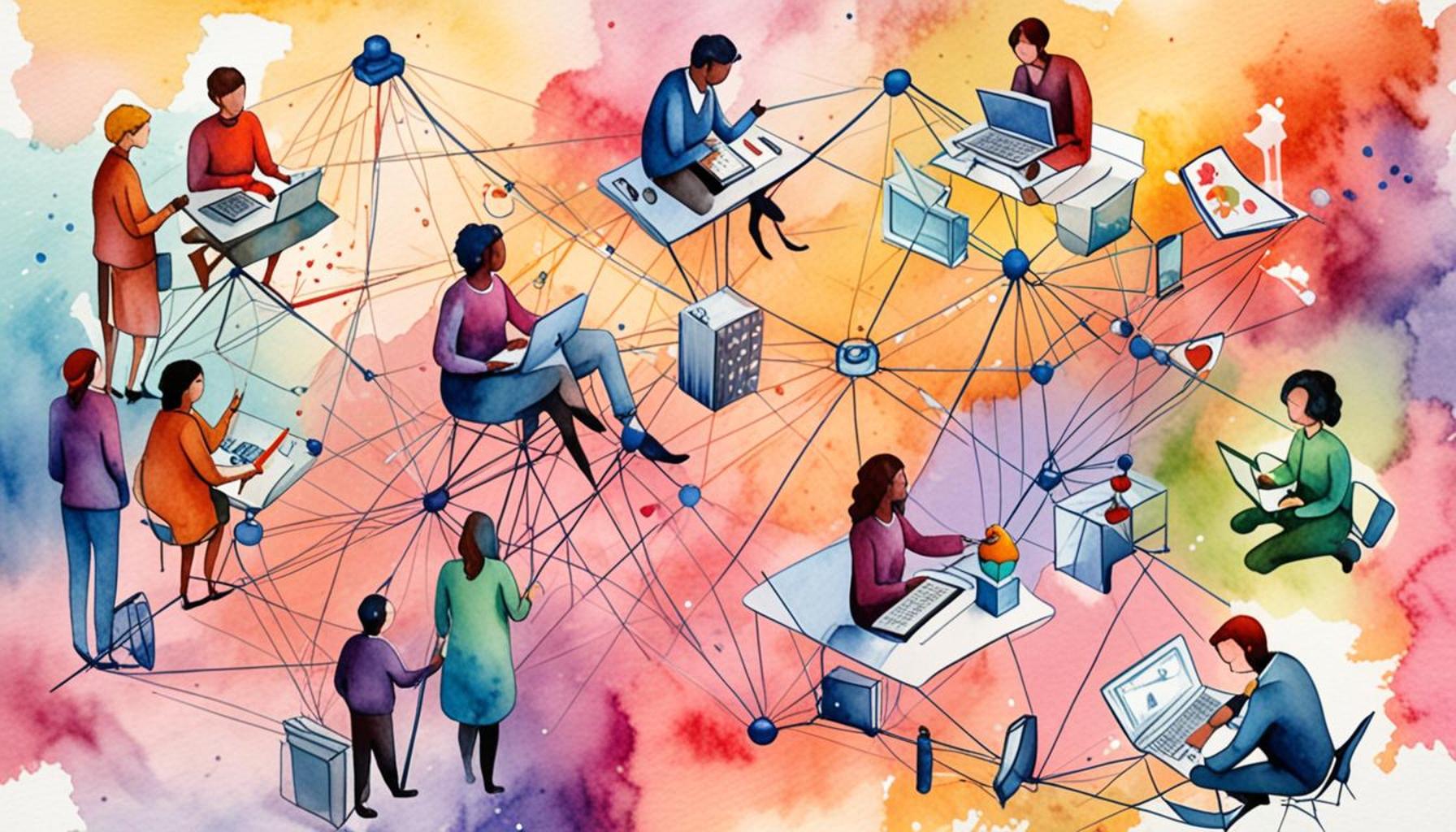
The Transformative Role of Community Engagement
In today’s fast-paced world, networking and collaboration have become essential tools for personal and professional development. Individuals are increasingly recognizing that the path to success often lies not just in solitary endeavors but in the power of collective engagement. With the rise of digital platforms and local groups, accessing a wealth of knowledge and experience from others is now more convenient than ever. Communities serve not only as vibrant social hubs but also as invaluable resources for self-learning.
Imagine a space where individuals freely share their ideas, mentor one another, and foster growth through collective expertise. Such communities can take many forms, including:
- Online forums and discussion boards, such as Reddit or specialized platforms like Stack Overflow, where specialists in various fields share insights and solutions.
- Local meetups and workshops offered through sites like Meetup.com, where enthusiasts gather to learn new skills, share interests, and network.
- Professional associations and networks, like the American Marketing Association (AMA), which provide resources, certifications, and connections within specific industries.
Engaging with these groups offers unique benefits that can significantly enhance one’s growth journey, such as:
- Access to diverse viewpoints and experiences, which can challenge preconceived notions and provide fresh perspectives.
- Opportunities for hands-on learning through collaboration, allowing members to engage in projects or group discussions that enrich practical skills.
- Expanded professional networks that can lead to partnerships, job opportunities, and potential mentorships, effectively bridging gaps in knowledge and experience.
The blending of networking and collaboration not only enriches the self-learning experience but also cultivates a sense of belonging. For instance, members of a local coding bootcamp might work together not only on technical skills but also on building camaraderie, which can lead to lifelong friendships and professional connections. By tapping into community resources, learners can enhance their skills, stay updated on industry trends, and inspire others on similar journeys.
Moreover, participating in these communal networks can foster motivation and accountability among peers. Groups like Toastmasters, for instance, focus on public speaking and leadership development, where the practice environment encourages individuals to face their fears alongside like-minded members. This shared journey of learning and improvement is what makes community engagement such a powerful engine for personal and professional growth.

As we continue to explore how to effectively leverage these opportunities for continuous growth, it becomes evident that actively participating in communities can unlock doors to knowledge and connections that might remain closed otherwise. The future of learning is not just about acquiring information individually; it’s about collaborating and sharing experiences to thrive in a complex world.
DISCOVER MORE: Click here to dive deeper into the Pomodoro Technique
Unlocking Knowledge Through Community Connections
The essence of networking and collaboration lies in the idea that people can learn from one another to achieve greater goals. Communities act as powerful catalysts for self-learning by integrating various perspectives and expertise, creating a rich tapestry of knowledge that individuals can tap into. As the modern learner navigates a landscape filled with information, these communities become essential for fostering growth and innovation.
One of the most remarkable aspects of community-driven learning is the availability of resources that individuals might not have access to in isolation. Through active participation, members can gain insight into emerging trends, share practical experiences, and refine their skills. Notably, studies have shown that collaborative learning environments can enhance retention rates and increase overall understanding. Here are some valuable ways communities contribute to self-learning:
- Knowledge Exchange: Members can offer their expertise while simultaneously seeking advice from others. This reciprocal nature ensures a well-rounded grasp of complex topics.
- Real-World Applications: Communities often tackle projects that simulate real-world scenarios, allowing participants to apply theoretical knowledge in practical settings.
- Resource Sharing: Individuals can share books, articles, and online courses tailored to specific interests or industry needs, broadening the learning toolkit available within the group.
Furthermore, engaging in community activities encourages members to step out of their comfort zones. Events such as hackathons, workshops, and collaboration projects provide opportunities for individuals to learn new skills while working alongside others. These experiences not only foster a sense of collaboration but also build confidence, as participants see their abilities evolve in a supportive environment. For example, tech enthusiasts participating in local coding events have witnessed significant improvements in their programming skills while creating meaningful connections with peers.
Additionally, the role of mentorship within communities cannot be overstated. Senior members often guide newcomers, sharing insights from their journeys and offering constructive feedback. This dynamic not only enhances learning opportunities but also builds a culture of giving back. Networking through communities allows individuals to explore potential mentorships that extend far beyond knowledge sharing; it evolves into a support system that nurtures professional growth and personal development.
As individuals engage with others in their respective fields, the possibilities for advancement multiply. For instance, art and design communities often host collaborative projects that allow creatives to expand their portfolios while receiving constructive critiques from peers. These interactions can lead to job referrals and partnerships, showcasing the tangible benefits of networking through communities.
In this interconnected age, where knowledge is ever-expanding, it is evident that relying solely on traditional learning methods may not suffice. Instead, becoming an active member of a community empowers individuals to explore new horizons, gain diverse insights, and cultivate an enriching environment for self-learning. With each interaction comes the potential for growth—making engagement in communities an invaluable resource for those looking to thrive.
| Advantages | Benefits |
|---|---|
| Access to Diverse Knowledge | Engaging with various community members enriches the learning experience through varied perspectives and expertise. |
| Enhanced Skill Development | Collaborating with others fosters an environment where practical skills can be shared and honed collectively. |
| Motivation and Accountability | Being part of a community encourages members to remain focused and committed to their self-learning goals. |
| Networking Opportunities | Communities provide channels for creating professional relationships that can lead to new opportunities. |
The synergy of networking and collaboration within self-learning communities enhances the overall educational experience. Such groups not only facilitate the acquisition of new knowledge but also inspire their members to take learning seriously through mutual support. Importantly, they serve as a platform for real-world problem-solving, where learners can seek advice, share successes, and troubleshoot challenges together. Furthermore, the intrinsic motivation produced by fellow community members can lead to transformational personal and professional growth, making engagement in these networks a compelling choice for lifelong learners. Exploring how to effectively leverage such communities can unlock significant advantages for skill development and personal fulfillment.
DIVE DEEPER: Click here to learn about the Pomodoro Technique
The Dynamics of Online and Offline Learning Communities
As technology continues to evolve, the landscape of networking and collaboration has transformed significantly, allowing for the emergence of both online and offline learning communities. The digital age has introduced platforms such as LinkedIn, Meetup, and various forums where individuals can connect with like-minded peers and industry professionals from around the globe. These virtual spaces, equipped with advanced collaboration tools, enable members to participate in discussions, share resources, and develop skills in real time, regardless of geographical barriers.
For instance, platforms like Discord and Slack have become popular among various professional and hobbyist communities, fostering an engaging environment for networking and collective growth. In these virtual settings, individuals can join specialized channels that align with their interests, whether it’s programming, entrepreneurship, or creative writing. This convenience allows users to access a diverse population of experts and enthusiasts who offer insights that could otherwise take years to acquire through conventional means.
Moreover, the flexibility of online learning communities allows for the rich integration of various multimedia resources. Members often share video tutorials, podcasts, and live webinars, creating a dynamic environment that accommodates different learning styles. A prime example can be captured within the expansive coding community, where developers frequently share “live coding” sessions on platforms like Twitch. These experiences not only provide immediate opportunities for self-learning but also showcase problem-solving techniques in action.
On the other hand, offline communities, such as local interest groups and professional associations, offer invaluable face-to-face networking opportunities that are crucial for building deeper connections. Events like trade shows, conferences, and workshops serve as excellent platforms for individuals to expand their networks while engaging in hands-on learning. For example, photography enthusiasts who join local clubs often attend group outings, where they apply their skills in practical settings and receive live feedback from peers, fostering both community spirit and professional growth.
It’s essential to recognize that effective networking within these communities often hinges on the willingness of individuals to share experiences and engage actively. This exchange cultivates an environment where knowledge is not just disseminated but deliberately crafted through collaboration. An empowering approach to self-learning emerges when members contribute their unique insights, leading to collaborative projects that showcase the strengths of each participant.
The fusion of diverse ideas enables participants to challenge conventional thinking, thereby inspiring innovation. For instance, collaborative contests hosted by communities encourage participants to tackle real-world problems. Hackathons and design sprints often result in creative solutions and prototypes that showcase the potential of teamwork in generating groundbreaking ideas.
Additionally, networking within communities allows individuals to keep pace with industry trends and skill demands by fostering ongoing dialogues on relevant topics. For example, the advent of artificial intelligence has ignited discussions across tech forums, with members regularly sharing articles, research, and insights about new developments. This continuous flow of information not only keeps participants informed but also empowers them to adapt their learning journeys to remain competitive.
The synergy created through collaboration and networking thus underscores the invaluable role of communities in enhancing the self-learning experience. As individuals take part in both online and offline interactions, they not only broaden their knowledge horizons but also forge connections that can prove beneficial throughout their careers. By leveraging these dynamic collaborative spaces, learners become part of a thriving ecosystem that prioritizes shared knowledge, personal growth, and collective success.
DIVE DEEPER: Click here to uncover the benefits of accountability partners
Embracing Community for Lifelong Learning
In conclusion, the importance of networking and collaboration through communities as catalysts for self-learning cannot be overstated. Whether online or offline, these communities serve as vital resources, providing access to diverse perspectives, collective wisdom, and specialized knowledge that enrich the learning experience. The adaptability offered by online platforms promotes continuous engagement, where members not only learn from each other but also contribute their expertise, effectively creating a cycle of knowledge-sharing that transcends traditional educational boundaries.
Moreover, the dynamic interactions found in local meetups and professional gatherings foster deeper connections and practical learning experiences, essential for personal and professional growth. As learners immerse themselves in these environments, they gain insights that extend beyond the classroom, preparing them to adapt in a rapidly evolving job market. Networking within these communities not only keeps individuals informed on the latest trends and tools but also encourages innovation through collaborative problem-solving.
Ultimately, as individuals harness the power of community-driven learning, they become equipped to navigate the complexities of their fields. The commitment to engage with others not only enhances their skills but also creates a supportive ecosystem aimed at nurturing talent and ambition. Therefore, investing time in building these connections is crucial for anyone seeking to invest in their lifelong learning journey. The future of self-learning is undeniably rooted in the vibrant, collaborative landscapes forged by communities, paving the way for a more knowledgeable and interconnected society.