How Pets Can Encourage Healthy Social Interactions and Improve Human Relationships
Understanding the Role of Pets in Fostering Human Connections
In today’s fast-paced world, establishing meaningful relationships can feel like a daunting task. However, furry companions like dogs and cats often become the unsung heroes in fostering healthier social interactions. These beloved pets not only offer unconditional love but also serve as catalysts for connecting with others, enhancing our emotional well-being and broadening our social circles.
Consider the following ways pets enrich our social lives:
- Social Icebreakers: Pets are natural conversation starters, helping to bridge the gap between strangers. For instance, a simple walk in the park with your dog can lead to casual exchanges with fellow dog owners, facilitating friendships that might not have occurred otherwise. A dog’s playful antics or a cat’s charming demeanor can evoke laughter and shared stories, making it easier to strike up a conversation.
- Shared Interests: Owning a pet increases opportunities to meet others with similar interests. Whether through dog parks, pet-friendly cafes, or community events like dog shows or adoption days, pet owners frequently gather to share experiences, advice, and companionship. These shared interests often lay the groundwork for deeper connections, leading to friendships that extend beyond their pets.
- Emotional Support: Pets provide comfort in stressful situations, which can lead to more open and honest communication among individuals. For example, after a long day at work, coming home to a wagging tail or a soft purr can significantly reduce stress and set a positive tone for interactions with family and friends, enhancing overall emotional resilience.
Moreover, studies suggest that pet ownership correlates with lower levels of loneliness. According to research by the Human-Animal Bond Research Institute, pet owners report feeling less isolated and more socially engaged, as pets provide a sense of purpose and companionship. This companionship can enhance our emotional well-being, making it easier to form and maintain relationships. Imagine the enriching experiences and friendships that blossom through shared strolls in the park or casual chats about pet care. Perhaps the exchange of tips on training techniques or recommendations for local groomers can turn a brief encounter into a lasting friendship.
As we delve deeper into the impact of pets on human relationships, we uncover insights that could inspire us to strengthen our social networks. Understanding the profound ways pets influence our interactions can lead to a more connected society. From fostering empathy to nurturing connections across generations, it is evident that the bond between pets and humans plays a critical role in socializing and enhancing the human experience.
The Social Benefits of Pet Ownership
Pets have an innate ability to diminish social barriers, creating environments that promote healthy interactions among individuals. One key aspect of this influence is their role in forging common grounds among diverse groups of people. The act of pet ownership presents an opportunity for shared experiences and mutual interests, which can transform acquaintances into friendships.
Furthermore, having a pet can enrich one’s social skills in several ways:
- Facilitating Community Connections: Many communities have resources dedicated to pet owners, including training workshops, pet-friendly events, and volunteer opportunities at local shelters. Engaging in these activities can spotlight neighborhood bonds, as residents come together to celebrate their pet-centric interests. For example, attending a local dog park often leads to spontaneous gatherings where people mingle, share pet ownership tips, and even plan future meet-ups, all of which help to cultivate a sense of belonging and community.
- Encouraging Empathy and Compassion: The responsibilities of pet ownership naturally nurture qualities like empathy and patience. When individuals care for pets, they learn to read their animals’ cues, whether it’s recognizing when a dog is anxious or understanding when a cat seeks affection. This practice of “tuning in” can translate into improved interactions with people as it fosters a greater awareness of others’ emotions and needs. This heightened emotional intelligence often enhances relationships, making interactions more meaningful and fulfilling.
- Building Family Bonds: Pets often serve as a shared investment for families, creating common goals and experiences. Whether it involves training the family dog together, taking turns with feeding responsibilities, or simply enjoying playtime, these tasks can bring family members closer. Engaging in pet care as a collective endeavor fosters cooperation and teamwork, which can bolster family dynamics and improve overall unity.
Additionally, studies reveal significant insights into the connection between pets and social fulfillment. A study published in the journal *Society and Animals* found that pet owners are often more socially engaged and report higher levels of happiness and reduced feelings of loneliness. The companionship that pets provide leads to increased accessibility to new social circles, which is especially important in a society where urbanization can often lead to feelings of isolation. Engaging conversations that start around pets can build a strong foundation for deeper social interactions and collaborations, paving the way for lasting friendships.
As we explore the multifaceted relationship between pets and social engagement, it becomes clearer that these furry beings are not just companions; they are integral to enhancing our social lives. Recognizing this advantage can serve as a stepping stone for individuals looking to build relationships and foster a sense of community, whether through shared activities or emotional exchanges that occur in the company of a beloved pet.
The influence of pets on fostering healthy social interactions and enhancing human relationships is gaining significant attention. With more people adopting pets, especially in urban areas, these creatures are becoming invaluable members of our communities and families. This article delves into how pets not only provide companionship but also act as social catalysts, helping individuals build connections with others.
One fundamental aspect is the psychological benefits that pets offer. Studies show that pet ownership can lead to reduced levels of loneliness and depression. For instance, individuals who have pets often engage more readily with other pet owners, offering natural opportunities for conversations and socializing. Whether it’s a dog park meet-up or a casual chat about pet care tips, these interactions can evolve into lasting friendships.
Pets also encourage individuals to engage in activities that foster social bonds. Walking a dog, for example, not only keeps the owner active but also presents opportunities to meet neighbors or other dog lovers. This simple act can lead to increased communication and shared experiences, which are essential for developing deeper human connections. Moreover, support from others who are experiencing similar pet-related challenges can create a strong community atmosphere.
For many, pets can serve as a bridge between cultures and backgrounds. They often create common ground for diverse groups, fostering empathy and understanding among individuals who might otherwise find it hard to connect. In this way, pets contribute to building more inclusive communities, enriching our lives through the relationships they help forge. The love and loyalty exhibited by pets can be a powerful reminder of the essence of companionship, urging us to reach out and form connections with one another.
| Category | Description |
|---|---|
| Social Comfort | Pets create a sense of comfort in social settings, helping to ease anxiety and facilitate conversations. |
| Community Engagement | Shared pet ownership often leads to community events, fostering deeper relationships among neighbors. |
As we explore the profound ways in which pets enrich our lives, it’s clear that they are more than mere companions; they are vital agents of social change, encouraging positive interactions that enhance our human experience.
Strengthening Human Connections Through Shared Pet Experiences
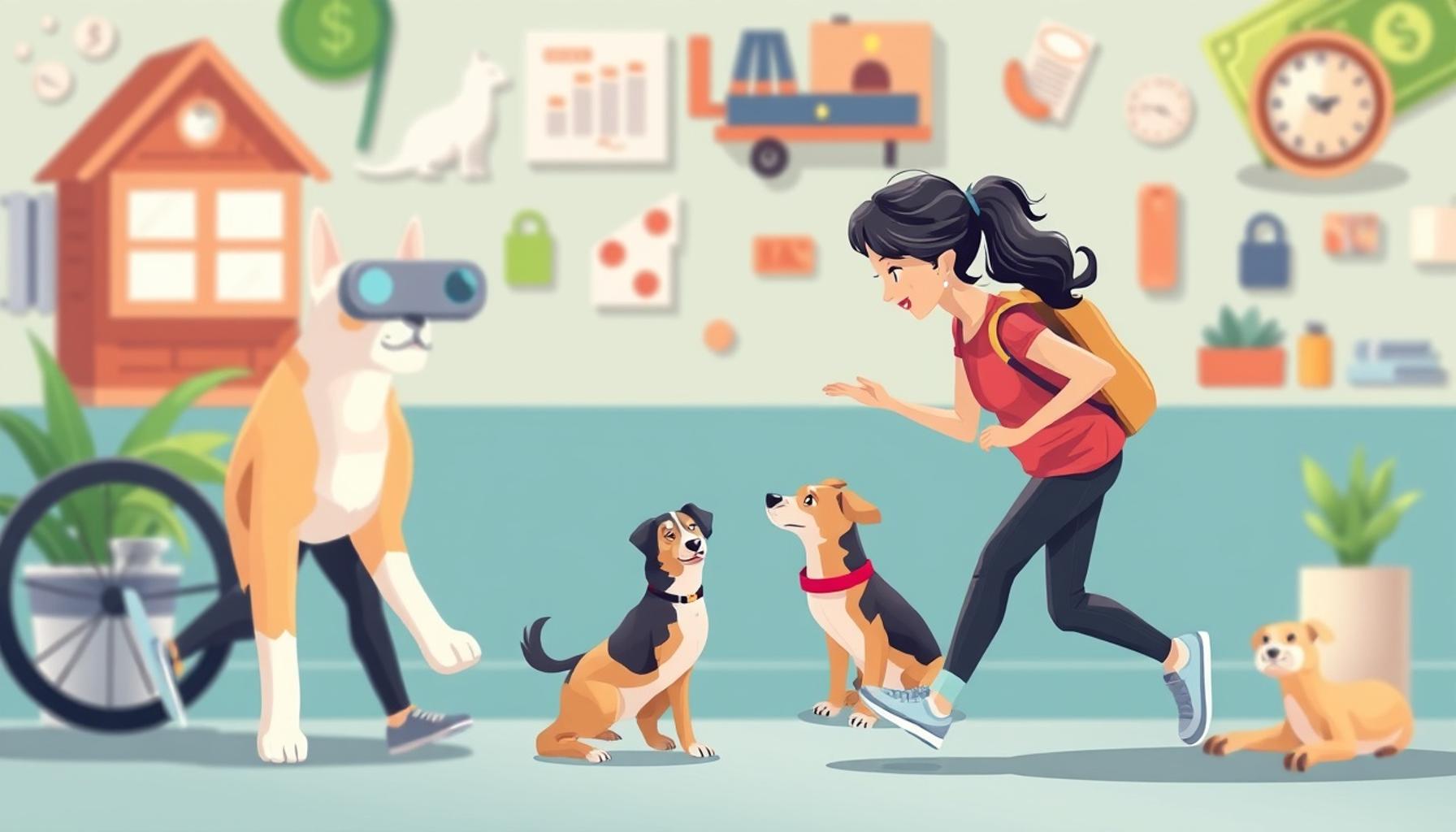
One of the remarkable effects of pet ownership is its capacity to create shared experiences that enhance human connections. This phenomenon is particularly evident in settings such as dog parks, where pet owners gather, allowing conversations and friendships to blossom spontaneously. A simple act of dog-walking often leads to socializing, with pet owners sharing stories and advice about training techniques, pet behavior, or health tips, which cultivates trust and camaraderie. Such settings break social ice and facilitate introductions, allowing individuals to connect over their mutual love for animals.
Research has also shown that pets can serve as social catalysts. According to a study from the University of Western Australia, individuals with pets tend to initiate conversations more frequently, as pets draw attention and provide an immediate topic for discussion. For instance, a person may comment on a dog’s playful antics or ask about the breed, creating a natural segue into a deeper conversation. This interaction can be particularly beneficial for those experiencing social anxiety or those who struggle to engage in typical small talk.
Moreover, pets can play a crucial role in supporting mental well-being, which in turn promotes healthier relationships. They are often seen as a source of unconditional love and companionship, helping to mitigate feelings of loneliness or depression. The bond formed between humans and pets can lead to improved mood and emotional resilience. This positive energy can translate into more effective interactions with others, as individuals are more likely to approach social situations with a sense of openness and positivity when they feel emotionally secure. A happy pet owner is more sociable, which ultimately enriches their relationships with others.
Another vital element is the intergenerational bonding that pets can promote. For families with children and elderly members, pets can bridge the age gap by providing common ground that encourages family members to interact with one another. Activities like playing fetch in the backyard or going for a leisurely walk with a family pet allow different generations to engage in shared enjoyment, fostering understanding and compassion. For example, grandparents may form strong emotional connections with grandchildren while caring for a pet together, creating lasting memories and bonds that might have lagged otherwise.
The societal impact of pets extends beyond individual relationships into community engagement. Initiatives such as therapy animals and emotional support pets have gained popularity, as they not only provide comfort to their owners but also facilitate social interaction in community settings. Hospitals, nursing homes, and schools increasingly employ therapy animals to enhance communal well-being. These interactions foster a sense of unity and shared purpose in communities where residents often come from diverse backgrounds, reducing stigma and promoting inclusivity.
Furthermore, pet-related organizations play a significant role in promoting social good. Groups such as the American Kennel Club and local rescue groups actively organize events like charity walks and adoption drives, which gather people from various backgrounds and motivate them to work towards common goals. Participation in these events leads to networking opportunities, new friendships, and deeper connections rooted in shared values, further illustrating how pets serve as powerful social enhancers.
As we delve deeper into the intricate web of human-animal relationships, it becomes increasingly evident that pets are invaluable allies in fostering social connections, creating supportive networks, and enriching our collective lives. Understanding and embracing this connection can open up pathways to enhancing our social interactions and cultivating thriving communities.
Conclusion: Embracing the Social Benefits of Pet Ownership
In conclusion, the profound impact that pets have in fostering healthy social interactions and enhancing human relationships cannot be overstated. From encouraging spontaneous conversations at dog parks to serving as integral parts of intergenerational bonding, pets provide a unique avenue for individuals to connect and build lasting relationships. The research aligns with these observations, indicating that pets not only help in overcoming social barriers but also serve as social catalysts that promote engagement and inclusivity.
This dynamic extends beyond personal connections to community engagement as well. Initiatives involving therapy animals and outreach programs cultivate a sense of belonging among diverse populations. By participating in pet-related events and community activities, individuals can find common ground and establish networks rooted in shared passions, thereby enriching their social fabric.
Moreover, the emotional support pets provide significantly contributes to individual well-being, fostering a positive outlook that in turn enhances interpersonal interactions. When individuals feel secure and supported, they are more inclined to engage with others, creating a ripple effect of social positivity. Ultimately, understanding the intricate connections between pets and social dynamics opens doors to not only improving personal relationships but also cultivating community cohesion. As we continue to navigate the ever-evolving landscape of human relationships, embracing the role of pets as our companions could hold the key to nurturing healthier, more vibrant social interactions for all.