Natural Food vs. Commercial Pet Food: What is Better for Your Pet?
Understanding the Nutrition Debate
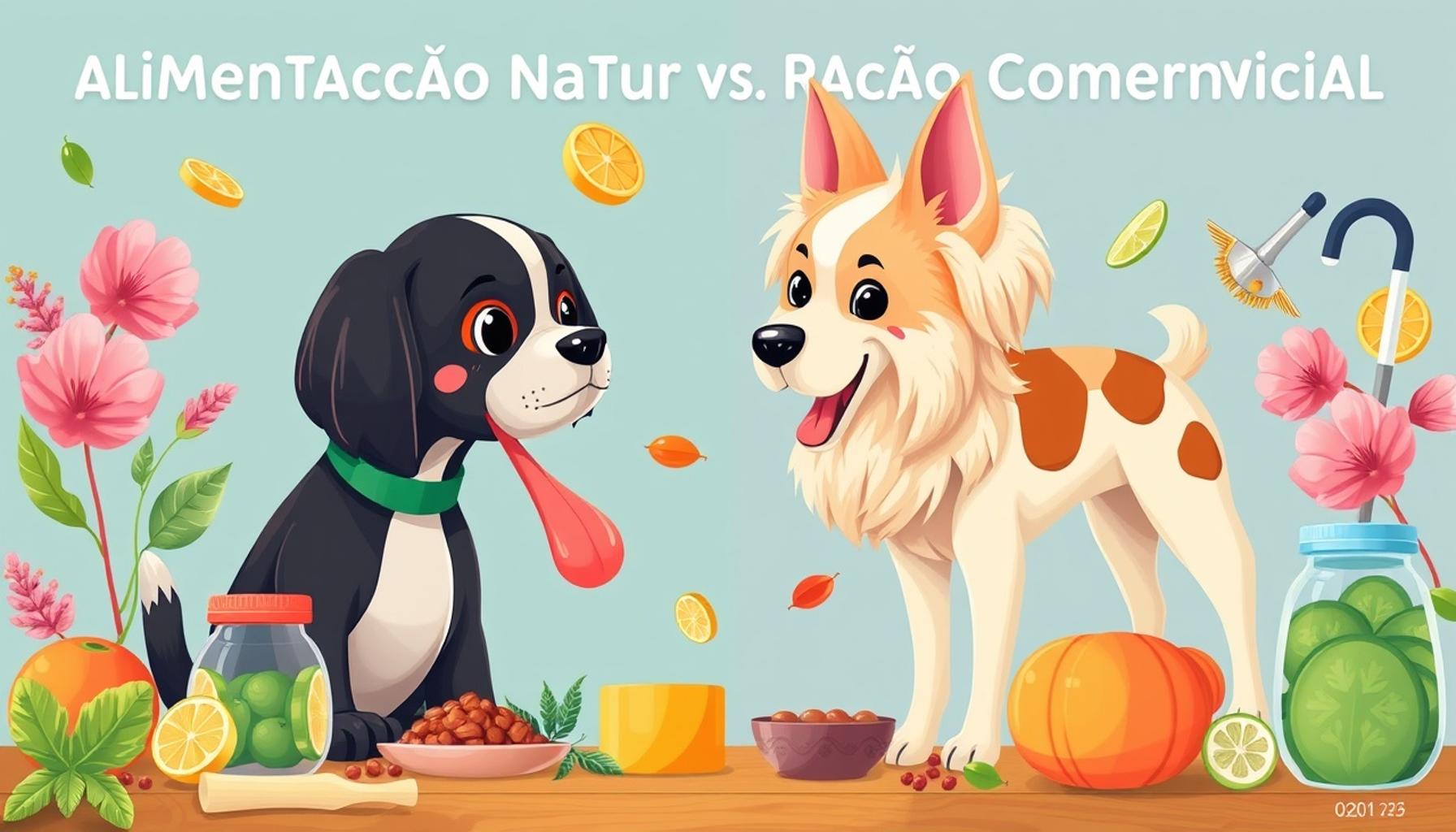
The growing interest in natural food versus commercial pet food among pet owners reflects a broader shift in societal attitudes towards animal care and nutrition. As pets increasingly become integral parts of family life, owners are not just seeking food that fills bowls but are in pursuit of offerings that enrich their pets’ overall health and longevity. Research and discussions on this topic are shaping the way pet parents think about their choices. So, what underlying factors play a crucial role in determining the healthiest diet for pets?
Ingredient Quality
When it comes to pet food, the quality of ingredients is paramount. Natural foods typically emphasize whole ingredients, including real meat, vegetables, and grains, without the inclusion of artificial preservatives or by-products. For instance, brands that advertise “farm-to-bowl” practices often source their ingredients from local farms, ensuring freshness and quality. In contrast, many commercial pet foods make use of fillers like corn and soy, which may provide less nutritional value and can exacerbate health issues.
Nutritional Value
The nutritional profile of a pet’s diet can significantly influence its health. Artificially processed pet foods may prioritize cost-cutting measures, compromising vital nutrients that support your pet’s vitality. For instance, a high-quality natural pet food might contain wholesome ingredients like chicken or salmon as the primary protein source, providing essential amino acids crucial for muscle development and robust organ function. This contrasts starkly with lesser brands that might prioritize bulk and price, potentially leading to deficiencies in essential nutrients.
Allergies and Sensitivities
Food allergies can affect many pets, leading to uncomfortable symptoms like itching, gastrointestinal distress, and lethargy. A natural diet allows pet owners to have greater control over what goes into their pets’ meals. For example, a homemade diet can be tailored to avoid common allergens, such as wheat or chicken, helping to alleviate sensitivities. Furthermore, pet owners can consult with veterinarians to create tailored diets, incorporating alternative proteins like rabbit or venison for pets that struggle with traditional meat sources.
The Importance of Transparency
In today’s market, pet owners are increasingly aware and skeptical of where their pet food originates. They are keen on understanding whether ingredients are sourced locally—as in, from farms within the U.S.—or if they come from overseas, which can raise concerns regarding quality control and sustainability. Consumers are advised to look for brands that openly share their sourcing practices, including information about ingredient origins and how they are processed to meet safety standards. Brands that prioritize transparency can cultivate trust and loyalty among conscientious pet owners.

Navigating Choices in Pet Nutrition
The landscape of pet nutrition is indeed complex, replete with a myriad of options and competing brands. This can be overwhelming for pet owners who genuinely want what’s best for their furry companions. By considering factors such as ingredient quality, nutritional value, and allergic reactions, pet parents can make informed decisions that extend beyond marketing claims. Ultimately, it is essential to conduct thorough research and perhaps consult with veterinarians to discover the best dietary choices to suit the specific needs of their pets.
In conclusion, whether leaning towards natural pet foods or exploring commercial brands, the ultimate goal remains the same: to nurture and enhance the health and happiness of beloved pets, ensuring they lead vibrant, fulfilling lives.
Navigating Ingredient Differences
As pet owners delve into the essential differences between natural food and commercial pet food, ingredient lists become pivotal points of focus. In many instances, the contrasting components speak volumes about the nutritional benefits or drawbacks of each option. Natural foods often boast minimal processing, thereby preserving the integrity of the ingredients, which can directly impact a pet’s health.
Whole Ingredients Vs. By-Products
A primary advantage of natural pet foods is their reliance on whole ingredients. These products frequently list clear, recognizable components, such as whole meats, vegetables, and healthy carbohydrates. For example, if you pick up a bag labeled “grain-free chicken and sweet potato,” pet parents can feel confident that they are providing a wholesome meal without unnecessary fillers. In contrast, many commercial pet foods feature vague terms like “meat by-products,” which can encompass lower-quality remnants of animal processing, potentially including undeclared and unappetizing components.
Hydration Matters
Another important aspect to consider is moisture content. While dry kibble is a staple of commercial pet food, it can often lead to inadequate hydration for pets. Conversely, many natural pet food options include wet food or fresh components, which help maintain optimal hydration levels for pets. Studies show that pets fed a moisture-rich diet tend to have better kidney function, reducing the risk of urinary issues. This factor alone highlights the significance of selecting the right type of food based on hydration needs.
Cost and Value Assessment
While many pet owners might assume that natural foods are prohibitively expensive, the value they provide can outweigh higher costs. To detail the considerations for budget-conscious owners, here are some points to remember:
- Nutrient Density: Natural foods often contain higher concentrations of nutrients, meaning pets may consume less volume overall compared to commercial brands.
- Health Savings: Investing in quality food might lead to fewer vet visits and a prolonged healthy lifespan for pets, ultimately saving money.
- Customized Nutrition: Natural foods can be tailored to meet specific dietary needs, addressing individual health issues, which can contribute to better health outcomes.
The Role of Regulations
Understanding the regulations surrounding pet food production can also aid in making informed choices. The Association of American Feed Control Officials (AAFCO) sets standards for pet food labeling and ingredient definitions. While most commercial brands adhere to these regulations, not all natural pet food brands do. Owners should seek products that are AAFCO-certified, ensuring that the food meets stringent nutritional requirements. This certification offers assurance that the food’s labels are truthful and the nutritional value aligns with the promises made by manufacturers.
In the pursuit of the best pet diet, it’s evident that ingredient integrity, hydration, cost versus value assessments, and regulations all play crucial roles in defining the optimal balance between natural food and commercial pet food. As the landscape of pet nutrition continues to evolve, thorough understanding will empower owners to nourish their pets effectively.
| Category | Advantages |
|---|---|
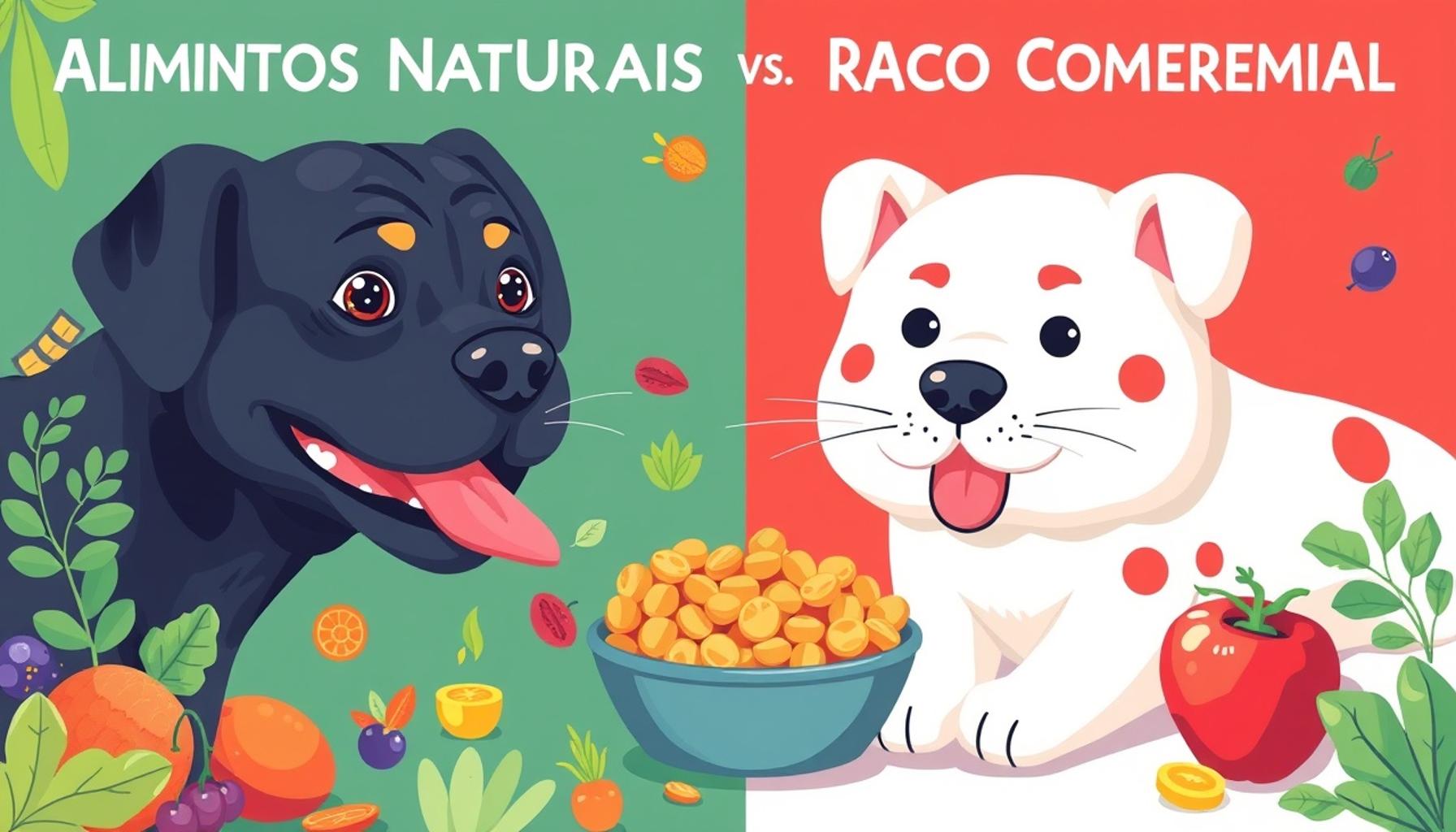
| Natural Food | Higher Nutritional Value: Natural food often contains fewer fillers and more real ingredients, resulting in better nutrient absorption. |
| Commercial Pet Food | Consistency and Convenience: Commercial pet food offers convenience, comes with guaranteed recipes, and is easy to store and serve. |
| Natural Food | Freshness and Flavor: Natural foods often contain fresh ingredients, enhancing palatability for pets, which may lead to better eating habits. |
| Commercial Pet Food | Affordability: Generally, commercial options are cost-effective and can fit into varied budgets without sacrificing quality. |
When considering “Natural Food vs. Commercial Pet Food: What is Better for Your Pet?”, pet owners must weigh the advantages against their pets’ specific needs. Natural food is often praised for its freshness and higher nutritional quality, while commercial food shines with its convenience and stability. Furthermore, the latest studies suggest that a diet incorporating natural ingredients can lead to better long-term health outcomes, including increased energy levels and improved coat condition. On the other hand, commercial pet foods are produced under strict regulations, ensuring consistent quality and safety, making them a reliable choice for many households. The choice ultimately depends on individual preferences, budget considerations, and your pet’s health requirements, providing a rich landscape for exploration and discussion among pet owners.
Understanding Nutritional Needs and Health Outcomes
To navigate the ongoing debate of natural food versus commercial pet food, it’s essential to delve deeper into nutritional needs and how they correspond with health outcomes in pets. Each pet is unique, with individual dietary requirements based on factors such as age, breed, weight, and medical conditions. For instance, large breed puppies may benefit from a diet formulated for growth and bone health, which some commercial brands offer. However, the quality of those formulations can vary significantly.
Protein Sources and Quality
Protein is a crucial component of any pet’s diet, and the source matters immensely. While commercial pet foods often contain animal protein sources, the quality can differ. A product may list chicken as its first ingredient, but if that chicken is rendered or from unspecified sources, it may be less nutritious than the whole meat found in natural food brands. A recent study indicated that diets rich in high-quality protein can enhance a pet’s energy levels and overall vitality, far outweighing the benefits of low-quality protein derived from by-products or fillers.
Impact of Additives and Preservatives
In addition to protein sources, the presence of additives and preservatives deserves scrutiny. Commercial pet foods commonly incorporate artificial colors, flavors, and preservatives to enhance appeal and shelf life. While approved by regulatory bodies, some of these additives can trigger allergic reactions in sensitive pets. In contrast, natural pet food brands generally limit artificial ingredients, relying more on natural preservatives like vitamin E (mixed tocopherols) and rosemary extract. Studies link long-term consumption of synthetic additives to various health issues, providing a compelling reason to consider their prevalence in pet food.
Personalized Diet Plans and Alternative Ingredients
One advantage of opting for natural pet food is the ability to pursue personalized diet plans. Many owners are now turning to pet nutritionists or veterinarians who specialize in animal diets to create tailored meal plans based on their pet’s unique health profile. This approach allows for alternative ingredients that cater to food sensitivities or specific health concerns. For instance, pets with grain allergies can benefit from grain-free options, while those diagnosed with obesity may require reduced carbohydrate intake. These specialized plans are often more straightforward with natural food options, where customization is a central tenet.
Consumer Trends: Growing Preference for Transparency
The trends in pet food consumption indicate a significant cultural shift towards transparency and quality in pet nutrition. An increasing number of pet owners prioritize ingredient traceability, looking for brands that disclose their sourcing practices. A survey by the American Pet Products Association showed that 73% of pet owners are willing to pay extra for food made from high-quality, transparent ingredients. This trend further emphasizes the importance of understanding the differences between natural and commercial pet food, highlighting how consumer preferences are steering the market towards better practices.
Thus, while evaluating natural food versus commercial pet food, it becomes evident that nutritional needs, quality of ingredients, potential allergens, and transparency play pivotal roles in making informed decisions. Understanding these facets not only aids in providing optimal nutrition but can also foster long-lasting health benefits for beloved pets.
Conclusion: Making Informed Choices for Your Pet’s Health
As pet owners navigate the natural food versus commercial pet food debate, it is essential to consider the nuanced factors that contribute to their furry friends’ overall well-being. The comprehensive exploration of ingredient quality, nutritional profiles, and the potential impact of additives reveals that not all pet foods are created equal. While commercial options often provide convenient and balanced diets, the variability in ingredient formulations can compromise nutritional integrity. In contrast, natural pet food emphasizes wholesome, high-quality ingredients that can cater more closely to pets’ specific needs, especially when it comes to allergies and health conditions.
The rising demand for transparency in pet food sourcing highlights a growing awareness among pet owners regarding their pets’ nutrition. As recent studies suggest a correlation between high-quality diets and better health outcomes, the impetus to research and select the right food for pets has never been more critical. Customized meal plans based on individual health profiles may offer significant advantages, particularly for those pets with special dietary requirements.
Ultimately, the decision between natural food and commercial pet food lies in understanding your pet’s unique nutritional needs, monitoring their health status, and partnering with veterinary professionals to create the best dietary approach. Whether opting for a transparent natural brand or a reputable commercial option, informed choices spearhead the pursuit of optimal health and longevity for our beloved companions. Balancing convenience with quality can lead to healthier, happier pets, making it a worthwhile endeavor for every owner.