Homemade Food for Pets: Benefits and Risks in Diet Preparation
The Growing Trend of Homemade Pet Food
In recent years, the trend of preparing homemade food for pets has gained significant traction among pet owners across the United States. Many believe that cooking for their furry companions ensures better nutrition, quality ingredients, and tailored diets. Statistics show that pet food sales in the U.S. for natural and homemade formulations have spiked, indicating a shift towards more personalized pet care.
Benefits of Homemade Pet Food
One of the most compelling advantages of homemade pet food is the enhanced nutrition that can be achieved. Pet owners have the ability to select high-quality ingredients, opting for fresh meats, whole grains, and a variety of vegetables. This is particularly appealing for those wanting to avoid the preservatives and fillers often found in commercial pet foods. Furthermore, homemade meals can be tailored to the specific dietary needs of a pet, whether they require a grain-free diet or are sensitive to certain proteins.
Additionally, control over ingredients allows pet owners to avoid allergens. For instance, some dogs may have sensitivities to common ingredients like corn or soy, which are prevalent in mass-produced pet foods. By preparing meals at home, owners can eliminate these components entirely, catering to their pet’s unique requirements. Furthermore, homemade pet food can also lead to potential cost savings. By purchasing ingredients in bulk and preparing meals in larger quantities, pet owners may find that they can save money over time compared to buying specialized commercial diets.
Risks Involved
However, the journey into homemade meals for pets isn’t without its pitfalls. One significant concern is the potential for nutritional imbalances. It’s essential for pet owners to understand that not all human foods are safe or healthy for pets. For example, while chicken is nutritious for dogs, foods like chocolate and grapes are toxic. This underscores the necessity of savvy recipe planning to ensure that pets receive a balanced diet.
Another risk lies in miscalculations in portion sizes, which can lead to obesity or malnutrition. Owners may inadvertently feed their pets more or less than needed, impacting their overall health. Food safety concerns also play a crucial role, as improper handling or cooking methods can lead to foodborne illnesses.
Preparation Tips for Pet Owners
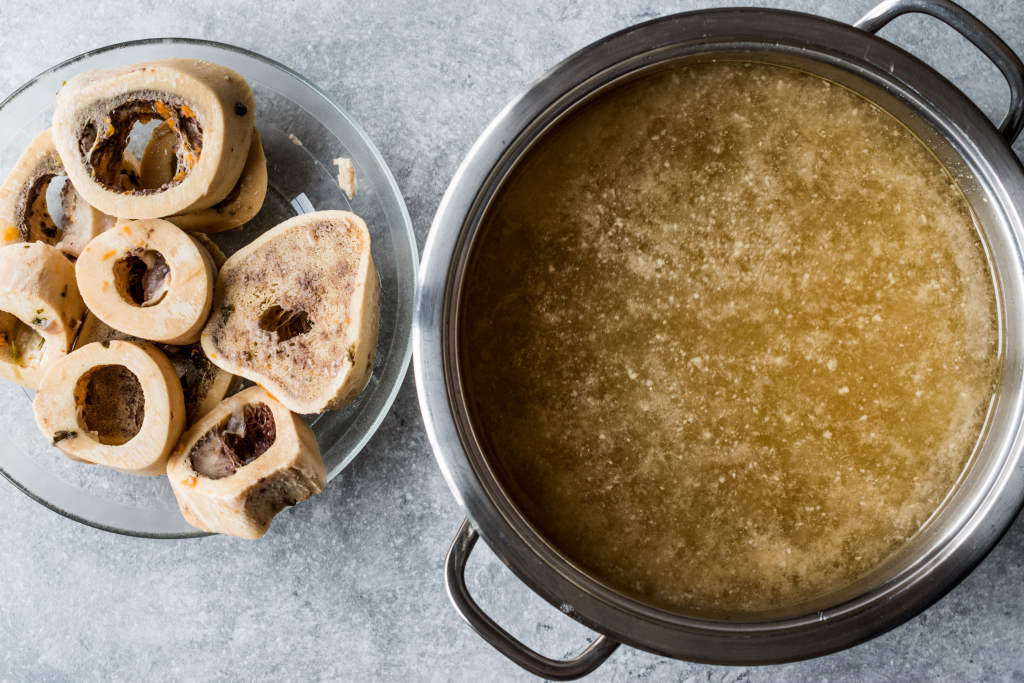
As the interest in preparing homemade meals continues to grow, pet owners are encouraged to take certain precautions. Researching dietary needs specific to the pet’s age, weight, and health status is essential. Consider consulting with a veterinarian or a pet nutritionist who can provide tailored guidance on appropriate recipes and portion sizes.
Maintaining hygiene during preparation is equally important. Just like for human food, for pet food preparation, all surfaces should be cleaned thoroughly, and ingredients should be fresh and stored correctly. Regularly monitoring your pet’s health and behavior after introducing homemade meals can also aid in ensuring the success of this dietary change.
While the thought of preparing wholesome meals for cats and dogs can be exciting, it is crucial to approach diet preparation with caution. Striking a balance between benefits and risks will help ensure that pets remain healthy and happy. As this culinary trend continues to flourish, pet owners are encouraged to delve deeper into the realities of homemade diets, exploring the joys and challenges that come with crafting personalized meals for their beloved companions.
Understanding the Nutritional Foundation
Embarking on the journey of homemade food for pets requires more than just culinary enthusiasm; it necessitates a solid grasp of pet nutrition fundamentals. Just as humans have distinct dietary needs, so do our furry companions, which incorporate a complex mix of essential nutrients. Pet owners must venture beyond ingredient lists, delving into the intricate balance required to create meals that support overall health and vitality for dogs and cats alike.
Central to this understanding is recognizing the types of nutrients that pets need. High-quality proteins form the backbone of a pet’s diet, playing a critical role in various bodily functions. Sources like chicken, turkey, beef, and seafood provide the amino acids essential for muscle growth, repair, and routine maintenance. For instance, lean meats offer vital nutrients while minimizing excess fat, which can lead to obesity if not managed correctly. Incorporating proteins from different sources not only helps in meeting nutritional needs but can also keep mealtimes interesting.
Fats are another crucial nutrient that should not be overlooked. They serve as energy reservoirs and are vital for maintaining healthy skin and a shiny coat. Unsaturated fats, found in fish oil and flaxseed, are particularly beneficial and can also support brain health. Extra care should be taken to avoid excessive amounts of saturated fats, as these can lead to health issues such as heart disease and nausea.
Alongside proteins and fats, carbohydrates provide the necessary energy for daily activities. Different carbohydrates, such as brown rice, sweet potatoes, and various vegetables, offer not just energy, but also fiber that supports digestive health. It’s crucial to choose carbohydrate sources that are easy for pets to digest, especially for those with sensitive stomachs.
Vitamins and minerals are essential to various bodily functions, enhancing everything from immune function to bone health. Rich sources come from a variety of fruits and vegetables like carrots, spinach, and blueberries, which can be easily integrated into homemade meals. Moreover, dietary supplements might be necessary to fill any nutritional gaps, ensuring that pets receive a well-rounded diet.
Importance of Variety
The significance of variety in meal preparation cannot be emphasized enough. Just as humans thrive on a rich and diverse diet, pets with varied meals are more likely to receive comprehensive nutrition. Rotating different proteins, grains, and vegetables can prevent nutritional deficiencies and reduce the chances of food allergies. For example, alternating between beef and chicken or experimenting with rice and quinoa can keep both the palate and health of a pet engaging and balanced.
Consultation with Experts
For pet owners navigating the intricacies of homemade diets, the value of professional guidance cannot be overstated. Consulting with a veterinarian or a pet nutritionist can not only clarify specific dietary needs tailored to an individual pet but also illuminate potential health implications of dietary changes. Factors such as a pet’s age, weight, activity level, and existing health conditions must be thoughtfully considered to avoid unintended consequences.
As the trend toward homemade pet food continues to rise, it becomes increasingly essential to balance the joy of fresh ingredients with the science of pet nutrition. A thorough understanding of these fundamentals empowers pet owners to embark on their culinary adventures, crafting nourishing meals that greatly enhance their pets’ well-being. By investing time in researching and tailoring diets to meet their animal companions’ needs, pet owners are taking significant steps towards fostering healthier, happier lives for their beloved pets.
| Advantages | Implications |
|---|---|
| Control Over Ingredients | Pet owners can choose fresh, nutrient-rich ingredients, ensuring a diet that suits their pet’s specific needs. |
| Customization | Homemade diets allow for personalized meal plans addressing allergies or picky eaters, enhancing overall wellness. |
| Cost-Effectiveness | Making food at home can be more economical in the long run compared to commercial pet food brands, especially over time. |
| Quality Assurance | Knowing where your pet’s food comes from can contribute to a higher trust factor in quality and safety compared to store-bought options. |
Homemade food has significant advantages, but it’s crucial to weigh the implications carefully. While providing fresh meals can lower the risk of foodborne illnesses, there’s the potential risk of nutritional deficiencies if diets are not adequately balanced. The importance of consulting with a veterinarian or a pet nutritionist cannot be overstated to ensure that all essential nutrients are included in the homemade meals. The knowledge gained in understanding pet dietary needs can also foster deeper pet-owner relationships, encouraging a focus on health and vitality that aligns with the pet’s individual needs. As pet owners delve into the world of homemade food, they uncover not just the benefits, but also the responsibilities tied to ensuring a well-rounded diet. Exploration into sourcing local, organic ingredients can further enhance dietary benefit, reducing reliance on heavily processed options.
Evaluating the Risks of Homemade Pet Diets
While the allure of homemade food for pets is strong, pet owners must also consider the potential risks associated with DIY meal preparation. Understanding these risks is crucial in ensuring the health and safety of our animal companions.
Nutritional Imbalances are perhaps the most pressing concern when it comes to homemade pet diets. Without precise knowledge of nutritional requirements, it is easy to overlook essential vitamins and minerals that are vital for a pet’s health. A study published in the Journal of the American Veterinary Medical Association found that approximately 95% of homemade diets analyzed were deficient in one or more key nutrients. Such deficiencies could result in serious health issues over time, from bone disorders to immune dysfunction.
Another significant risk is the potential for Ingredient Toxicity. Certain foods that are safe for humans can be hazardous or even fatal to pets. For instance, grapes, raisins, onions, and garlic pose serious health threats to dogs and cats, potentially leading to kidney failure or gastrointestinal distress. It is imperative for pet owners to rigorously research any new ingredients before incorporating them into their pets’ diets.
Food Safety Concerns
Food safety is another critical aspect of homemade pet food that should not be ignored. Just like with human food, the risk of bacterial contamination exists. Raw ingredients can carry pathogens such as E.coli or Salmonella, which could jeopardize both pets and their human families. Strict hygiene and careful food handling are non-negotiable when preparing meals at home. It is advisable to cook animal proteins thoroughly and to store ingredients properly to mitigate these risks.
Moreover, allergic reactions can arise from new ingredients introduced to a pet’s system. As pets can develop allergies just like humans can, it’s essential to introduce new foods slowly and monitor for any adverse reactions. Common allergens include proteins like chicken or beef, grains like wheat, and even certain vegetables. Keeping a food diary can be helpful in identifying problematic ingredients.
Cost and Time Considerations
The commitment to homemade pet food also comes with practical implications regarding cost and time. Preparing a balanced homemade diet often requires more financial investment due to high-quality ingredients and specialized supplements. Additionally, the time spent on meal planning, shopping, and preparation can be substantial. For busy pet owners, these factors may become overwhelming, leading to inconsistent feeding practices that can affect a pet’s health.
In a world where rising food prices are a reality, some pet owners might opt for lower-cost ingredients, which could compromise quality and safety. The temptation to cut corners can have dire consequences, ultimately defeating the purpose of providing a wholesome home-cooked meal for pets.
Ultimately, while the potential benefits of homemade diets can be compelling, pet owners must approach this endeavor with caution. Initially, seeking the assistance of a veterinarian or a certified animal nutritionist is wise to ensure that any diet modifications are scientifically sound while also providing a solid foundation for healthy, happy pets.
Conclusion: Weighing the Pros and Cons of Homemade Pet Nutrition
In summary, the journey into homemade food for pets is one filled with both promise and peril. On one hand, the potential benefits, such as customization to meet specific dietary needs and the joy of knowing precisely what ingredients are included in your pet’s meals, can enhance the bond between pet and owner. Moreover, some pets may thrive on diets tailored specifically to their unique health requirements, which can positively affect their vitality and longevity.
However, the accompanying risks cannot be understated. The reality of nutritional imbalances, possible ingredient toxicity, and the challenge of maintaining food safety present genuine concerns for pet owners. The significant commitment of both time and money required to ensure a balanced diet adds another layer of complexity to the decision-making process. It is essential that pet owners do their due diligence, consulting with veterinarians or certified animal nutritionists to navigate this intricate landscape and avoid common pitfalls.
As pet care continues to evolve, it is imperative for dedicated pet owners to stay informed. The world of homemade pet diets can be enriching, but with great care comes great responsibility. For those willing to invest the effort, applying best practices can pave the way for a healthy and fulfilling feeding experience for beloved pets. By marrying the love of cooking with a scientific approach, pet owners can potentially harness the benefits of homemade meals while minimizing the associated risks. The well-being of our furry friends ultimately depends on informed choices and mindful preparation.