The Benefits of Choosing the Right Dog Breed for Families with Children

Understanding Dog Breeds for Family Compatibility
Bringing a dog into your home can be a joyous experience, especially for families with children. However, selecting the appropriate breed is essential for ensuring a harmonious relationship between your kids and your new furry friend. With so many breeds to choose from, it’s important to consider various factors that can influence how well a dog will integrate into your family’s lifestyle.
Understanding the unique characteristics of various breeds can make all the difference. Here are some key considerations to keep in mind:
- Temperament: Different breeds have varying temperaments that can affect their suitability for families. Breeds such as the Labrador Retriever and Golden Retriever are known for being patient and gentle, making them ideal companions for children. In contrast, breeds like the Chihuahua may be less tolerant of rough play and loud noises, which can be common in bustling households.
- Energy Level: Active breeds, such as the Australian Shepherd and Border Collie, require significant exercise and stimulation, which can be a blessing or a burden depending on your family’s activity level. Families who enjoy hiking or running may thrive with a high-energy dog, while those who prefer a more relaxed lifestyle might find a breed like the Basset Hound or Bulldog more suitable.
- Size: The size of the dog can play a crucial role in its compatibility with children. Larger breeds, such as the Great Dane and Newfoundland, can inadvertently knock over small children during play. Selecting a breed that matches your child’s size and energy is vital to ensure a safe environment for both.
Choosing the right dog breed can lead to a plethora of benefits, enhancing the family dynamic. For instance:
- Companionship: A well-matched dog can become a child’s best friend, providing loyalty and affection. Children often develop strong bonds with their pets, which can enhance emotional well-being and foster empathy.
- Responsibility: Involving children in pet care teaches valuable lessons about responsibility and teamwork. Tasks like feeding, grooming, and walking the dog can help instill a routine and a sense of accountability from a young age.
- Physical Activity: Dogs encourage families to stay active and enjoy the outdoors together. Regular walks, games of fetch, or outings to the dog park can lead to healthier lifestyles for everyone involved.
By selecting a breed that aligns with your family’s lifestyle and values, you can cultivate an enriching environment for both your children and your pet. Whether you opt for a loving Labrador or a playful Beagle, be sure to delve deeper into this topic to uncover how the right dog can transform your family’s experience. With the right selection, a dog can become not just a pet, but a cherished member of your family, enriching your lives in unexpected ways.
How the Right Dog Breed Enhances Family Life
Choosing the right dog breed for families with children is more than just a matter of preference; it’s an important decision that can significantly affect the dynamics of family life. When families opt for breeds known for their compatibility with kids, they are setting the stage for positive interactions that can lead to lasting memories. Exploring the various benefits of selecting suitable breeds can illuminate how these choices impact children’s growth and family experiences.
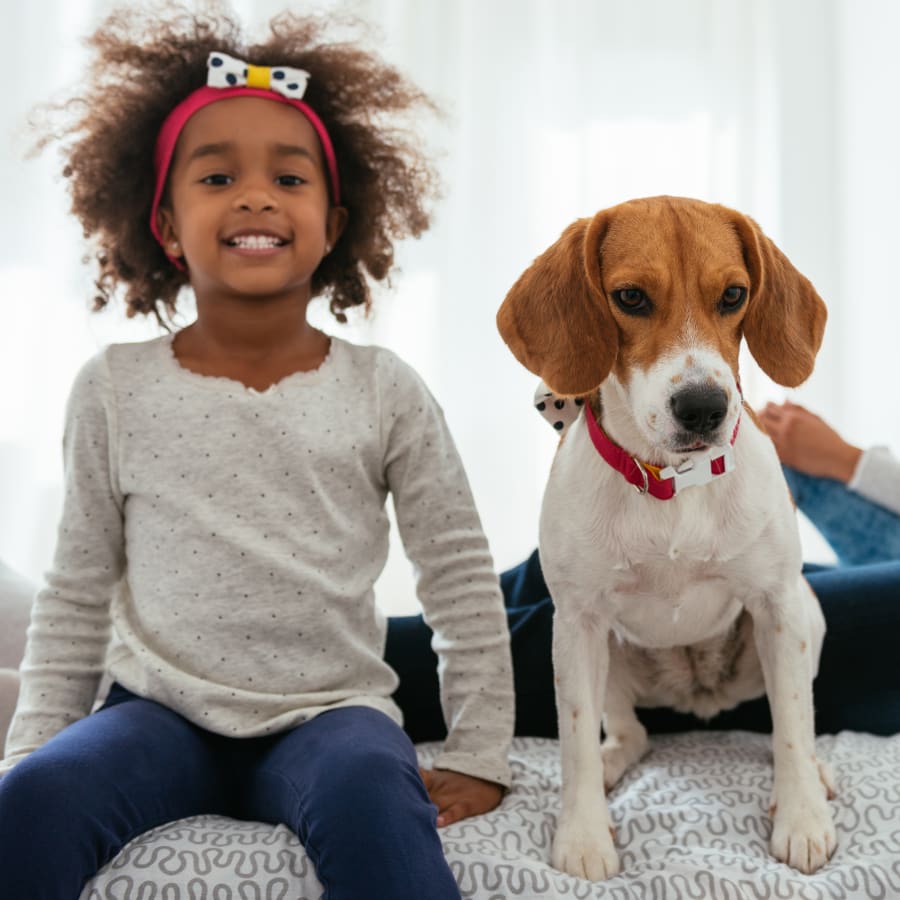
One of the primary advantages of selecting a dog breed that works well with children is the enhancement of social skills. Kids who grow up with dogs often learn crucial interpersonal skills such as empathy, compassion, and patience. For instance, breeds like the Cavalier King Charles Spaniel are renowned for their gentle and friendly nature, making them ideal companions for teaching young children about emotional connection. The simple act of petting a dog can trigger a release of oxytocin, the hormone associated with bonding, which can be incredibly beneficial for young minds.
In addition to social skills, a suitable breed can boost a child’s self-esteem. As children take on responsibilities such as feeding, grooming, and walking their pets, they develop a sense of accomplishment and pride. For instance, breeds like the Poodle or Boxer, known for their intelligence and trainability, can also engage children in learning through training activities, further increasing their confidence. Families often find that children blossom into more self-assured individuals when they have the responsibility of caring for a pet.
Moreover, the right dog breed can also contribute to a child’s physical well-being. Dogs are natural motivators for exercise; a breed like the Beagle, with its playful and energetic disposition, encourages outdoor activities such as running or playing fetch. Studies have shown that children who have dogs are more likely to meet the recommended daily activity levels. The important link between pets and physical health is increasingly recognized, and it emphasizes the significant role a dog can play in promoting a healthier lifestyle.
Furthermore, integrating a dog into your family can inspire teamwork and cooperation. When everyone participates in caring for the pet, it reinforces the sense of family unity. Children learn how to work together to ensure their furry friend is happy and healthy. Breeds like the Bernese Mountain Dog, known for their affectionate nature, often thrive in family environments where they can engage with every member. This fosters a sense of community and collaboration among family members, setting an example for shared responsibilities.
In conclusion, the positive impact of choosing the right dog breed extends beyond simple companionship. The benefits encompass emotional growth, social development, and physical activity for children, thereby enriching the overall family experience. As you consider the relevant qualities when selecting a dog, remember that this decision holds the potential to transform your family’s dynamics for the better.
The Benefits of Choosing the Right Dog Breed for Families with Children
Choosing the right dog breed for families with children is a decision that can greatly influence the happiness and harmony in a household. Understanding the unique qualities of various breeds is essential, as each brings distinct traits that can either complement or challenge family dynamics. A dog serves not only as a companion but a contributor to a child’s development. Breeds that are known for their gentle temperament, such as the Labrador Retriever or Golden Retriever, often become loyal playmates, fostering a warm environment. These breeds are generally patient and affectionate, targeting the emotional growth of children by instilling a sense of responsibility and empathy.Moreover, some breeds show natural protective instincts, acting as guardians for children. Breeds like the Boxer or Bullmastiff are known for their loyalty and protectiveness, which can provide an added layer of security for families. This trait, combined with their playful and friendly demeanor, makes them desirable choices for homes with kids.Here’s where the significance of early training comes into play; breeds that respond well to training and socialization techniques, such as the Beagle and Poodle, can develop into well-mannered companions. Such training ensures that kids safely interact with their dogs, ultimately creating a more enjoyable experience for the entire family.Family dynamics can differ widely, and choosing a breed that matches your child’s age, energy levels, and temperament can lead to a harmonious living situation. Engaging in playtime and outdoor activities with suitable breeds not only enhances family bonding but also encourages a more active lifestyle for everyone involved. Consider how your family’s routine, living space, and lifestyle preferences will influence your choice. An informed decision based on these factors will lead you closer to finding not just a pet, but a genuine family member who contributes to your children’s growth and joy.
| Category | Details |
|---|---|
| Gentle Temperament Breeds | Labrador and Golden Retrievers are known for their patience and affection, making them ideal companions for children. |
| Protective Breeds | Boxers and Bullmastiffs offer loyalty and a protective nature, enhancing family security. |
| Trainable Breeds | Poodles and Beagles are known for their trainability and social nature, making safe pets for kids. |
| Energy Level Matching | Choosing breeds that match your family’s energy levels fosters harmony and promotes an active lifestyle. |
Fostering a Lifelong Bond through the Right Breed
When it comes to creating an enriching environment for children, choosing the right dog breed offers notable advantages that extend well beyond immediate family interactions. The presence of a dog can provide an avenue for teaching responsibility in a way that is engaging and rewarding. Kids who grow up with a dog learn to recognize and address the needs of another being, enabling them to mature into responsible individuals. Breeds like the Golden Retriever are not only friendly and intelligent but also serve as perfect examples of how commitment to pet care can translate into broader life lessons.
Moreover, having the right canine companion can facilitate mental wellness for both children and parents. The act of caring for a pet can help alleviate stress, anxiety, and even depression. Research from the Human-Animal Bond Research Institute (HABRI) indicates that pet ownership can lead to improved emotional stability. Breeds such as the Therapy Dog breeds, like the English Bulldog, are often used in therapeutic contexts. Their calm demeanor and gentle nature create an atmosphere conducive to emotional healing and provide comfort to those who might need it.
The right dog can also serve as an excellent playmate, promoting imaginative play and creativity among children. Breeds known for their playful spirit, such as the Australian Shepherd, encourage activities that spark excitement and creativity in kids’ daily routines. These dogs are often eager to participate in games and activities, enhancing children’s cognitive development while ensuring they remain active and engaged. Playtime with a dog can involve a variety of stimulating activities that result in meaningful bonding moments and endless fun.
Furthermore, selecting a breed that is both trainable and sociable can make a world of difference for families. Breeds such as the Labrador Retriever, renowned for their ease of training, provide an excellent opportunity for children to work on their communication skills. Teaching a dog commands enhances not only the dog’s development but also bolsters a child’s verbal and non-verbal communication. This exchange fosters a two-way learning experience, offering valuable lessons in patience and consistency.
Integrating a dog into family life significantly enriches the landscape of parenting. For instance, breeds like the Shih Tzu are often seen as excellent companion animals for children with special needs, thanks to their calm demeanor and adaptability. This breed can provide a sense of companionship, helping children feel more connected and understood, fostering a bond that assists in emotional growth.
It’s also important to recognize the long-term commitment that comes with dog ownership. Educating children about the lifelong responsibilities associated with caring for a pet can be transformative. With the right breed, families can cultivate a nurturing environment that not only enhances personal growth for children but also creates a tapestry of shared experiences and cherished memories. Breeds like the Newfoundland, known for their exceptional gentleness and patience, can be the cornerstone for families willing to invest in long-term rewards, as they nurture emotional bonds that endure throughout life.
Elevating Family Life Through Thoughtful Selection
In conclusion, the journey of selecting the right dog breed for families with children is not merely about choosing a pet; it represents an opportunity to enhance family dynamics, foster emotional growth, and promote lifelong lessons. The impact of a well-matched canine companion can be profound, facilitating both bonding and individual development. Children engaged with breeds like the Golden Retriever or Labrador Retriever learn valuable lessons in empathy, responsibility, and communication, forming a robust foundation for their future relationships.
Moreover, the mental wellness benefits provided by breeds such as the English Bulldog or Shih Tzu cannot be overstated. These dogs can serve as comforting presences that help alleviate stress and anxiety, creating a more harmonious home environment. The interactive playfulness of breeds like the Australian Shepherd encourages creativity, while their trainability strengthens communication skills, contributing to a richer family life.
As families consider the long-term commitment of dog ownership, understanding the unique characteristics of different breeds ensures that the chosen pet aligns perfectly with their lifestyle and values. With careful deliberation, families can pave the way for cherished memories, shared experiences, and a nurturing atmosphere that benefits both children and their furry companions. Investing in the right dog breed means investing in a lifelong bond that can enrich family life in countless ways, creating a legacy of love and responsibility that endures through generations.