The Impact of Natural Language Processing on Human Communication
Understanding the Evolution of Communication
The rapid development of technology has fundamentally altered the way humans interact. Natural Language Processing (NLP), an integral part of this transformation, is enhancing communication in remarkable ways, shaping how we connect, collaborate, and create.
What is Natural Language Processing?
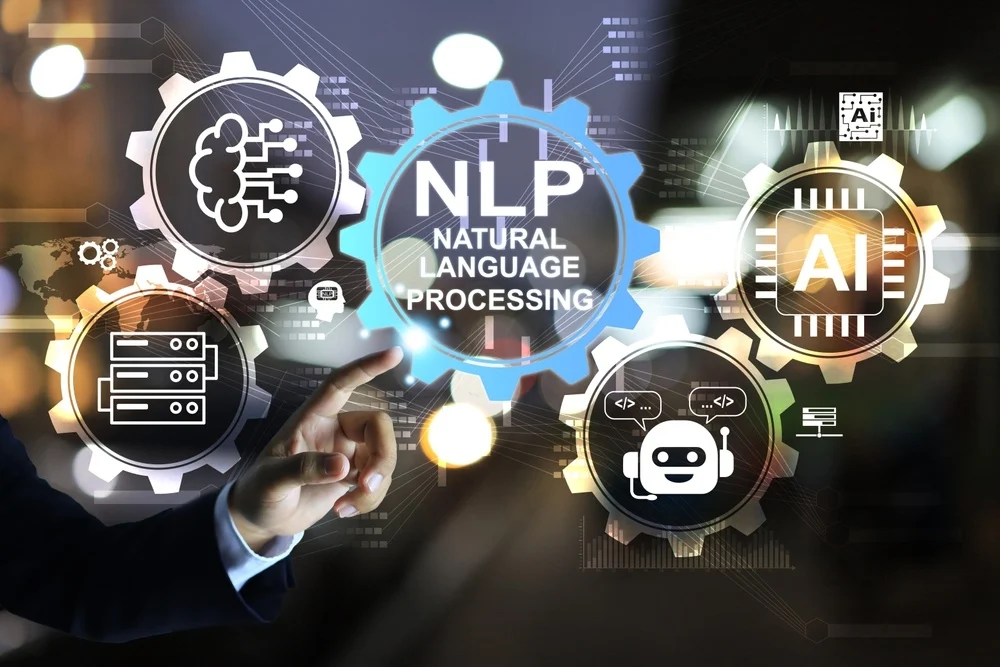
NLP combines linguistics and computer science to enable machines to understand and interpret human language. By leveraging advanced algorithms, NLP bridges the gap between human communication and machine comprehension. Here are some key features that illustrate its capabilities:
- Text Analysis: NLP algorithms can sift through vast amounts of text data, identifying patterns, sentiments, and trends. For instance, news companies use NLP to monitor public opinion regarding current events, enabling them to tailor their reporting to audience interests.
- Speech Recognition: Converting spoken language into text allows for seamless interaction with devices. Technologies such as voice-activated controls are now commonplace in homes, allowing users to interact with devices without the need for physical input.
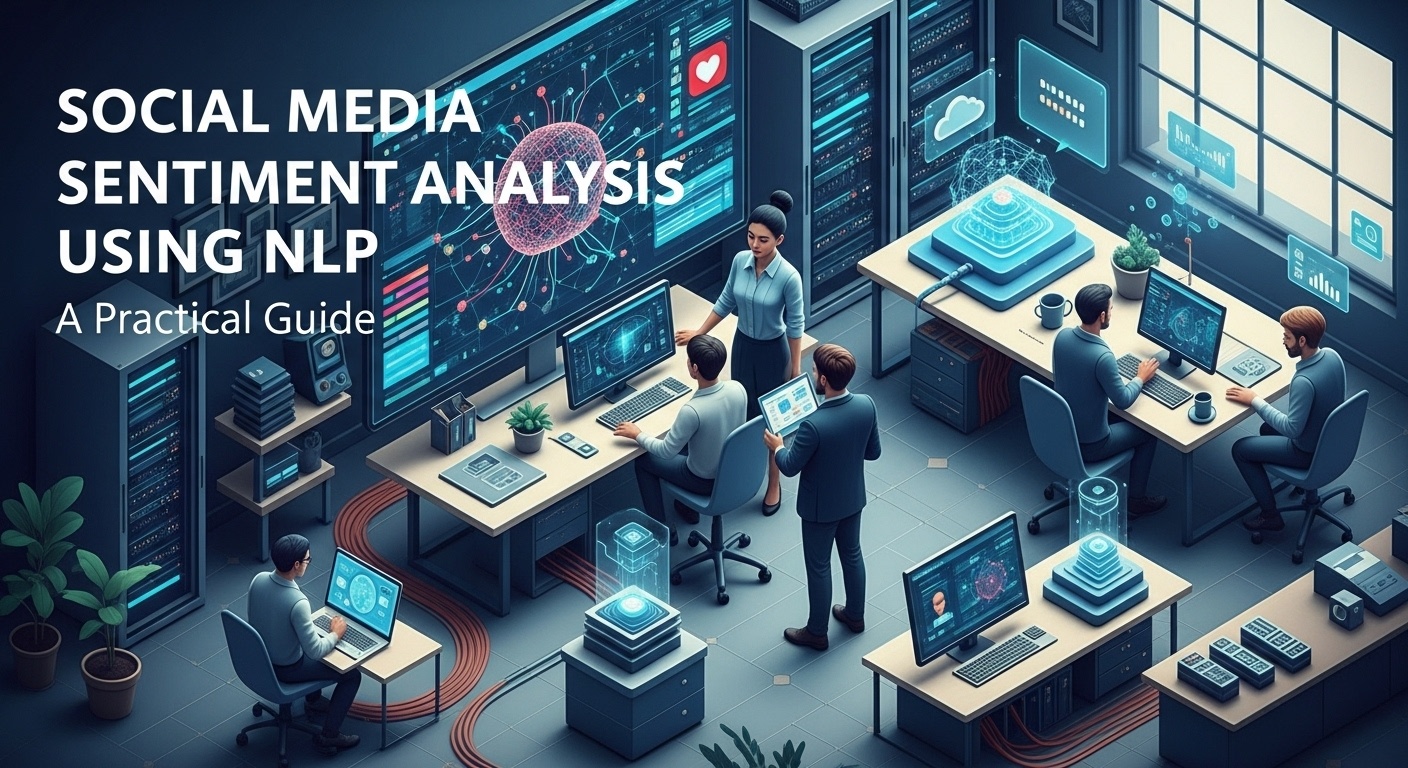
- Sentiment Analysis: Understanding emotions conveyed in text enables businesses to enhance customer service and engagement. For example, by analyzing tweets or reviews, companies can gain insights into customer happiness and improve their offerings accordingly.
Examples of NLP in Action
NLP applications are increasingly becoming embedded in everyday life in the United States. Some noteworthy examples include:
- Virtual Assistants: Tools like Siri, Google Assistant, and Alexa utilize NLP to assist users in various tasks, from setting reminders to providing weather updates. These assistants learn from user interactions, enabling them to respond more accurately over time.
- Chatbots: Many businesses deploy chatbots on their websites to effectively handle customer inquiries automatically. These virtual agents can respond to frequently asked questions, recommend products, and improve response times, ultimately enhancing customer satisfaction.
- Translation Services: Programs like Google Translate break down language barriers, facilitating global communication. This tool is beneficial not only for travelers but also for businesses looking to expand into international markets, allowing them to communicate with clients and partners worldwide.
This article will delve deeper into how NLP is reshaping human communication. By exploring its challenges and benefits, we aim to uncover the extent of its influence on our daily lives. As we move forward in this digital age, understanding and adapting to the capabilities of NLP will be crucial for staying connected and informed.
DISCOVER MORE: Click here to dive deeper
Transforming Interaction through NLP
The impact of Natural Language Processing (NLP) on human communication is profound and multi-faceted, driving significant change in both personal and professional realms. This technological frontier not only refines how we engage with devices but also enriches human connectivity, making communication more efficient and accessible.
Enhancing Everyday Communication
In the modern age, where speed and accuracy are paramount, NLP technologies serve as invaluable assistants in our daily interactions. They facilitate communication by optimizing the way we connect with others, transcending geographical and linguistic barriers. Here are a few transformative ways NLP is enhancing everyday communication:
- Accessibility: For individuals with disabilities, NLP tools like speech-to-text applications provide crucial assistance. These applications allow people with hearing impairments to engage more fully in conversations, leading to greater inclusivity in social and professional environments.
- Multilingual Communication: NLP-driven translation services foster interactions among diverse language speakers. In a country as culturally rich as the United States, this ability to understand and communicate in multiple languages is invaluable, enabling immigrants and native speakers to share ideas and foster relationships seamlessly.
- Content Creation: Writers and marketers leverage NLP to enhance their content development processes. By using tools equipped with NLP, they can identify trending topics, optimize language for their target audience, and even receive grammar and style suggestions to elevate their work.
The Evolution of Business Communication
Furthermore, as organizations navigate increasingly competitive landscapes, NLP plays a crucial role in reshaping business communication strategies. Companies are harnessing the power of NLP to streamline interactions, both internally and externally, which ultimately enhances productivity. Below are several key applications:
- Automated Customer Support: Businesses are deploying advanced chatbots powered by NLP to provide 24/7 support to customers. Instead of waiting for a human representative, customers can receive immediate assistance, freeing up resources and improving satisfaction.
- Data-Driven Insights: Companies utilize NLP to analyze employee feedback, market research, and customer reviews. By analyzing unstructured data, organizations can derive insights and make informed decisions, thus improving their products and services.
- Internal Communication: NLP tools assist in generating summaries of meetings and extracting key points from lengthy emails, enhancing internal communication flow and allowing teams to focus on critical tasks without getting bogged down by information overload.
As NLP continues to evolve, its influence on human communication will undoubtedly deepen, paving the way for even more innovative applications. The ability to communicate effectively and efficiently is critical in our fast-paced world; thus, adapting to the advancements in NLP will be essential for individuals and organizations alike.
The Impact of Natural Language Processing on Human Communication
Natural Language Processing (NLP) has undeniably transformed the landscape of human communication. With its sophisticated algorithms, NLP enables machines to understand, interpret, and respond to human language in meaningful ways. This technology has wide-ranging applications, from chatbots enhancing customer service to advanced language translation services bridging communication gaps between cultures. As NLP continues to evolve, it significantly shapes how we interact with technology and with each other.One of the most compelling aspects of NLP is its ability to enhance accessibility. For individuals with disabilities, NLP-driven tools like speech recognition software and text-to-speech applications facilitate easier communication. Furthermore, NLP can help decode complex information into simplified formats, making it more accessible to diverse audiences. This democratization of information is pivotal in an ever-connected world where effective communication is key to collaboration and understanding.Moreover, NLP applications in sentiment analysis allow businesses and organizations to gauge public opinion and customer feedback in real-time. By monitoring language patterns in social media, reviews, and other platforms, organizations can respond proactively to consumer needs, enhancing customer satisfaction.To illustrate the transformative capacity of NLP, consider its role in educational settings. Language-learning applications utilizing NLP offer personalized feedback, allowing learners to practice at their own pace while receiving immediate corrections. This individualized approach fosters an engaging learning environment and can significantly improve language proficiency over traditional methods.The integration of NLP into daily communication not only enhances the efficiency and accuracy of our interactions but also enriches our connections by promoting empathy and understanding through more nuanced language processing features. As we continue to explore the implications of NLP, it’s crucial to stay updated on its advancements and the resultant shifts in the communication paradigm.
| Advantages | Impact on Communication |
|---|---|
| Increased Efficiency | NLP streamlines processes by allowing faster data analysis and reducing the time spent on communication tasks. |
| Enhanced Understanding | NLP systems improve comprehension of different languages and dialects, helping users communicate effectively across barriers. |
As we further integrate NLP technologies into our communication practices, understanding their advantages will be essential in leveraging their full potential in enhancing human interaction.
DIVE DEEPER: Click here to discover the future of farming
Redefining Professional Dynamics
While NLP undeniably enhances personal communication, its ramifications in the professional sphere are equally significant. As organizations leverage these technologies, we witness a transformation in workplace dynamics, which elevates not just efficiency but also cultivates a culture of innovation and collaboration.
Facilitating Decision-Making
As the complexity of decision-making rises, NLP is becoming a vital tool for business leaders. The software can scan vast amounts of textual data—from reports to emails—extracting actionable insights and trends that would normally take human analysts a considerable amount of time to discern. For example, a system powered by NLP can summarize a year’s worth of customer feedback in a matter of minutes, allowing decision-makers to respond proactively to customer needs.
Empowering Team Collaboration
Team dynamics are evolving through advanced NLP applications that enhance collaboration. Tools like document collaboration software equipped with NLP features automate the analysis of contributions, highlight key discussions, and streamline project updates. For instance, NLP-driven platforms can pinpoint action items from conversations in project meetings, which can considerably reduce follow-up time, enabling teams to focus on implementation rather than administration.
Risks and Opportunities in Communication
The rise of NLP in the workplace doesn’t come without challenges. Businesses must grapple with issues related to privacy and data security as they implement these technologies. There is a growing concern about how consumer data is handled, especially when it comes to NLP applications that analyze sensitive information. Moreover, the potential for bias in NLP models poses risks for communication accuracy. Research indicates that automated systems trained on biased datasets can perpetuate and even exacerbate existing disparities, impacting organizational communication.
Expanding Beyond Basic Tasks
Moreover, NLP applications are extending beyond rudimentary tasks, enabling creativity and ingenuity in communication. For example, some marketing firms utilize NLP algorithms to generate personalized content that resonates with target audiences, transforming conventional promotional strategies. By automating the adaptation of style, tone, and language based on audience preferences, organizations engage consumers in a more meaningful manner.
The Role of NLP in Mental Health Communication
Additionally, the mental health sector is experiencing a paradigm shift with the incorporation of NLP tools. Virtual assistants that employ NLP can provide mental health support by analyzing user inputs to detect emotional distress or depression signs. These systems can then suggest appropriate resources or strategies for coping, offering immediate help, which is particularly invaluable in situations where human therapists may not be readily available.
As natural language processing finds new applications in various sectors, it underscores the pivotal role it plays in reshaping how we communicate. The ability to leverage technology for deeper understanding and interaction marks an exciting new phase in the evolution of human communication, promising a future ripe with possibilities and complexities alike.
DISCOVER: Click here to dive deeper into machine learning in finance
Conclusion
In conclusion, the impact of natural language processing (NLP) on human communication is profound and multifaceted, stretching across personal, professional, and therapeutic realms. As we have seen, NLP technologies are redefining communication dynamics by enhancing our ability to interact with machines and each other. From improving workplace efficiency and decision-making to fostering team collaboration and creativity, the implications of NLP are vast.
However, with innovation comes responsibility. The challenges of privacy, data security, and bias present significant hurdles that cannot be overlooked. As organizations increasingly rely on NLP systems, they must remain vigilant about how these technologies handle sensitive information and strive for equitable communication practices. The need for robust frameworks that mitigate bias is essential in ensuring that NLP serves as a tool for inclusivity rather than division.
Moreover, as NLP is gradually integrated into the mental health sector, it offers new avenues for support and intervention, highlighting the potential for technology to provide immediate help where human resources may be limited. This evolution invites us to ponder deeper questions about the role of machines in emotional communication and the ethical implications of such interventions.
Ultimately, as we stand at the intersection of technology and human communication, the future promises both opportunities and complexities. It is incumbent upon us to embrace the advancements of NLP while maintaining a critical eye on its deployment, ensuring that its benefits are harnessed for the greater good. As we navigate this landscape, we must remain engaged in the dialogue about ethical practices and the ongoing evolution of our communication. The impact of NLP is just beginning, and the journey ahead will undoubtedly be captivating.