Sentiment Analysis on Social Networks: How NLP Is Transforming Digital Marketing
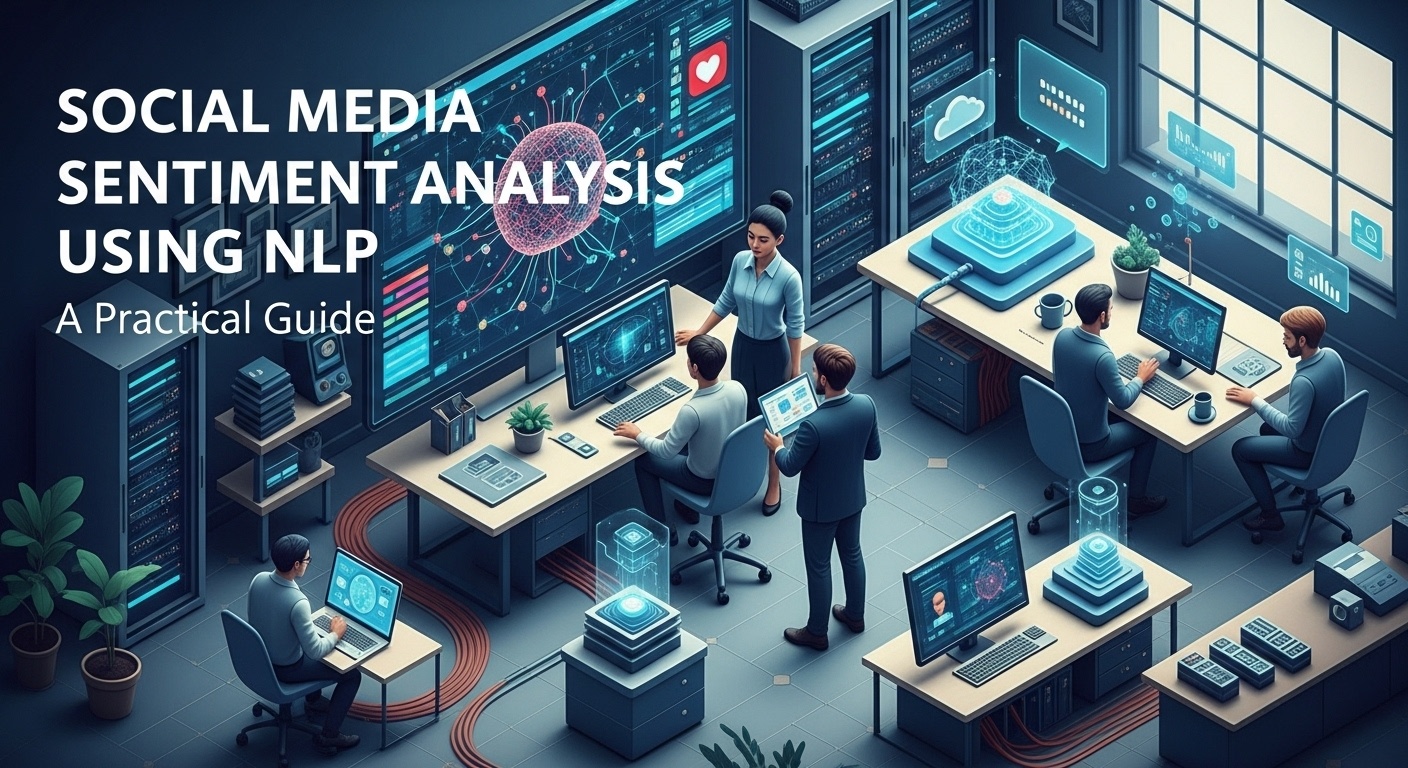
Understanding the Transformation Fueled by Sentiment Analysis
In an age where digital interactions shape customer experiences, grasping the nuances of consumer emotions is paramount for business success. Sentiment analysis on social networks is providing companies with the ability to uncover public perceptions and sentiments surrounding their brands. This powerful tool leverages Natural Language Processing (NLP) to meticulously analyze the vast sea of user-generated content, enabling brands to tap into a wealth of opinions that were once challenging to measure.
To illustrate the significance of this technology, consider the following critical facets:
- Real-time insights: Imagine a beverage company launching a new soda flavor. With sentiment analysis, they can track comments and reactions on social media within minutes of the launch, allowing them to gauge the initial consumer response and adapt marketing efforts accordingly. Companies like Coca-Cola utilize these insights to fine-tune their strategies in response to customer feedback swiftly, ensuring they remain aligned with consumer desires.
- Enhanced customer engagement: When a brand understands the emotional undertones of its audience, it can craft communications that resonate better with them. For example, if sentiment analysis indicates a largely positive feeling towards eco-friendly initiatives, brands like Patagonia can amplify their sustainability campaigns, fostering deeper connections with environmentally-conscious consumers.
- Data-driven strategies: Marketers equipped with sentiment data can design targeted advertising campaigns that speak directly to specific demographics. A beauty brand analyzing social media sentiment may find a rising interest in organic products among millennials. Armed with this knowledge, they can adjust their campaigns to highlight organic ingredients, appealing directly to a highly receptive audience.
As brands navigate the crowded, noisy landscape of social media, the capacity to accurately assess consumer sentiment can significantly influence their market standing. Reports suggest that organizations employing sentiment analysis have witnessed notable improvements in customer satisfaction and loyalty. For instance, Delta Air Lines has harnessed sentiment analysis to monitor feedback about flight experiences, leading to enhanced customer service initiatives and increased passenger retention.
Additionally, these insights can drive product development. By analyzing consumer opinions, companies can innovate based on real-time feedback, ensuring that their offerings align closely with market desires. Brands like Amazon have pioneered this approach, systematically using sentiment analysis to refine their product lines based on consumer reviews, thus fostering customer loyalty and satisfaction.
The melding of sentiment analysis and NLP is more than just a passing trend; it is a transformative force that reshapes the relationships between businesses and consumers. This exploration will delve into the nuances of sentiment analysis, its implications for marketing strategies, and its potential to revolutionize customer interactions. Prepare to uncover the future of digital engagement through the lens of sentiment analysis, a pivotal tool in today’s marketing arsenal.
DIVE DEEPER: Click here to discover insights
The Mechanics of Sentiment Analysis: How It Works
Sentiment analysis is driven by sophisticated algorithms that dissect text to determine whether the sentiment is positive, negative, or neutral. This process, primarily grounded in Natural Language Processing (NLP), enables machines to emulate human-like understanding of language. With social media platforms overflowing with comments, tweets, and reviews, the need for automated systems to parse this information has never been more critical.
At its core, sentiment analysis utilizes several methods. One common approach is lexicon-based analysis, which relies on dictionaries of words associated with specific sentiments. The algorithm scans text for keywords (e.g., “love,” “hate,” “satisfied,” “disappointed”) and applies weights to them, aggregating the overall sentiment score. Another method is machine learning, where models are trained on labeled datasets to recognize patterns and contextual meanings, thus improving their accuracy over time.
The versatility of sentiment analysis enables it to cater to various industry needs. Here are some notable applications across sectors:
- Brand Reputation Management: Companies can utilize sentiment analysis to monitor their online reputation in real time. By identifying negative sentiments, brands can swiftly address customer grievances, mitigating potential PR disasters before they escalate.
- Competitor Analysis: Firms can gauge consumer sentiments towards their competitors, allowing them to identify market weaknesses or strengths. This critical information can lead to strategic positioning or product differentiation.
- Market Research: Sentiment analysis captures the overall mood regarding products, trends, or campaigns, providing invaluable data that informs marketing strategies. Brands can pivot and innovate based on the sentiments observed in consumer reactions.
The impact of sentiment analysis extends beyond immediate responses; it shapes a brand’s broader strategy in alignment with evolving consumer expectations. A key example can be found in the tech industry, where companies like Apple frequently analyze consumer feedback on forums and social media. By tracking sentiments surrounding new product launches or software updates, they can make timely adjustments and maintain customer loyalty.
Notably, the sheer volume of data available for analysis presents both a challenge and an opportunity. Distilling actionable insights from thousands or even millions of posts requires not just powerful algorithms but also robust data management systems. Companies that thrive in this environment are those that can extract the most value from sentiment data while maintaining a pulse on consumer behavior.
Furthermore, sentiment analysis empowers brands with predictive capabilities. By recognizing trends in public sentiment, businesses can anticipate shifts in consumer preferences, leading to proactively adjusted marketing strategies. This not only enhances engagement but can significantly impact a brand’s bottom line.
In summary, the evolution of sentiment analysis through NLP is a game changer for digital marketing, affording brands the tools needed to understand consumer emotions authentically. As we delve deeper into the application of sentiment analysis in marketing, it becomes evident that this evolving technology is not merely a trend; it is an integral component of modern business strategy.
Understanding the Impact of Sentiment Analysis in Digital Marketing
In the digital age, understanding consumer sentiment has become critical for brands looking to enhance their marketing strategies. By leveraging Natural Language Processing (NLP), companies can analyze vast quantities of social media data to gauge public opinion about their products and services. This not only allows them to tailor their campaigns effectively but also helps in identifying emerging trends and potential pitfalls.
Driving Customer Engagement
One of the most significant advantages of sentiment analysis is its ability to drive customer engagement. Businesses can track mentions of their brand across different platforms, enabling them to respond promptly to positive or negative feedback. Through timely interaction, brands foster a sense of loyalty and emotional connection with their customers, transforming casual observers into devoted advocates.
Fine-tuning Marketing Strategies
Furthermore, sentiment analysis provides valuable insights into target audience preferences. By analyzing the emotional tone of customer conversations, marketers can adjust their messaging and content tone to better resonate with audiences. For example, if analysis reveals that customers are responding positively to humor in advertising, brands can adapt their strategies to incorporate a more playful tone, enhancing their connection with consumers.
Enhancing Product Development
Moreover, the insights derived from sentiment analysis extend beyond marketing efforts into product development. By understanding customer sentiments related to specific features or product launches, businesses can make informed decisions about enhancements and modifications. This customer-centric approach not only increases the likelihood of success in the marketplace but also helps in building products that truly align with consumer needs.
Leveraging Data for Competitive Advantage
In an environment where competition is fierce, sentiment analysis enables organizations to identify their strengths and weaknesses relative to competitors. Brands can analyze sentiment around competitor products and marketing strategies to understand where they excel and where there’s room for improvement. This data-driven approach ensures that marketing teams are equipped with the insights they need to stay ahead in a crowded marketplace.
Advantages of Sentiment Analysis: A Quick Overview
| Advantage | Description |
|---|---|
| Real-time Insights | NLP enables brands to monitor social media effectively, capturing real-time customer sentiments. |
| Targeted Marketing | Analysis helps in crafting personalized messages that resonate with specific audience segments. |
| Brand Reputation Management | Quick identification of negative sentiments aids in mitigating potential reputation crises. |
| Improved Customer Relationships | Engaging directly with customers based on sentiment fosters stronger brand loyalty. |
DISCOVER: Click here to learn more
Enhancing Customer Experience Through Insights
In an age where consumer opinions can profoundly influence brand perception, sentiment analysis emerges as a critical tool in shaping personalized customer experiences. By leveraging NLP algorithms to decode sentiments expressed on social networks, companies can tailor their interactions and marketing efforts to resonate more deeply with their audience.
For instance, the travel industry has been one of the most significant beneficiaries of sentiment analysis. Airlines and hotel chains are increasingly utilizing this technology to monitor guest reviews on platforms like TripAdvisor and social media. By analyzing this data, they can determine aspects of their service that please customers, such as punctuality or staff friendliness, as well as areas that require improvement, such as long wait times or inadequate cleanliness. This information allows brands not only to respond to concerns in real-time but also to implement long-term operational enhancements, fostering a more satisfying customer journey.
Additionally, sentiment analysis can identify emerging trends in consumer interests, preferences, and behaviors. For example, during the COVID-19 pandemic, brands that tracked social media conversations observed a surge in interest for contactless services and outdoor experiences. By aligning their offerings with these changing sentiments, companies could pivot their marketing strategies effectively, promoting services that met the immediate needs of consumers during uncertain times.
- Email Marketing Optimization: Businesses can analyze previous email marketing campaigns’ sentiments to tailor content, subject lines, and calls to action that are more likely to engage recipients based on their reactions.
- Content Creation: Insight into consumer sentiment inspires more engaging content, from blog posts to videos, aligning closely with what resonates best with target audiences across various social networks.
- Personalized Recommendations: Companies like Netflix and Amazon use sentiment analysis not just to understand consumer preferences, but to improve their recommendation algorithms, ensuring that the offerings reflect what consumers are genuinely passionate about.
The application of sentiment analysis is also showing promising results in improving social media strategies. Brands that analyze the sentiment of their followers can gain insights into what they find engaging or annoying. This can inform not only the type of content they produce but also the timing and platform for distribution, enhancing visibility and engagement rates. For instance, fashion brands that accurately gauge the sentiments surrounding seasonal collections can adjust their promotional strategies, ensuring they align with consumer excitement and anticipation.
The dynamic nature of social media, characterized by real-time feedback, reinforces the necessity for brands to adapt their strategies continuously. With tools that aggregate and interpret vast amounts of social media data, sentiment analysis equips marketers with the agility needed to respond promptly to shifting consumer expectations. As a result, businesses can seize opportunities to create more relevant campaigns that resonate authentically with their target audiences.
Furthermore, the integration of voice sentiment analysis has opened new frontiers. Platforms that analyze voice interactions with customer service bots gain insights beyond mere textual content. By understanding tone and inflection during customer communications, brands can enrich their customer relationship management systems, creating a seamless dialogue that better attunes to individual needs.
As sentiment analysis continues to evolve, the fusion of technology and marketing strategies signifies a transformative era where understanding consumer sentiment is no longer an optional endeavor but a key driver in achieving business success. With the potential to reshape how brands engage with consumers, the focus on leveraging these insights ensures that companies remain interactive, innovative, and responsive in a competitive digital landscape.
DIVE DEEPER: Click here to discover more insights
Conclusion: The Future of Marketing in a Sentiment-Driven World
The integration of sentiment analysis into digital marketing represents a paradigm shift, wherein brands are no longer merely broadcasting messages but are engaging in meaningful conversations with their audiences. The ability of NLP algorithms to sift through mountains of social media data has empowered businesses to pinpoint consumer sentiment with unprecedented accuracy, actively shaping their marketing strategies.
As companies gain deeper insights into customer perceptions and preferences, they can craft more targeted and effective campaigns that speak directly to their audience’s desires. This not only enhances the customer experience but also cultivates brand loyalty in an increasingly competitive landscape. Moreover, as we continue to witness the proliferation of social media platforms and the emergence of new trends, the role of sentiment analysis is set to expand even further.
The evolution towards a more sentiment-driven approach challenges marketers to stay agile and responsive, continually learning from real-time feedback. This requires not just technological adoption but also a cultural shift within organizations to embrace data-driven decision-making. As digital marketing strategies evolve, brands that harness the power of sentiment analysis will undoubtedly gain a competitive edge, fostering authentic connections with consumers and driving sustainable growth.
In conclusion, the trajectory of sentiment analysis showcases a future where consumer voices shape brand narratives. The implications of this technology are vast, offering a transformative pathway for businesses to engage, innovate, and thrive in the digital marketplace. As we look ahead, investing in sentiment analysis will be crucial for any brand aiming to navigate the complexities of consumer emotions and build lasting relationships.