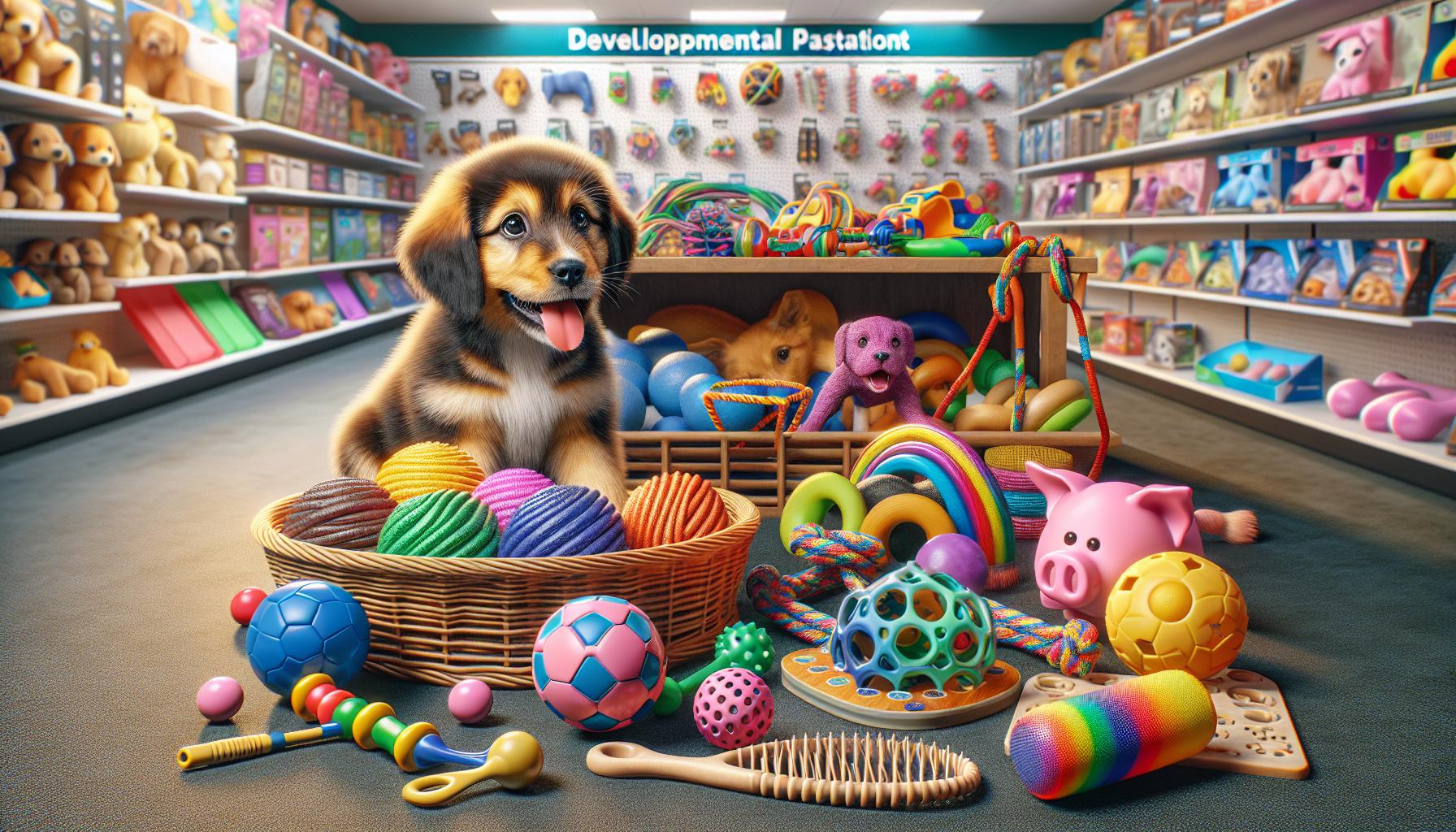
How to Choose the Ideal Toy for Every Type of Pet

The Importance of Choosing the Right Toys
When it comes to ensuring the happiness and health of your pet, selecting the proper toys is paramount. Just like humans, animals thrive on playful interaction, but each species approaches play in its unique way. Understanding your pet’s individual preferences and instincts can lead to a fulfilling play experience that promotes mental and physical well-being.
Factors to Consider
- Species: Each type of pet has distinct play styles. For example, dogs are often driven by chase and retrieval instincts, making balls and frisbees ideal choices. Cats, on the other hand, may prefer stealthy pounces on feathered wands or laser pointers. Birds crave toys that encourage chewing and climbing, while small animals like hamsters enjoy tunnels and chew toys that satisfy their natural burrowing behavior.
- Age: The age of your pet is a crucial factor in choosing the right toy. A rambunctious kitten is likely to be attracted to soft, crinkly toys that simulate prey, whereas an elderly cat may benefit more from interactive puzzles that engage their mind without requiring extensive physical effort. Similarly, puppies often enjoy teething toys that can alleviate discomfort as they lose their baby teeth.
- Size: It’s imperative to consider the size of your pet when selecting toys. Larger breeds, such as Great Danes, require more substantial and sturdier toys to prevent choking hazards, while smaller breeds, like Chihuahuas, may prefer toys they can easily carry and manipulate.
While selecting toys, it’s essential to recognize that they are not just playthings but tools for enrichment. Not all toys are created equal; some help promote physical activity, while others focus on stimulating cognitive engagement.
Essential Toy Attributes
- Material: Assess the quality of the toy’s materials. Opt for toys made from non-toxic, durable materials that can withstand rough play. Rubber, jute, and fabrics designed for pet use can provide both safety and longevity.
- Function: Think about the intended use of the toy. Is it designed for solo play, or can it be enjoyed interactively with you or other pets? Toys such as tug ropes can foster bonding while also keeping both you and your pet active.
- Interactivity: Incorporating toys that promote interaction can boost your pet’s social skills and physical activity. Engaging in play together not only strengthens your bond but also offers mental stimulation for your pet.
As you embark on your journey through the diverse world of pet toys, keep in mind that the choices you make can significantly impact your pet’s emotional and physical health. By understanding their unique characteristics and preferences, you can unleash a plethora of delightful and enriching play experiences. Stay curious and continue exploring this exciting aspect of pet ownership—your furry, feathered, or scaly friends will thank you for it!
DIVE DEEPER: Click here for expert bird training tips
Understanding Your Pet’s Unique Play Style
Before diving into the vast selection of pet toys available on the market, it’s crucial to appreciate the diversity in play styles that different pets exhibit. Every species comes with its own sets of instincts and behaviors, meaning that not all toys will resonate with every animal. You may find that certain toys end up gathering dust in your pet’s corner of the room, while others become instant favorites. Consequently, understanding your pet’s natural inclinations is the first step in ensuring that you choose the ideal toy for enriching their playtime.
Dogs: A World of Chase and Retrieve
For dog owners, the world of toys is often filled with options that cater to their furry companions’ love for chase, fetch, and tug-of-war. Whether it’s a classic tennis ball or a sturdy tug rope, these toys can fulfill their instinctual need for physical exercise and mental engagement. Additionally, consider incorporating interactive toys that challenge their cognitive abilities, such as puzzle feeders or treat-dispensing balls. These types of toys can keep dogs entertained for hours, especially when you are busy or away from home.
Cats: The Masters of Stealth
Cats are notorious for their playful yet elusive nature. Their instinct to hunt is reflected in the types of toys that capture their attention. Toys that mimic prey, like feathered wands or small, noisy balls, can inspire spontaneous pouncing and chasing, allowing them to satisfy their hunting instincts. Moreover, interactive laser pointers can provide a captivating form of play, stimulating both their mental and physical reactions. However, it’s also essential to include toys that encourage solitary play, as cats often enjoy engaging with toys on their own terms.
<h3.Birds: Chew and Climb for Enrichment
Birds, such as parakeets and cockatiels, require toys that not only entertain but also promote their natural chewing and climbing behaviors. Look for toys made from safe, non-toxic materials that allow them to chew and explore without risk. Chew toys and climbing structures can help keep their beaks healthy while providing them with the stimulation they require. Furthermore, try incorporating foraging toys that hide treats, encouraging your feathered friends to exercise their minds in a fun and rewarding way.
Small Mammals: Emphasizing Exploration
Small pets, like hamsters, guinea pigs, and rabbits, have distinct play needs that focus on exploration and natural instincts. These animals benefit from toys that provide an outlet for their natural burrowing and chewing behaviors. Tunnels, exercise wheels, and chewable toys made from safe woods can keep them busy and mentally stimulated. Additionally, offering an assortment of textures will contribute to their sensory experiences, making playtime even more engaging.
By taking the time to assess your pet’s individual needs—based on their species, age, and play style—you can significantly enhance their quality of life through appropriate toys. Each interaction with a well-chosen toy serves as an opportunity for bonding and enrichment, ultimately leading to happier, healthier pets.
Understanding Your Pet’s Needs
When selecting the ideal toy for your pet, it’s essential to consider their unique characteristics and needs. Each type of pet has distinct preferences and energy levels that can greatly influence their enjoyment and engagement with toys. For instance, dogs, being social and playful creatures, often seek toys that they can chew, tug, or retrieve. On the other hand, cats may prefer toys that simulate prey-like movements, such as interactive feather wands or laser pointers, allowing them to engage their hunting instincts.Moreover, understanding your pet’s age plays a crucial role in this selection process. Puppies and kittens are naturally more curious and energetic, necessitating durable and stimulating toys that withstand their active play. In contrast, older pets might appreciate softer, gentler toys that cater to their reduced mobility and sensitivity. This attentiveness to age-related preferences contributes to their overall well-being and happiness.
Materials Matter
The materials used in pet toys greatly influence their safety and effectiveness. It is vital to choose toys made from non-toxic, durable materials to ensure your pet’s safety during play. Look for certifications on pet toys that prove they have undergone rigorous safety testing. For example, rubber toys for dogs are excellent because they are sturdy and can withstand heavy chewing without breaking apart. For cats, lightweight and soft materials that cause minimal harm are preferred. Interactive toys often made from plastic must also be checked for chemical safety, as you want to avoid any potential health risks.Incorporating eco-friendly toys into your pet’s collection can be hugely beneficial as well. These toys, made from sustainable materials, not only reduce your pet’s carbon pawprint but also offer a variety of textures and experiences that keep their interest peaked.
A Variety of Toys
Lastly, offering a variety of toys can significantly enhance your pet’s playtime experience. Rotating toys can keep the novelty factor alive for your furry friends. A mix of interactive, chewable, and stuffed toys can cater to different moods and energy levels, ensuring that your pet stays engaged and stimulated. This practice helps in keeping them mentally sharp and less prone to behavioral issues stemming from boredom. Utilizing these insights and tools will empower you to make well-informed choices that resonate with your pet’s requirements, leading to intense playtime and significant bonding moments.
| Category | Description |
|---|---|
| Durable Toys | Toys made from strong materials that resist wear and tear. |
| Interactive Toys | Engaging toys that require participation to stimulate mental sharpness. |
| Eco-friendly Toys | Toys made from sustainable materials that are safe for pets and reduce environmental impact. |
Investigating these categories further will enable you to expertly tailor the toy selection process for your beloved pets, ensuring their happiness and well-being.
DISCOVER MORE: Click here to learn how to socialize your puppy
Safety and Durability: Key Considerations in Toy Selection
While the fun factor is crucial in choosing the ideal toy for your pet, safety and durability are paramount. With countless options available, it’s essential to ensure the toys you select are safe for your valued companions. Investigate toys constructed from non-toxic materials, as pets have a tendency to chew and potentially ingest parts of their playthings. A good rule of thumb is to steer clear of toys containing choking hazards, sharp edges, or small components easily detached and swallowed.
Assessing Material Safety
Understanding the materials that make up your pet’s toys can be enlightening. For example, plastic toys should be BPA-free, while rubber ones should be made from natural rubber without harmful additives. Wooden toys for rabbits and small mammals must also be sourced from types of wood that are safe for consumption, such as untreated apple or willow. Regularly inspect toys for wear and tear, as frayed edges or cracked surfaces can signify the need for replacement, preventing any potential health risks.
Choosing the Right Size
Equally important is selecting toys that are appropriately sized for your pet. A small toy can pose a choking hazard for larger pets, while an oversized toy can be challenging for small critters to manage. To ensure safety, choose toys that match your pet’s breed size and age. For example, larger dogs typically require robust, heavy-duty toys that can withstand their powerful jaws, while smaller breeds delight in toys designed for their petite mouths. Similarly, small mammals appreciate toys they can easily manipulate, ensuring their playtime is both engaging and safe.
Active Play vs. Solitary Engagement
Before making a purchase, consider your pet’s activity level and preference for active play versus solitary engagement. High-energy dogs benefit from durable balls or frisbees that cater to their need for active play and exercise. For those who thrive during contained play sessions, tug toys may be ideal, promoting bonding through physical interaction.
Cats often oscillate between the two styles. Toys that allow for spontaneous play, such as feathered wands or toys that roll unpredictably, can satisfy their curious nature. Yet, they also relish toys that engage them during quiet times, such as soft mice or crinkly balls. Balancing these two play styles can lead to a well-rounded play environment that stimulates both their mental and physical health.
Interactive and Puzzle Toys: A Step Towards Smart Play
Interactive and puzzle toys are another excellent addition to your pet’s toy collection. As pets require not only physical stimulation but also mental engagement, these toys can significantly contribute to their overall well-being. Seek out toys that challenge their intelligence and provide rewards for successful problem-solving, whether through treat dispensers for dogs or hidden compartments for small mammals. This kind of enrichment can stave off boredom and associated behavioral issues, making it a wise investment for your pet’s happiness.
Choosing the right toy may seem overwhelming at first; however, by prioritizing safety, understanding your pet’s unique needs, and considering their playful tendencies, you can curate a toy collection that enhances their play experience and overall quality of life. Remember, it’s a journey of mutual discovery between you and your beloved pet, ultimately leading to enriching moments of joy and companionship. Your thorough approach can lead to countless hours of engagement, ensuring that every toy reflects your pet’s unique personality and desires.
DISCOVER MORE: Click here to learn about superfoods for your pets
Final Thoughts: Crafting the Perfect Playtime Experience for Your Pet
Choosing the ideal toy for your pet is not just about filling their playroom with fun and engaging items; it’s about enhancing their overall well-being. Throughout this guide, we have emphasized the importance of safety, durability, and tailored engagement as critical considerations when selecting toys. By opting for non-toxic materials and ensuring the right size, you can create a safe environment for your beloved companions while minimizing risks.
Understanding your pet’s personality and play styles—whether they are active, solitary, or intellectually curious—enables you to select toys that keep them physically and mentally stimulated. Interactive and puzzle toys, for example, present opportunities for smart play that can foster problem-solving skills and stave off boredom.
As you embark on this journey of discovery with your pets, it is beneficial to regularly assess their playtime preferences and toy conditions. Rotating their toys and introducing new options can rejuvenate their excitement, making playtime fresh and engaging. Moreover, consider investing time in observing how they interact with their toys—each moment spent in play not only brings joy but also strengthens the bond between you and your pet.
In conclusion, selecting the perfect toy can seem daunting, but it is an invaluable investment in your pet’s happiness and health. By following these guidelines, you can ensure a delightful array of toys that serve to entertain, educate, and enrich your pet’s life, ultimately leading to a thriving and joyful companion.