Natural Foods vs. Commercial Feed: What is Best for Your Pet?
Understanding Natural Foods vs. Commercial Feed
When it comes to feeding our pets, the choices available can indeed seem overwhelming. From premium kibble to gourmet canned food, the variety of options requires careful consideration. Pet owners are becoming increasingly conscientious about the nutritional quality of their pets’ diets, leading to a surge in interest in both natural foods and commercial feed.
Ingredients Matter
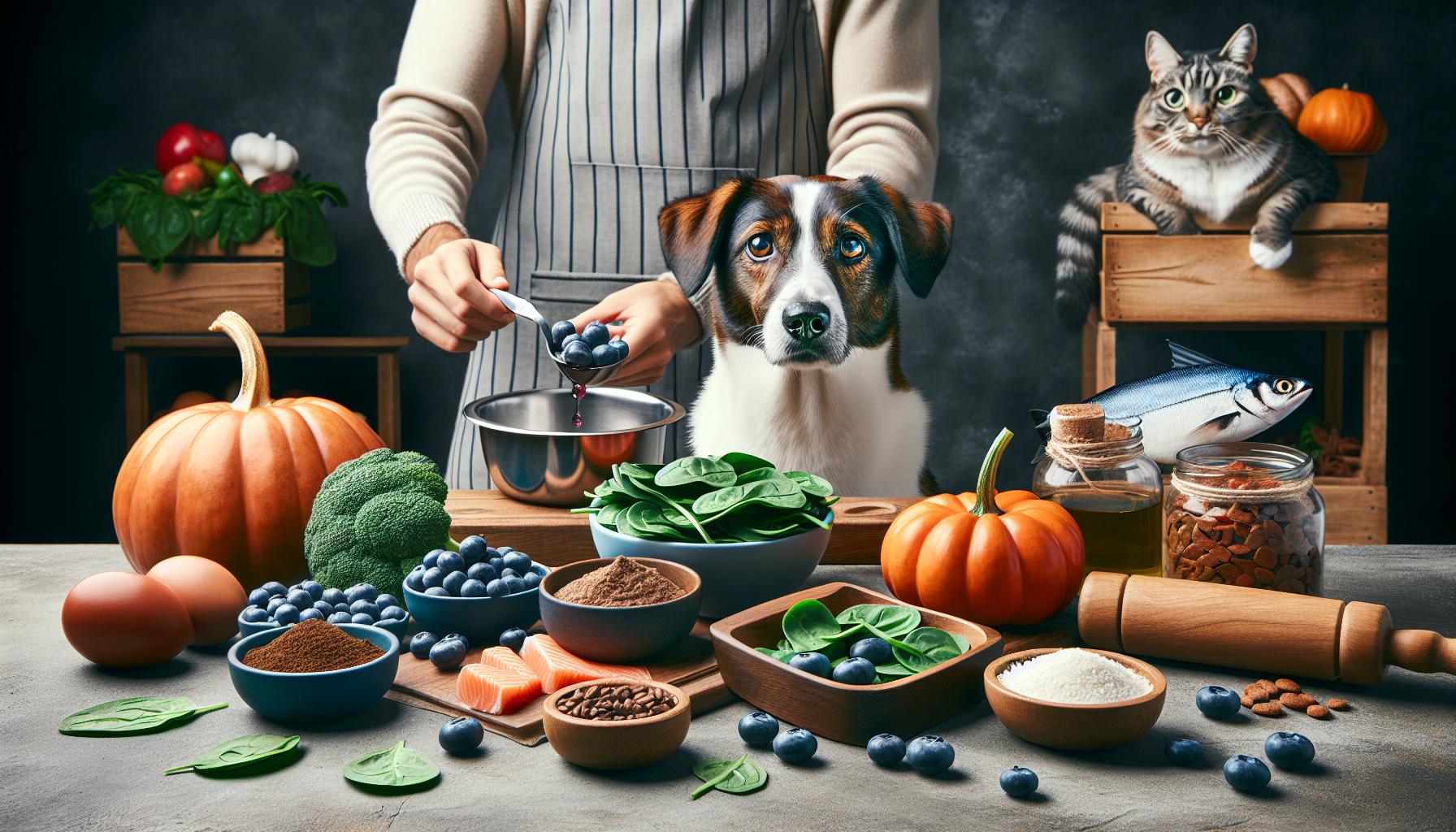
One of the primary distinctions between natural foods and commercial feed lies in their ingredients. Natural foods, often referred to as whole foods, typically consist of fresh, minimally processed ingredients without artificial additives or preservatives. For example, a natural dog food might contain whole meats, vegetables, and whole grains with no fillers like corn or soy. In contrast, commercial feeds often utilize a mix of highly processed components, including meat by-products and artificial flavors designed to enhance taste. With many pet owners closely scrutinizing ingredient labels, the choice often leans towards natural options that promise fewer chemicals and higher nutritional value.
Nutrition Tailored for Needs
Another crucial factor is nutrition. Commercial pet food companies invest significantly in formulating diets that address specific health concerns, such as weight management, dental health, or life stage. For instance, brands like Hill’s Science Diet and Royal Canin offer specialized diets that cater to growing puppies or senior pets. These products are often backed by research and designed to meet the nutritional guidelines established by bodies like the Association of American Feed Control Officials (AAFCO). On the other hand, while natural foods can provide wholesome nutrition, they may require additional supplementation to ensure a balanced diet, particularly if they lack certain nutrients found in commercially produced feeds.
Cost Considerations
In today’s economy, cost is an essential consideration for many pet owners. Natural foods often come with a higher price tag due to their premium ingredients and ethical sourcing practices. For example, organic pet foods can cost significantly more than mass-produced options. A 25-pound bag of a high-quality natural dog food might run upwards of $60, while commercial brands may offer a comparable product for less than half that price. This financial aspect can lead to difficult choices for pet owners who want the best for their pets without breaking the bank.
Making an Informed Decision
Ultimately, with growing awareness about pet nutrition, pet owners face a pivotal question: What is the best diet for their beloved companions? To make well-informed choices, it is beneficial to consult with a veterinarian, particularly when considering any drastic diet changes or addressing specific health issues. Additionally, researching both natural and commercial options allows pet owners to understand the potential benefits and drawbacks of each type of food, leading to informed and responsible decisions.
This exploration into natural foods and commercial feed underscores their profound impact on pets’ health, behavior, and overall longevity. As a responsible pet owner, engaging thoroughly in your pet’s dietary decisions can mean a healthier, happier life for your furry family member!
DISCOVER MORE: Click here to learn how nutrition impacts your pet’s behavior
The Nutritional Breakdown: What’s Really in Your Pet’s Food?
Choosing between natural foods and commercial feed requires a deeper look into the specific nutritional content and how it aligns with your pet’s needs. Each category comes with its own set of advantages and disadvantages that can significantly affect your pet’s health and happiness.
Understanding Nutritional Labels
One of the most important aspects pet owners should consider is how to read and interpret the nutritional labels on pet food products. For natural foods, labels often proudly highlight their use of recognizable ingredients such as chicken, brown rice, and sweet potatoes. These items indicate a commitment to quality and wholesomeness. On the other hand, commercial pet food labels might include terms like “meat meal,” “animal by-products,” and vague descriptors that can be misleading. Understanding these terms is crucial in ensuring that your pet is receiving the nutrients they need.
Health Benefits for Different Life Stages
An often-overlooked factor is tailored nutrition as pets age. Many commercial feeds are designed to cater to various life stages—puppy, adult, and senior—ensuring that a dog or cat receives appropriate levels of nutrients during their development or aging process. For example:
- Puppies require higher protein and calorie content to support their growth.
- Adult pets benefit from balanced diets focusing on maintaining weight and overall health.
- Senior pets may need diets rich in fiber and lower in calories to help manage health conditions.
Conversely, while natural foods provide vital nutrients, they may not always be formulated with specific life stages in mind. This could lead to potential nutritional gaps unless pet owners invest the time to research and supplement appropriately. For instance, older dogs may require joint-supporting supplements that aren’t always present in standard natural diets.
The Impact of Ingredients on Digestibility
Digestibility is another critical factor that varies significantly between natural foods and commercial feeds. Natural foods are often formulated with bioavailable ingredients—those that can be easily absorbed and utilized by the body—leading to better nutrient absorption. This means that pets may experience improved energy levels, better coat condition, and overall enhanced well-being when fed a high-quality natural diet.
In contrast, many commercial feeds incorporate fillers and low-quality proteins, which can lead to poor digestibility. This often results in larger stool volumes and decreased nutrient absorption, potentially making your pet less active and healthy. Studies have suggested that pets on high-quality, natural diets may have fewer gastrointestinal issues, further underscoring the significance of ingredient quality in pet nutrition.
As you reflect on what may be best for your furry friend, it’s vital to weigh these aspects carefully. The choice between natural foods and commercial feeds is not just a matter of preference; it’s about nurturing their health through informed dietary decisions.
Natural Foods vs. Commercial Feed: Nutritional Comparison
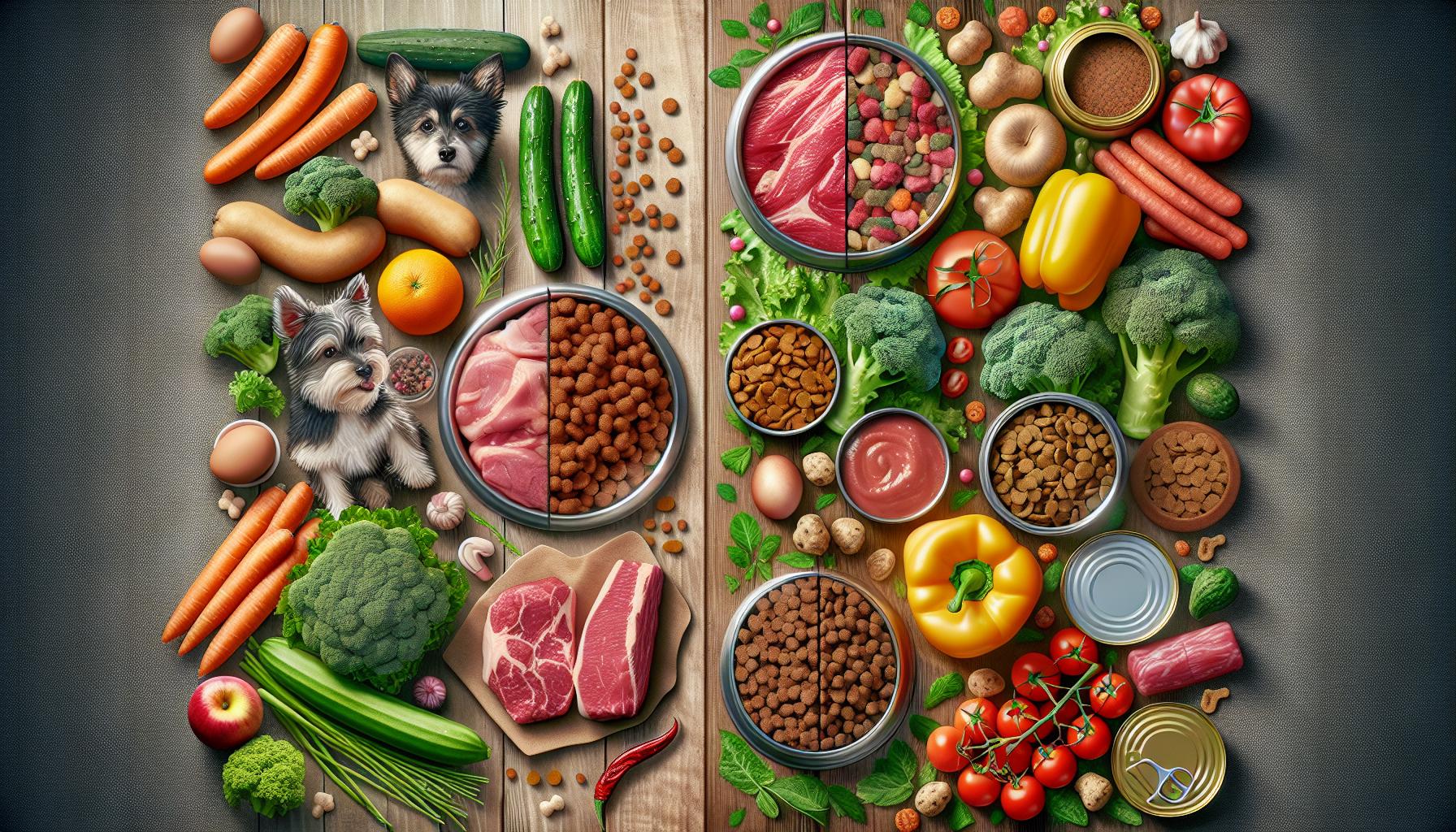
When it comes to deciding between natural foods and commercial feed, it is essential to delve into the nutritional aspects that can significantly impact your pet’s health. Natural foods often provide a higher quality of ingredients, including whole meats, fresh fruits, and vegetables, which can lead to improved digestion and a more balanced diet. On the other hand, commercial feeds typically come in formulated kibble or canned varieties that may include preservatives and fillers. To understand the importance of these choices, consider that natural diets rich in omega fatty acids from sources like fish oil can promote a healthy coat and skin, while commercial feeds might lack these vital nutrients. Additionally, the presence of artificial flavors and colors in some commercial brands can provoke allergies in sensitive pets. It’s crucial to evaluate the specific needs of your pet, age, size, and any underlying health conditions. Some pets thrive on a natural diet, while others may benefit from quality commercial alternatives. Researching the ingredient lists and ensuring compatibility with your pet’s unique requirements can provide insights into their dietary needs. In the exploration of natural foods versus commercial feed, each option presents unique advantages that can contribute to your pet’s well-being, encouraging pet owners to read beyond the labels and consider what truly nourishes their furry companions.
DISCOVER MORE: Click here to learn about cat socialization
The Long-Term Health Consequences of Food Choices
When deciding between natural foods and commercial feed, it’s crucial to consider their long-term health implications on your pet. While the immediate effects of diet may be noticeable, such as shiny fur and increased energy, the enduring impacts on health and longevity should not be overlooked. An increasing number of veterinary professionals and pet owners alike have begun to recognize that a pet’s diet can play a pivotal role in preventing chronic diseases and obesity.
Understanding Pet Obesity
Pet obesity has reached epidemic proportions in the United States, with estimates stating that more than 50% of dogs and cats are considered overweight or obese. This alarming trend can often be traced back to poor dietary choices. Many commercial feeds are high in calories, fats, and fillers, leading to excessive calorie intake and weight gain. Fillers, such as corn and wheat, provide minimal nutritional value while adding unnecessary bulk to pet food. On the other hand, natural foods typically prioritize lean proteins, vegetables, and whole grains, which can support a pet’s healthy weight management.
Allergies and Food Sensitivities
Food allergies and sensitivities are growing issues among pets, with reactions ranging from skin irritations to gastrointestinal disturbances. Many commercial pet foods contain a range of potential allergens, like wheat, soy, and artificial preservatives that might trigger adverse reactions in sensitive pets. Natural foods, often formulated with fewer ingredients and whole food items, significantly reduce the risk of allergenic response. For instance, a pet owner might find success feeding their dog a simple, single-protein natural diet, such as salmon and sweet potatoes, if they suspect a food allergy.
The Role of Additives and Preservatives
Another area where natural foods tend to shine is in their ingredient simplicity. Many commercial feeds rely heavily on artificial preservatives and additives to enhance flavor or prolong shelf life. Ingredients such as BHA (butylated hydroxyanisole) and BHT (butylated hydroxytoluene) may be effective for preservation, but they are linked to various health concerns, including increased cancer risks. In stark contrast, high-quality natural foods often utilize natural preservatives like mixed tocopherols or rosemary extract, which can provide a safe and healthy alternative while still offering longevity in storage. The concern over synthetic additives has prompted pet owners to explore more natural dietary options, fostering a demand for cleaner food formulations.
Informed Decision-Making: Consulting Your Veterinarian
As you navigate the complexities of natural foods versus commercial feed, engaging with a vet can provide invaluable insights tailored to your pet’s unique needs. They can help interpret specific nutritional requirements based on your pet’s age, weight, and activity level, thus guiding you toward better dietary decisions. Furthermore, many veterinarians stay updated on the latest research and product developments, providing recommendations that align with the best interests of your pet’s health.
Lastly, remember that pet nutrition is a personal journey. No singular answer exists for what is best, and understanding the implications of your choices is key. Balancing instinct, research, and professional guidance will ensure that your furry companion not only thrives today but will continue to do so for years to come.
DISCOVER MORE: Click here to learn about essential nutrients for your pets
Making the Right Choice for Your Pet’s Diet
In the debate between natural foods and commercial feed, it becomes evident that pet nutrition is far from a one-size-fits-all scenario. As we’ve explored, the potential long-term health consequences of your pet’s diet are complexities that deserve thorough consideration. From the rising rates of pet obesity, which affect over 50% of America’s cats and dogs, to the growing concerns surrounding food allergies and sensitivities, the choices you make can significantly impact your pet’s quality of life.
Choosing natural foods not only provides nutritional benefits with less risk of allergens but also minimizes exposure to harmful additives often found in commercial products. Moreover, understanding your pet’s specific dietary needs, ideally through consultation with a veterinarian, empowers you to make informed choices. Whether you lean toward crafting homemade meals or choosing high-quality natural foods from reputable brands, the commitment to a healthier diet can pave the way for a happier, longer life for your companion.
Ultimately, it is paramount for pet owners to remain vigilant, engaged, and inquisitive about their pets’ nutrition. There’s no simple answer to what form of diet is the best; it’s about finding the right balance that caters to your pet’s individual health requirements. As you weigh these options, consider not just the immediate benefits, but the lasting influence of your choices on your pet’s ongoing health and vitality, leading them to thrive for years to come.