Tips for Creating a Safe and Comfortable Environment for Your Pet

Creating a Safe Haven for Your Furry Friends
As pet owners, ensuring a safe and comfortable environment for our beloved animals is a top priority. Pets thrive in settings that meet their physical and emotional needs, which significantly contributes to their overall happiness and health. A chaotic environment can lead to stress for pets, potentially resulting in behavioral issues like anxiety or aggression. Therefore, understanding how to create a serene atmosphere is key to nurturing your pet’s well-being.
To foster this ideal environment, consider the following key aspects:
- Secure Your Space: Use barriers such as gates or crates to keep pets away from hazards like stairs, toxic plants, or cleaning supplies. For example, ensure that small pets like hamsters or rabbits can’t escape their enclosures. Identifying potential dangers within your home is crucial, as even common household items can pose a risk to curious furry explorers.
- Comfortable Resting Areas: Provide cozy bedding in quiet areas where your pets can retreat to feel safe. Cats often seek out high perches or secluded corners, while dogs may prefer a cozy dog bed in a family space. Investing in quality bedding that provides support can alleviate joint pain in older pets, enhancing their comfort.
- Temperature Control: Maintain a suitable indoor climate, adjusting for changing seasons. In the summer, a fan or air conditioning can prevent overheating, especially for breeds sensitive to heat. Conversely, during the winter, providing blankets or heated bedding options can keep your pet warm and snug.
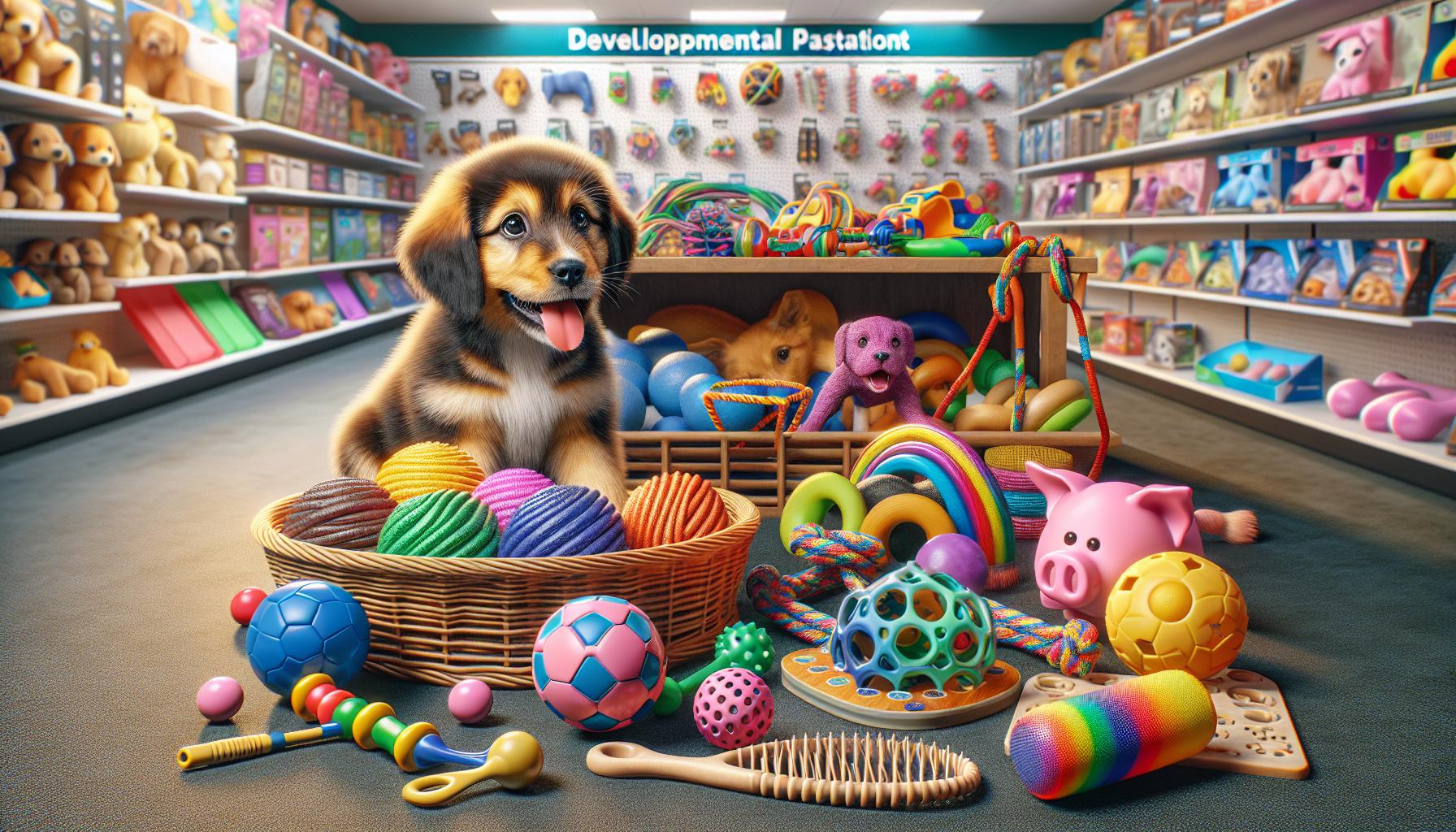
- Safe Toys: Choose durable, non-toxic play items that suit your pet’s size and chewing habits. For instance, large dogs require strong toys that can withstand heavy chewing, while small pets might benefit from softer, smaller options. Avoid toys with small parts that could be ingested, as these can lead to serious health issues.
- Regular Cleaning: Keeping the area free of hazards and allergens is crucial for your pet’s health. Regularly vacuuming pet hair and dander helps maintain air quality and reduce allergic reactions, while also minimizing the risk of accidents from clutter. It’s also beneficial to frequently wash pet bedding to prevent the buildup of dirt and odors.
It’s essential to recognize that each pet has unique preferences and needs. For instance, while some pets may thrive in active environments with lots of interaction, others may prefer quieter spaces to retreat. Observing their behavior can guide you in adapting your home to create a personalized haven. Noticing how your dog reacts to different environments, or which toys your cat gravitates towards, can help you better cater to their desires.
By prioritizing these elements, you lay the groundwork for a nurturing environment, making your furry friends feel loved and respected. Being attentive and responsive to their needs not only strengthens the bond between you and your pet but also enhances their quality of life. Explore the various strategies outlined in the following sections to become an even more devoted pet owner. Investing time and effort into creating a safe haven will undoubtedly yield happy, well-adjusted companions.
DISCOVER MORE: Click here to learn how to choose the perfect toy for your pet
Understanding Your Pet’s Needs
Creating a safe and comfortable environment for your pet begins with a thorough understanding of their specific needs and natural behaviors. Every pet is unique with their own preferences, and recognizing these can significantly influence their happiness and well-being. Taking the time to observe your pet can lead to important insights that help you establish a space they feel secure in. Below are some essential factors to consider when tailoring your living space for your furry companions:
- Know Their Breed Characteristics: Different breeds often come with distinct behavioral traits that influence their comfort levels. For instance, high-energy breeds like Border Collies thrive in active environments where they can exercise regularly, while more sedentary breeds like Bulldogs may prefer a relaxed setting. Researching your pet’s breed can give you a solid foundation on how to create an environment that meets their needs.
- Safe Spaces: Pets often need designated safe spaces to retreat from excitement or stress. Generating corners with calming items such as blankets or familiar toys can create a cozy nook they can escape to. Dogs may benefit from a designated crate that serves as their personal retreat, while cats might prefer an enclosed cat tree that offers a high vantage point for observing their territory.
- Nutrition and Accessibility: Providing convenient access to food and water is another essential aspect of creating a comfortable environment. Ensure bowls are placed in low-traffic areas so your pets can eat and drink without feeling rushed or pressured. Additionally, it’s crucial to offer high-quality pet food tailored to their age, weight, and health needs, as optimal nutrition impacts their overall health.
- Routine and Structure: Pets thrive on predictability, so establishing a consistent routine can help them feel secure. Regular feeding, exercise, and playtime create a sense of stability. Training sessions integrated into their daily activities also foster mental stimulation, which is crucial for their emotional health and reduces the likelihood of behavioral issues arising.
- Human Interaction: Quality time with their human companions is essential for the emotional well-being of pets. Ensure that your pets receive plenty of affection and attention through play, grooming, and simple companionship. Dogs, in particular, are social animals that regard their human families as pack members, hence regular interaction can significantly boost their happiness.
By considering these factors, you can significantly enhance your pet’s environment, leading to a happier, healthier life. Understanding your pet’s unique needs and creating a safe space helps mitigate stress and anxiety, promoting a content and calm demeanor. In the next sections, we will delve deeper into practical strategies to foster a welcoming atmosphere tailored to your pet’s needs.
| Safety Measures | Comfort Enhancements |
|---|---|
| Secure Environment | Cozy Spaces |
| Removing hazards, such as poisonous plants and dangerous objects, creates a safe haven for your pet. Regularly check for potential risks around the house. | Providing a designated cozy area with a comfortable bed or blankets helps your pet feel secure and relaxed. |
| Regular Vet Checkups | Environmental Enrichment |
| Routine health checks ensure your pet’s well-being, preventing potential health issues and ensuring that they’re happy. | Interactive toys and activities stimulate your pet’s mind, keeping them engaged and promoting their overall happiness. |
Creating a safe and comfortable environment for your pet goes beyond basic care. Incorporating both safety measures and comfort enhancements can significantly improve their quality of life. By removing hazards from their surroundings and ensuring that they have a dedicated cozy area, pets can thrive in a nurturing setting. Regular veterinary checkups are essential—not only to monitor potential health risks but also to provide peace of mind to pet owners. Moreover, engaging your pet with environmental enrichment through toys and activities encourages physical and mental health. This holistic approach ensures that your furry companions enjoy both safety and comfort in their homes.
DISCOVER MORE: Click here to learn about the adoption process
Creating a Safe and Engaging Play Area
In addition to understanding the specific needs of your pets, it is crucial to establish a safe and engaging play area that promotes their physical and mental well-being. A well-designed space not only provides an outlet for energy but also encourages beneficial play behaviors. Here are several key components to consider when setting up a pet-friendly play area:
- Proper Fencing: If you have a backyard, ensure that it is securely fenced and free from escape routes. Dogs are known for their adventurous spirits, so proper fencing—ideally at least 6 feet tall for larger breeds—can prevent unwanted escapes and keep your pet safe from potential hazards or encounters with wildlife. Check for gaps in the fence regularly, as determined pups can often find their way through the smallest of spaces.
- Designated Play Zones: Create specific zones for play and exercise. For instance, a grassy area can serve as a perfect space for dogs to run and play fetch, while softer surfaces like rubber mats or padded flooring inside your home can provide a safe area for indoor play, reducing the risk of slips and injuries. Use this space to include climbing structures for both cats and dogs, which promote physical activity and stimulate their curiosity.
- Toys and Enrichment Materials: Providing a variety of toys, including chew toys, puzzle toys, and interactive games, is essential for keeping your pet engaged and mentally stimulated. Consider rotating toys every few weeks to keep things fresh and challenging. Pets, especially dogs, thrive on enrichment activities that replicate their natural hunting or foraging instincts, such as treat-dispensing toys or hidden treasure hunts around the house.
- Non-Toxic Plants: If you’re looking to add some greenery to your home or yard, be mindful of the types of plants you choose. Many popular houseplants, like lilies and philodendrons, can be toxic to pets if ingested. Opt for pet-safe plants like spider plants or Boston ferns to keep your space vibrant without risking your pet’s safety.
- Temperature Control: Ensuring your pet stays comfortable during extreme weather conditions is paramount. During summer, provide shaded areas or cooling mats, while in winter, ensure they have warm bedding and access to indoor spaces. Proper ventilation is also crucial; pets can overheat quickly, so a well-ventilated area will help keep their breathing steady during playtime.
- Regular Cleaning and Maintenance: A clean environment is vital for your pet’s health. Regularly cleaning their play area and living spaces helps reduce the risks of parasites and infections. Also, ensure that any toys or accessories are safe, free from wear and tear, and suitable for their size and chewing habits. Broken or damaged items can be hazardous and should be replaced promptly.
By focusing on creating a well-thought-out play area, you ensure not only the safety of your pets but also promote their happiness and overall health. An interactive, clean, and secure environment serves as a foundation for enjoyable experiences that foster bonding and growth between you and your furry friends. Next, we will explore the importance of regular health checks and preventive measures that contribute to a thriving pet lifestyle.
LEARN MORE: Click here for expert training tips
Conclusion
In a world where pets are cherished family members, creating a safe and comfortable environment for them is paramount. By understanding their individual needs and preferences, pet owners can tailor spaces that promote both physical activity and mental stimulation. From ensuring secure fencing to developing designated play zones filled with enrichment materials, a well-planned environment provides the perfect backdrop for pets to thrive. Integrating elements like non-toxic plants, temperature control features, and a commitment to regular cleaning can further enhance their living conditions.
Ultimately, investing time and effort into crafting such an environment pays dividends in the form of happier, healthier pets. Bonding experiences will flourish as pets explore their spaces, engage with various toys, and enjoy their well-deserved comfort. Furthermore, the importance of regular health checks and preventive measures cannot be overstated, as they contribute significantly to a thriving pet lifestyle.
Staying informed about your pet’s needs encourages a proactive approach to their well-being. As responsible pet owners, it is essential to consistently evaluate and adapt their surroundings for continuous improvement. In doing so, we provide them with a vibrant, safe, and enriching atmosphere that not only meets their needs but also reinforces the deep bond we share. Take these tips to heart, and embark on a journey to a happier and more fulfilling life for your four-legged friends.