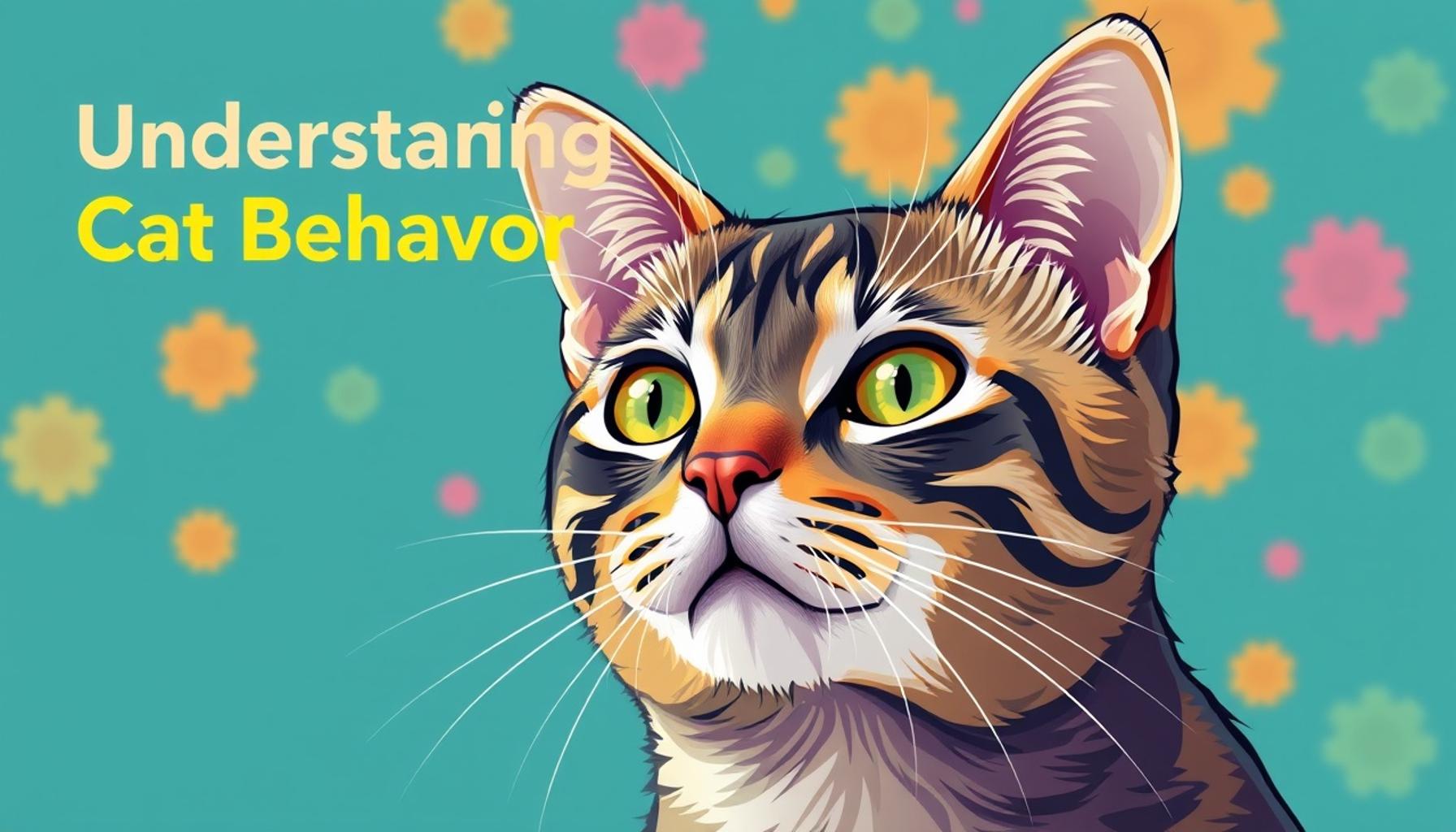
Understanding Cat Behavior: Insights into Feline Health and Wellness
The Habits and Traits of Cats
Cats are often regarded as enigmatic companions, showcasing a variety of behaviors that can leave even the most dedicated cat owners scratching their heads in confusion. Gaining a comprehensive understanding of these behaviors is essential for ensuring a cat’s health and wellness, as it can help owners cater to their needs more effectively.
There are numerous factors that significantly influence cat behavior, including:
- Genetics – Just like humans, a cat’s personality can be heavily influenced by its genetic makeup. Certain breeds, for instance, are known for their distinct tendencies. Siamese cats are often vocal and social, while Maine Coons are typically gentle giants who enjoy companionship. Understanding these inherited traits can aid in predicting behavior and managing expectations.
- Environment – The physical and social surroundings where a cat lives play a crucial role in shaping its behavior. Cats thrive in enriching environments filled with stimulating toys, vertical spaces, and places to hide. A dull and chaotic home can lead to stress, resulting in undesirable behaviors such as excessive scratching or hiding.
- Socialization – The experiences a cat has during its formative days greatly impact its interactions with humans and other animals. Proper socialization in the early weeks of a kitten’s life can lead to a well-adjusted adult cat that is comfortable around both pets and people.
From the playful antics of a kitten pouncing on imaginary prey to the calm presence of an adult cat basking in a sunbeam, every feline has its own set of charming quirks. Gaining insights into these behaviors is crucial for:
- Identifying signs of stress – A cat that suddenly becomes withdrawn or aggressive may be exhibiting signs of stress. Recognizing these patterns can help owners make changes to alleviate their pet’s anxiety.
- Recognizing health issues – Behavioral changes can signal underlying health problems; for example, a cat that suddenly stops using the litter box may be experiencing a medical issue rather than behavioral defiance.
- Enhancing overall well-being – By understanding and catering to a cat’s specific needs, owners can improve their pets’ quality of life through enriched playtime or more comfortable resting areas.
This article aims to dive deeper into the captivating world of cat behavior. By unraveling the motivations behind their actions—from the twitch of their tails to the way they interact with their humans—we hope to empower you with the knowledge to refine your cat care techniques. This understanding can lead to a satisfying and enriched life for your furry companion, ensuring happiness for both pets and their owners alike.
The Importance of Play in Feline Health
One of the hallmark behaviors in cats is their innate desire to play. Unlike many animals that may outgrow the need for play, cats retain this playful nature throughout their lives. Understanding the significance of play is essential for fostering a cat’s emotional and physical well-being. Engaging in interactive play not only satisfies a cat’s instinctual hunting behaviors but also provides valuable opportunities for exercise, mental stimulation, and bonding with their owner.
Playtime can take several forms, and each offers different benefits to a cat’s health:
- Physical Exercise – Cats are natural hunters, and their play often mimics stalking and pouncing on prey. Regularly engaging your feline friend in vigorous play helps maintain a healthy weight and supports cardiovascular health. Popular toys such as feather wands, laser pointers, or even simple crumpled paper can spark intense physical activity.
- Mental Stimulation – Puzzle toys or treat-dispensing gadgets not only entertain but also challenge a cat’s problem-solving skills. Providing varied and engaging toys can keep a cat mentally sharp and prevent boredom, which is a common precursor to behavioral issues.
- Emotional Well-being – Play acts as a bonding experience between cats and their human caregivers. It instills a sense of security and happiness, enabling cats to express their individuality while strengthening their trust in their owners. Additionally, play helps alleviate stress and anxiety, especially in multi-pet households or during major life changes.
While it may seem fun and games, playtime is a crucial aspect of a cat’s life and significantly contributes to its overall health and wellness. Cat owners should aim for at least two interactive play sessions each day, tailored to their cat’s energy levels and interests. Observing a cat’s preferred play styles—whether they prefer solo play or interaction with their humans—can help owners create a play routine that suits their pet’s unique personality.
In addition to structured playtime, providing a variety of toys and environments that encourage exploration can enhance a cat’s overall well-being. Scratching posts, climbing trees, and cozy hiding places allow cats to express their natural instincts in a safe manner. Understanding these behaviors not only aids in meeting their needs but also enriches the bond shared between cat and owner.
By prioritizing play as an essential element of daily life, owners can enhance their cat’s happiness while also taking proactive steps towards managing stress levels and preventing behavioral problems. The collective understanding of how to meet the inherent needs of cats leads to healthier and happier lives for these beloved companions.
Understanding Cat Behavior: Insights into Feline Health and Wellness
Understanding your feline friend’s behavior is crucial for ensuring their overall health and wellness. Cats communicate in various ways, and recognizing their signals can mean the difference between a happy, healthy cat and one that is stressed or unwell. One of the most significant aspects of cat behavior is body language; for instance, a cat’s tail position can reveal a lot about their emotional state. A high, quivering tail often indicates excitement or happiness, while a lowered tail may suggest fear or submission.
Moreover, societal engagement is vital for cats. Contrary to popular belief, many felines thrive on companionship and interaction with both humans and other pets. Regular playtime not only provides them with physical exercise but also stimulates their mental health. Enriching their environment with climbing structures and interactive toys can enhance their quality of life, allowing them to exhibit natural hunting behaviors that are essential for their well-being.
Another important factor to consider is the impact of nutrition on feline behavior and health. A balanced diet tailored to their breed, age, and health condition can significantly influence their energy levels and temperament. Consulting with a veterinarian can help determine the best dietary practices to keep your cat happy and active.
| Cat Behavior Insight | Health Benefits |
|---|---|
| Understanding Body Language | Improved communication leads to reduced stress and anxiety. |
| Engagement and Playfulness | Promotes physical health and prevents obesity-related problems. |
| Proper Nutrition | Supports energy levels and aids in maintaining a balanced mood. |
By delving into these aspects of cat behavior, pet owners can foster an environment where their feline companions can thrive physically and mentally. Understanding these insights is not just beneficial for the cats, but also enhances the bond between the pet and their owner, creating a fulfilling living situation for both parties.
Decoding Feline Communication and Body Language
Understanding a cat’s behavior is a captivating journey that reveals the nuances of their communication and social interactions. Unlike dogs, which have developed a variety of vocalizations to express themselves, cats primarily communicate through body language, facial expressions, and subtle vocalizations. Becoming adept at interpreting these signals can enhance your relationship with your feline friend and provide critical insights into their health and emotional state.
One of the key aspects of feline communication is their body posture. A relaxed cat will have a body that is loose, with its tail held high and ears facing forward. Conversely, a cat that is fearful or aggressive may arch its back, puff up its fur, and flatten its ears. Paying attention to these physical cues allows owners to gauge their cat’s comfort level. A cat that suddenly displays defensive behavior may be reacting to stressors in their environment, such as loud noises or the presence of unfamiliar people or pets.
Another telling indicator of a cat’s mood is its tail position. A wagging or twitching tail could signify irritation, while a softly swaying tail often indicates that a cat is content or curious. If the tail is tucked between the legs, it typically reflects fear or submission. When a cat approaches with a raised tail, it’s a clear sign of friendliness and engagement—a behavior reminiscent of how cats greet one another in the wild.
Vocalizations also play a role in feline communication. While cats do not bark, they have a range of sounds to express their desires and emotions. A soft purr often indicates contentment, while a meow may be a request for attention or food. Understanding these vocal cues enhances the owner’s ability to respond adequately to their cat’s needs. For example, a constant yowling may signal distress or discomfort, warranting further examination or even a visit to the veterinarian.
Moreover, cats are known to engage in various behaviors that can indicate their health status. For instance, frequent grooming is typical in cats, but excessive grooming may suggest anxiety or skin issues, while lack of grooming can indicate illness or discomfort. Additionally, litter box habits are vital indicators of health; changes in litter box usage, such as straining to urinate or defecate, can point to urinary tract infections or gastrointestinal problems. Being observant about these behaviors can help identify health concerns early, leading to timely interventions.
Creating an environment that respects a cat’s communication style is equally important. Implementing vertical spaces, such as cat trees or shelves, allows cats to explore and retreat when feeling overwhelmed, while providing hiding spots can help them feel more secure. Moreover, incorporating interactive elements into their environment, such as puzzle feeders, enriches their experience and reduces boredom, thus minimizing stress-related behaviors.
Ultimately, understanding feline behavior is a multifaceted endeavor that combines observations of body language, vocalizations, and engagement with one’s environment. By recognizing and responding to these signals, cat owners can create a harmonious home that fosters their pets’ health and well-being, and reinforces the bond between human and feline companion.
Final Thoughts on Feline Insights
In summary, understanding cat behavior is not just a valuable skill for cat owners; it’s essential for promoting feline health and wellness. By paying close attention to a cat’s body language, vocalizations, and behavioral patterns, owners can gain critical insights into their pet’s emotional and physical states. Recognizing when your cat is feeling secure, stressed, or unwell can lead to early detection of health issues and enhance the overall quality of their life.
Furthermore, creating an enriching environment tailored to a cat’s natural instincts supports their mental stimulation and emotional health. Simple adjustments, like introducing climbing spaces or interactive toys, can transform a cat’s home experience from mundane to engaging, ultimately resulting in happier and healthier pets. Coupled with regular veterinary check-ups and a well-balanced diet, these strategies form a comprehensive approach to feline wellness.
As we deepen our understanding of our feline companions, we also foster a unique bond that enriches both their lives and ours. So, whether you’re a new cat parent or a seasoned caretaker, take the time to observe, learn, and adapt to your cat’s individual needs. Each feline is an exceptional being with its unique personality, and by unlocking the mysteries of cat behavior, we become better equipped to nurture their well-being throughout their lives.