A Guide to Pet Adoption: Ensuring a Healthy Start for Your New Companion

Understanding the Adoption Journey
Welcoming a new pet into your home signifies the start of an enriching relationship, filled with joyful moments and mutual affection. However, this journey entails considerable responsibility. It’s vital to familiarize yourself with the adoption process and to ensure your new furry companion has a healthy and secure beginning in their new environment.
Across the United States, millions of pets in shelters are eagerly waiting for compassionate families to adopt them. The importance of this commitment cannot be overstated, as responsible pet ownership contributes to both community welfare and animal safety. Here are critical considerations to keep in mind:
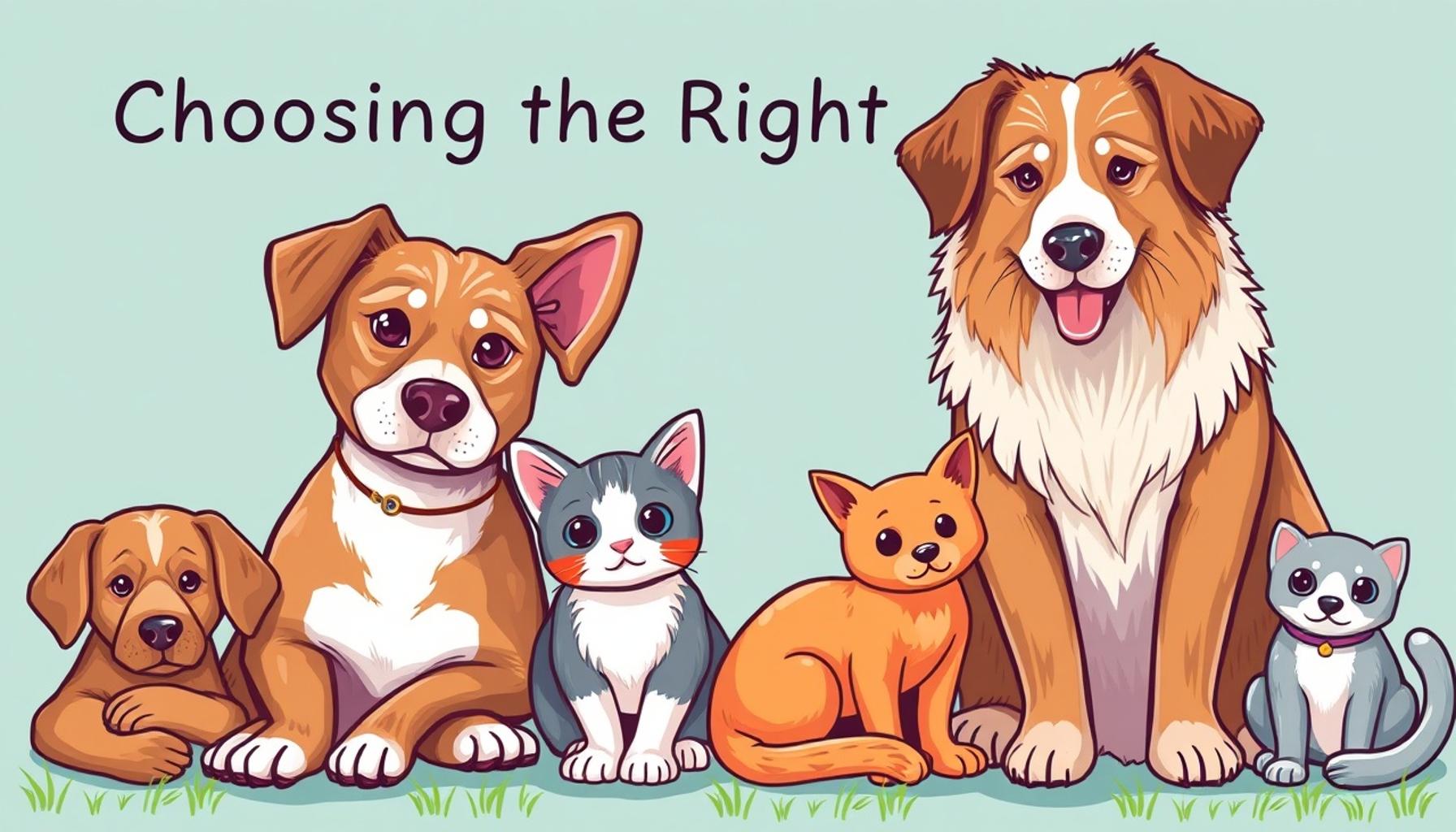
- Choosing the Right Pet: Each type of pet comes with its own set of needs, personalities, and energy levels. For instance, a high-energy dog like a Border Collie requires ample exercise and mental stimulation, while a laid-back cat may simply enjoy lounging in a sunny spot. Evaluating your lifestyle is essential; a busy professional may find a more independent pet fits better into their routine.
- Adoption Process: The procedures for adoption can vary widely from one shelter to another. Generally, adopting involves filling out an application, participating in an interview, and often paying an adoption fee. Some shelters also conduct home visits or provide pre-adoption counseling to match you with a pet that fits your lifestyle. Familiarizing yourself with the specific policies of your local shelter can expedite the process and ensure a seamless transition.
- Health Considerations: Ensuring your new pet receives necessary vaccinations, spaying or neutering, and regular vet check-ups is crucial for their health and longevity. Many shelters provide initial vaccinations and health screenings, so be sure to inquire about the medical history of your pet to plan future healthcare accordingly.
The positive impact of pet ownership extends beyond just companionship. Research indicates that dogs and cats can reduce anxiety, promote physical activity, and foster social interactions. Furthermore, pets have been known to enhance emotional well-being through the simple act of cuddling or playing together. The emotional bond that develops is invaluable, often leading to a more fulfilled life for both the pet and the owner.
As you navigate the paths of pet adoption, you will discover the joys of fostering a lifelong friendship with a loving animal. This guide is designed to empower you with the knowledge necessary for a smooth and fulfilling adoption experience. Now that you’re equipped with crucial insights, are you ready to embark on the adventure of finding your new best friend?
Choosing Your New Companion Wisely
The foundation of a successful pet ownership experience starts with choosing the right animal for your household. This decision is multifaceted, encompassing various aspects such as size, breed, temperamental traits, and energy levels. Understanding your personal circumstances is essential to select a pet that complements your lifestyle rather than complicates it.
When assessing potential pets, consider the following key factors:
- Lifestyle Compatibility: Take stock of your daily schedule and routines. Are you often away from home? Do you travel frequently? A more independent pet, such as a cat, may thrive under these conditions, while certain breeds of dogs might require constant companionship, which may not align with your lifestyle.
- Space and Environment: The living situation also plays a vital role. A spacious house with a yard may be ideal for larger dogs needing ample space to roam and play. Conversely, apartment living may necessitate a smaller, less active breed that adjusts well to confined spaces. Consider your home’s layout and the availability of outdoor areas for daily exercise.
- Family Dynamics: The presence of children or other pets can significantly influence the type of pet you adopt. Young children may do well with more patient breeds, while family members with allergies might require hypoallergenic options. If you already have pets, it is crucial to evaluate their social behaviors and determine how they may interact with a new addition to the household.
- Personal Preference and Commitment: Reflect on whether you prefer a cat, dog, or perhaps a small animal like a rabbit or guinea pig. Each pet type has unique attributes and care requirements, and it’s essential to engage with them in person when possible to gauge compatibility. Moreover, think about your long-term commitment—a pet’s average lifespan can range from 10 to 20 years, depending on the species.
Once you have a clearer picture of the type of pet that would harmonize with your life, it is time to enter the adoption process. It is crucial to approach this step with mindfulness and heart; adopting a pet is not merely about acquiring a companion, but rather about forming a lasting bond with a sentient being that relies on you for its well-being.
Engaging with Shelters and Rescue Organizations
Many shelters and rescue organizations across the U.S. recognize that each pet is unique in personality and requirements. They often provide resources to help potential adopters find a suitable match, including adoption events and meet-and-greets. Don’t hesitate to ask shelter staff for their insights on individual animals, as they can share stories about the pets and offer guidance on different shop personalities.
The journey toward pet adoption can be both thrilling and daunting, but it is your approach that sets the stage for a fulfilling partnership. By educating yourself about the basic principles of compatibility and commitment, you enable a brighter future, not only for your new pet but for you as well. With patience and diligence, you will surely find a loving companion ready to enrich your life.
A Guide to Pet Adoption: Ensuring a Healthy Start for Your New Companion
Adopting a pet is not only an act of kindness but also a significant commitment that comes with various responsibilities. Understanding the advantages of a well-structured adoption process can make a world of difference for both you and your new companion. Below is a table highlighting the core benefits of ensuring a healthy start for your new pet:
| Adoption Benefits | Key Features |
|---|---|
| Companionship | Pets provide love, loyalty, and emotional support, enhancing your quality of life. |
| Good Health | Owning pets can lower blood pressure and reduce stress levels, contributing to better overall health. |
| Prevent Overpopulation | Adopting helps reduce the number of homeless animals and decreases the strain on shelters. |
| Life Lessons | Caring for a pet teaches responsibility, empathy, and the importance of animal welfare. |
By understanding these key benefits, potential adopters can make informed decisions, ensuring their new pet has a healthy and happy start to life. The journey of pet adoption is not just about finding a companion; it’s about fostering a nurturing bond that will last a lifetime.
Preparing Your Home for a New Pet
Adopting a pet involves more than just selecting the right companion; it also includes preparing your home to ensure a safe and welcoming environment. This preparation is critical not only for comfort but also for the well-being of your new furry friend and the harmony within your household. The following steps will help create an inviting space that accommodates your pet’s needs and minimizes potential hazards.
Creating a Safe Space
The first step in preparing for your new companion is to establish a dedicated area in your home, where they can feel secure and relaxed. This space should include:
- Comfortable Bedding: Select a cozy bed that fits your pet’s size. For dogs, consider whether they prefer a raised bed or one with a cave-like feel. Cats often enjoy blankets or soft cushions where they can curl up out of the way.
- Food and Water Stations: Position food and water bowls in a quiet corner away from high foot traffic, allowing your pet to enjoy their meals undisturbed. Choose bowls that are appropriate for your pet’s breed size to prevent messiness.
- Toys and Enrichment: Stockpile an assortment of toys to engage your pet’s mind and body. Interactive toys, such as puzzle feeders for dogs or laser pointers for cats, can stimulate their natural instincts and encourage physical activity.
As you create this safe haven, it’s equally important to remove any potential hazards from your home. Secure loose electrical cords, remove toxic plants, and store cleaning supplies in high cabinets to prevent accidental ingestion.
Essential Supplies and First-Time Preparations
Before your new pet arrives, ensure that you have the essential supplies on hand. These items not only facilitate easier settling in but also address their immediate needs:
- Veterinary Care: Schedule an appointment with a veterinarian shortly after adoption for a health check-up. This introductory visit will help assess any immediate health needs and discuss vaccination schedules. Regular vet check-ups and preventative care, such as flea and tick treatments, are crucial to a long and healthy life.
- Microchipping and Identification: Invest in a reliable identification method, such as microchipping and a collar with tags that include your contact information. This step can greatly enhance the chances of a safe return if your pet ever gets lost.
- Grooming Supplies: Depending on the breed, grooming needs can vary significantly. As a pet parent, it is essential to have the right brushes, shampoos, and nail clippers to maintain your pet’s coat and hygiene. If you’re uncertain about grooming techniques, consider consulting with professionals.
Establishing Routines and Training
Once your pet has settled in, establishing a consistent routine becomes vital. Pets thrive on structure, which can prevent behavioral issues stemming from boredom or anxiety. Outline clearly defined feeding times, play sessions, and bathroom breaks. Implementing a training regimen from the get-go is equally important. This doesn’t merely foster good behavior; it fosters trust and communication between you and your pet.
Consider enrolling in training classes or investing in training resources that cater to your pet’s specific needs. A well-trained pet is generally happier and better integrated into family life, allowing everyone to enjoy shared moments together.
By adopting a thoughtful approach to your home setup, equipping yourself with essential supplies, and dedicating time to establish routines, you pave the way for a thriving relationship with your new companion. Your commitment and preparation will undeniably contribute to your new pet’s successful transition into your home and lifestyle.
Conclusion
In conclusion, the journey of pet adoption is a rewarding adventure that brings joy, unconditional love, and companionship into your life. However, it also comes with responsibilities that require careful consideration and a proactive approach. By ensuring that you prepare both your home and yourself for the arrival of your new friend, you set the stage for a harmonious and fulfilling relationship. Creating a safe environment, equipping yourself with the necessary supplies, and establishing routines provide a strong foundation for your pet’s well-being.
It’s essential to remember that the first few weeks can be crucial for your pet’s acclimation. Patience, understanding, and consistent training play a vital role in their adjustment and can greatly decrease the likelihood of behavioral issues later on. Connecting with local communities or groups dedicated to pet adoption can provide additional support and resources, further enhancing the transition for both you and your pet.
As you embark on this incredible journey, take the time to learn from each interaction, adapt to your pet’s distinct personality, and invest in their health and happiness. With your commitment, love, and care, you can ensure a healthy start for your new companion. Together, you can build a rich tapestry of shared experiences, making every day an opportunity for discovery and joy. So take this first step with confidence, and give your new furry family member the loving home they deserve.