The Role of Veterinary Care in Successful Pet Adoption: A Guide for New Owners

Understanding the Importance of Veterinary Care
Welcoming a new pet into your home is an exciting journey filled with joy and companionship. However, responsible pet ownership extends beyond cuddles and playtime. Adequate veterinary care is crucial for ensuring the health and happiness of your new furry friend.
Why Veterinary Care Matters
When it comes to successful pet adoption, there are several critical reasons to prioritize veterinary services:
- Health Assessments: Regular check-ups help detect health issues early. A pet’s health can change rapidly, and a vet’s expertise is essential for identifying signs of illnesses such as dental disease, obesity, or parasites that may not be visible to the untrained eye. This proactive approach can lead to early intervention, resulting in better outcomes.
- Vaccinations: Vaccines play a pivotal role in protecting your pet from harmful diseases. Communicable conditions like parvovirus in dogs and feline leukemia in cats can be life-threatening. By staying current with vaccinations, you not only protect your pet but also contribute to public health by preventing disease transmission within communities.
- Nutritional Guidance: Diet is a foundational component of your pet’s well-being. A veterinarian can offer tailored dietary advice based on your pet’s age, breed, weight, and health conditions. For example, certain breeds require specific nutrients to thrive, while some pets may need special diets due to allergies or chronic conditions.
Many new owners underestimate the role of veterinary care during the adoption process. A thorough understanding of your pet’s health background is essential, particularly if they’re adopted from a shelter or rescue, where prior health records may be incomplete. Engaging with veterinary professionals allows new owners to gather vital information regarding any pre-existing conditions, facilitating informed decisions that are in the best interests of their pets.
Navigating Pet Adoption
Embarking on the path of pet ownership involves not just love and care but also a commitment to regular veterinary visits. The first few months after adoption can set the tone for your pet’s long-term health journey. Scheduling a wellness exam shortly after bringing your new companion home can provide an opportunity to establish a health timeline and set up a vaccination schedule.
Furthermore, understanding common behavioral issues can also relate back to health. Veterinary behaviorists can assist in addressing behavioral problems, which can stem from underlying medical issues, anxiety, or even improper training. A well-rounded approach to veterinary care not only enhances your pet’s physical health but also enriches their emotional well-being, paving the way for a long and fulfilling life together.
Ultimately, the support provided by veterinary services creates a foundation that encourages a healthy and happy relationship with your pet. As new pet owners navigate their responsibilities, seeking out and embracing veterinary care will undoubtedly lead to a rewarding experience filled with love and companionship.
Key Aspects of Veterinary Care in Pet Adoption
The journey of pet ownership begins with the adoption process, a time of excitement and anticipation. However, amidst the joy of finding a new companion, it’s vital for new pet owners to recognize the indispensable role that veterinary care plays in ensuring a smooth transition for both pet and owner. Understanding the nuances of veterinary care not only sets the stage for a healthy pet but also fosters a stronger bond between the new family member and the household.
Comprehensive Health Records
One of the first steps in pet adoption should involve obtaining a clear picture of your pet’s health history. Pets adopted from shelters or rescues may arrive with incomplete medical records, and it’s crucial to understand their health background. Here are several key components you should discuss with your veterinarian:
- Previous Medical Treatments: Understanding any vaccinations or treatments your pet has received can prevent unnecessary repetition and ensure they are up to date.
- Breed-Specific Health Risks: Certain breeds are prone to specific health issues. Your veterinarian can provide insight into what to look out for based on your pet’s breed.
- Chronic Conditions: Any known chronic conditions should be addressed from the outset. Having this information allows for early management and potentially mitigating complications.
Moreover, keeping a meticulous record of your pet’s changes in health is beneficial for ongoing veterinary evaluations. Tracking things like weight fluctuations, appetite changes, or behavioral shifts can provide invaluable information during veterinary visits. Regular updates help ensure a cohesive health strategy as your pet ages.
Behavioral Health and Socialization
Veterinary care transcends mere physical examinations; it encompasses behavioral considerations as well. New pet owners often overlook the importance of behavioral health, which can be a significant factor in the pet’s adjustment to a new home. Consulting with your veterinarian about your pet’s behavior and any concerns can yield several benefits:
- Addressing Anxiety: Many pets experience anxiety when moving to a new environment. Your veterinarian can suggest behavioral therapies or medications that assist in easing this transition.
- Socialization Advice: Proper socialization is vital for your pet’s long-term happiness. Vets can provide guidance on introducing your pet to various stimuli safely.
- Training Recommendations: Understanding the basics of obedience training can reduce behavioral issues. Vets often recommend trainers or classes that align with your pet’s needs.
Ultimately, these behavioral insights, combined with routine health check-ups, establish a holistic approach to veterinary care, ensuring that your pet is not only healthy physically but also emotionally secure in their new environment. New owners who actively engage with veterinary professionals not only facilitate a smoother adjustment for their pets but also enhance their overall well-being in their new home.
The Importance of Preventive Veterinary Care
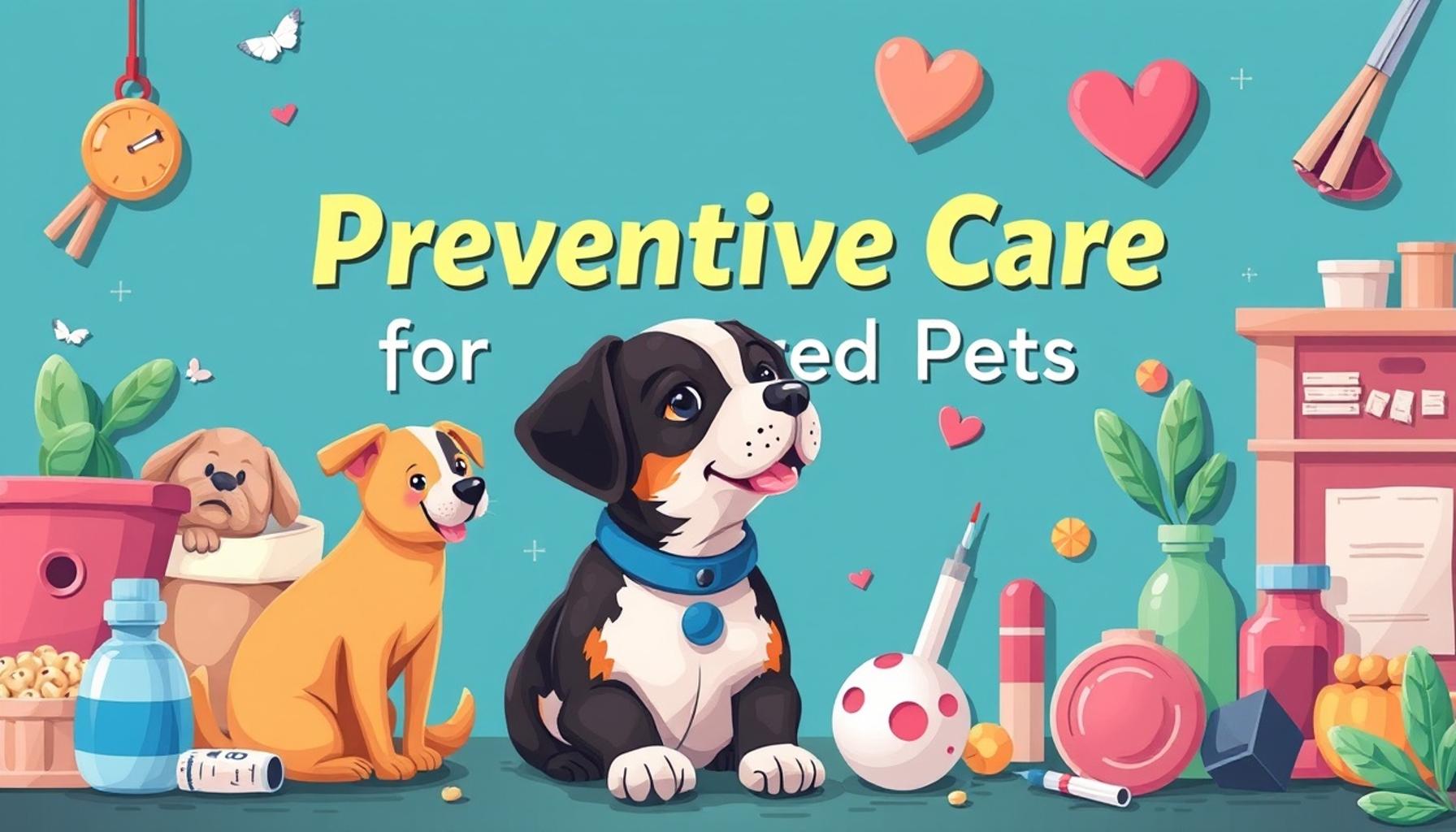
When embarking on the journey of pet adoption, new owners must understand the significant role of preventive veterinary care. Regular health check-ups, vaccinations, and screening for parasites are essential components of responsible pet ownership. These measures not only promote the well-being of your new companion but also contribute to a smoother adjustment period in their new environment. Preventive care enhances the likelihood of a successful adoption by ensuring that pets are healthy and free from communicable diseases when they enter your home.Another critical advantage of preventive veterinary care is early detection of potential health problems. Routine veterinary visits allow for the identification of issues before they escalate into serious conditions. For instance, a veterinarian may discover early signs of dental disease, nutritional deficiencies, or underlying genetic disorders that could impact the pet’s quality of life. Addressing these concerns right away can save owners from heartache—and costly treatments—later on.Also vital to the adoption process is understanding the role of veterinary clinics in supporting both new owners and their pets. Many veterinary practices offer resources and guidance tailored specifically for first-time pet owners. These may include educational workshops or printed materials focusing on essential care practices, behavioral training, and proper nutrition, which can significantly contribute to a new owner’s confidence and knowledge.Engaging with veterinarians as trusted advisors can help foster a healthy relationship between the pet and the owner. Familiarizing pets with their veterinarian early on, through positive experiences during wellness visits, allows them to develop trust and reduces the stress associated with visits later in their lives.In summary, a commitment to veterinary care is a crucial investment for any new pet owner aiming for a successful adoption. By recognizing the advantages of preventive measures and utilizing the resources available through veterinary clinics, new owners can establish a strong foundation for a lasting partnership with their furry companions.
| Advantage | Description |
|---|---|
| Early Disease Detection | Veterinary check-ups help in identifying health issues early, preventing costly treatments. |
| Access to Resources | Veterinaries offer educational materials and workshops for new pet owners, enhancing their knowledge. |
Understanding the importance of these veterinary services and integrating them into your pet care routine can drastically improve the likelihood of a happy and healthy life for both the new pet and their owner.
Establishing a Veterinary Partnership
Building a strong relationship with a veterinary practice is essential for new pet owners aiming for a successful adoption experience. This partnership is not merely a transactional one; it represents a collaborative effort to ensure the long-term health and well-being of your pet. Here are some key points to consider when establishing this crucial relationship:
Choosing the Right Veterinarian
Not all veterinary practices are created equal. When selecting a veterinarian, consider the following:
- Specializations: Some vets have specific expertise in certain breeds or conditions that may be relevant to your pet. Conduct research to find a practice that aligns with your pet’s needs.
- Emergency Services: Inquire about after-hours care and emergency services. Knowing that your pet can receive immediate attention is comforting, especially for first-time owners.
- Facility Environment: Schedule a visit to the clinic. The atmosphere should be clean, accommodating, and welcoming. A positive environment can greatly reduce your pet’s anxiety during visits.
By doing your due diligence in selecting the right veterinarian, new pet owners can create a foundation of trust and support, facilitating easier conversations about health care options and concerns.
Routine Preventative Care
Once a veterinarian is chosen, regular check-ups become an integral part of the pet ownership experience. Preventative care often includes:
- Vaccinations: Ensuring your pet receives timely vaccinations helps protect them from various diseases more common in certain areas of the United States, such as lyme disease in tick-prone regions.
- Parasite Control: Regular treatment for pests such as fleas, ticks, and worms is crucial. Your veterinarian can recommend a suitable regimen based on your pet’s lifestyle and risks.
- Dental Care: Oral hygiene is frequently overlooked, yet dental issues can lead to serious health complications. Regular cleanings and at-home care can mitigate these risks significantly.
Investing in preventive healthcare not only benefits your pet in the immediate term but can also save money and heartache down the line, with numerous studies correlating preventative care with longer lifespans in pets.
Nutrition and Weight Management
A balanced diet plays a key role in your pet’s overall health and longevity. Veterinary professionals are invaluable resources for determining robust dietary plans tailored to your pet’s specific needs:
- Dietary Needs by Life Stage: Puppies and kittens require different nutrients compared to adult or senior pets. Your veterinarian can guide you in choosing suitable food to meet these changing dynamics.
- Weight Assessment: Obesity is a growing concern among pets in the U.S., with estimates indicating that around 60% of dogs and cats are overweight or obese. Regular weigh-ins at the vet can help track changes and address concerns promptly.
- Food Allergies: Some pets may have food sensitivities or allergies. Through consultation, vets can help you identify appropriate feeding strategies that foster better digestive health.
Maintaining proper nutrition sets the stage for a vibrant and active life, creating a strong bond around shared moments of play and adventure.
In summary, establishing a robust partnership with a veterinary team not only enhances the physical health of your new pet but also enriches the entire pet ownership experience by creating a holistic support system that addresses physical, emotional, and behavioral needs. Investing time in veterinary relationships lays the groundwork for years of companionship and joy.
Conclusion
In the journey of pet ownership, the importance of veterinary care cannot be overstated. By forging a strong partnership with a trusted veterinary practice, new pet owners can assure the health and happiness of their furry companions. This collaborative relationship benefits not only the pet but also cultivates a more enriching experience for the owner. Regular veterinary visits for preventative care, tailored nutrition, and weight management are pivotal in safeguarding against potential health issues and enhancing the pet’s quality of life.
Furthermore, understanding the unique needs of your pet—considering factors such as breed-specific health concerns, dietary requirements, and age-related care—empowers new owners to make informed decisions. It transforms the adoption process from a mere transaction into a journey filled with care, companionship, and responsibility. With expert guidance, pet owners are better equipped to navigate health challenges and emotional well-being, solidifying a bond that will last for years to come.
Ultimately, embracing the role of veterinary care in pet adoption is an excellent investment in both the emotional and physical realities of pet ownership. For those embarking on this rewarding journey, prioritizing the relationship with a veterinarian is not just recommended; it is essential. As you learn and grow alongside your new pet, the right veterinary support will ensure that your shared moments are filled with joy, vitality, and health for many years ahead.