The Influence of Nutrition on the Behavior and Well-Being of Pets
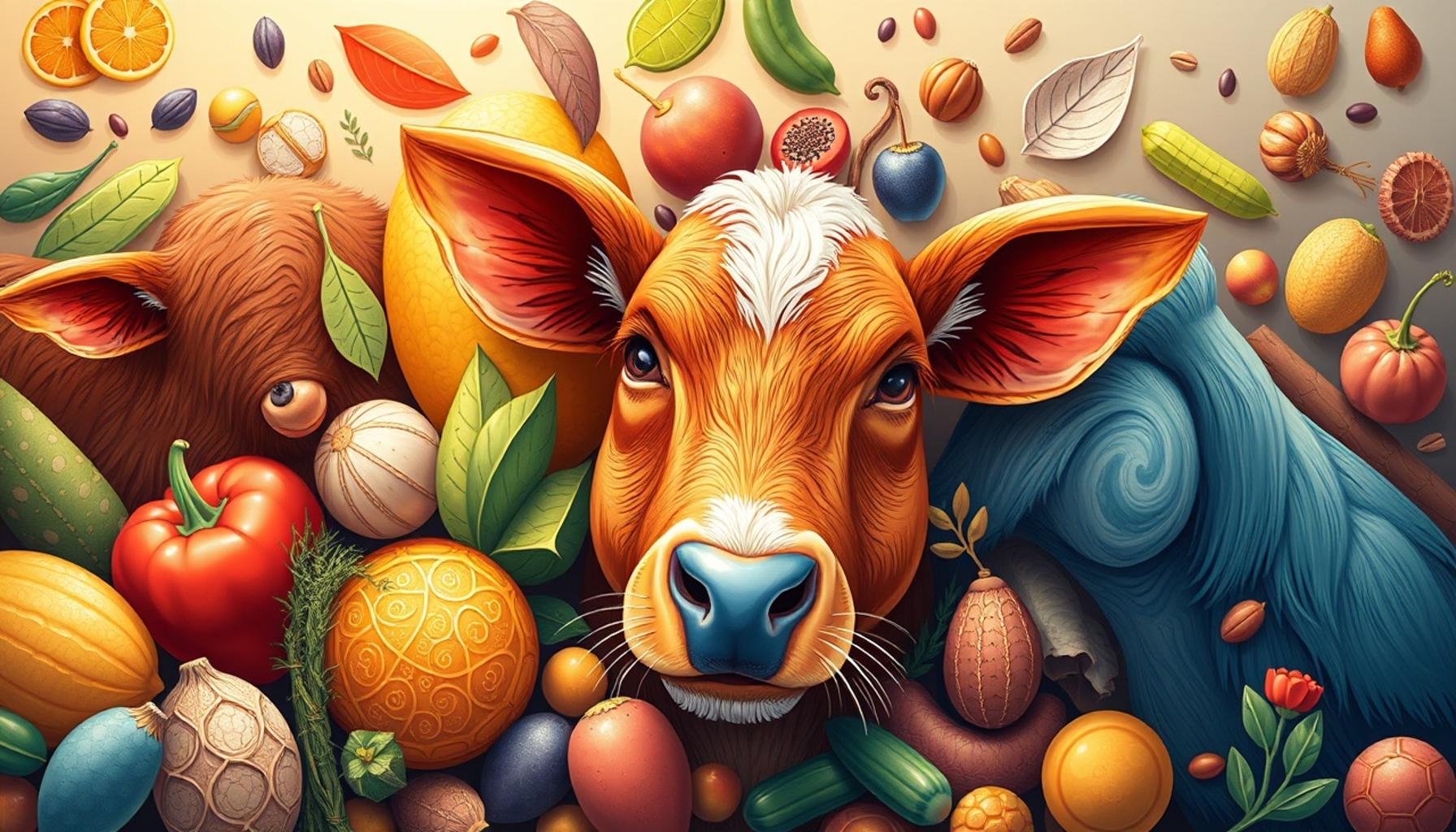
Understanding the Connection Between Pet Nutrition and Behavior
Nutrition plays a crucial role in the health and happiness of our pets. The food we provide affects not only their physical well-being but also their behavior and emotional states. Pet owners may be surprised to learn that what’s in the bowl can drastically alter a pet’s mood and interaction with their environment. This understanding can lead to a more harmonious relationship between pets and their humans.
Studies show that a balanced diet can lead to numerous benefits, including:
- Improved energy levels — Proper nutrition can give pets the vitality they need for play and exploration. A dog on a well-balanced diet, rich in protein, omega fatty acids, and essential vitamins, is likely to be more energetic and playful, eagerly participating in walks or playtime rather than resting excessively.
- Enhanced mental function — Specific nutrients are linked to cognitive abilities and can support better decision-making. Ingredients like DHA, commonly found in fish oils, are known to improve brain function in dogs and cats, potentially leading to better training outcomes and responsiveness to commands. This is particularly important for puppies and kittens, whose brains are rapidly developing.
- Stable emotions — Certain foods may help reduce anxiety and stress in pets, making for a calmer companion. For instance, diets that include L-theanine (an amino acid) and complex carbohydrates may promote relaxation, reducing the incidence of destructive behaviors triggered by stress.
Moreover, the influence of nutrition extends beyond just what pets eat. Several factors can greatly impact a pet’s behavior:
- Quality of ingredients — Pets are like humans in that their bodies benefit from real, wholesome foods. High-quality ingredients not only supply the necessary nutrients but also provide better digestibility, which can have a positive effect on behavior. Low-quality, processed foods, on the other hand, can lead to lethargy and irritability.
- Feeding routines — Establishing a consistent feeding schedule can foster a sense of security and reduce food-related anxiety. Regular mealtimes can help pets know what to expect, which can mitigate stress and help them behave more predictably.
- Portion control — Overfeeding can lead to obesity, which is linked to numerous health issues that can affect a pet’s overall mood and energy levels. Implementing controlled portions can promote a healthy weight and, in turn, a happier, more active pet.
As we dive deeper into this fascinating topic, understanding how specific dietary components can influence your pet’s overall well-being becomes imperative. Nutritional choices are not merely about filling a bowl; they shape the very fabric of your pet’s life. Join us on this journey to explore how to provide your furry friends with the nutrition they deserve for a happier and healthier life. Together, we can unlock the secrets to nurturing our companions through thoughtful dietary choices, leading to vibrant behaviors and joyous interactions.
The Impact of Specific Nutrients on Pet Behavior
Understanding which nutrients positively influence your pet’s behavior can feel overwhelming, yet it’s intriguing to investigate how specific dietary components can shape our furry friends’ lives. Nutritional science has illuminated pathways that link diet to behavior, and several key nutrients stand out as vital to fostering optimal emotional and physical health in pets.
Omega-3 Fatty Acids have garnered attention for their role in reducing anxiety and improving mood. Found in fish oils and flaxseed, these essential fatty acids contribute to brain health and can mitigate symptoms of stress in both dogs and cats. Research has revealed that pets with higher omega-3 levels tend to show fewer aggressive behaviors and greater socialization skills. Additionally, these fatty acids can assist in the control of inflammatory processes, which can indirectly influence behavior by alleviating discomfort and promoting well-being.
Antioxidants also play a crucial role in maintaining cognitive function as pets age. Nutrients such as vitamins E and C, and beta-carotene have shown promise in reducing oxidative stress in the brain. Pets that receive an adequate amount of these antioxidants often exhibit enhanced memory and retention capabilities, which can lead to improved training outcomes. Understanding how to incorporate antioxidant-rich foods, such as blueberries and sweet potatoes, into your pet’s diet could support a sharper mind and a more engaged personality.
- Protein — Vital for repair and growth, sufficient protein intake is essential for behavioral health. A diet low in protein can lead to lethargy and a general lack of enthusiasm for activity. Choosing high-quality proteins such as chicken, turkey, and fish can energize your pets and enhance their playful demeanor.
- B Vitamins — This group of vitamins contributes to the production of neurotransmitters, which are essential for regulating mood and stress responses. Maintaining appropriate levels of B vitamins through a balanced diet can lead to improved emotional stability in pets.
- Amino Acids — These are the building blocks of proteins and are critical in aiding the synthesis of brain chemicals like serotonin and dopamine. A deficiency in certain amino acids can result in behavioral issues such as aggression or anxiety. Incorporating protein sources rich in these essential amino acids can help support overall mood and temperament.
While it is clear that individual nutrients can have a significant impact on a pet’s behavior, the overall balance in their diet is equally important. An incomplete or unbalanced diet can exacerbate behavioral problems, leading to a cycle of issues that can adversely affect both pets and their owners. To address this, it is essential for pet owners to not only focus on the specific nutrients in their pet’s food but also to understand how these nutrients interact to create a holistic feeding approach.
As we explore further the intricacies of pet nutrition, it becomes clear that thoughtful dietary choices are central to fostering a joyful and thriving pet life. By recognizing the power of nutrition in shaping behavior and enhancing overall well-being, pet owners have the opportunity to make informed decisions that can lead to happier, healthier companions.
| Category | Description |
|---|---|
| Quality of Ingredients | High-quality ingredients, such as fresh meats and whole grains, are crucial to optimal pet nutrition. |
| Impact on Behavior | Pets receiving balanced diets are less likely to exhibit behavioral issues, such as anxiety and aggression. |
| Nutritional Deficiencies | Deficiencies in essential nutrients can lead to poor mental health and adverse effects on behavior. |
| Overall Well-Being | Good nutrition contributes to a longer, healthier life, enhancing the quality of life for pets. |
Nutrition plays a pivotal role in the overall behavior and well-being of pets. The quality of ingredients in their diet can significantly influence not only their physical health but also their mental state. A diet rich in high-quality proteins, fresh vegetables, and essential fatty acids not only helps in maintaining a healthy weight but also supports cognitive functions. Pets that receive balanced nutrition tend to have improved behavior, with a noticeable reduction in anxiety and aggression levels. These behavioral enhancements stem from adequate intake of vital nutrients like Omega-3 fatty acids, which are known to influence brain function positively.Additionally, nutritional deficiencies can lead to a range of health issues, including adverse behavioral conditions. For example, a lack of Vitamin B can result in increased nervousness, while an undernourished diet may impair a pet’s ability to focus or train effectively. A well-organized feeding routine combined with high-quality food contributes to a pet’s overall well-being, promoting physical energy and mental stability, thereby enhancing their interaction with humans and other animals.
Understanding the Link Between Diet and Emotional Well-Being
As we delve deeper into the relationship between nutrition and the behavior of our pets, it becomes evident that certain dietary patterns can significantly influence their emotional states. One of the intriguing aspects is how the timing and frequency of meals can affect a pet’s psychological well-being. For example, providing regular feeding schedules can help reduce anxiety in animals, creating a sense of predictability and security. Dogs, in particular, thrive on routine, which improves their emotional health and promotes positive behaviors.
Moreover, probiotics have emerged as a promising element in the context of pet nutrition. These beneficial bacteria can influence gut health, and emerging research suggests a direct link between gut microbiota and brain function. Pets with well-balanced gut flora may experience fewer behavioral problems such as fear, aggression, or anxiety. Incorporating probiotics through specific pet foods or supplements could be a proactive approach in managing your pet’s behavior while also supporting digestive health. This is especially relevant given the gut-brain axis theory, which posits that the gut has a direct line of communication with the brain, thus affecting mood and behavior.
Carbohydrates also play a pivotal role in influencing pet behavior. While often overlooked, the type of carbohydrates consumed can affect energy levels and mood. Complex carbohydrates, such as brown rice and oats, provide a slower release of energy and help maintain stable blood sugar levels. This can prevent sudden spikes or drops in energy, leading to a more relaxed and stable temperament. On the other hand, a diet high in simple sugars may provoke hyperactivity and irritability. Pet owners should thus be mindful of their pets’ carbohydrate sources to support balanced energy levels and promote emotional stability.
- Fiber — This nutrient not only promotes digestive health but can also influence behavioral traits. A diet rich in fiber helps to steady blood sugar levels, which can mitigate mood swings and irritability in pets. Foods high in fiber, such as pumpkin and green beans, can calm hyperactive behaviors and contribute positively to a pet’s emotional state.
- Hydration — The importance of proper hydration cannot be stressed enough. Dehydration can lead to lethargy and mood fluctuations. It is crucial for pet owners to monitor their pets’ water intake, especially if their diet consists of dry food. Ensuring your pet has consistent access to fresh water can aid in promoting overall well-being.
- Meal Enrichment — The act of mealtime can be made more engaging through methods such as food puzzles or interactive feeding. Providing challenges that stimulate your pet mentally during feeding can reduce anxiety and boredom, leading to a more satisfied and well-behaved companion.
Pet owners are encouraged to not only prioritize the quality of ingredients in their pets’ diets but also to consider the broader implications of various dietary choices on their companions’ emotional health. By adopting a comprehensive approach to nutrition, incorporating various beneficial elements, and being attuned to how these aspects influence behavior, we can pave the way for a happier and healthier life for our beloved pets. This education empowers pet owners to be proactive in tailoring their pets’ diets, thus improving not only their physical health but also their emotional well-being.
Conclusion: Nurturing Our Pets Through Nutrition
In conclusion, the intricate relationship between nutrition and the behavior of our pets cannot be understated. As we’ve explored, dietary choices profoundly shape not only their physical health but also their emotional well-being. By understanding the nuances of how various nutrients, such as probiotics, fiber, and complex carbohydrates, influence pet behavior, owners can make informed decisions that enhance their pets’ quality of life.
The impact of consistent feeding schedules, appropriate hydration, and novel meal enrichment strategies further emphasizes that a holistic approach to pet nutrition is vital. Pets are more than just companions; they’re family members who thrive in an environment that nurtures their bodies and minds. The importance of regular meals that stabilize energy levels and the potential of probiotics to mitigate behavioral issues are just two examples of how attention to diet can lead to calmer, happier pets.
Ultimately, by fostering a deeper awareness of the connection between what we feed our pets and their overall behavior, we can take proactive steps toward ensuring their wellness. As responsible pet owners, it is our duty to advocate for a balanced diet tailored to our pets’ needs, paving the way for improved emotional health and stability. Embracing this knowledge will not only cultivate a more harmonious relationship with our furry friends but also enrich their lives, allowing them to flourish in a nurturing and supportive environment.