Preventive Cat Care Vaccination Deworming Essential Tips
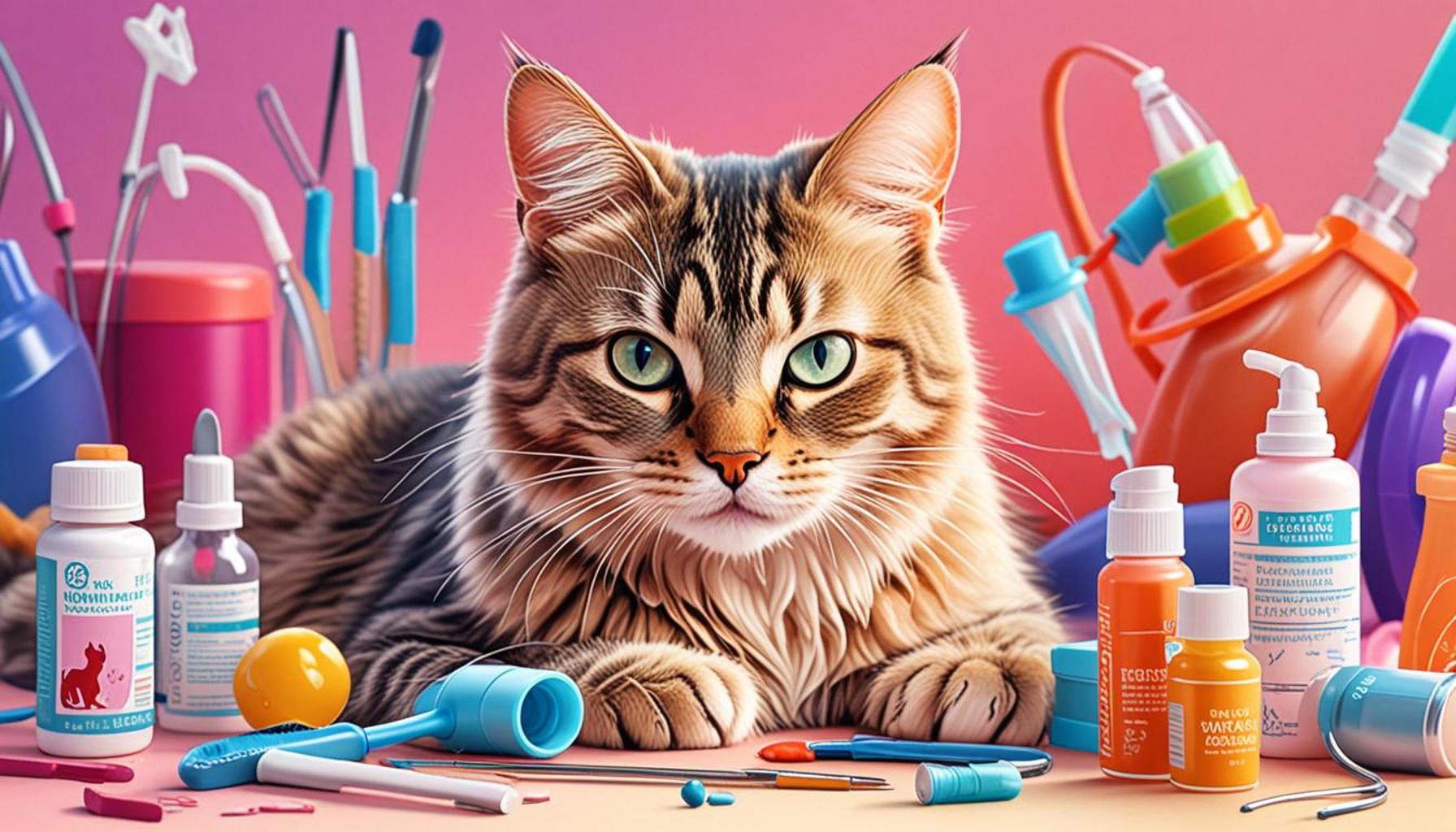
Maintaining the health of our feline friends is crucial for their well-being and longevity. Preventive care plays a vital role in safeguarding against various diseases, and two of the most important aspects are vaccination and deworming. These practices not only protect cats from health threats but also contribute to a safer environment for other pets and humans.
The Importance of Vaccinations and Deworming
The role of vaccinations in feline health cannot be overstated. Vaccines help in building immunity against contagious diseases such as feline calicivirus, feline viral rhinotracheitis, and feline panleukopenia. Administering vaccines at the right age is crucial for ensuring their efficacy, as they prepare your cat’s immune system to fight off potential infections. Similarly, deworming acts as a frontline defense against parasites that can cause internal damage as well as transmit diseases to humans.
Common Diseases That Can Be Prevented
Understanding the widespread impact of infectious diseases on cats is vital. Vaccines protect against diseases like rabies, which poses a threat not just to animals but humans too. Deworming prevents parasite infestations such as tapeworms and roundworms, which can lead to serious health issues in cats like weight loss and digestive problems. These preventive measures collectively safeguard against a host of ailments, ensuring a healthier life for your pet.
Recommended Vaccination Schedules
A well-defined vaccination schedule is essential. Kittens typically begin vaccinations at around six to eight weeks of age, with booster shots following approximately every three to four weeks until they reach 16 weeks old. Adult cats require annual boosters to maintain immunity. Consulting with a veterinarian can provide the best-suited vaccination plan tailored to your cat’s lifestyle and health status.
Effective Deworming Practices
Just as with vaccinations, deworming should not be neglected. It is recommended to deworm kittens every two weeks from the age of three weeks to three months. From three to six months, it should continue monthly. Beyond six months and into adulthood, twice-a-year treatments generally suffice, although indoor-outdoor cats may require more frequent interventions due to increased exposure risks.

Resources and Tips for Cat Owners
Cat owners looking for reliable information should consider resources provided by veterinarians, animal welfare organizations, and online portals dedicated to pet health. Regular vet check-ups, maintaining health records, and staying informed about the latest in pet healthcare can aid in
Top 5 Preventive Care for Cats: Vaccination and Deworming
When it comes to ensuring the health of our feline friends, preventive care is paramount. Vaccination and deworming are two critical practices that not only contribute to the longevity of a cat’s life but also ensure a better quality of living. In this article, we will explore the top 5 essential aspects of preventive care for cats, focusing on vaccinations and deworming, ranked from the least to the most critical. Let’s delve into the significance of these practices and what they entail for your whiskered companions.
5. Understanding the Vaccination Schedule
The vaccination schedule is a roadmap to ensuring your cat’s robust health. A proper vaccination schedule begins when a kitten is around six to eight weeks old and continues into adulthood. Vaccines help protect against serious diseases that can be life-threatening.
- Core Vaccines: Feline viral rhinotracheitis, calicivirus, and panleukopenia are considered core vaccines. These protect against highly contagious viral diseases.
- Non-core Vaccines: Rabies and feline leukemia vaccines are essential but may depend on your cat’s lifestyle and geographical area. For instance, if your cat spends time outdoors or interacts with other animals, these vaccines become crucial.
- Annual Boosters: These are necessary to maintain immunity levels as cats age, ensuring continued protection against diseases.
Sticking to a vaccination schedule is crucial in preventing outbreaks of these diseases in your community. Regular check-ups should accompany vaccinations to assess your cat’s health and adjust any necessary treatments. These visits not only reinforce your pet’s immune defenses but also provide a platform for ongoing veterinary guidance.
4. Importance of Regular Vet Visits
While vaccinations are crucial, regular check-ups with a veterinarian serve as a cornerstone of preventive care. During these visits, veterinarians can assess your cat’s overall health and detect potential problems before they escalate.
- Routine Health Screenings: These screenings can reveal underlying health issues that might not be obvious at home, such as early signs of dental disease, which is common in cats.
- Vaccination Updates: Veterinary visits provide an opportunity to keep vaccination records current, reviewing any new vaccines that may benefit your pet.
- Weight Management: Vets can help manage your cat’s weight and diet, which is vital for their overall health. Obesity is a growing concern in domestic cats, leading to conditions like diabetes and arthritis.
Regular vet visits serve as your cat’s first line of defense against health issues. Remember, early detection can lead to more effective treatments. Building a trusting relationship with a veterinarian can bring peace of mind, knowing your cat’s health is in expert hands.
3. The Role of Deworming in Preventive Care
Deworming is often overlooked but is a vital part of preventive care. Cats are susceptible to various parasites that can markedly affect their health.
- Types of Worms: Common types include roundworms, tapeworms, hookworms, and whipworms. Each type of worm can cause different symptoms and health implications.
- Signs of Infestation: Symptoms like weight loss, vomiting, bloating, changes in appetite, or a dull coat may indicate a parasite problem. Monitoring these signs is crucial for early intervention.
- Treatment Frequency: Regular deworming treatments are necessary to control infections, particularly in kittens and cats that go outdoors. Cats can ingest worms through contaminated soil or by consuming infected prey.
Deworming not only protects your cat’s health but also prevents the potential transmission of parasites to humans, highlighting the need for regular vigilance. Given the zoonotic risk, ensuring your cat is parasite-free also safeguards the health of your entire family.
2. Vaccination for Longevity and Quality of Life
Vaccination is a fundamental aspect of cat care that can significantly enhance their lifespan and quality of life. Regular vaccination helps to prevent life-threatening diseases that can be expensive and complicated to treat.
- Preventable Diseases: Feline leukemia, rabies, and distemper can often be fatal if contracted. Routine vaccination helps eliminate the fear of these illnesses.
- Increased Lifespan: Vaccinated cats tend to live longer, healthier lives, with fewer health complications over the years.
- Community Health: Vaccinating pets can help prevent the spread of diseases among feline populations, which is especially crucial in multi-cat households or catteries.
Overall, the benefits of vaccination far outweigh any minor risks. It is a proactive approach to ensuring your cat’s overall health and wellness. By vaccinating, pet owners contribute to a community-wide effort to manage and reduce the prevalence of contagious diseases.
1. The Ultimate Preventive Care: Commitment to Regular Care
The most important takeaway in preventive care for cats, especially regarding vaccination and deworming, is fostering a commitment to consistent and regular care. The health of your feline companion directly correlates with the attention you give to routine preventive measures.
- Consistency: Make regular vet visits a non-negotiable aspect of your cat’s care. This commitment maintains your pet’s health and happiness over the years.
- Education: Stay informed about the latest vaccinations, treatment protocols, and preventive techniques. New research and medical advancements often lead to better ways to care for our pets.
- Holistic Approach: Embrace a comprehensive approach that includes nutrition, physical activity, mental stimulation, and medical care. Each component plays a pivotal role in your pet’s health.
Ultimately, preventive care is about more than just medical interventions; it’s about building a strong foundation for a healthy life for your pet. By prioritizing consistent care and education, pet owners can ensure their feline companions enjoy a life filled with vitality and love.
| Category | Advantages |
|---|---|
| Vaccination | Vaccination protects cats from numerous infectious diseases such as rabies, feline distemper, and calicivirus, ensuring their long-term health and well-being. |
| Disease Prevention | Regular vaccinations are vital in preventing potentially fatal diseases, thus increasing the lifespan and quality of life of your feline friend. |
| Worm Control | Vermifugation is essential for controlling intestinal parasites like roundworms and tapeworms, which can cause serious health issues if left untreated. |
| Health Monitoring | Routine vaccinations and deworming provide opportunities for health monitoring, allowing pet owners to catch potential health issues early on, thus mitigating future health complications. |
The significance of preventive care in feline health cannot be understated. Each vaccination serves as a crucial barrier against various diseases that can threaten a cat’s well-being. While many cat owners may not realize it, even indoor cats are at risk of exposure to certain pathogens. For instance, cats may contract diseases through contact with humans who have been in contact with other animals, underscoring the necessity for vaccinations.Moreover, deworming treatments are just as vital. Common parasites not only affect a cat’s digestive health but can also pose risks to human health, especially in households with children. Regular deworming and veterinary check-ups can prevent a multitude of complications, ensuring that cats lead healthy, active lives.Integrating these preventive measures into your feline’s overall health plan enhances their resilience against diseases and fosters a longer, happier life. By staying informed about the vaccination and deworming schedules, cat owners can make educated decisions that significantly influence their pet’s quality of life.
Frequently Asked Questions About Preventive Care for Cats: Vaccination and Deworming
What are the essential vaccinations my cat needs?
The essential vaccinations for cats primarily include the FVRCP vaccine, which protects against feline viral rhinotracheitis, calicivirus, and panleukopenia. Additionally, your veterinarian might recommend a rabies vaccine, as this is often required by law. Regular vaccinations are crucial for safeguarding your feline friend against potentially serious diseases.
How often should I vaccinate my cat?
The vaccination schedule can vary based on your cat’s age, health status, and lifestyle. Kittens typically receive their first vaccination at around six to eight weeks of age, followed by additional doses every few weeks until they are about four months old. After the initial series, most vaccines are administered annually or every three years. Consult with your veterinarian to determine the most appropriate schedule for your pet.
Why is deworming important for my cat’s health?
Deworming is an essential component of preventive healthcare, as it helps eliminate parasites that can cause various health issues in cats, ranging from gastrointestinal problems to more severe conditions. Regular deworming can also protect your household and other pets from parasite transmission. Ensuring your cat is dewormed at the recommended intervals is key to maintaining their overall well-being.
How do I know if my cat needs to be dewormed?
Signs that your cat may need deworming include visible worms or larvae in their feces, a bloated abdomen, or unexplained weight loss. However, not all cats show obvious symptoms, which is why regular veterinary check-ups are important. Your vet can conduct tests to detect any hidden parasitic infections and recommend a suitable deworming protocol.
Can indoor cats skip vaccinations and deworming?
While indoor cats are less exposed to outdoor threats, they are not entirely risk-free. Diseases can be brought into the home by humans and other pets, and parasites like fleas can still pose a threat. Therefore, even indoor cats benefit from preventive vaccinations and regular deworming. It’s a small effort that can significantly enhance their long-term health.
Conclusion
In the world of feline care, the health of our beloved cats must be a top priority. Throughout this article, we have underscored the vital role that vaccination and deworming play in safeguarding their well-being. These preventive measures not only protect cats from a plethora of diseases but also contribute to a healthier environment within the household.
Vaccination is a cornerstone of preventive care, shielding cats from life-threatening illnesses such as feline leukemia, rabies, and feline calicivirus. It’s crucial for cat owners to maintain an up-to-date vaccination schedule, ensuring their pets receive timely booster shots. As new pathogens emerge, veterinarians often update their recommendations, making regular consultations essential to stay informed about the latest vaccination protocols.
Deworming complements the vaccination regime by targeting internal parasites that can cause significant health issues. Intestinal worms not only affect feline health but also pose a risk to human family members. A regular deworming routine helps mitigate these risks, promoting a healthier, happier home for both pets and their owners.
The benefits of preventive care for cats extend beyond mere health maintenance; it also fosters a stronger bond between the pet and the owner. When cat owners commit to these protective measures, they demonstrate a responsibility and love that enhances the overall quality of life for their feline companions.
As we conclude, it is paramount for cat owners to stay informed and proactive about their pet’s health. The investment in vaccination and deworming reaps immeasurable rewards in terms of disease prevention and longevity. After all, a healthy cat is a happy cat, and their joyful presence in our lives is a reflection of the care we provide them.