Using Scent Work as a Training Tool: Engaging Your Pet’s Natural Instincts
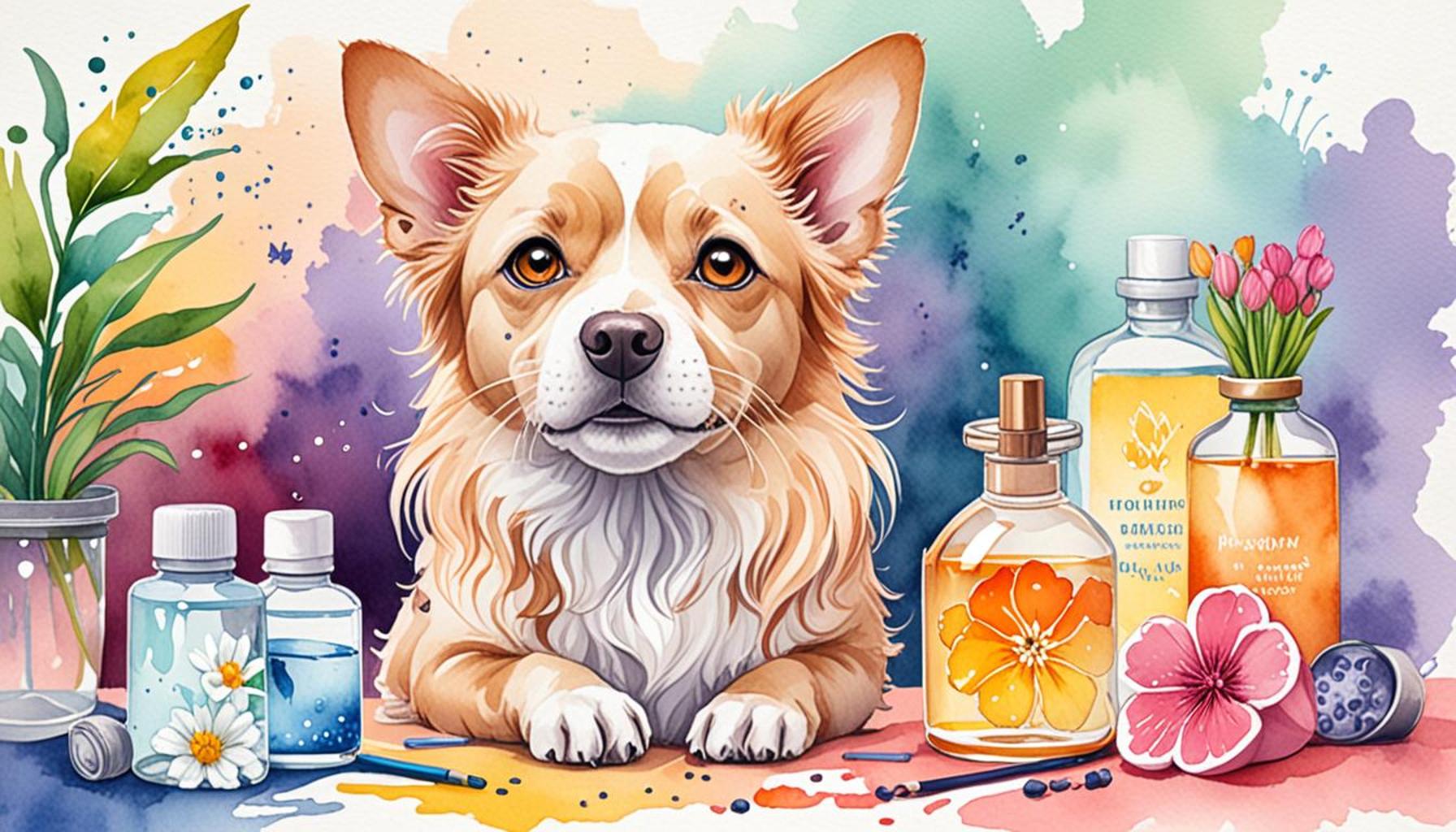
The Power of Scent Work in Unlocking Your Pet’s Potential
Animals are often equipped with extraordinary senses that enable them to interact with their environment in unique ways. Among these abilities, the sense of smell stands out as especially powerful. For dogs, in particular, the olfactory system is far more developed than that of humans—dogs can detect some scents at concentrations nearly 100 million times lower than what humans can perceive. This remarkable capability opens up new avenues for training and mental enrichment, hence why scent work has garnered attention from pet owners, trainers, and behaviorists alike.
Engaging your pet in scent work goes beyond mere play; it taps into their evolutionary instincts, driving them to use their nose for exploration, hunting, and problem-solving. This method of training can yield a myriad of benefits for your furry companion:
- Improved focus: The act of sniffing and searching engages a dog’s mind, sharpening their concentration and enabling better impulse control. This focused activity is particularly beneficial for pets that may exhibit signs of anxiety or hyperactivity.
- Physical exercise: Scent work activities, whether it’s trailing a scent trail in the backyard or participating in structured scent classes, often involve movement. Pets will trot, run, and occasionally leap to find the hidden treats or items, translating these activities into enjoyable, instinctual exercise.
- Bonding opportunities: The collaborative nature of scent work fosters a stronger bond between you and your pet. Engaging in training creates shared experiences and memories, instilling trust and communication that benefits the pet-owner relationship.
Whether you have an energetic Labrador who thrives on adventure or a clever tabby cat who loves to explore, incorporating scent work into their daily routine can provide significant enrichment to their lives. You can organize activities tailored to their strengths—such as using different types of scents to challenge their abilities or incorporating puzzle toys that encourage them to use their noses to solve problems.
To get started with this innovative training tool, consider implementing simple activities at home. Begin by hiding treats around the house or yard and encouraging your pet to find them. As they become more skilled, you can increase the difficulty by using less odoriferous items or introducing competition in games with other pets. Additionally, local trainers and organizations often offer classes focused on scent detection, enabling you to learn alongside your pet in a supportive environment.
As you explore the world of scent work, you will not only unlock your pet’s potential but will likely witness a transformation in their overall behavior and happiness. By enriching their lives through scent, you tap into a natural instinct that creates joy, enhances their well-being, and fosters a deeper connection between you and your beloved companion.
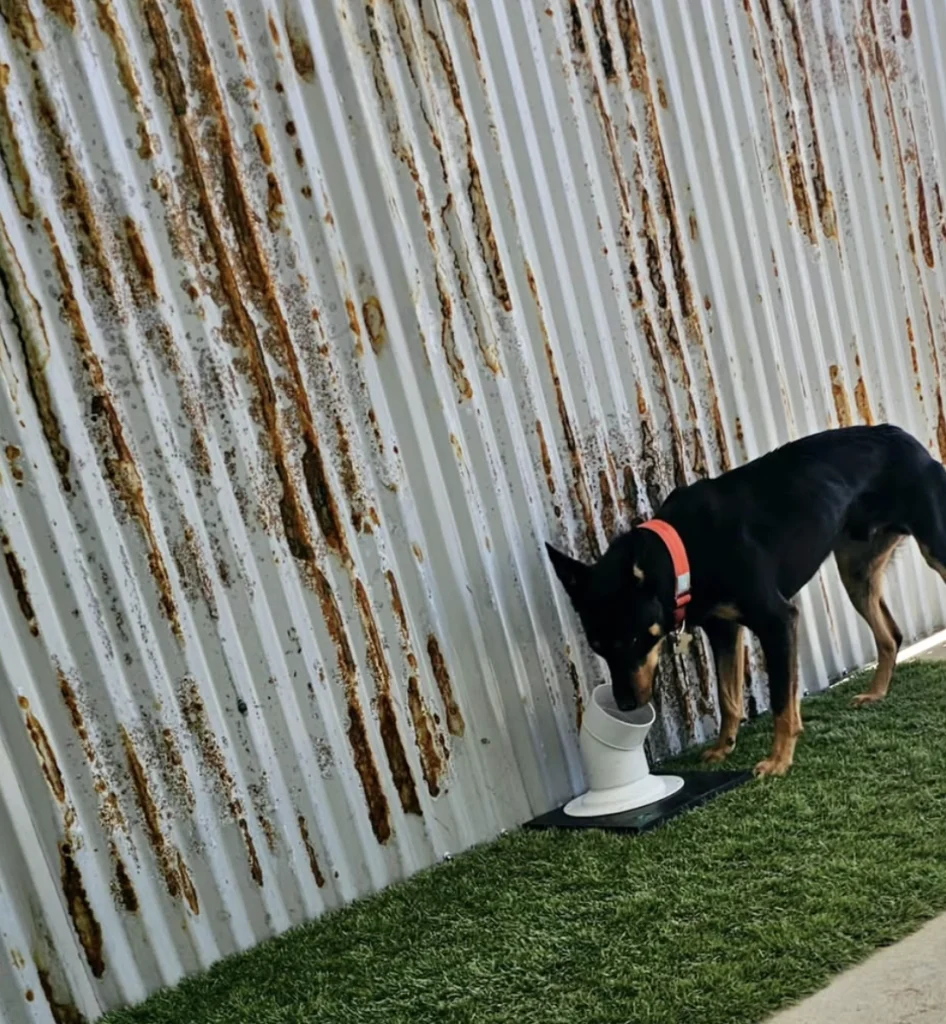
DISCOVER MORE: Click here for expert tips
Getting Started with Scent Work: Techniques and Tips
To fully harness the power of scent work as a training tool, it’s essential to understand the fundamental techniques and methods that will engage your pet’s natural instincts. Scent work isn’t just about letting your pet sniff around; it involves structured activities that stimulate their olfactory senses while fostering a deeper connection with you. Below are some effective approaches to introduce and integrate scent work into your pet’s daily routine:
- The Basics of Nose Work: Start by introducing your pet to simple scent games. Use high-value treats—those that your pet can’t resist—to create a positive association with detection work. Hide the treats in various locations around a room, and encourage your pet to use their nose to find them. Celebrate their success with praise and rewards to reinforce this behavior.
- Progressive Challenges: As your pet becomes more skilled, gradually increase the difficulty. Introduce different scents—perhaps using essential oils or specific herbs—and see if your pet can differentiate between them. You can use jars with holes or cotton balls soaked in scent for this purpose. This progression not only keeps the activity engaging but also allows your pet to develop their olfactory skills profoundly.
- Structured Classes: Many pet training facilities across the United States offer scent detection classes. Enrolling in these sessions gives you the opportunity to learn from professionals while your pet interacts with other animals. The guided environment ensures that both of you receive expert advice tailored to your specific needs, strengthening your partnership in the task of scent work.
- Utilizing Everyday Items: Everyday objects around your home can serve as excellent tools for scent exercises. For instance, you can use a favorite toy or a simple fabric item with your pet’s scent. Teach your pet to locate these items through engaging games, transforming ordinary play into an exciting scent-driven adventure.
One of the striking aspects of scent work is its adaptability—regardless of your pet’s age or physical condition, there are always ways to modify activities to suit their abilities. For elderly pets, shorter sessions with easier scent trails can keep them engaged without causing fatigue. For high-energy dogs, more challenging trails and obstacle courses can provide valuable mental and physical stimulation.
Moreover, scent work has been proven scientifically to positively impact pets’ emotional well-being. Engaging their natural instincts can help alleviate symptoms of anxiety, restless behavior, and even boredom. As you see improvements in your pet’s mood and behavior, the importance of this form of training becomes even more evident.
By adopting these techniques, you’ll not only enrich your pet’s life but also witness a renewed sense of confidence and purpose as they begin to recognize their unique abilities. Scent work is not just training; it is a fulfilling journey into the world of animal instincts that will enhance both your lives through shared experiences and discovery.
Benefits of Incorporating Scent Work in Training
Using scent work as a training tool not only enhances your pet’s natural instincts but also fosters a deeper bond between you and your furry companion. This approach taps into the inherent olfactory skills that dogs possess, making training sessions both enjoyable and effective.
| Advantages | Engagement |
|---|---|
| Enhances Mental Stimulation | Scent work tasks challenge your pet cognitively, helping to prevent boredom and destructive behaviors. |
| Strengthens Bonding | Engaging in scent work creates shared experiences, fostering trust and communication between you and your pet. |
Additionally, introducing scent work can lead to improved focus and responsiveness during training sessions. By utilizing their strong sense of smell, dogs learn to hone their concentration skills, making them more engaged in various activities. Moreover, scent work serves as a fun and enriching experience, further promoting emotional well-being for your beloved animal.
As you explore the world of scent work, you might discover various exercises tailored for different skill levels, ensuring that every session remains both challenging and rewarding. The potential for growth and learning through scent work is vast and welcoming for both pets and their owners. By integrating these practices into your training regime, you’re setting the stage for enhanced cooperation and understanding.
DISCOVER MORE: Click here to learn about the benefits of a balanced diet for your pet
Building a Lasting Bond Through Scent Work
As you delve deeper into scent work with your pet, you’ll start to notice how these activities not only sharpen their senses but also strengthen your relationship. Engaging in scent work fosters communication and trust between you and your pet, making it an invaluable part of your training toolkit. Here, we explore how to deepen your bond and enhance the efficacy of scent work:
- Incorporating Games and Play: Transforming scent work into a playful experience is crucial for both enjoyment and learning. Create scent trails that incorporate gameplay, like scent hide-and-seek, where you conceal a toy or treat and encourage your pet to find it using their nose. Adding elements of play keeps your pet excited and eager to participate, ensuring that your training sessions remain dynamic and enjoyable.
- Positive Reinforcement: Just as in other training methodologies, positive reinforcement plays a vital role in scent work. Always reward your pet with treats, praise, or their favorite toy when they successfully identify a target scent or complete a task. This not only reinforces their learning but also builds their confidence, empowering them to explore their abilities further.
- Tracking and Nose Games: Engaging your pet in tracking exercises is an effective way to utilize their sense of smell. Setting up simple tracking games, where you drag a treat or toy along the ground for a short distance and ask your pet to follow, can turn every walk into a mini adventure. Additionally, incorporating nose games, such as using cardboard boxes with hidden treats inside, encourages your pet to problem-solve and keeps their minds sharp.
- Integration into Daily Life: Incorporate scent work into regular routines beyond designated training sessions. For instance, ask your pet to find their favorite toy before you throw it or have them locate specific scents around the house during quiet downtime. This not only reinforces their skills but also weaves scent work seamlessly into your daily interactions.
Interestingly, scent work is not limited to dogs; it can also be adapted for use with other pets, including cats and even small mammals. Pet owners have reported that their cats show enjoyment and engagement when scent games are introduced. By simply hiding treats or playing with scented toys, you can unlock your feline friend’s natural instincts and tailor the experience to fit their unique behaviors.
Another noteworthy aspect of scent work is its potential therapeutic benefits. Research has shown that dogs trained to engage in scent work can assist in various therapeutic scenarios, such as aiding individuals with autism, anxiety, and PTSD. The process of focusing their energy on scent-based tasks can help to create a sense of calm and purpose, even for pets who might be experiencing behavioral challenges.
When venturing into the world of scent work, it’s also an opportunity to connect with local communities interested in similar pursuits. Many dog parks and pet groups in the United States regularly host scent work events or workshops. Connecting with other pet owners who share similar interests can enrich your experience, leading to collaborative learning and support.
In essence, scent work is a multifaceted approach to training that taps into your pet’s instincts, enhances their skills, and fosters a meaningful bond between you. By creatively integrating scent activities into your routine, you can unlock a world of exploration that benefits not just your pet but your relationship with them as well.
DISCOVER MORE: Click here for essential pet care tips
Enhancing Your Training with Scent Work
In conclusion, using scent work as a training tool offers a unique and enriching approach to engaging your pet’s natural instincts. By tapping into their innate abilities, you not only stimulate mental and physical activity but also create a platform for deeper communication and understanding between you and your companion. The multifaceted benefits of scent work extend beyond mere entertainment; they include improved behavioral health, increased confidence, and a profound sense of accomplishment for your pet.
As you incorporate games, positive reinforcement, and tracking exercises into your training regimen, remember that the goal is to make these sessions enjoyable and rewarding. Scent work transforms routine training into an adventurous exploration that can take place in your backyard or during walks in the park. Moreover, it opens up opportunities to bond in ways that traditional training may not provide.
The adaptability of scent work for different pets, including cats and small mammals, highlights its versatility and potential to enrich the lives of a variety of animal companions. Additionally, the therapeutic benefits associated with engaging in scent-based tasks can support not only your pet’s emotional well-being but also that of individuals they assist.
By embracing local scent work communities and events, you can further enhance the experience, connecting with fellow enthusiasts and sharing insights. Ultimately, using scent work as a training tool is an exciting journey of discovery that reveals the incredible capabilities of your pet while building a closer, more rewarding relationship, making each training session an opportunity for fun and learning.