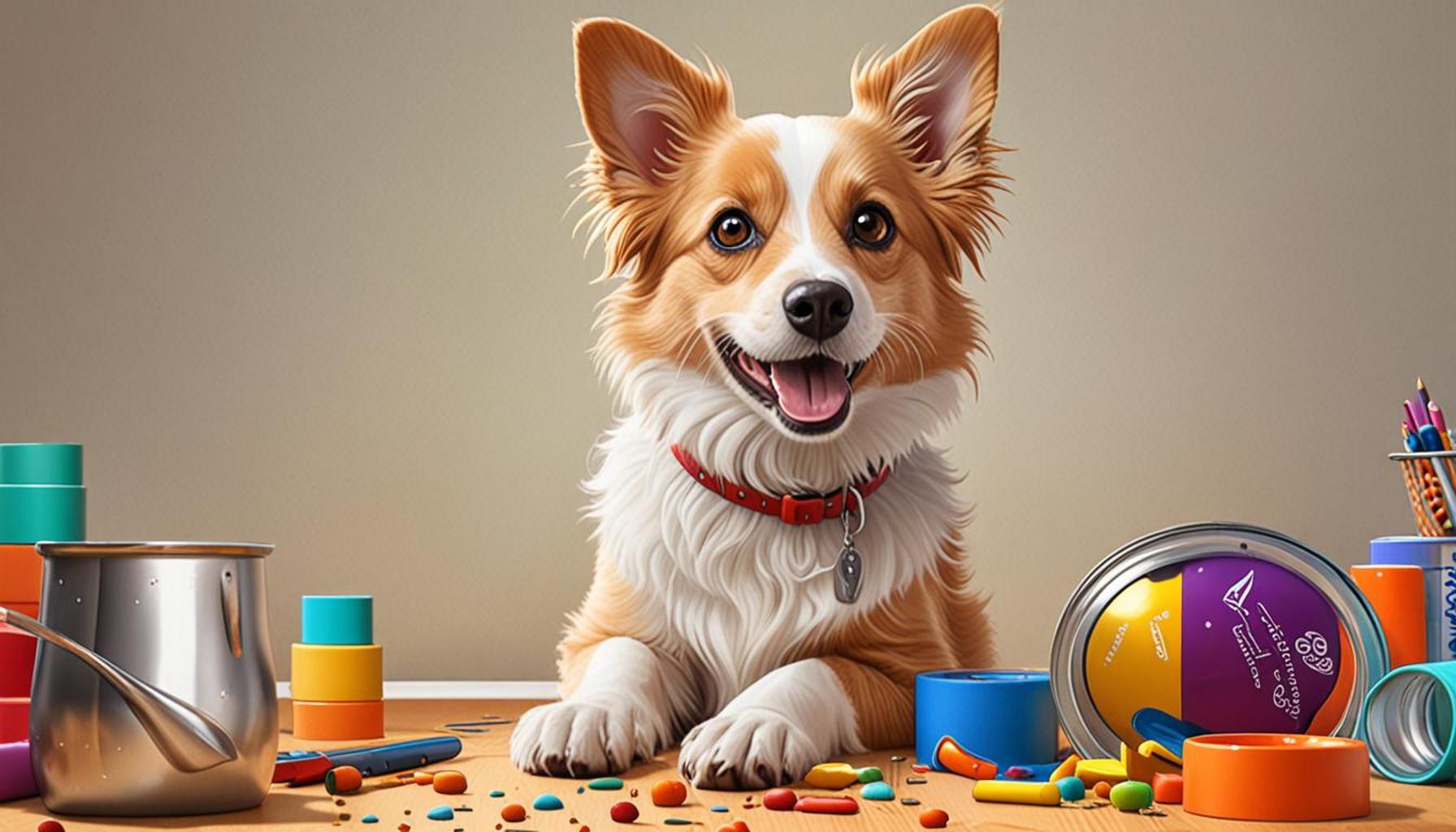
Using Interactive Toys to Enhance Dog Training Sessions

Engaging Your Dog with Interactive Play
Training your dog can sometimes be a challenge, but the right tools can make all the difference. Interactive toys are an innovative way to enhance your dog’s training sessions, transforming learning into a fun and stimulating experience. These toys not only keep your dog entertained but also help reinforce vital skills essential for their development and behavior management.
Interactive toys serve as an engaging alternative to traditional training methods, ensuring that both you and your dog remain involved in the learning process. By incorporating these playthings into your sessions, you can create a flavorful environment where your pooch can thrive. Here are some notable benefits of using interactive toys in training:
- Enhances Engagement: Traditional training methods can sometimes lead to boredom. Interactive toys, on the other hand, keep your dog interested and focused, sparking their curiosity and desire to learn.
- Promotes Problem Solving: These toys require your dog to think critically as they figure out how to manipulate them to get the rewards inside, effectively sharpening their cognitive abilities.
- Provides Mental Stimulation: Keeping your dog mentally active is essential for overall well-being. Interactive toys combat boredom, which can lead to behavioral issues if your dog is under-stimulated.
- Reinforces Positive Behavior: By incorporating commands and tricks into playtime, these toys create a rewarding mechanism where your dog can practice skills while enjoying themselves.
When selecting the right interactive toy, consider factors such as your dog’s size, breed, and activity level. For instance, puzzle feeders that dispense treats can be tailored to suit your dog’s eating habits, making mealtime more engaging. Busy balls, which encourage active play, are perfect for high-energy dogs that require an outlet for their excess energy. Additionally, interactive plush toys that respond to your dog’s touch can provide comfort and stimulate their natural instincts.
Moreover, the importance of routine play cannot be overstated. It not only bolsters your dog’s skills but also fosters a deeper bond between you and your furry friend. Advanced interactive toys are available in pet stores and online retailers, providing options for every budget and preference. Features like customizable difficulty levels and varying textures can enhance the experience, making it more challenging for your dog as they improve.
By integrating these stimulating tools into your training sessions, you not only make the learning process enjoyable but also lay the groundwork for a well-adjusted and happy dog. As you explore the exciting world of interactive toys, you may well witness your dog’s training reach new heights, potentially transforming your training regimen into a delightful game for both of you. Keep an eye out for innovative toys designed specifically for different breeds and behavioral needs, and prepare to be amazed by your dog’s newfound enthusiasm for learning!
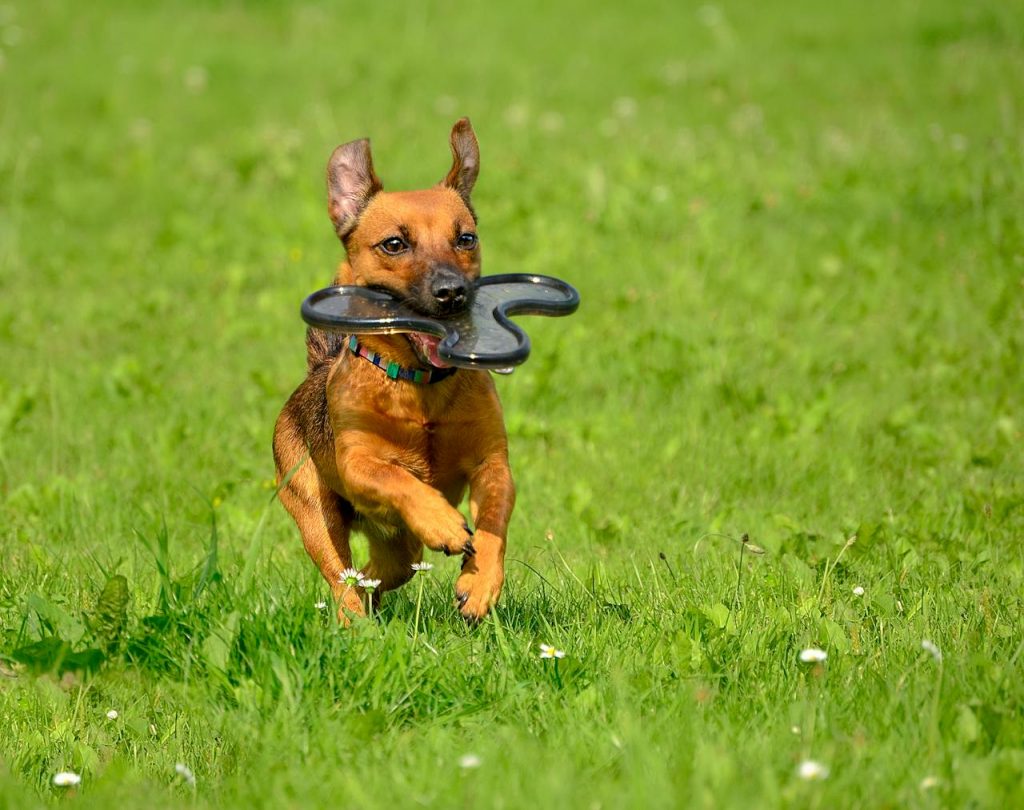
DISCOVER MORE: Click here to keep your pets healthy
Choosing the Right Interactive Toys for Training
When it comes to enhancing dog training sessions, the variety of interactive toys available can seem overwhelming. Understanding the specific needs of your dog is essential to selecting the right kind of toy that will keep them engaged while facilitating effective learning. The ideal interactive toys not only entertain but also complement your training objectives.
One of the foremost aspects to consider is your dog’s age and physical capabilities. For younger, more energetic breeds like Border Collies or Labradors, interactive fetch toys that dispense treats can provide both physical and mental stimulation. On the other hand, older dogs or smaller breeds may benefit from softer, gentler toys that still promote engagement without overwhelming them. It’s also important to take into account any physical limitations; for instance, if your dog has dental issues, opt for toys that are easier on their teeth.
Next, consider the specific skills you want to develop during your training sessions. Here are some popular types of interactive toys that serve various training purposes:
- Puzzle Toys: These require dogs to think critically to access treats hidden within. They encourage problem-solving and can be adjusted for complexity as your dog becomes more adept.
- Tug Toys: Ideal for practicing commands like “drop it” or “leave it,” these toys promote interaction and strengthen your dog’s impulse control while being a fun bonding experience.
- Activity Mats: These multi-textured mats can challenge your dog to find hidden treats, stimulating their sense of smell and providing mental exercise.
- Smart Toys: Equipped with technology, these toys can be programmed to dispense treats at random intervals, keeping your dog engaged and learning to anticipate the reward system.
Incorporating these toys into your routine helps build a more interactive environment. Dogs respond positively to challenges, and the excitement of uncovering a hidden treat or engaging in a tug-of-war game can motivate them to learn various commands and tricks. By integrating training with play, you foster an atmosphere of enthusiasm where learning becomes a natural part of your dog’s day-to-day activities.
Another essential factor in using interactive toys effectively is the timing of training sessions. Dogs, much like humans, can experience diminishing returns from prolonged focus. Short, concentrated training sessions of about 10 to 15 minutes, punctuated with toy play, can significantly enhance your dog’s learning experience. This method caters to their attention span while also maintaining an air of fun.
As you navigate through the sea of options available in pet stores and online marketplaces, keep in mind that not all toys are created equally. Look for those that promote positive interaction, are durable enough for your dog’s chewing habits, and most importantly, fulfill a training purpose. Embrace the journey of using interactive toys in your dog training sessions; doing so not only enriches their physical skills but also lays the groundwork for a healthy, happy relationship between you and your furry companion.
| Advantages of Interactive Toys | Key Benefits |
|---|---|
| Mental Stimulation | Interactive toys engage dogs’ minds, making training sessions more productive. |
| Enhanced Learning | Dogs learn commands faster when they are motivated by playful rewards and stimulation. |
| Bonding Experience | Using interactive toys strengthens the owner-dog bond, enhancing trust and cooperation. |
| Physical Exercise | These toys encourage movement, contributing to a healthy and active lifestyle. |
Integrating interactive toys into dog training sessions not only transforms traditional learning methods but also significantly boosts the overall experience for both the dog and trainer. Increasing mental stimulation is a primary benefit; interactive toys challenge dogs to solve problems, thereby enhancing focus and attention during training. Moreover, the playful nature of these activities fosters a more positive learning environment. Dogs are more likely to engage with commands when there is an element of fun involved.Additionally, enhanced learning comes into play. With interactive toys, dogs associate commands with rewards, making the learning process quicker and more effective. This aligns with behavioral principles that suggest animals are more inclined to respond positively to training when they’re motivated. Not only do interactive toys promote cognitive function, but they also foster a stronger bond between dog and owner. Engaging in playful learning creates cherished memories, resulting in a deeper relationship built on trust and mutual enjoyment. By encouraging physical activity, these toys contribute to a dog’s well-being, leading to a healthier lifestyle. Exploring interactive toys could lead dog owners to discover innovative techniques to make training sessions both fun and effective.
DISCOVER MORE: Click here to learn about common diseases in pets
Maximizing Engagement Through Interactive Play
Once you have selected the right interactive toys for your dog’s training sessions, the next step is to implement strategies that maximize their engagement and effectiveness. Utilizing varied play routines can not only liven up training but also ensure that your furry friend remains motivated and eager to learn. Combining physical activity with specific training commands can create a dynamic atmosphere that nurtures their instincts.
Incorporating Toys into Commands is an excellent way to reinforce training. For instance, using a tug toy while practicing the “sit” command can make the learning process exciting. Ask your dog to sit before engaging in a tug-of-war game. This not only rewards their good behavior but also associates their training efforts with fun. You can apply a similar method when using fetch toys; get your dog to fetch the toy, and only after they bring it back can they receive a treat. This instant gratification builds a positive feedback loop, essential for effective training.
Moreover, it’s vital to vary the type of interactive toys used to prevent boredom. Dogs thrive on novelty, and introducing different toys can keep their senses stimulated. A combination of puzzle toys, plush toys, and even remote-controlled toys can provide various challenges and prevent your dog from losing interest. While it’s tempting to stick to tried-and-true favorites, rotating toys ensures that training remains fresh and engaging.
Group Play can also further enhance training with interactive toys. By organizing play sessions with other dogs, you not only give your dog a chance to socialize but also introduce valuable learning opportunities. Watching peers can motivate your dog to try new behaviors; for instance, seeing another dog solving a puzzle toy might encourage your dog to think critically. Such interactions can illustrate the power of teamwork and provide meaningful social experiences.
Additionally, using timed challenges can spice up your training sessions. Set a timer and challenge your dog to complete a task within that limit. This can be especially effective with puzzle toys, where you encourage your dog to solve the puzzle faster to receive their reward. Just as athletes thrive on competition, dogs often find motivation in these timed tasks, providing them with a sense of achievement.
Monitoring your dog’s reactions during play is crucial as well. Look for signs of frustration or disinterest, which could indicate that the difficulty level is too high or the play duration is overly long. Adjusting the complexity and style of your sessions based on these observations will lead to a more fulfilling training experience. Positive reinforcement should always be central to your approach—if your dog expresses joy or satisfaction after completing a task, make sure to provide generous praise and treats.
Lastly, consider leveraging technology with smart toys that engage your dog in unique ways. Devices that connect to smartphones or tablets offer various training games tailored to your dog’s skill level. These smart toys can also gather data on your dog’s progress and provide insights on how to refine your training approach. With the rise of technology, these tools can facilitate a modern twist on traditional training methods, making sessions more engaging than ever.
By fully utilizing interactive toys in your dog training sessions, you create a multifaceted approach that not only builds skills but also reinforces your bond with your canine companion. Every playtime session shapes a learning adventure, making the journey of obedience and companionship all the more enriching.
DISCOVER MORE: Click here to learn about the community impact of pet adoption
Conclusion: The Future of Dog Training
In summary, using interactive toys in dog training sessions is not just a trend; it is a transformative approach that can greatly enhance your dog’s learning experience. By incorporating engaging play routines, varying the types of toys, and embracing the benefits of group play, you create an environment where your dog thrives. These elements not only stimulate your dog’s mental and physical abilities but also strengthen the bond between you and your furry companion.
Moreover, the integration of timed challenges and smart toys introduces a contemporary dimension to traditional training methods. Monitoring your dog’s reactions and adjusting the training activities accordingly ensures that every session remains rewarding and enjoyable. Through this process, your dog learns not just commands, but also important social skills, problem-solving abilities, and the joy of play.
As technology continues to evolve, utilizing smart toys can elevate your training sessions even further, providing data-driven insights that help refine your approach. Looking to the future, dog owners across the United States and beyond can embrace these modern tools as part of a holistic training strategy. With interactive toys, every training session can become a unique adventure, laying the groundwork for a well-trained, happy, and engaged dog.
To fully realize the potential of interactive toys in enhancing dog training, ongoing exploration of new games, techniques, and tools will keep you and your canine companion at the forefront of effective training practices. Engaging your dog in playful learning not only enriches their life but also cultivates the joy of companionship that every pet owner treasures.