Engaging Activities to Stimulate Your Pet’s Mind During Training Sessions
Unlocking Your Pet’s Potential
Providing mental stimulation during training sessions is essential for improving your pet’s behavior and retaining their focus. Engaging your furry friend doesn’t just help them learn; it also strengthens the bond between the two of you. When their minds are challenged, pets become more obedient and happier, reducing unwanted behaviors. Understanding the importance of mental stimulation can lead to a well-mannered, fulfilled pet who thrives in a loving environment.
Why Mental Stimulation Matters
Just like humans, pets thrive on variety and challenge. Routine can lead to boredom, which may manifest as anxiety or destructive behavior. Dogs, for instance, may chew on furniture or bark incessantly when they feel under-stimulated. Similarly, cats may knock things off counters or engage in excessive grooming. Here are key reasons to focus on mental stimulation:
- Boosts engagement: Keeps your pet interested and excited. Activities that are varied and dynamic encourage pets to remain enthusiastic during training.
- Aids learning: Helps solidify training lessons. For example, introducing new commands through engaging games can enhance their understanding and memory retention.
- Reduces behavior issues: Occupied minds mean less mischief. Giving your pet tasks to solve or challenges to tackle can significantly decrease unwanted behaviors.
Activities to Consider
Incorporating fun and engaging activities into training sessions can transform your lessons from mundane to memorable. Consider these innovative ideas that have been popular among pet owners:
- Puzzle toys: Challenges that require solving to access treats not only amuse but also reward your dog for their intellect. Brands like Nina Ottosson offer toys that can be adjusted for difficulty.
- Interactive games: Play hide and seek or fetch with a twist by hiding treats or toys around the house. This not only engages your pet but also sharpens their senses as they track down the rewards.
- Agility courses: Building a mini obstacle course in your backyard or living room promotes focus and agility. Many local parks even offer agility classes where your pet can socialize while learning new skills.
These activities not only stimulate your pet’s mind but also provide the physical exercise they need to stay fit and healthy. Engaging your dog in a game of tug-of-war or setting up a scavenger hunt for your cat can transform everyday actions into enriching experiences. By embracing a routine that incorporates mental challenges, you pave the way for a more balanced and joyful life for both you and your pet. Dive deeper into the world of engaging activities and discover how to unleash your pet’s true potential! Exploring local dog parks or pet training classes can further enhance this journey, allowing you to meet like-minded pet owners and share ideas for ongoing mental enrichment.
DIVE DEEPER: Click here to learn more
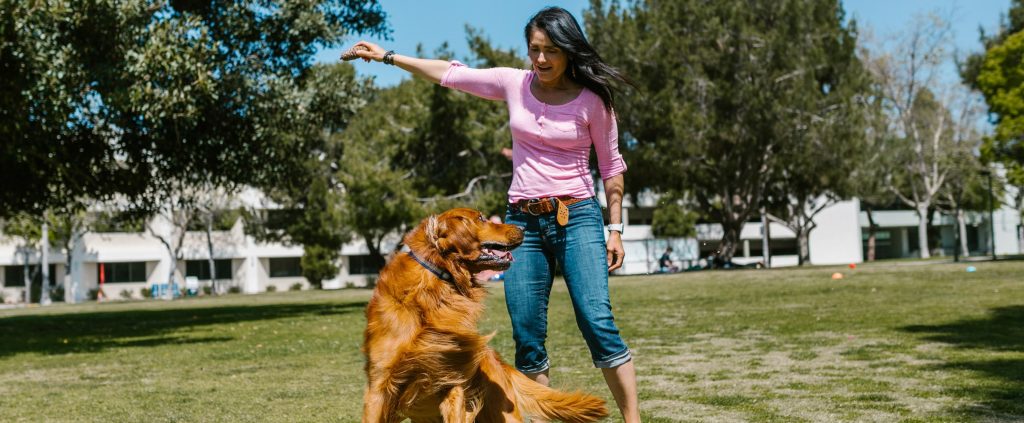
Activities That Transform Training Into Fun
When it comes to stimulating your pet’s mind, training sessions can be transformed into enjoyable experiences by incorporating engaging activities. These activities not only make learning fun but also compel pets to think critically, fostering cognitive growth and obedience. Here’s a closer look at how specific activities can infuse energy and excitement into your training routine.
Puzzle Toys
Puzzle toys offer an interactive way to keep your pet occupied while challenging their problem-solving skills. These toys often require pets to figure out how to access hidden treats or toys, engaging their minds in an exhilarating manner. Many options like the Nina Ottosson puzzle toys cater to different skill levels, allowing you to gradually increase the complexity as your pet masters each challenge. By using these toys during training sessions, you not only keep your pet entertained but also reinforce the concept of working for their rewards.
- Benefits: Enhances cognitive skills, reduces boredom, encourages perseverance.
- Example: Use a treat-dispensing ball that releases kibble as your dog rolls it around.
Interactive Games
Interactive games breathe new life into conventional training methods. Engaging in games like hide-and-seek or scent games allows your pet to use their natural instincts while learning essential commands. For instance, ask your pet to sit while you hide treats around the house. As they search, not only do they practice their skills, but they also experience the thrill of the chase. Using interactive games helps build a strong bond with your pet, creating shared experiences filled with joy.
- Benefits: Stimulates sensory awareness, builds trust, fosters teamwork.
- Example: In a game of fetch, incorporate commands to release the toy or sit before throwing it again.
Agility Courses
Setting up an agility course in your backyard adds an element of fun and physical activity to training. These courses can include jumps, tunnels, and weave poles, encouraging your pet to navigate through challenges. Not only does this enhance their obedience skills, but it also provides much-needed exercise. Local parks often host agility classes, enabling your pet to socialize with other dogs while learning. This environment supports mental stimulation as they adapt to new challenges and distractions.
- Benefits: Improves physical fitness, builds confidence, enhances focus.
- Example: Teach your dog to navigate a simple DIY obstacle course of cones and tunnels.
Incorporating these engaging activities into your training routine can foster a more fulfilling and enjoyable experience for both you and your pet. The diversity of challenges not only stimulates your pet’s mind but also paves the way for improved behavioral outcomes. By varying the types of activities, you not only keep your pet engaged but also develop a deeper bond that transcends typical training sessions.
| Activity Type | Benefits |
|---|---|
| Puzzle Toys | Encourages problem-solving and can reduce anxiety by keeping pets mentally stimulated. |
| Hide and Seek | Strengthens bond between owner and pet, enhances social skills, and sharpens their sense of smell. |
| Training Games | Promotes obedience and creates a fun learning experience that can boost a pet’s overall mood. |
| Agility Courses | Improves physical health and coordination while also providing mental challenge in navigating obstacles. |
| Scent Work | Enhances natural instincts and offers pets a rewarding way to use their highly developed sense of smell. |
Engaging activities designed to stimulate your pet’s mind during training sessions not only provide essential mental challenges but also foster emotional connections. Incorporating these activities into your routine will keep your pet engaged, combating boredom that may lead to behavioral issues. Each of these enriching activities serves as a foundation for continuous learning, encouraging both physical and mental development in your furry friend. Consider this a pathway to a happier, healthier pet that thrives in an interactive environment. Whether it’s through puzzle toys or agility courses, finding the right mix of challenges can enhance not just their skill set but also deepen your relationship. Employ these engaging strategies and witness the transformation!
DISCOVER MORE: Click here for insights on dog socialization and mental health
Creative Training Techniques to Boost Engagement
As pet owners, creating an enriching environment during training sessions is essential for both the mental and emotional well-being of our furry friends. Engaging activities not only facilitate learning but also promote a sense of enjoyment, keeping your pet eager to learn. Here are some creative training techniques that can elevate your training sessions and provide lasting benefits.
Clicker Training
Clicker training is a powerful method that harnesses the principles of operant conditioning, making it effective for various species of pets. By using a handheld clicker that emits a distinct sound, you can mark specific behaviors you’d like to encourage. When combined with treats, this method reinforces positive behavior through clear communication. For example, if you’re teaching your dog to “stay,” you would click at the moment they remain in place, followed by a reward. This form of training captivates your pet’s attention, turning learning into an engaging game.
- Benefits: Sharpens focus, clarifies commands, builds a strong bond.
- Example: Use the clicker and treat to teach your cat to come when called, even in distracting environments.
Using Music and Sounds
Integrating music and sounds into your pet training sessions can evoke a sense of calm or excitement, depending on the desired effect. Research indicates that certain types of music can influence animal behavior positively. For instance, classical music may have a soothing effect on dogs, making them more receptive to training commands. Alternatively, upbeat music can energize your pet during more active games. Experiment with various soundscapes during training to see which elicits the most positive responses from your pet, thus enhancing their overall experience.
- Benefits: Reduces anxiety, boosts motivation, enhances focus.
- Example: Play classical music while practicing commands to create a peaceful learning environment.
Social Learning Through Group Classes
Participating in group training classes offers a dynamic way to stimulate your pet’s mind. These classes not only provide an opportunity for pets to learn from instructors but also from one another. The presence of other animals can foster competitive spirit, promoting enthusiasm and engagement. Furthermore, socialization is a critical part of dog and cat development, leading to improved behavior when encountering other pets in public spaces. Look for local dog training schools or community classes that emphasize positive reinforcement and fun learning activities.
- Benefits: Enhances social skills, encourages friendly competition, exposes pets to diverse environments.
- Example: Join a group agility class where your dog can learn new skills while interacting with their peers.
Incorporating these creative training techniques not only helps in stimulating your pet’s mind but also transforms mundane sessions into exciting and enriching experiences. Whether through clicker training, soothing melodies, or social interactions, the opportunities for engagement are abundant. By exploring these varied activities, you can cultivate a more satisfying and productive training routine, ensuring your pet thrives mentally and emotionally.
DIVE DEEPER: Click here to discover the emotional journey of pet adoption
Conclusion: Elevating Training Through Engagement
In conclusion, engaging activities designed to stimulate your pet’s mind during training sessions are vital for fostering a productive and enjoyable learning environment. Implementing diverse techniques such as clicker training, utilizing music and sounds, and encouraging social interactions through group classes can significantly enhance the training experience for both you and your pet. These methods not only improve learning outcomes but also strengthen the bond you share, resulting in a happier, more well-adjusted friend.
By recognizing the importance of mental stimulation, you can tailor your training sessions to be more interactive and enjoyable, leading to better behavioral development and mutual understanding. Moreover, as you explore these engaging activities, you may discover new interests and hobbies alongside your pet, making the training process an enriching journey for both of you. So, take advantage of the wealth of resources available and continually seek out innovative ways to keep your pet mentally stimulated and excited during training sessions.
Ultimately, fostering an engaging and dynamic training environment not only benefits your pet’s cognitive and emotional well-being but also reinforces their commitment to learning. Embrace the adventure of training together, and watch as your bond flourishes through meaningful, stimulating activities that both you and your pet can enjoy.