Incorporating Agility Training into Your Dog’s Routine: Benefits and Tips
The Importance of Agility Training for Dogs
Agility training provides a dynamic way to channel your dog’s energy and intelligence effectively. This engaging sport not only prepares dogs for competitions but also serves as an excellent method for improving their physical fitness and mental agility. Engaging with your dog in agility training allows for a deeper understanding of their capabilities, while also fostering a sense of playfulness in your relationship.
One of the standout benefits of agility training is its impact on physical fitness. Regular participation in agility exercises such as jumping over hurdles, running through tunnels, and weaving between poles can help to improve your dog’s strength, flexibility, and endurance. This is especially vital for high-energy breeds like Border Collies or Australian Shepherds, but even less active dogs can benefit. For example, a leisurely-paced practice session can still provide a robust workout that encourages movement without overstressing the joints.
Mental stimulation is another critical aspect this training provides. Dogs require routine mental challenges to prevent boredom, which can lead to destructive behavior. Agility training serves as a wonderful outlet for this. By teaching your dog new and complex sequences of movements, you encourage them to think critically and develop their problem-solving skills. This mental engagement can manifest in various ways beyond training; you’ll likely notice your dog becoming more attentive and responsive during regular daily interactions.
Agility training is particularly beneficial for building confidence in shy or anxious dogs. As they learn to navigate obstacles successfully and receive positive reinforcement, their self-assurance grows. For instance, a timid rescue dog might initially hesitate to jump over a small hurdle. However, after several successful attempts, you may find that they approach the obstacle with excitement and eagerness.
Beyond the physical and mental benefits, agility training fosters a unique way to strengthen the bond between you and your furry friend. Training sessions that involve teamwork encourage communication and understanding. You learn to read your dog’s body language, while your dog learns to trust your commands. Participating in local agility events or training classes creates community engagement as well, leading to new friendships with fellow dog lovers.
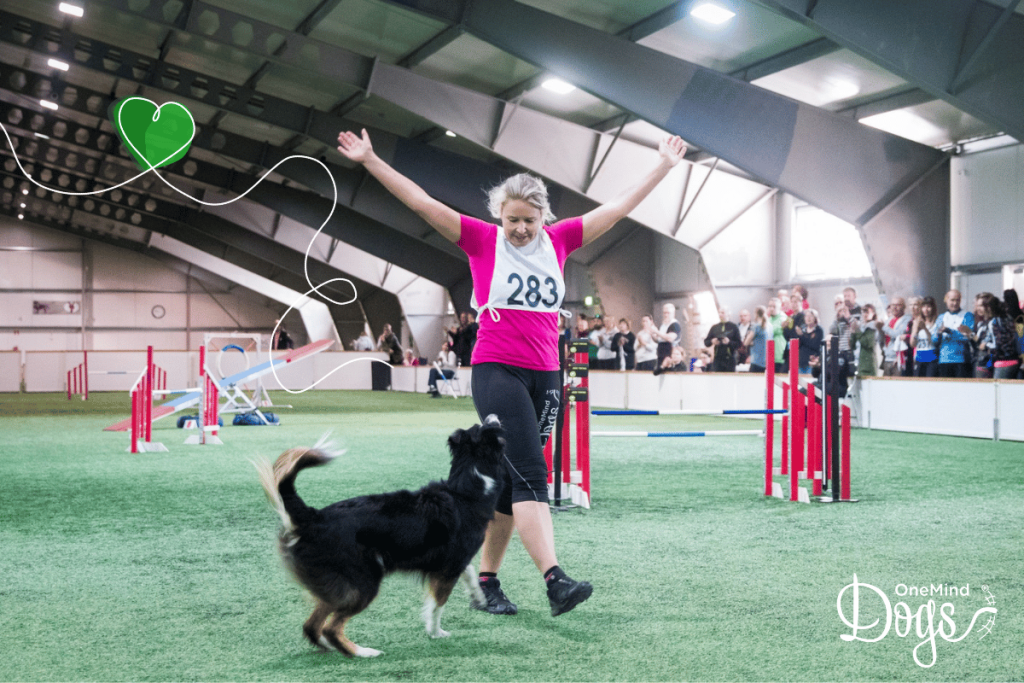
In the United States, the reach of agility training is expanding, with organizations such as the American Kennel Club (AKC) sponsoring numerous competitions and events yearly. This growing interest means more accessibility for dog owners, with local clubs offering specialized training sessions. Regardless of whether your dog is a seasoned athlete or just beginning its journey, there are opportunities for everyone. The variety of challenges – jumps, tunnels, and weave poles to name a few – ensures that each session remains fresh and exciting.
Throughout the rest of this article, we will delve even deeper into the myriad benefits of agility training and provide practical guidance on how to seamlessly weave these stimulating exercises into your dog’s lifestyle. As you embrace agility training, you will significantly enrich your dog’s routine while also enhancing their overall quality of life.
LEARN MORE: Click here for tips on preparing your home for a new pet
Getting Started with Agility Training
Incorporating agility training into your dog’s routine can be an exhilarating experience for both of you. However, the process does require some groundwork and understanding to set the stage for success. The idea is to start with the basics and gradually build your dog’s skills and confidence. Here are several steps and tips to help you get started.
Assess Your Dog’s Readiness
Before jumping into agility training, it is crucial to assess your dog’s physical condition and readiness for this type of activity. Here are some factors to consider:
- Age: Young puppies may not be ready for intense training, while older dogs might require special considerations due to joint health.
- Physical Fitness: A basic level of fitness is essential. Ensure that your dog is healthy and has had regular exercise.
- Temperament: Some dogs thrive in dynamic environments, while others may feel overwhelmed. Understanding your dog’s personality is key.
Basic Equipment for Home Training
You do not need to invest in expensive equipment right away. Start with simple items that you can easily find around your home or purchase affordably. Here are some essential pieces of equipment:
- Weave Poles: Use garden stakes or PVC pipes to create a simple weaving course.
- Hurdles: Construct jumps using broomsticks supported by boxes or other stable objects.
- Tunnel: You can create a tunnel using cardboard boxes or buy collapsible fabric tunnels designed for dogs.
Introduce Basic Commands
Training your dog to respond to basic commands such as “sit,” “stay,” and “come” is vital before advancing to agility-specific commands. Teaching consistency and clarity in commands will ensure that your dog understands what is expected during training. Start with short sessions gradually increasing their length as your dog becomes accustomed to the exercises.
Remember, each session should be fun and rewarding. Use positive reinforcement—treats, toys, or enthusiastic praise—to celebrate your dog’s milestones, no matter how small. This approach fosters a positive attitude toward learning and helps build their self-esteem.
Gradual Progression
As your dog becomes comfortable with the basic equipment and commands, you can gradually increase the complexity of the obstacles and courses. Start with a straightforward sequence and, over time, introduce new challenges. This not only maintains their interest but also enhances their problem-solving abilities.
In addition to tangible benefits like improved physical fitness and mental engagement, agility training can be a platform to meet other dog owners in your community. Consider joining local dog clubs or agility classes where you and your dog can learn together, share experiences, and make new friends. As you incorporate agility training into your dog’s routine, remember to celebrate the journey as much as the accomplishments.
| Category | Details |
|---|---|
| Physical Fitness | Agility training supports overall dog health by enhancing cardiovascular fitness and muscle strength. |
| Mental Stimulation | Engaging in agility exercises provides dogs with the mental challenge necessary to prevent boredom and behavioral issues. |
| Socialization | Training in a group setting fosters interaction with other dogs, promoting friendly behavior and social skills. |
| Bonding Time | Working on agility exercises strengthens the bond between dog and owner through shared experiences and teamwork. |
Incorporating agility training into your dog’s routine not only enhances their physical capabilities but also enriches their mental landscape. Physical fitness becomes more pronounced as agility drills improve cardiovascular health and muscle tone, leading to a more energetic and happy pet. Likewise, the mental stimulation derived from navigating obstacles keeps dogs engaged, curbing potential destructive behaviors caused by boredom.Additionally, training environments often act as a stage for socialization, allowing dogs to interact with their peers, which can help reduce anxiety and promote better dog-to-dog relationships. Most importantly, engaging in agility training can provide valuable bonding time for owners and their dogs. Utilizing positive reinforcement and shared achievements can create a more harmonious relationship while ensuring that your canine companion thrives both physically and psychologically. Explore the world of agility training to discover these incredible benefits for your dog!
DISCOVER MORE: Click here to learn about the importance of socializing your pets
Enhancing Your Dog’s Skills and Bonding through Agility Training
As you delve deeper into agility training with your dog, the benefits will extend beyond just fitness and skill development; it creates a unique opportunity to enrich your bond with your canine companion. Agility training emphasizes communication, teamwork, and patience, transforming your relationship into a partnership built on trust and understanding. Let’s explore how you can amplify these aspects while honing your dog’s abilities.
Improving Focus and Obedience
Agility training inherently requires a dog to maintain focus and listen to commands amidst distractions. As your sessions progress, you’ll notice a marked improvement in your dog’s attention span and overall obedience. Regularly practicing agility will encourage your dog to respond promptly to cues, enhancing their behavior both on and off the course. By offering consistent rewards for maintaining focus, you’re reinforcing desirable behavior that carries into everyday situations. This obedience is particularly valuable when socializing your dog in public spaces or managing their conduct around other animals.
Physical Benefits: A Workout for Body and Mind
Agility training serves as an excellent full-body workout for your pet. Jumping over obstacles, weaving in and out of poles, or sprinting through tunnels all contribute to developing muscle tone, coordination, and stamina. Regular physical activity is not just important for maintaining a healthy weight; it also mitigates behavior problems stemming from pent-up energy. A well-exercised dog is generally happier and more relaxed.
Moreover, agility exercises provide mental stimulation as well. As your dog navigates complex courses, they engage in critical thinking and problem-solving, which helps combat canine boredom. Incorporating agility training into your routine ensures that your dog remains mentally sharp, which can be vital for older canines whose cognitive functions may begin to decline.
Socialization Opportunities
Another compelling reason to integrate agility training into your dog’s routine is the chance for socialization. Engaging in classes or group training sessions creates an atmosphere where your dog can interact with other dogs and people, promoting healthy social behaviors. Learning to navigate agility equipment alongside other dogs helps foster confidence and reduce anxiety. This social interaction is essential for timid or shy dogs, who may flourish in a supportive environment.
Safety Considerations and Tailoring Training
As with any training regimen, safety should always remain a priority. Always start with warm-up exercises to prepare your dog’s muscles and joints for the workout ahead. Adjust the level of challenge based on your dog’s age and fitness, ensuring that you avoid overexertion, especially for younger or senior dogs.
Additionally, observe your dog’s reactions to various obstacles to tailor the training experience. Each dog is unique, and recognizing when they excel or seem hesitant allows you to modify your approach accordingly. If an obstacle causes fear or stress, consider breaking it down into simpler tasks or offering more encouragement before reintroducing it in the future.
Celebrating Progress and Setting Goals
Agility training is fundamentally about progress, whether big or small. Keep track of your dog’s improvements, and don’t hesitate to celebrate milestones. Setting achievable goals—be it perfecting a particular jump or completing an entire course—creates a sense of accomplishment for both you and your dog. This joy associated with learning motivates further participation and deepens your connection over time.
Incorporating agility training into your dog’s routine is more than an activity; it is a shared journey that builds essential behaviors, develops physical abilities, encourages social interaction, and ultimately strengthens the bond between you and your dog.
DISCOVER MORE: Click here for insights on animal nutrition
Conclusion: The Lasting Impact of Agility Training on Your Dog’s Life
Incorporating agility training into your dog’s routine offers a multitude of profound benefits that go beyond the basics of exercise and obedience. As highlighted, the dynamic nature of agility work not only enhances your dog’s physical condition but also provides mental stimulation critical for their cognitive health. The interaction involved in navigating obstacles together fosters a sense of teamwork and cooperation, strengthening the bond you share with your furry friend.
Furthermore, agility training is an invaluable tool for enhancing your dog’s social skills. By participating in classes or group activities, your dog gains exposure to different environments and the opportunity to interact with both humans and other canines, promoting vital social behaviors. As you tailor training to fit your dog’s individual needs, you create a supportive atmosphere that encourages growth and confidence.
Ultimately, the journey of agility training can serve as a rewarding experience that blends physical activity with mental challenges, celebrating each milestone achieved together. Setting realistic goals and tracking progress will not only motivate your dog but also enrich your relationship in ways you may not have anticipated. As you explore this engaging activity, remember the core of agility training: it’s about creating shared experiences that lead to a happy, healthy, and well-adjusted companion.
In conclusion, by embracing agility training, you’re committing to a vibrant, enriched lifestyle for both you and your dog. Take the first steps today, and watch as you both grow and thrive in this exciting journey of partnership.