Training Your Pet for Travel: Tips for a Stress-Free Journey

Getting Ready for Adventure
Traveling with your pet can be a rewarding experience, but it often comes with its share of challenges. The key to ensuring a stress-free journey lies in effective training and preparation. With the right approach, your furry friend can become a well-mannered travel companion. As pet owners, understanding the nuances of travel can ensure enjoyable and memorable moments on the road or in the skies.
Why Training Is Essential
Training your pet for travel benefits both you and your beloved animal, establishing a solid foundation for your adventures together. It minimizes anxiety and enhances safety in various travel situations, creating a harmonious environment for you and those around you. When considering travel training, keep in mind the following aspects:
- Behavioral Control: Teaching commands like “sit,” “stay,” or “come” instills discipline and ensures your pet’s safety in unfamiliar environments. For instance, if you’re traveling in a crowded airport, a firm “stay” command can prevent your pet from darting toward a distraction, potentially avoiding accidents.
- Travel-Friendly Habits: Familiarizing your pet with a carrier or travel crate can ease their transition during long trips. You might want to start by introducing the crate at home, allowing your pet to explore and feel comfortable before their first journey.
- Socialization: Exposing your pet to different environments and people can significantly reduce travel-related stress. Regular visits to pet-friendly parks or attending training classes can help make your pet more adaptable to new experiences.
In the United States, many pets experience car rides, flights, and even train journeys. Each mode of transportation presents unique challenges, from securely restraining your pet in a vehicle to managing their behavior in cramped airline cabins. For example, some airlines have specific policies regarding pet travel in the cabin versus in cargo areas, highlighting the importance of proper training and preparation.
Setting the Stage for Success
Planning ahead is crucial for a successful journey with your pet. To prepare your cherished companion for traveling, consider the following essential tips:
- Begin Training Early: Allow ample time for your pet to adapt to new skill sets. Ideally, start this process requires weeks or even months in advance of your travel date. This way, your pet can gradually learn and adapt without feeling rushed.
- Use Positive Reinforcement: Reward good behavior with treats or praise to make training enjoyable. For instance, if your dog remains calm while you pack your bags, give them a favorite treat as a reward, thus associating your preparation with positive experiences.
- Simulate Travel Scenarios: Practice short trips by taking your pet on brief car rides to positively associate travel with fun. Gradually increase the time spent traveling, which helps your pet become accustomed to the sensation of being in a vehicle.
By investing time in training and preparation, you can transform travel into a delightful experience for both you and your four-legged friend. With patience and diligence, your pet can transition from a hesitant traveler to an enthusiastic adventure buddy, ready to explore all the wonders that await you both beyond your doorstep. Ultimately, the bond you build through these experiences will enrich your journey together, making each escape a cherished memory.
DON’T MISS: Click here for essential tips on cat care!
Preparing for the Journey Ahead
As you set your sights on the open road or the friendly skies, the preparation you undertake for your pet plays a pivotal role in ensuring a stress-free journey. Trust me, a well-prepared pet is not just a joy to accompany; it can make or break the experience. Traveling can expose your animal to new sights, sounds, and smells, which can be overwhelming without adequate training.
Understanding Pet Behavior
Every pet has its own personality that can evolve in new environments. Some animals are naturally curious and adventurous, while others may be more reserved or anxious. Familiarizing yourself with your pet’s unique traits is essential for a smooth travel experience. Key behaviors to monitor include:
- Anxiety Levels: Does your pet show signs of anxiety in unfamiliar situations? Barking, whining, or hiding could indicate stress. Implementing socialization techniques and training methods that address these behaviors can help mitigate anxiety while traveling.
- Response to New Environments: Pay attention to how your pet reacts to changes in their surroundings. A positive reaction can mean they’re ready for adventure, while hesitancy may require additional acclimatization.
- Grooming Needs: Long car rides or flights may necessitate proper grooming beforehand. Ensuring your pet’s coat is clean and free of tangles can help minimize discomfort during travel.
Traveling can heighten anxiety levels for pets, often making them feel out of control. Understanding the underlying behaviors can guide you in their training, creating a more adaptable travel companion. Keep in mind that familiarity breeds comfort. The more exposure your pet has to varied environments, the more confident they’ll become.
Creating a Tailored Travel Training Plan
Once you’ve assessed your pet’s behavior, you can develop a personalized training plan that caters to their needs. Here are some practical steps to include in your training regimen:
- Practice Crate Time: If using a crate, ensure your pet associates it with a safe and positive space. Add toys or treats, and practice leaving them in the crate for short periods at home, gradually increasing the duration.
- Leash Training: A reliable leash is essential for outdoor excursions. Work on leash manners in a variety of settings, allowing your pet to become accustomed to common distractions they may face during travel.
- Desensitizing to Sounds: If your pet exhibits fear of loud noises, such as airplane engines or honking horns, play recorded sounds at a low volume during training sessions. Gradually increase the volume and pair it with treats to create a positive association.
Incorporating these techniques into your training plan will equip your pet to handle the ever-changing dynamics of travel with ease. Lastly, remember that patience is key. The transformation from an anxious traveler to a carefree adventurer might not happen overnight, but the rewards of traveling together are immeasurable. With the right training, your pet will soon learn to embrace new travel experiences with enthusiasm.
| Advantages | Benefits |
|---|---|
| Improved Socialization | Travel training encourages your pet to interact positively with various people, environments, and other animals, reducing anxiety. |
| Enhanced Obedience | Consistent travel training reinforces commands and behaviors, resulting in a well-behaved pet during trips and outings. |
| Stress Reduction | Familiarizing your pet with travel routines minimizes their stress levels, making the journey enjoyable for both pet and owner. |
| Safety Awareness | Training your pet for travel ensures they know how to behave safely, reducing accidents and enhancing their security on the road. |
Understanding the advantages of training your pet for travel can significantly enhance your journeys. Each aspect outlined not only prepares your pet but also enriches their experience when exploring new destinations together. Embracing these elements leads to a more enjoyable travel experience, ensuring that whether you’re on a long road trip or a brief getaway, both you and your pet remain comfortable and relaxed. Take the time to invest in training; it’s one of the best decisions you can make for stress-free adventures.
LEARN MORE: Click here for insights on preventing pet obesity
Setting the Stage for a Successful Trip
With your tailored training plan in place, it’s time to fine-tune the details that contribute to a successful travel experience. Beyond behavior modification, logistics play a crucial role in ensuring that your furry friend remains comfortable, engaged, and safe throughout your journey. Below, we explore essential tips for travel preparation that should be integral to your strategy.
Essential Packing for Your Pet
Just as you wouldn’t embark on a trip without packing carefully, your pet also requires a selection of essentials. Consider gathering the following items as part of your travel kit:
- Comfort Items: Bring familiar blankets, toys, or anything else that smells like home. These items can provide reassurance and reduce stress from being in an unfamiliar place.
- Food and Water: Include a sufficient supply of your pet’s regular food along with portable food and water bowls. Maintaining a consistent diet can prevent digestive issues and discomfort during the journey.
- First Aid Kit: An emergency first aid kit tailored for pets should contain essentials like bandages, antiseptic wipes, and any medications your pet might need. Knowing you’re prepared for any mishap can ease your mind.
Having these items on hand will ensure your pet’s needs are met and can contribute significantly to a stress-free journey.
Acclimating to Different Modes of Transportation
Whether you’re taking a road trip or flying across the country, it’s essential to introduce your pet to the mode of transportation beforehand. Each setting presents unique challenges and adjustments for your furry friend. Here are some suggestions:
- Car Rides: Short jaunts in the car can help your pet acclimate to longer drives. Gradually increase the duration of these outings and reward calm behavior with treats or praise. Also, ensure your pet is securely harnessed or confined in a well-ventilated crate to prevent distractions while driving.
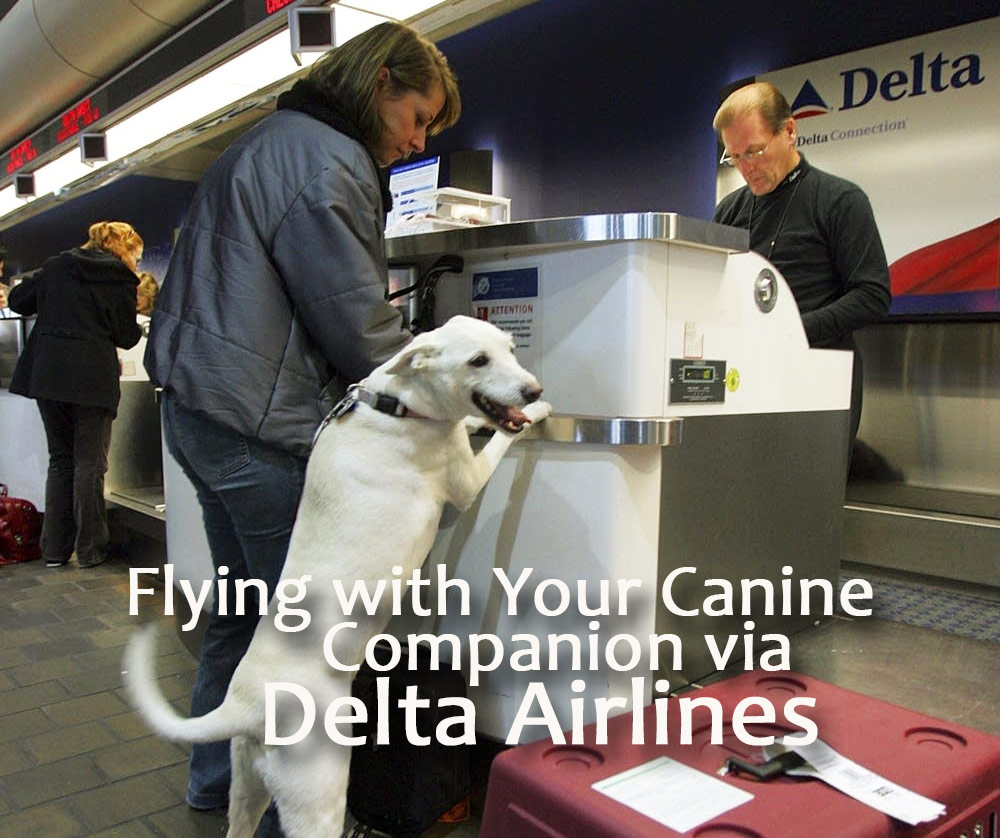
- Air Travel: If you’re flying, become familiar with your airline’s pet policies, as each may have specific regulations. Consider booking a direct flight if possible, as layovers can add stress. Also, practice getting your pet comfortable in a crate that meets transport standards, allowing them to explore and adjust to it well before your departure.
By gradually exposing your pet to different travel scenarios, you’ll help cultivate an air of confidence that will serve them well during the actual trip.
Planning Pet-Friendly Stops
Long journeys often require breaks, not just for humans but for pets too. Identifying pet-friendly rest stops along your route can contribute to a more enjoyable and relaxing experience. Here are some considerations:
- Find Pet-Friendly Locations: Use apps or websites that specialize in pet-friendly accommodations and services, including restaurants, parks, and hotels. Local ordinances can vary, so having a plan can save time and reduce potential stress.
- Schedule Breaks: Regular stops every couple of hours can give your pet an opportunity to stretch their legs, relieve themselves, and drink water. This not only enhances their comfort but also helps ward off restlessness during travel.
Incorporating these elements into your travel itinerary is crucial for maintaining not just your pet’s comfort but also your own peace of mind during the journey.
DISCOVER MORE: Click here for essential pet health tips
Final Thoughts on Traveling with Your Pet
In conclusion, ensuring a stress-free journey with your pet requires thoughtful preparation and training. By focusing on behavioral adjustments and familiarization with various transport modes, you empower your furry friend to face the challenges of travel confidently. Adapting their training to accommodate your travel plans is essential—whether that means practicing short car rides or acclimating them to their travel crate. It’s also important to remember that your pet thrives on routine, so maintaining their usual feeding and exercise habits during travel will help mitigate anxiety and restlessness.
Moreover, the details matter. Packing essentials, from comfort items to a well-stocked first aid kit, can make all the difference in ensuring your pet feels secure and cared for. Additionally, wisely choosing pet-friendly stops along your journey can create opportunities for exercise and relaxation, leading to a more harmonious travel experience for both you and your pet.
Ultimately, as you embark on this adventure together, your attentiveness to their needs not only enriches your travels but also strengthens the bond you share. With these tips in hand, you are now equipped to explore the world alongside your furry companion, creating memories that last a lifetime. So, gather your supplies, hit the road, and discover the joys of traveling with your pet!