The Role of Veterinarians in Preventing Infectious Diseases in Pets
The Vital Role of Veterinarians in Disease Prevention
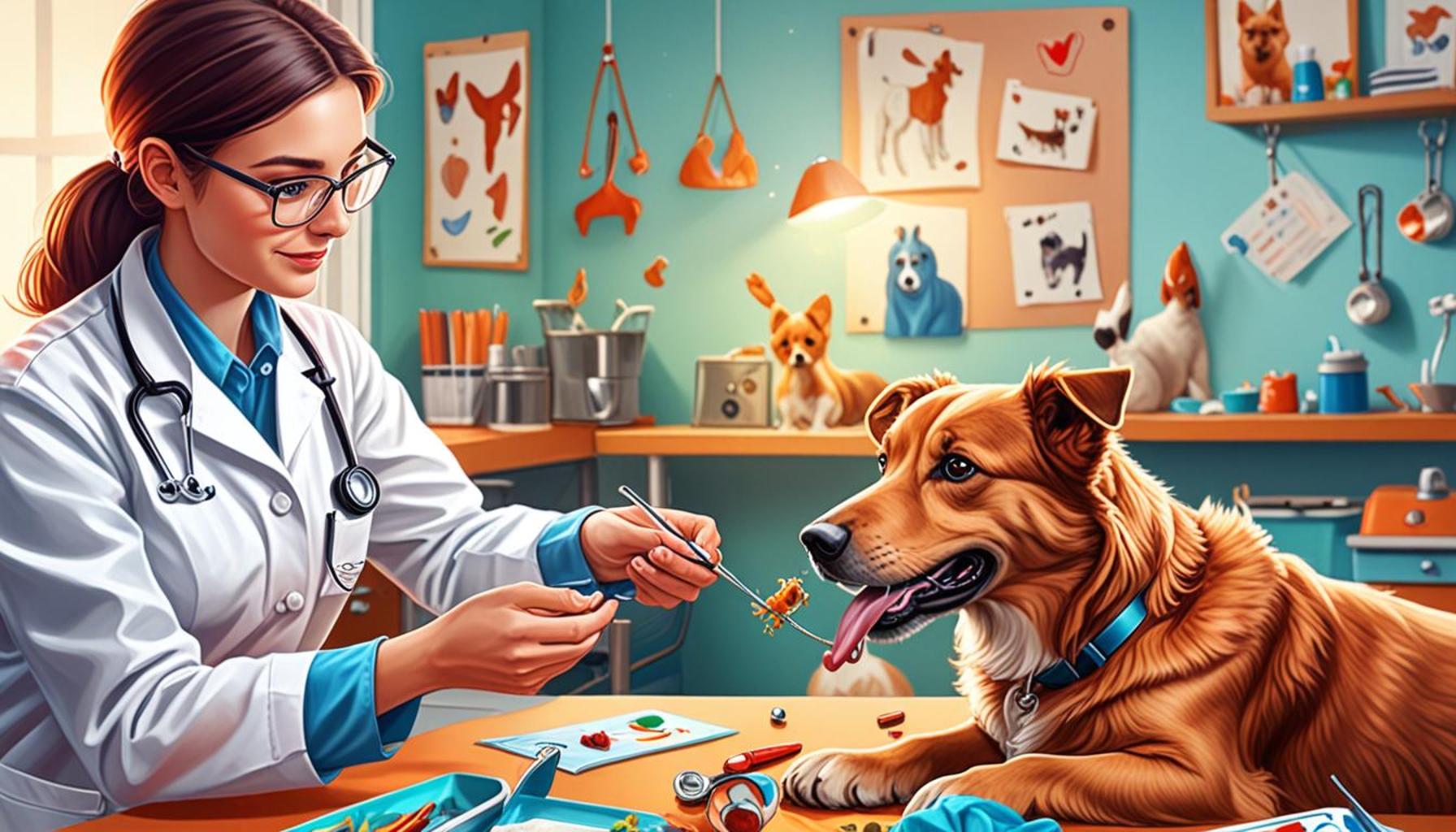
In the realm of animal care, veterinarians tackle numerous challenges, one of the foremost being the prevention of infectious diseases. While their primary function might seem to focus on diagnosing and treating illnesses, what truly sets them apart is their proactive approach to safeguarding the health of both pets and the communities they inhabit.
One of the most critical responsibilities veterinarians hold is the administration of vaccination programs. Vaccines are designed not only to protect pets from commonplace and potentially lethal diseases such as rabies, parvovirus, and distemper but also to help establish herd immunity within the pet population. For instance, rabies vaccinations are mandatory in many states, primarily due to the disease’s transmissibility to humans, reinforcing the idea that pet health directly intersects with public health. When a significant proportion of the pet population is vaccinated, the spread of such diseases can be significantly curtailed, creating a safer environment for both animals and humans alike.
Beyond vaccinations, veterinarians play an instrumental role in health education. They are uniquely positioned to provide pet owners with valuable insights into animal care, including proper nutrition, grooming, and hygiene practices. For example, educating pet owners on the importance of regular parasite control can drastically reduce the likelihood of infections such as Lyme disease and heartworm. By fostering a culture of preventive care, vets empower pet owners to take active steps in maintaining their pets’ health, which in turn enhances community health.
Additionally, veterinarians take on the responsibility of monitoring disease trends. By keeping track of health data and emerging diseases, they can identify patterns that signal potential outbreaks. This vigilance is crucial when it comes to zoonotic diseases—those that can be transmitted from animals to humans. For example, the outbreak of H1N1 in 2009 showcased how interconnected animal and human health can be, underscoring the need for veterinarians to monitor animal health rigorously and collaborate with public health officials. Veterinarians often work alongside organizations such as the CDC (Centers for Disease Control and Prevention) and USDA (United States Department of Agriculture) to report their findings and contribute to broader public health strategies.
In retrospect, the role of veterinarians extends far beyond the walls of clinics; their efforts form the first line of defense against infectious diseases that could devastate pets and resonate through human populations. As pet owners, understanding and supporting these preventive measures positions us to contribute positively to the health of our beloved companions and ourselves. With their expertise, veterinarians remain an enduring bastion of hope in the continuous battle against infectious diseases.
DISCOVER MORE: Click here to learn about the importance of socialization for your pets
The Proactive Measures Taken by Veterinarians
Veterinarians serve as essential guardians in the fight against infectious diseases affecting pets, employing a multifaceted approach that prioritizes prevention over treatment. Their extensive training and expertise enable them to implement strategies that not only protect individual animals but also benefit public health. Understanding these measures can help pet owners appreciate the vital role veterinarians play in comprehensive pet wellness.
Vaccination protocols are perhaps the most visible aspect of a veterinarian’s preventative strategies. In the United States, routine vaccinations, such as those for canine parvovirus, feline leukemia, and Bordetella (kennel cough), help maintain optimal health in pets. These vaccines stimulate the immune system, equipping animals with the necessary defenses against diseases that could otherwise lead to severe health complications. Moreover, many veterinarians advocate for a tailored vaccination schedule, taking into account factors such as the pet’s age, lifestyle, and overall health status. This personalized approach ensures that pets receive the most effective protection without unnecessary exposure to potential side effects.
Moreover, veterinarians engage in comprehensive risk assessments to identify specific threats related to infectious diseases in their locale. For example, the prevalence of heartworm can vary significantly based on geographical regions, necessitating specific preventive measures. In warmer climates, where mosquitoes— the primary vector for heartworm disease— thrive, veterinarians strongly recommend routine heartworm testing and monthly preventative medications. By understanding regional disease patterns, veterinarians can advise pet owners on the most effective and timely actions to safeguard their animals.
In addition to vaccination and risk assessment, veterinarians play a critical role in preventive health care education. They inform pet owners about hygiene practices that minimize the spread of infectious diseases. Some key practices include:
- Regular cleaning of pet environments, such as bedding and play areas, to eliminate pathogens.
- Routine baths and grooming to remove parasites and promote skin health.
- Periodic check-ups to catch any health issues early, ensuring prompt treatment.
Veterinarians also emphasize the importance of socialization and controlled interactions with other animals, as this can further mitigate risks. For instance, introducing new pets to each other should be done gradually and with supervision, allowing for observation of any adverse reactions. Such strategies augment the effectiveness of vaccinations and other preventative measures, ensuring a holistic approach to animal care.
Recognizing the direct impact of veterinary care on community health, veterinarians advocate for awareness campaigns that promote responsible pet ownership. By fostering open communication about the responsibilities that come with pet care, veterinarians lay the groundwork for a culture of accountability among pet owners. This collaborative effort is essential in minimizing the transmission of infectious diseases, not only among pets but also between pets and their human companions.
The Importance of Regular Veterinary Check-ups
Regular veterinary check-ups play a crucial role in preventing infectious diseases in pets. During these visits, veterinarians conduct thorough examinations, which can help detect early signs of illness before they escalate. These proactive measures not only safeguard the health of pets but also contribute to the overall well-being of the community by mitigating the spread of infectious diseases. Furthermore, vaccinations are an essential component of a veterinarian’s toolkit. Vaccines are designed to stimulate the immune system, equipping pets to combat common infectious agents such as parvovirus, rabies, and leptospirosis. By ensuring pets stay up-to-date on vaccinations, veterinarians can significantly reduce the incidence of these diseases.In addition to providing vaccinations, veterinarians educate pet owners about parasite control. Fleas, ticks, and worms can transmit serious infections, and proper prevention strategies are necessary to protect pets. Veterinarians often recommend specific treatments tailored to individual pets’ needs, which not only helps in preventing diseases but enhances the overall health of the pet.Moreover, pet owners can take advantage of the valuable knowledge veterinarians offer regarding nutritional needs, exercise requirements, and lifestyle adjustments. This comprehensive approach helps in maintaining a pet’s health and preventing diseases from taking hold. In conclusion, the preventive measures taken by veterinarians are invaluable. By fostering strong relationships with pet owners, they empower them with the knowledge and resources necessary to keep their pets healthy and infectious disease-free. The collaboration between veterinarians and pet owners is fundamental in achieving these goals, creating a healthier environment for all.
The Role of Community Awareness
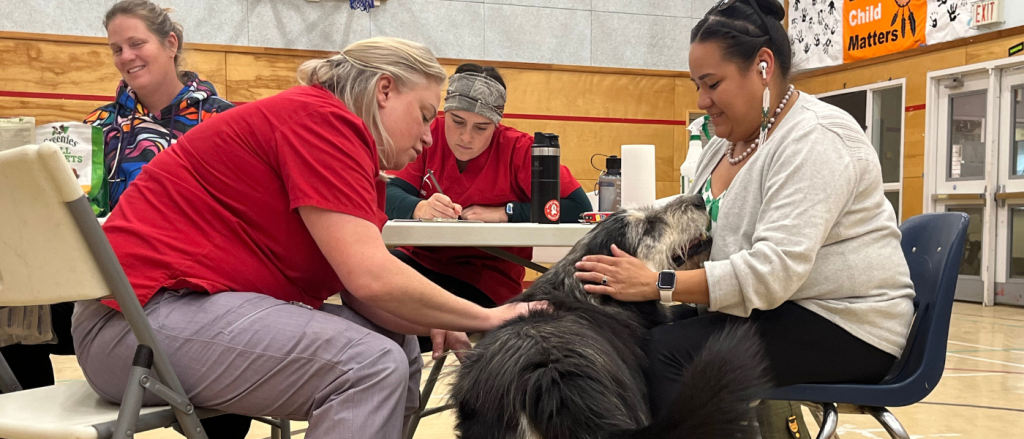
Building community awareness is another critical element in the fight against infectious diseases in pets. Veterinarians often engage in outreach programs, offering free seminars or workshops that cover the importance of pet vaccination, hygiene practices, and the signs of potential infections. These events serve not only to educate pet owners but also to foster a sense of responsibility towards community health. Additionally, social media platforms allow veterinarians to extend their reach beyond the clinic. Engaging posts that highlight recent outbreaks, prevention tips, and success stories can mobilize pet owners and reinforce the importance of veterinary care. In summary, the multifaceted approaches adopted by veterinarians in both individual and community settings play an essential role in preventing infectious diseases in pets. Through education, vaccination, and regular health check-ups, veterinarians lay the groundwork for a healthier future for both pets and their owners.
DISCOVER MORE: Click here to learn why socialization is key for pets
Integration of Technology in Veterinary Practices
In an age where technology is deeply integrated into various sectors, the veterinary field is no exception. Modern veterinarians utilize advanced diagnostic tools and data analysis to enhance preventative care for pets. For example, veterinarians may use polymerase chain reaction (PCR) testing to identify pathogens in a more precise and timely manner. This not only helps in accurately diagnosing infections but also assists in implementing targeted prevention strategies tailored to the presence of specific diseases in their area.
Furthermore, the adoption of electronic health records (EHR) allows for better tracking of vaccination schedules, treatment histories, and overall pet health trends. By maintaining comprehensive health data, veterinarians can easily identify patterns and risk factors for infectious diseases, ensuring that preventative measures remain current and effective. This systematic approach not only benefits the individual pet but also contributes to broader epidemiological insights that can inform public health initiatives.
The Importance of Collaboration with Pet Owners
Veterinarians alone cannot shoulder the responsibility for preventing infectious diseases; pet owners play a pivotal role in this collaboration. Educating pet owners about recognizing signs of illness can lead to early interventions that prevent the spread of diseases. Symptoms such as coughing, lethargy, or unusual behavior may indicate an underlying infectious disease. When pet owners are vigilant and promptly seek veterinary care, the chances of outbreaks are significantly reduced. This partnership fosters a culture of proactive health management within the pet community.
- Regular communication between veterinarians and pet owners is essential; updates on local outbreaks or changes in disease prevalence can guide responsible pet ownership practices.
- Veterinarians often provide resources to educate pet owners about the specific infectious diseases common in their area and the best preventive practices.
Veterinarians also leverage the power of social media and online platforms to disseminate critical information. Campaigns that inform pet owners about vaccination clinics, disease prevention events, and community health initiatives have shown to increase awareness and participation, further enhancing community health outcomes. For example, during the annual “National Pet Immunization Month,” veterinarians collaborate with local shelters and community centers to raise awareness about vaccination importance and offer discounted services.
Research and Development in Infectious Disease Prevention
To stay ahead of emerging infectious diseases, veterinarians often engage in or support ongoing research and development aimed at improving preventive measures. This includes working with pharmaceutical companies to develop new vaccines or treatments that address newly identified pathogens, ensuring that pets receive the best possible protection.
For instance, the emergence of canine influenza virus has prompted rapid research efforts leading to the development of effective vaccines. Veterinarians contribute vital field data to scientific studies, thus playing a key role in shaping the future of veterinary medicine. Their involvement in these initiatives showcases an ongoing commitment to advancing public health through innovative solutions that mitigate the impact of infectious diseases on pets.
In summary, the collaborative and proactive measures taken by veterinarians, bolstered by technology and community awareness, create a robust framework for preventing infectious diseases in pets. Understanding the critical role veterinarians play, along with the active engagement of pet owners, establishes a resilient defense against health threats to pets and, by extension, the communities they inhabit.
DISCOVER MORE: Click here to learn about the importance of a balanced diet for your pet’s health
Conclusion: Strengthening the Bond for Better Pet Health
In conclusion, the role of veterinarians in preventing infectious diseases in pets is not only crucial but multifaceted. Through a strategic integration of technology such as advanced diagnostic tools and electronic health records, veterinarians enhance their capacity to anticipate, diagnose, and mitigate health threats to our furry companions. Their commitment to research and development further empowers pet owners and the community at large, facilitating the creation of better vaccines and treatment options against emerging pathogens.
Equally important is the active partnership between veterinarians and pet owners, which fosters a culture of vigilance and responsibility. When pet owners are educated about recognizing symptoms and the importance of routine veterinary care, they become essential allies in the fight against infectious diseases. This collaboration is reinforced by community outreach initiatives, which ensure that knowledge about disease prevention is widely accessible.
As public health threats continue to evolve, the continuous engagement of veterinarians and pet owners in preventative practices will remain vital. By understanding each party’s roles and responsibilities, we can establish a resilient defense that protects not just our pets but also the health of the communities we cherish. In nurturing this relationship, we pave the way for a healthier, happier future for pets and their owners alike, making it clear that prevention is always better than cure.