The Impact of Environmental Pollution on the Health of Pets
Understanding the Impact of Environmental Pollution on Pet Health
The ongoing deterioration of environmental quality in the United States is a pressing concern, and its repercussions extend far beyond human health. Our pets, who often share our living spaces and lifestyles, are equally susceptible to the harmful effects of pollution. As pollutants permeate the air we breathe, the water we use, and the soil that grows our food, a troubling pattern of health issues in pets is emerging. Pet owners are becoming more cognizant of the alarming evidence linking environmental factors to pet health, prompting the need for greater vigilance and preventive measures.
Pets can exhibit various health challenges as a direct result of their exposure to environmental pollutants. For instance, respiratory issues such as asthma and bronchitis are increasingly common in pets, particularly in urban areas where vehicle emissions contribute significantly to poor air quality. According to the Environmental Protection Agency (EPA), areas with high traffic congestion often see elevated levels of dangerous particulates that can trigger asthma attacks in dogs and might even lead to chronic lung disease. Additionally, cats exposed to polluted environments may develop similar respiratory problems, including chronic feline bronchitis.
Another pressing issue is the prevalence of skin allergies and irritations. Pets are frequently affected by pollutants like pesticides that are commonly found in outdoor environments. In fact, many commercial lawn care products contain chemicals linked to skin sensitivities in both dogs and cats. Affected pets may exhibit symptoms such as excessive scratching, scabbing, or even hair loss. Furthermore, neurological disorders have been linked to heavy metals such as lead and mercury, which can enter their systems through contaminated water or food. Research has shown that even low levels of these toxins might negatively impact a pet’s behavior and cognitive function.
This concern does not end with respiratory and skin conditions. Long-term exposure to certain hazardous chemicals, such as those found in household cleaning products and certain pet foods, has been associated with an increased risk of cancer in pets. Recent studies have highlighted a correlation between the use of specific herbicides and a higher incidence of malignant tumors in companion animals, emphasizing the pressing need for pet owners to scrutinize their home environments.
Considering these health risks, it is imperative to identify common pollutants that might affect our furry friends. Vehicle emissions, for instance, are not just harmful to human health; they also contribute to the deterioration of the air quality that pets inhale. The effects of pesticides commonly used in gardens and on lawns cannot be understated, as they pose direct exposure risks when pets play outdoors. Similarly, plastic waste is a growing threat, especially in waterways where pets may drink contaminated water or accidentally ingest plastic fragments during play.
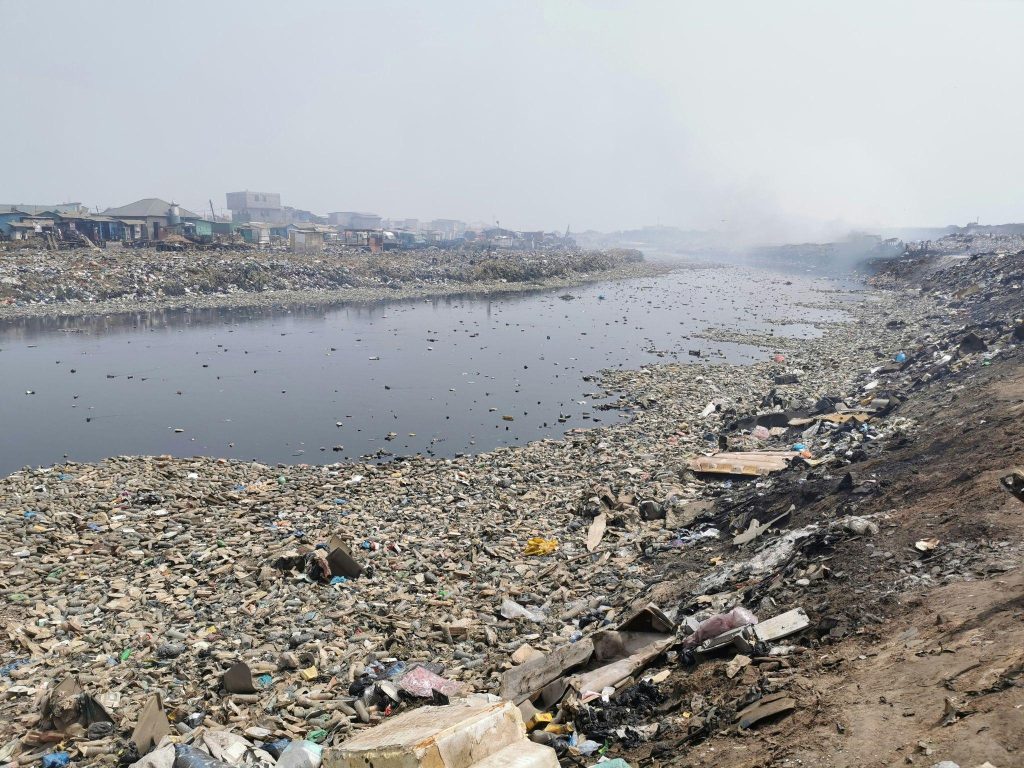
As awareness grows regarding potential toxic exposure, proactive measures become critical for safeguarding the health of our beloved pets. Cleaning up local environments, opting for organic gardening solutions, and using non-toxic household products are just a few ways to minimize exposure. Furthermore, regular veterinary check-ups and a keen eye for any behavioral changes can serve as invaluable tools for early identification of health issues possibly related to pollution.
In the following sections, we will delve deeper into the specific effects of environmental pollution on pets and offer insightful recommendations that pet owners can implement to ensure the health and well-being of their furry companions. Together, we can create a safer and healthier environment for all inhabitants of our homes, human and animal alike.
DISCOVER MORE: Click here for effective puppy training techniques
Health Challenges Faced by Pets in Polluted Environments
As we delve deeper into the impact of environmental pollution on pet health, it’s crucial to understand the various ailments that can arise. Pets, much like humans, face a myriad of health challenges stemming from exposure to pollutants. Identifying these issues not only raises awareness but also empowers pet owners to implement solutions that can enhance their furry friends’ quality of life.
One significant concern is the increase in respiratory diseases. The inhalation of polluted air, particularly in urban settings where traffic congestion is common, can lead to chronic respiratory issues in pets. Dogs and cats subjected to the fumes and particulate matter emitted by vehicles are more likely to experience symptoms akin to asthma. A report from the American Veterinary Medical Association (AVMA) highlights that urban pets have a noticeably higher incidence of respiratory conditions compared to their rural counterparts, raising alarming questions about the safety of city living for our beloved animals.
Another critical aspect to consider is the effect of endocrine disruptors found in various chemical pollutants. These substances can interfere with hormone regulation in pets, leading to obesity, reproductive issues, and other metabolic disorders. For example, pesticides used on lawns and in gardens often contain chemicals that have been classified as endocrine disruptors. Pets that roam freely outdoors are at risk of ingesting these toxins, particularly through grooming behaviors or by simply lying on contaminated grass.
Additionally, the presence of heavy metals in the environment poses a high risk to pet health. Metals such as lead, cadmium, and mercury can accumulate in the bodies of animals, leading to serious health problems such as kidney failure, neurological damage, and even death. The sources of these contaminants are varied, often originating from industrial waste, lead-based paints, or even discarded batteries. It is estimated that pets living in urban areas are 30% more likely to have detectable levels of these harmful metals in their systems compared to those in less polluted regions.
- Respiratory issues: Increased rates of asthma and chronic bronchitis.
- Endocrine disruption: Potential for obesity and reproductive challenges.
- Heavy metal toxicity: Risks of kidney failure and neurological issues.
The notion of water pollution cannot be overlooked either. Contaminated water sources are an insidious threat, affecting not just wildlife but also domestic pets who may drink from natural water bodies. Pollutants such as agricultural runoff can lead to the presence of harmful bacteria or toxins in these waters, and pets exposed to them are at an increased risk of gastroenteritis or other serious intestinal issues. The American Society for Prevention of Cruelty to Animals (ASPCA) emphasizes the need for pet owners to ensure their animals have access to clean, fresh water at all times.
These health challenges underscore the importance of being proactive in identifying and mitigating exposure to environmental pollutants. Recognizing the signs of pollution-related health problems is key, and pet owners should consider consulting with veterinarians regarding the best preventive measures. A commitment to environmental awareness is not just a benefit to public health; it directly influences the well-being of pets as well. With growing knowledge comes the responsibility to create a safer world for every member of our households, furry or otherwise.
As we delve deeper into the impact of environmental pollution on the health of pets, it is essential to understand the various factors at play. With the rapid increase in pollutants, pets are increasingly becoming victims of the toxic substances that pervade their environments. The consequences can range from respiratory issues to skin conditions, which lead many pet owners to seek more knowledge on this pressing concern.
Air Quality is one of the most significant contributors to pet health problems. Pollutants such as particulate matter, ozone, and carbon monoxide can adversely affect pets, leading to chronic respiratory diseases. Animals with existing conditions, like asthma, are particularly vulnerable. It’s crucial for owners to monitor air quality indexes in their areas and take precautions on high pollution days.
Water Pollution is another key factor that should not be overlooked. Contaminated water sources can carry dangerous bacteria and chemicals that are harmful to pets. Drinking or bathing in polluted water may lead to gastrointestinal disorders or dermatological issues. Many localities are investing in better filtration systems, yet it remains vital for pet owners to be vigilant about the sources of their animals’ water.
Additionally, the exposure to pesticides and chemicals in urban areas can lead to severe health risks for pets. These substances, often used without considering their impact on wildlife, can accumulate in the bodies of pets, leading to toxic reactions. Education on these chemicals can empower pet owners to take proactive measures, from choosing organic pest control methods to using natural products in their households.
The importance of raising awareness about these issues cannot be understated. By educating themselves about the risks posed by environmental pollution, pet owners can better protect their furry companions and promote healthier living conditions. The exploration of solutions, knowledge dissemination, and community involvement can create safer environments for pets.
| Category | Description |
|---|---|
| Air Quality | Exposure to pollutants like ozone causing respiratory issues. |
| Water Quality | Polluted water sources leading to gastrointestinal disorders. |
| Chemical Exposure | Chemicals and pesticides leading to toxic reactions in pets. |
DIVE DEEPER: Click here to discover effective techniques
Long-Term Effects of Environmental Pollutants on Pet Health
The ramifications of environmental pollution extend far beyond immediate health concerns; they can lead to a series of long-term health complications for pets. From chronic illnesses to genetic alterations, the effects of pollutants can significantly diminish the quality of life for our animal companions. Understanding these long-term consequences is vital for pet owners who wish to provide the best care possible.
Perhaps one of the most alarming aspects of pollution is its potential to cause cancer in pets. Research has shown that certain chemicals found in pesticides and industrial emissions are carcinogenic, meaning they can trigger the development of tumors over time. A study published by the Veterinary Journal indicates that dogs living near contaminated industrial sites have a higher incidence of specific cancers, such as lymphoma and bladder cancer. These findings emphasize the need for pet owners to assess their surroundings critically and be cautious of the products they use on their properties.
Neurological disorders are another significant concern linked to environmental pollutants. Exposure to heavy metals like lead and mercury can disrupt normal neurological development in pets. Puppies and kittens are particularly vulnerable, as their developing brains may be adversely affected by even minimal exposure. Symptoms can range from behavioral changes to severe cognitive impairments. Veterinary professionals urge pet owners to be mindful of their pet’s environment, especially in areas with heavy industrial activity or high levels of toxin release.
The effect of microplastics also deserves attention. These tiny plastic particles increasingly pollute our oceans and soils, finding their way into the bodies of terrestrial and aquatic animals alike. Pets that consume contaminated food or water can inadvertently ingest microplastics, which may cause digestive issues or systemic inflammation. A 2022 study conducted by the University of California revealed that pets consuming commercially produced food were found to have microplastics in their feces, raising concerns about the long-term effects on their digestive health.
- Cancer: Increased risk of lymphoma and bladder cancer in pets living near industrial pollution.
- Neurological disorders: Cognitive impairments linked to heavy metal exposure.
- Microplastics: Digestive issues stemming from contaminated food and water sources.
Moreover, the cumulative effects of pollution can lead to a condition known as multisystem inflammatory syndrome, where various organs and systems in the body are affected by chronic exposure to toxins. This complex syndrome presents a challenge for veterinarians, as symptoms often mimic those of other diseases, making diagnosis difficult. Pet owners may notice persistent lethargy, behavioral changes, or sudden weight loss. It is advisable for responsible pet owners to remain vigilant and seek veterinary help if any unusual behaviors arise.
The troubling reality is that the health of our pets can serve as an early warning system for environmental hazards. Their visible reactions to polluted environments may indicate larger ecological issues that affect all living beings. As stewards of our pets’ health, it is our duty to investigate and address the causes of their suffering, paving the way for a healthier coexistence with our furry friends.
DISCOVER MORE: Click here for essential tips on preventing obesity in pets
Conclusion
In conclusion, the impact of environmental pollution on the health of pets is a pressing concern that warrants our immediate attention. As we have explored, pets are not only susceptible to the same environmental hazards that challenge human health but also exhibit unique vulnerabilities that can lead to serious long-term health issues. From an elevated risk of cancers associated with industrial pollutants to neurological disorders triggered by heavy metals, the ramifications of pollution extend far beyond mere inconvenience; they touch the very essence of our pets’ well-being.
The presence of microplastics in pet food and its potential to disrupt digestive health is yet another alarming indicator of how human activity can intricately affect the animal world. The condition known as multisystem inflammatory syndrome serves as a complex reminder of the cumulative toll that environmental toxins can take on pets, manifesting through a range of symptoms that can be difficult to diagnose. This complexity highlights the necessity for pet owners to adopt a proactive approach when managing their pets’ environments.
As stewards of our pets’ health, it becomes our responsibility to educate ourselves and advocate for their welfare. By understanding the links between environmental pollution and pet health, we can take significant steps to mitigate these risks—whether through conscientious choices in product use, regular veterinary check-ups, or community advocacy for cleaner environments. Each action contributes to the larger narrative of a healthier coexistence with our beloved companions, urging us to foster a world where we prioritize both pet and environmental health. Such dedication not only protects our pets but ultimately enriches the lives of all living beings, ensuring a sustainable future.