How Volunteering in Shelters Can Enrich the Process of Pet Adoption

The Transformative Experience of Volunteering in Animal Shelters
Volunteering in animal shelters not only provides vital support for the pets residing there but also creates profound opportunities for personal growth among volunteers. When individuals engage with pets awaiting adoption, they are not only impacting the lives of these animals but also enhancing their own experiences. This synergy results in more successful placements, which ultimately leads to brighter futures for the pets and their new families.
Gaining Insights into Animal Behavior
One of the primary advantages of volunteering is the deep understanding of pet behaviors that volunteers gain during their time at shelters. By interacting closely with the animals, volunteers learn to recognize signs of stress, fear, or excitement, which can be invaluable information for potential adopters. For instance, a shy dog who loves to play fetch might just need a little encouragement from a caring person. This knowledge helps adopters make informed decisions, as they are matched with pets that fit their lifestyle and environment.
Fostering Trust and Social Skills
Volunteers play a crucial role in building trust between the pets and humans. Many shelter animals come from difficult backgrounds and may exhibit fear or anxiety in new situations. Volunteers help these animals develop their social skills by taking them on walks, providing playtime, and engaging in training exercises. A well-socialized pet is much more likely to thrive in a home environment, making them more appealing to potential adopters. For example, a Labrador retriever that has learned to walk calmly on a leash or respond to basic commands will stand out as a candidate for adoption, increasing its chances of finding a loving home.
Creating Community Connections
Engagement in volunteering often extends beyond the immediate experience with animals—it fosters a culture of community support and advocacy for shelter animals. Animal lovers come together, sharing their passion and knowledge, thereby creating a network of advocates for pet adoption. Events like adoption drives or fundraising galas not only help the shelter but also raise awareness and encourage community involvement. This collective effort leads to a stronger, more empathetic community that values the lives of homeless pets.
Essential Skills for Future Success
Volunteering also equips individuals with essential skills that can be beneficial beyond the realm of animal care. Volunteers develop insights into proper animal husbandry, first aid, and basic training techniques, all of which are invaluable for anyone considering pet ownership. Furthermore, networking opportunities abound, allowing volunteers to connect with fellow enthusiasts and professionals in veterinary and animal care fields. These relationships can lead to job opportunities or collaborations that further the mission of helping animals in need.
The Joy of Adopting a Well-Prepared Pet
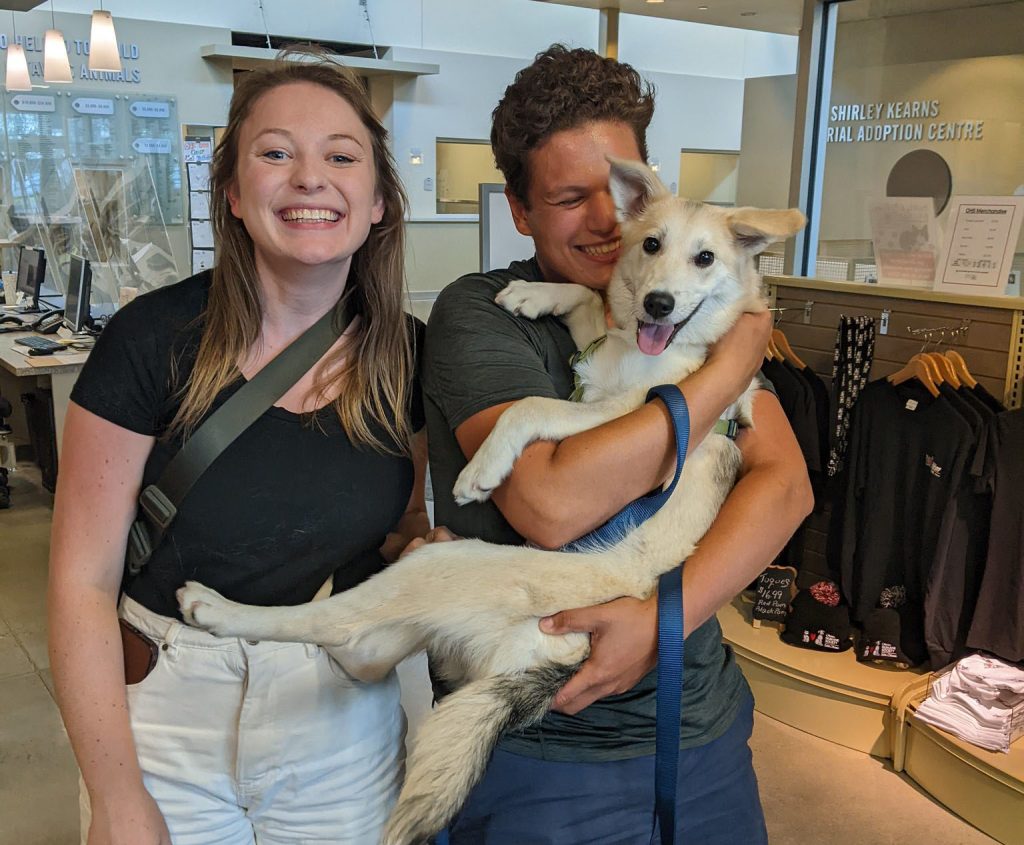
The emotional rewards of volunteering cannot be understated. Witnessing the transformation of a once-timid animal into a loving companion is incredibly fulfilling. For example, a volunteer who spends time training a dog may feel immense joy when that dog is eventually adopted into a loving home. These profound moments make volunteering not just a philanthropic endeavor but a powerful pathway to personal gratification.
As adoption rates soar—approximately 3.2 million shelter animals are adopted each year in the United States—it is clear that the role of volunteers has never been more significant. Through their dedication, volunteers not only enhance the lives of the animals but also contribute to a compassionate society that values the well-being of all pets. Understanding this connection can inspire even more people to get involved and make a difference in their communities.
DISCOVER MORE: Click here to learn effective training techniques
Building Lasting Relationships Between Animals and Their Future Families
One of the most significant impacts of volunteering in animal shelters is the opportunity to build emotional connections between the animals and potential adopters. This relationship-building is crucial not just for the pets, but also for the future families that may welcome them into their lives. Volunteers become a bridge, facilitating interactions that help both parties understand each other’s needs and personalities.
Hands-On Experience with Diverse Animal Personalities
Volunteers encounter a variety of animal temperaments, from energetic puppies to reserved older cats, and each interaction deepens their understanding of what is required for successful pet adoption. This firsthand experience allows volunteers to guide adopters in understanding which pet would best suit their lifestyles. For instance, a family with children might be looking for a playful, medium-sized dog that tolerates lots of activity, while a senior couple may prefer a low-energy companion that requires minimal grooming. By clearly aligning pet traits with the families’ circumstances, volunteers help ensure a harmonious match.
Impact of Socialization on Adoption Rates
Socialization is a core component of a successful adoption process. Volunteers are often tasked with assessing and improving the social skills of shelter pets. Regular engagement, such as playing fetch or walking dogs, enhances comfort levels in varied situations. This increased familiarity is essential; it helps alleviate the anxiety pets may face when transitioning to a new home. Research indicates that well-socialized animals tend to have significantly higher adoption rates, making volunteer work not only beneficial but essential in the shelter environment.
Providing Comprehensive Behavioral Profiles
Volunteers create detailed behavioral profiles for each animal, capturing their quirks, likes, dislikes, and behavioral patterns. Having this type of information available for potential adopters is an invaluable tool. It helps to foster transparency during the adoption process and can relieve a lot of anxiety for new pet owners. For example, when a volunteer can explain that a particular dog is house-trained and has a fondness for toys, it gives adopters the confidence to move forward with the adoption process. These insights can also help vets understand the animal better once they arrive in their new home.
Enriching the Adoption Experience
The collaborative effort between volunteers and shelter staff significantly enriches the overall adoption experience. This team effort fosters an environment where education, guidance, and emotional support flow freely. Adopters are encouraged to ask questions and participate in meet-and-greet sessions, which reinforces the decision-making process. Many shelters even allow volunteers to accompany families on adoption visits, further personalizing the experience.
- Stronger connections: Volunteers help establish initial bonds between pets and potential adopters.
- Increased adoption rates: Socialized animals attract more positive attention from adopters.
- Detailed insights: Behavioral profiles provided by volunteers enhance transparency and confidence for future pet owners.
- Improved overall experience: Volunteers contribute to a richer, more supportive environment for adopters.
Through these efforts, the process of pet adoption transforms from simply matching pets with families to creating meaningful relationships. This human-animal connection nurtured by volunteers within animal shelters is vital, ensuring that each adoption journey has the potential to lead to lifelong companionship, ultimately benefitting both the animals and their new families. As more individuals recognize the significance of this work, the impact on the adoption process continues to grow, promising a brighter future for countless shelter animals.
Volunteering in animal shelters opens up a world of experiences that deeply enrich the journey of pet adoption. When individuals commit their time and effort to help sheltered animals, they not only aid in the welfare of these creatures but also gain invaluable lessons and insights.
One significant advantage of volunteering is the opportunity to actively participate in animal socialization. This process is essential for pets, especially those that may have come from traumatic backgrounds. By interacting with different breeds and personalities, volunteers learn essential communication cues that animals display, enhancing their understanding of pet behavior. Such knowledge can significantly impact the pet adoption process, as it enables potential adopters to make informed decisions based on the temperament and needs of the animals.
Furthermore, volunteers play a crucial role in assessing the suitability of different pets for prospective owners. Their firsthand experience with the animals allows them to provide recommendations and share heartfelt stories about the animals’ unique personalities and quirks. This personal narrative not only humanizes the pets but strengthens the bond that potential adopters might feel toward them, increasing the likelihood of successful adoptions.
Additionally, the collaborative nature of volunteering fosters a sense of community among animal lovers. This network can lead to connections and information sharing, making resources more accessible for those looking to adopt. Educating the public about responsible pet ownership, the implications of adopting, and the importance of regular veterinary care is a crucial part of what volunteers bring to the table. This collective effort enhances the adoptive experience, ensuring that more pets find loving homes.
Engaging in volunteer work also ignites a passion for advocacy and philanthropy regarding animal welfare issues. Volunteers often become lifelong advocates for shelter animals and might participate in fundraising initiatives or educational outreach programs. Their dedication serves to raise awareness about the ongoing need for support within the shelter system, contributing to a larger conversation about pet adoption and animal rights.
In essence, volunteering in shelters enriches the pet adoption process by providing necessary insights, facilitating connections, and promoting a culture of compassion toward animals in need. The positive impact extends beyond individual pets, fostering a community dedicated to improving the lives of all sheltered animals.
| Category | Benefits |
|---|---|
| Animal Socialization | Enhances understanding of pet behavior, aiding informed adoption decisions. |
| Community Engagement | Fosters connections and resource sharing for better adoption experiences. |
| Advocacy | Promotes awareness on animal welfare, enhancing shelter support. |
DISCOVER MORE: Click here to learn about your pet’s health
Enhancing Community Engagement through Volunteer Initiatives
Volunteering is not just beneficial for the animals; it also serves as a springboard for community engagement. When individuals and families participate in volunteer activities at shelters, they foster a sense of community responsibility and awareness. This involvement often encourages others in the neighborhood to consider adoption rather than purchasing pets from breeders or pet stores, enhancing the overall chances of animal rescues finding compatible homes.
Organizing Adoption Events and Fundraisers
Volunteers often lead the way in organizing adoption events and fundraisers that generate community interest and support for the shelter. These events can take many forms—from fun runs to bake sales, and even pet-friendly public gatherings. Each event serves as a networking opportunity, creating a platform for direct interaction between shelter animals and potential adopters. For instance, community festivals that feature a “meet-and-greet” with shelter pets allow families to see the animals up-close and personal. According to the ASPCA, successful community events can boost adoption rates by up to 60%. This underscores the critical role volunteers play in not just care but also advocacy.
Educational Workshops and Informational Sessions
Volunteers often engage in conducting workshops aimed at educating the public about responsible pet ownership, adoption benefits, and the importance of spaying and neutering. These sessions serve to reduce common misconceptions surrounding shelter animals and emphasize the unique benefits of adopting a pet in need. It is essential to counteract stereotypes regarding shelter pets being “broken” or “problematic.” With a well-crafted workshop, volunteers can dispel these myths while also sharing information on the positive attributes of a variety of breeds. For example, studies show that shelter pets are often just as loving and loyal as those from breeders, and they frequently exhibit less behavioral and health-related issues when adopted at a younger age.
Building a Supportive Community for New Pet Owners
The work of volunteers extends beyond the adoption process. They often create support networks for new pet owners to ensure they feel comfortable navigating their pet’s transition to a new home. By offering follow-up visits, check-in calls, and access to a community forum, volunteers can provide invaluable guidance during this critical adjustment phase. Resources may include tips on training, nutrition, and health check-ups. Research by the American Veterinary Medical Association indicates that having a support system significantly increases the likelihood that adopted pets remain in their homes for the long term, reducing the rate of returns to shelters.
- Community Responsibility: Volunteer involvement encourages neighborhoods to prioritize adoption over purchasing pets.
- Increased Adoption Events: Organizing successful activities boosts visibility and connects pets with potential families.
- Educational Outreach: Workshops and informational sessions break down barriers and reshape public perceptions about shelter animals.
- Support Networks: Post-adoption support fosters a sense of belonging, ensuring new pet owners can make informed decisions.
By enhancing community engagement, volunteers not only enrich the pet adoption process but also effect long-term changes in how society interacts with animals in need. Through their tireless efforts, they cultivate a culture of compassion and responsibility that encourages sustainable adoption practices. This holistic approach fosters an environment where pets and people are positioned to thrive together, setting the stage for a flourishing animal welfare community.
DISCOVER MORE: Click here to learn about the importance of a balanced diet for your pet’s health
Conclusion: The Transformative Impact of Volunteering on Pet Adoption
In exploring how volunteering in shelters can enrich the process of pet adoption, it becomes evident that the benefits extend far beyond the immediate help provided to animals in need. Volunteers act as vital links between the shelter and the community, fostering a culture of awareness, empathy, and responsibility towards pet adoption. Their commitment not only enhances the visibility of shelter pets but helps dispel misconceptions that often hinder adoption rates. By organizing engaging adoption events and informative workshops, they create a welcoming atmosphere where potential adopters can interact with animals more intimately.
Moreover, the support networks established by volunteers offer much-needed guidance for new pet owners, addressing common challenges during the transition into pet ownership. This continued support plays a crucial role in ensuring that adopted pets not only find homes but remain cherished family members for years to come. According to a study from the American Society for the Prevention of Cruelty to Animals (ASPCA), shelters that cultivate a robust volunteer program can see up to a 60% increase in adoption success rates.
Ultimately, the ripple effect of volunteering resonates throughout the community, inspiring others to engage and adopt, thereby reinforcing a cycle of compassion and care for all animals. Encouraging community involvement through volunteer efforts not only facilitates individual adoptions but also contributes to a thriving network of responsible pet ownership. In the ever-evolving landscape of animal welfare, the role of volunteers remains indispensable, shaping a brighter future for pets and people alike.