How Animal Adoption Can Impact Communities and Reduce the Population of Stray Animals

Understanding the Importance of Animal Adoption
Every year, an alarming number of animals—approximately 6.5 million in the United States alone—find themselves in shelters, desperately waiting for loving homes. This situation highlights the ongoing need for animal adoption as not merely an option, but a vital action for fostering compassionate communities. By choosing to adopt rather than shop, individuals contribute to a significant cause that changes lives and strengthens neighborhoods.
Reduces the Number of Stray Animals
Adoption directly decreases the population of stray animals, which is a pressing issue in urban and rural areas across the country. Many of these stray animals suffer from neglect, starvation, and exposure to harsh weather conditions. According to the ASPCA, approximately one in four dogs and one in three cats are homeless at some point in their lives. By adopting a pet, families not only provide a loving home to an animal in need but also play a crucial role in mitigating the stray animal crisis. This, in turn, alleviates overcrowding in shelters, allowing resources to be allocated to other urgent cases and improving the overall welfare of animals.
Strengthens Community Bonds
Another compelling benefit of adopting pets is that it fosters connections among residents. Pet owners often find themselves interacting with their neighbors at parks, during community events, or even during walks around the block. These shared experiences lead to increased social interactions and can even forge friendships. For instance, dog owners may participate in organized community walks or training sessions at local parks, creating a sense of unity. Furthermore, local adoption events can draw in community members, sparking conversations about responsible ownership and animal welfare.
Encourages Responsible Pet Ownership
Adoption often comes with education about proper care, spaying/neutering, and responsible ownership. Many shelters offer workshops or resources to new pet owners, emphasizing the importance of vaccinations, routine veterinary visits, and spaying/neutering to prevent future overpopulation. Statistics show that spaying and neutering can reduce the number of animals entering shelters by up to 90%. Thus, when individuals adopt, they also become advocates for responsible pet ownership, setting a positive example for others in their community.
The impact of animal adoption extends far beyond just individual relationships between pets and their owners. It fosters a culture of empathy and social responsibility. In the United States, where the issue of animal homelessness is prevalent, adopting pets is crucial. When communities engage in local shelters—whether through adoption, volunteering, or simply spreading the word—they contribute not only to animal welfare but also to a kind of societal change that embraces compassion and collective action.
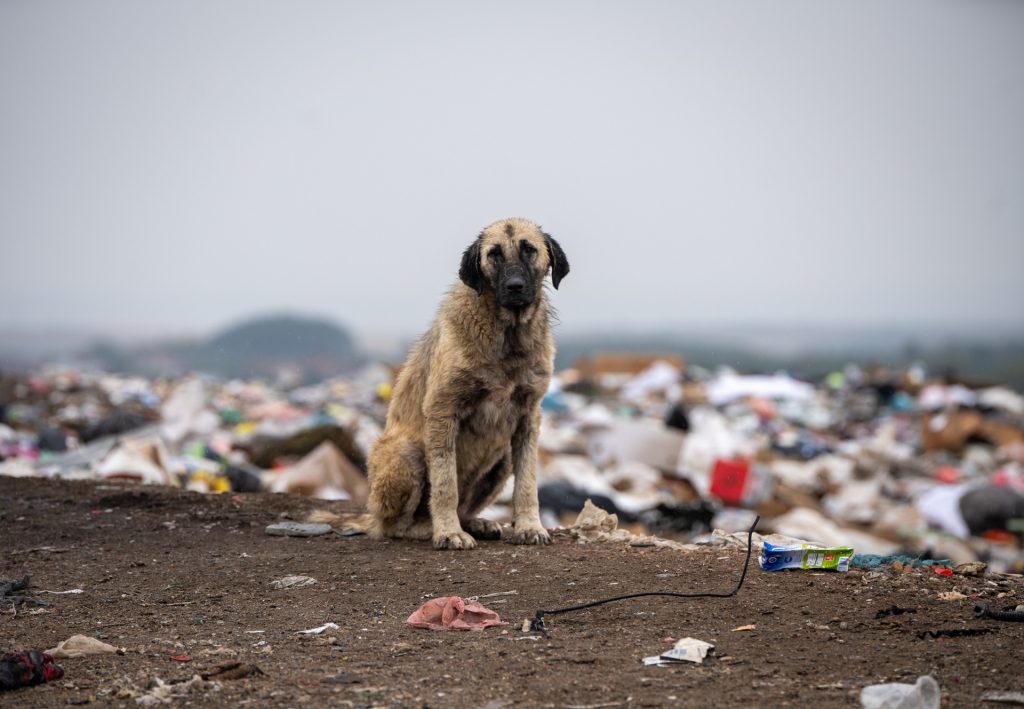
As we explore the transformative effects of animal adoption, it becomes clear that every adoption story weaves into a larger narrative of compassion, responsibility, and community enhancement. Embracing the joy of adoption does not just enrich the lives of animals; it plays a pivotal role in building a more loving and unified society.
DISCOVER MORE: Click here for essential pet food tips
The Ripple Effect of Animal Adoption in Communities
When individuals choose to adopt a pet, the immediate benefit may seem straightforward—providing a loving home to an animal in need. However, the impact of animal adoption extends far beyond the walls of a household. It creates a ripple effect that can transform entire communities and foster a culture of responsibility and compassion. As the adoption movement gains momentum, understanding these broader effects can illuminate the path toward a brighter future for both animals and residents alike.
Improving Public Health and Safety
Animal adoption plays a significant role in enhancing public health and safety. Communities that prioritize the adoption of stray animals can see a marked decrease in rabies and other zoonotic diseases often associated with stray populations. This is primarily because adopted pets are typically spayed or neutered and vaccinated before leaving the shelter. By reducing the number of unaltered and unvaccinated animals on the streets, communities can mitigate potential health risks. Additionally, fewer stray animals mean fewer incidents of bites and altercations, which can lead to both mental and physical strain on community members.
Financial Benefits to Local Governments and Organizations
Animal adoption can yield substantial financial benefits to local authorities and animal welfare organizations. When fewer animals enter shelters due to successful adoption campaigns, costs associated with housing, feeding, and medical care decrease significantly. For instance, a study conducted by the Humane Society of the United States found that it costs taxpayers approximately $1.5 billion a year to control and care for stray animals. By fostering a robust adoption culture, municipalities can redirect those funds toward other pressing issues, such as education, infrastructure, or community development initiatives.
Enhancing Community Programs
The surge in animal adoptions often leads to an increase in community programs and initiatives focused on animal welfare. These can range from low-cost spay/neuter clinics that work in tandem with local shelters to educational workshops on the importance of proper care and responsible ownership. Such programs not only help manage animal populations but also educate residents about the responsibilities of pet ownership. Key initiatives often include:
- Community outreach campaigns targeting public awareness
- Training sessions for pet owners on responsible care
- Volunteer opportunities that engage residents in shelter activities
- Partnerships with local businesses to promote adoption events
As these initiatives gain traction, they foster a sense of ownership and pride among community members. They also encourage long-term relationships between residents and shelters, creating a supportive environment for both animals and people.
In essence, the decision to adopt an animal encapsulates a broader commitment to human and animal coexistence. When communities rally behind the cause of adoption, they become part of a collective effort to not only address the immediate needs of stray animals but also create a healthier, more connected society. The conversation surrounding animal adoption should, therefore, not only revolve around the animals themselves but also encompass the larger implications for communities and the individuals who inhabit them.
| Category | Impact on Communities |
|---|---|
| Community Cohesion | Adopting animals fosters a sense of community engagement as residents come together to support local shelters and promote welfare initiatives. |
| Reduced Stray Populations | Through increased adoption rates, communities can directly combat the overpopulation of strays, reducing the need for euthanasia and improving animal welfare. |
Animal adoption plays a crucial role in transforming local communities and alleviating the burden of stray animals. By adopting pets from local shelters, families not only gain loving companions but also contribute to the public health and safety of their neighborhoods. One of the significant impacts of animal adoption is the enhancement of community cohesion. When individuals participate in adoption events, they often form connections with like-minded animal lovers, encouraging collaboration on various welfare initiatives. This fosters a supportive environment where communities work together towards a common goal—ensuring better lives for stray and abandoned animals. Moreover, as more families embrace pet adoption, they help to reduce the stray population significantly. Each adopted animal represents a lifeline for countless others still struggling on the streets. As adoption rates increase, the number of animals in shelters grows manageable, allowing organizations to focus on care and rehabilitation instead of overcrowding and euthanasia. This mutually beneficial cycle not only enhances the well-being of animals but also uplifts the community spirit, demonstrating that the act of adopting an animal reaches far beyond mere companionship—it instills a sense of purpose and responsibility among citizens. By choosing adoption, communities can ensure a brighter, more humane future for all living beings.
LEARN MORE: Click here to discover the impact of socialization on your dog’s mental health
Fostering Community Bonds Through Animal Adoption
Adopting animals can significantly strengthen the bonds within communities. When residents come together to support local shelters and participate in adoption events, they foster a sense of camaraderie and solidarity. These collaborative efforts not only help address the issue of stray animals but also enhance social interactions and create a network of individuals who are passionate about the well-being of their community’s pets. As people share their adoption stories and experiences, they encourage others to explore the benefits of bringing a furry friend into their lives.
Creating Emotional Connections and Fostering Empathy
Adopting an animal has a profound emotional impact not just on the adopter but also on the community at large. Pets serve as catalysts for empathy and emotional connections. When people witness the transformation of an abandoned or neglected animal into a happy and healthy pet, it sparks feelings of compassion and a desire to take action. This shift in attitude can lead to increased community involvement in various animal welfare initiatives, such as volunteering at local shelters, promoting adoption drives, or even advocating for better policies related to stray animals.
A notable example can be seen in cities like Austin, Texas, which have implemented programs designed to promote animal adoption. Through community engagement initiatives, Austin has successfully driven its live release rate to over 90 percent, meaning that the majority of animals in shelters are adopted or receive assistance. This success illustrates how dedicated community efforts not only help reduce the stray animal population but also enhance emotional connections among residents.
Encouraging Local Economic Development
A thriving culture of animal adoption can also contribute to local economic development. Pet ownership has a ripple effect on local businesses. When families adopt pets, they often seek pet food, veterinary services, grooming, and other related products. These factors create opportunities for local entrepreneurs and boost the economy. A study from the American Pet Products Association found that pet ownership generates nearly $100 billion in revenue annually across the United States.
Additionally, an increase in pet ownership often correlates with increased foot traffic in community spaces such as parks, pet-friendly cafes, and local shops that cater to pet owners. Local governments, in turn, benefit from such activity through increased sales tax revenue, allowing for more investment in community infrastructure and amenities.
Addressing the Challenge of Pet Overpopulation
Another crucial aspect of animal adoption lies in its potential to tackle the pressing issue of pet overpopulation. Every year, millions of animals enter shelters, and many do not find homes due to a lack of awareness or resources. By encouraging adoption, communities can significantly reduce the number of animals euthanized due to overcapacity. According to the ASPCA, approximately 3.3 million dogs and 3.2 million cats enter U.S. shelters every year. The solution lies in changing societal perceptions about adoption and providing educational resources to ensure potential pet owners understand the implications of pet ownership.
This emphasis on spaying and neutering as part of the adoption process is critical for maintaining sustainable pet populations. Many shelters now offer affordable spay and neuter services to ensure that new pet owners can prevent unwanted litters. Community support for such initiatives can go a long way in creating a balance in pet populations and reducing the number of strays on the streets.
In summary, the multifaceted impact of animal adoption on communities is profound. It nurtures social bonds, boosts local economies, and addresses the critical issues surrounding stray animal populations—all while encouraging compassion and responsibility among residents.
DISCOVER MORE: Click here to learn how to keep your pets healthy
Conclusion: The Ripple Effect of Animal Adoption in Communities
In conclusion, animal adoption is a powerful tool for instigating positive changes within communities while simultaneously addressing the challenge of stray animal populations. By encouraging residents to open their hearts and homes to pets in need, communities can forge enduring social connections, bolster local economies, and elevate levels of empathy and responsibility among their members. When individuals come together for adoption events or support shelters, they not only provide safe havens for animals but also cultivate a cohesive community spirit.
Additionally, the emotional ties formed through these adoptions have far-reaching implications, transforming how residents perceive animal welfare and encouraging involvement in initiatives aimed at improving the lives of strays. The success stories emerging from cities like Austin serve as a testament to the potential of community-driven solutions, where a proactive approach has resulted in significantly lower euthanasia rates and thriving, supportive networks of pet owners.
Moreover, as pet ownership reinforces local economies by driving demand for various services and products, community resilience is bolstered. It is essential for outreach programs and education efforts to continue promoting the importance of adoption and responsible pet ownership alongside spaying and neutering initiatives. Communities across the United States stand on the brink of a transformative opportunity—by embracing the power of animal adoption, they can make significant strides in not just reducing stray populations but also nurturing a culture of compassion and community engagement that benefits all residents. As we look to the future, the message is clear: adopting pets saves lives and strengthens our communities, creating a brighter, more inclusive environment for every species involved.