The Role of Nutrition in the Prevention of Common Diseases in Pets
Understanding the Link Between Nutrition and Pet Health
Pet owners are increasingly aware of the central role that nutrition plays in their furry friends’ overall health. Pets, much like humans, require a balanced diet to thrive and reduce the risk of various health issues. A poor diet can lead to a range of common diseases, significantly impacting quality of life and longevity. By exploring this important topic, pet owners can empower themselves to make informed decisions about their pets’ diets, ensuring they live healthier, happier lives.
When considering the implications of nutrition on pet health, it’s crucial to understand some of the most prevalent issues that stem from inadequate feeding practices. Here are some key points to take into account:
- Obesity: This is a leading cause of diabetes, joint issues, and even heart disease in pets. According to the Association for Pet Obesity Prevention, over half of dogs and cats in the United States are classified as overweight or obese. This alarming statistic highlights the need for better dietary management. Regular exercise combined with controlled portion sizes can help maintain a healthy weight.
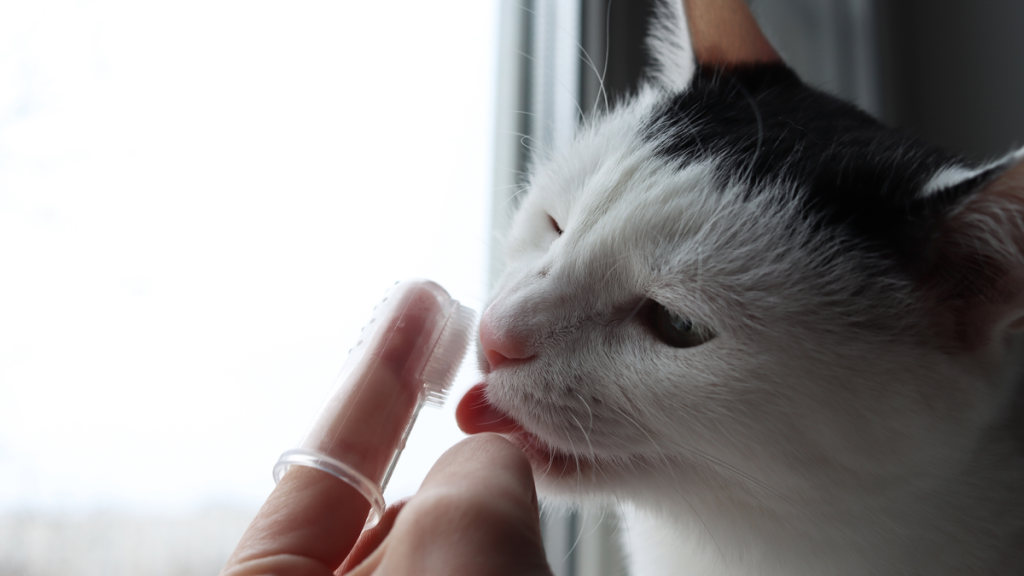
- Dental Disease: Many pet owners may not realize that oral health is deeply connected to diet. Poor nutrition can lead to plaque buildup and periodontal disease, which affects not only the mouth but overall health as well. Regular dental check-ups and appropriate chew treats can mitigate these risks.
- Skin Issues: Skin conditions in pets can often result from food allergies, which may go undiagnosed for long periods. Ingredients like grains and certain proteins can trigger reactions, causing discomfort and potential infections. Identifying hypoallergenic diets or consulting a veterinarian can provide relief for affected animals.
- Digestive Problems: Pets with sensitive stomachs often suffer from issues such as diarrhea or vomiting, which can stem from unbalanced diets or low-quality food. Providing high-quality, nutritionally balanced meals that meet their specific needs can greatly enhance digestive health.
By prioritizing nutritional balance, pet owners can help prevent these ailments and actively contribute to their pets’ longevity and happiness. Research consistently indicates that certain diets can lower the risk of specific conditions, allowing pets to live healthier lives. For instance, diets rich in omega-3 fatty acids may support both skin health and cognitive function.
Furthermore, consulting with veterinarians about specific dietary needs based on age, breed, and health status is essential. A growing number of professionals are advocating for personalized dietary approaches that consider a pet’s unique circumstances. For example, senior pets may require diets lower in protein yet rich in fiber, while puppies may need higher levels of certain nutrients to support their rapid growth.
As we delve deeper into the nuances of pet nutrition, we uncover how a tailored approach can lead to improved well-being and disease prevention. Resources such as pet nutritionists and specialized veterinary diets can further guide owners on the best practices for fulfilling their pets’ dietary needs. Taking the time to research and implement the right nutrition can not only protect against disease but also enhance the bond between pets and their owners, making every moment together more enjoyable.
DIVE DEEPER: Click here to learn about the emotional challenges of pet adoption
The Importance of Balanced Diets in Disease Prevention
Nutrition is often overlooked as a cornerstone of pet health, yet it plays a pivotal role in preventing common diseases. A balanced diet provides pets with the essential nutrients they need to support their bodily functions, boost their immune system, and maintain an optimal weight. The correlation between diet and health outcomes is backed by an increasing number of studies, making it imperative for pet owners to prioritize what’s in their pets’ bowls.
One of the most critical aspects of pet nutrition involves the understanding of macronutrients and micronutrients. These components are vital for overall well-being and can significantly affect disease susceptibility. The following nutrients should be considered:
- Proteins: Essential for growth, muscle development, and maintaining a healthy immune system. High-quality protein sources can enhance muscle tone and longevity, reducing the risk of conditions like obesity and diabetes.
- Fats: Not all fats are created equal. Omega-3 and omega-6 fatty acids can offer anti-inflammatory benefits, which are crucial for managing skin health and reducing the occurrence of allergies.
- Carbohydrates: While often considered less important, carbohydrates can provide energy and aid in digestive health. However, the source of these carbohydrates is key. Whole grains and vegetables are preferred over low-quality fillers.
- Vitamins and Minerals: These micronutrients are vital for metabolic functions and ensuring that pets can fight off infections. A deficiency in key vitamins can lead to several health issues, including skin problems and a weakened immune response.
In addition to understanding the fundamental nutrients that comprise a healthy diet, recognizing the implications of overfeeding is equally important. Many pet owners are unaware that calorie control is essential in preventing obesity, which is linked to a myriad of health issues in pets. Choosing appropriate serving sizes based on a pet’s age, weight, and activity level can drastically alter their health trajectory.
Moreover, the rise of premium and specialized pet foods tailored to specific life stages or health conditions has transformed pet nutrition. For instance, pets suffering from kidney disease may benefit from lower protein diets, whereas active breeds may require higher energy. Understanding these nuances is crucial in crafting a dietary strategy that does not only meet a pet’s everyday needs but also considers preventive care.
Furthermore, the push towards fresh, whole foods, including raw diets and organic options, has sparked debate among pet owners. While these diets have their advocates and can offer benefits, it’s vital to approach them with caution and guidance from a veterinarian. Ensuring that all dietary choices are backed by sound veterinary advice can prevent nutritional imbalances and associated health risks.
As pet owners become more aware of the significance of nutrition in pet health, they can take actionable steps towards enhancing their pets’ diets. By focusing on balanced nutrition and understanding the potential risks and rewards, they can lay the groundwork for a healthier, happier life for their furry companions.
The Role of Nutrition in the Prevention of Common Diseases in Pets
When we consider the health and well-being of our beloved pets, nutrition can often be the key factor in preventing a multitude of diseases. Numerous studies indicate that a balanced diet rich in essential nutrients directly correlates with improved health outcomes. Proper nutrition is not only vital for maintaining a healthy weight but also plays a pivotal role in boosting the immune system, which ultimately protects against various illnesses, such as obesity, diabetes, and heart disease.
Making informed dietary choices helps to safeguard pets from the diseases that arise from poor nutrition. For example, foods high in antioxidants, omega-3 fatty acids, and proteins can promote better heart health and enhance cognitive function in pets, particularly in senior animals. Additionally, a diet rich in fiber can prevent gastrointestinal disorders, while specific vitamins and minerals contribute to overall vitality and longevity.
Moreover, owners can address common pet diseases such as skin conditions, urinary tract infections, and liver dysfunction by adjusting their pets’ diets to include ingredients that foster optimal health. With an increasing awareness of the impact of nutrition on pet health, pet owners are encouraged to seek out vet-approved dietary plans tailored to their animal’s unique needs.
| Disease Prevention | Nutritional Benefits |
|---|---|
| Obesity | Balanced calories prevent excessive weight gain. |
| Diabetes | Fiber-rich diets stabilize blood sugar levels. |
| Skin Conditions | Omega-3 fatty acids enhance skin health. |
| Heart Disease | Nutrients like taurine promote cardiovascular health. |
By recognizing the critical importance of nutrition and investing in quality pet food, owners can take proactive steps to enhance their pet’s health and prevent common diseases. Understanding your pet’s specific dietary requirements is essential, as is regularly consulting with a veterinarian to adjust their diet based on age, weight, and health conditions. In this age of information, the benefits of proper nutrition for pets are clearer than ever, urging pet parents to take a more active role in their furry friends’ dietary choices.
DIVE DEEPER: Click here to learn essential tips for your cat’s health
Understanding Special Dietary Needs and Allergies
The journey towards optimal pet health through nutrition also requires an understanding of special dietary needs. Just as humans may develop food sensitivities or require specific dietary modifications, pets too can have unique nutritional requirements that can play a crucial role in preventing diseases. Conditions such as food allergies and intolerances become increasingly prevalent in pets, with symptoms ranging from digestive issues to chronic skin problems.
Identifying food allergies can be a complex process and often involves an elimination diet. This approach allows pet owners to observe their pets’ reactions to specific proteins and ingredients, helping to pinpoint any foods that may be contributing to adverse health effects. Common allergens include beef, chicken, dairy, and grains, which might provoke reactions in sensitive pets. In cases where food allergies are diagnosed, switching to a hypoallergenic diet or a limited ingredient diet can be beneficial.
Importance of Quality Ingredients
The quality of ingredients used in pet food is equally important in disease prevention. Commercial pet food can vary dramatically in ingredient quality and nutritional content. While some brands offer well-balanced formulas based on animal nutrition science, others may contain fillers such as corn or soy, which do not offer substantial nutritional value. Pet owners are increasingly turning to nutritional labels to ensure they are selecting foods with high-quality ingredients, such as identifiable meat sources, vegetables, and natural preservatives. The right balance can be a game-changer in the overall health of pets, potentially preventing conditions such as obesity, diabetes, and gastrointestinal disturbances.
Functional Foods and Supplements
Beyond standard diets, functional foods and dietary supplements are gaining traction in the realm of pet nutrition. Ingredients like probiotics, prebiotics, and omega-3 fatty acids have shown promise in promoting gut health, enhancing the immune response, and managing chronic conditions such as arthritis. For instance, probiotics can help maintain a healthy balance of gut bacteria, thereby reducing the risk of gastrointestinal diseases. As the research continues to evolve, many veterinarians advocate for dietary strategies that incorporate these functional components for an added layer of disease prevention.
The Role of Routine Veterinary Consultation
Ultimately, the best approach to tailoring nutrition for disease prevention is through collaboration with a veterinarian. Regular consultations allow pet owners to develop personalized dietary plans that consider the individual pet’s needs and any prevailing health concerns. This partnership can lead to proactive management of potential health issues before they escalate into serious conditions. Moreover, veterinarians can offer insights into emerging research regarding pet nutrition and how it relates to disease prevention, keeping pet owners informed and equipped to make educated decisions.
In summary, navigating the world of pet nutrition involves understanding special dietary needs, emphasizing ingredient quality, recognizing the benefits of supplements, and fostering communication with veterinary professionals. By taking these steps, pet owners can play a pivotal role in fortifying their pets’ health against common diseases, paving the way for a longer and healthier life journey together.
DON’T MISS: Click here for essential tips on preventive cat care
Conclusion: A Holistic Approach to Pet Nutrition
In conclusion, the role of nutrition in the prevention of common diseases in pets is fundamental to ensuring their long-term health and well-being. By understanding the unique dietary needs of pets, pet owners can implement tailored nutrition strategies that not only address specific allergies and sensitivities but also enhance overall wellness. The emphasis on quality ingredients in pet food plays a critical role in avoiding potential health risks linked to inferior or misleading products. Furthermore, incorporating functional foods and supplements can significantly contribute to improving health outcomes for pets, offering additional support for conditions such as obesity, joint pain, and digestive disorders.
As the field of veterinary nutrition continues to evolve, ongoing collaboration with professional veterinarians remains essential. Regular discussions can provide pet owners with the latest insights into nutrition science, enabling them to make informed choices that benefit their furry companions. This partnership fosters a proactive approach to health management, allowing for early intervention against diet-related illnesses.
Ultimately, a strategic focus on nutrition, combined with keen observation of a pet’s dietary response and regular veterinary guidance, empowers pet owners to make informed decisions that protect their pets from common diseases. By prioritizing nutrition, we not only enhance the quality of life for our beloved pets but also strengthen the bond we share with them for years to come.