The Influence of Neuroplasticity on Self-Directed Skill Development
The Dynamic Nature of the Human Brain
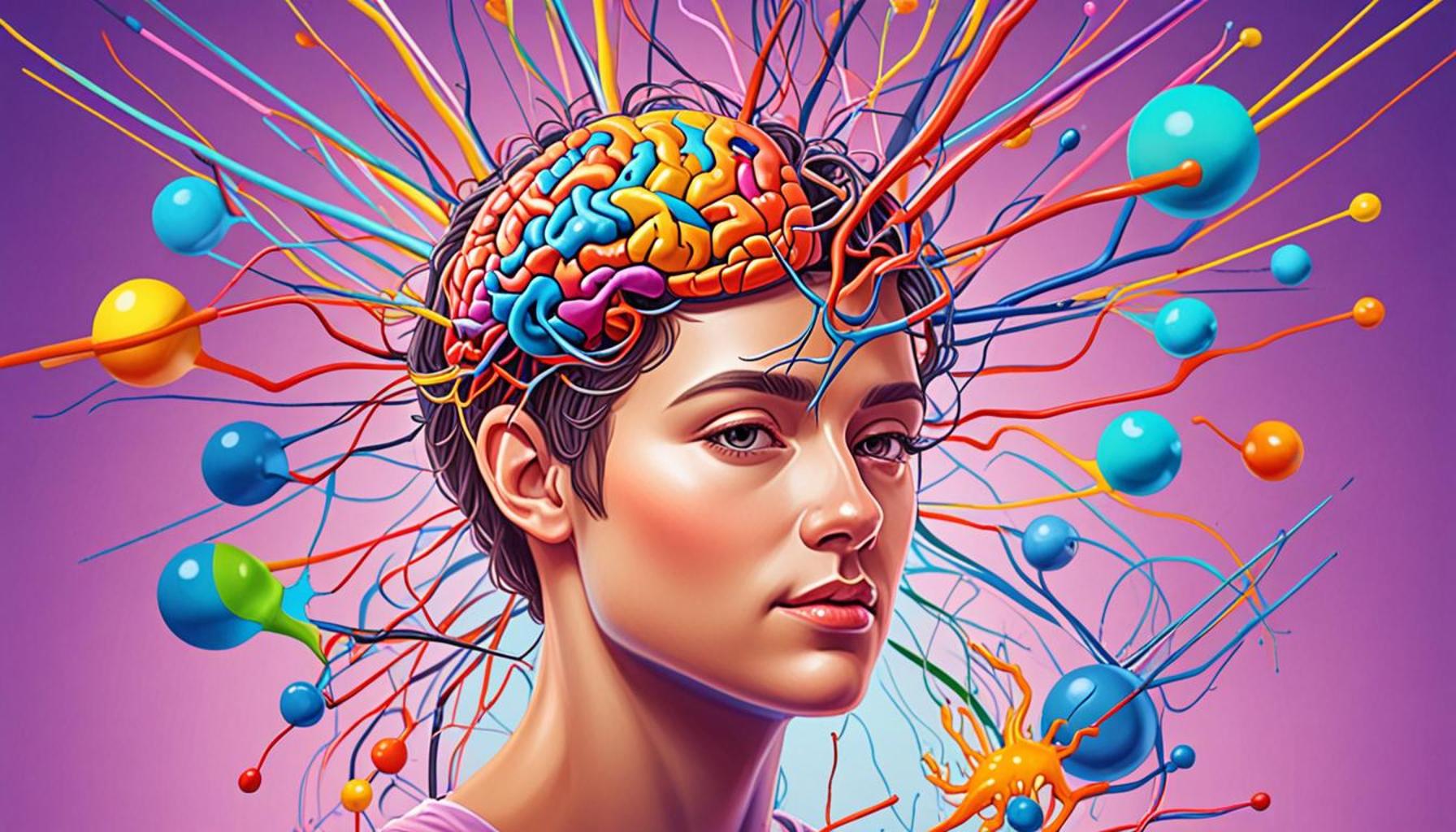
The human brain operates like a supercomputer, constantly evolving and adapting. At the heart of this remarkable capability lies neuroplasticity—the brain’s extraordinary ability to reorganize itself by forming new neural connections throughout our lives. This ability is not merely academic; it plays an integral role in how we assimilate new knowledge, adapt to experiences, and hone skills. Understanding neuroplasticity can unlock powerful potential, leading to lifelong learning and personal growth.
What is Neuroplasticity?
Neuroplasticity manifests in two primary forms, each with its distinct implications:
- Functional Plasticity: This refers to the brain’s remarkable capacity to compensate for injury by reallocating functions from damaged to healthy areas. For example, if a person suffers a stroke that affects their speech, other parts of the brain may gradually take over the responsibilities for language processing, allowing recovery of communication abilities.
- Structural Plasticity: This type involves the physical remodeling of the brain in response to learning experiences or environmental changes. Neuroimaging studies have shown that skilled musicians, for instance, tend to have larger areas of the brain associated with motor control and auditory processing compared to non-musicians, highlighting how practice can physically reshape brain architecture.
The Fascinating Implications of Neuroplasticity
Understanding these concepts opens a fascinating door to self-directed skill development. Imagine harnessing this potential to:
- Learn a new language, like Spanish or Mandarin, through immersion or structured courses, tapping into the brain’s capacity to absorb complex grammar rules and vocabulary.
- Master a musical instrument, such as the guitar or piano, where consistent practice leads to the brain developing new neural pathways associated with coordination and auditory recognition.
- Enhance problem-solving skills through puzzles or strategic games such as chess, in which repeated engagement can lead to improved cognitive flexibility and creativity.
The Impact on Lifelong Learning
In the United States, the culture of continuous learning has gained traction, creating an environment ripe for exploring neuroplasticity. Numerous online platforms, local classes, and community programs encourage individuals to pick up new hobbies and pursue personal development goals. By leveraging their brain’s latent ability to adapt and evolve, people across various age groups can embark on enriching journeys of skill acquisition. The realms of education, rehabilitation, and even corporate training increasingly embrace the principles of neuroplasticity, fostering environments that stimulate mental growth and capability.
This fascinating interplay between neuroplasticity and personal growth warrants a closer look. A commitment to lifelong learning not only enhances one’s personal and professional life but also reveals the astonishing versatility of our brains. The ultimate takeaway? Whether you’re a student, a career professional, or simply an individual with a passion for knowledge, tapping into the transformative power of your brain can lead to unprecedented levels of achievement and fulfillment.

DIVE DEEPER: Click here to discover the importance of self-discipline
Unlocking Potential through Neuroplasticity
Neuroplasticity is not just a scientific phenomenon; it is a fundamentally transformative tool available to anyone willing to engage with it. As individuals delve into self-directed skill development, the insights offered by neuroplasticity can significantly enhance the learning process. It becomes essential to recognize how the brain’s adaptability can be strategically leveraged to fulfill personal or professional ambitions.
The Mechanisms Behind Skill Acquisition
To effectively harness neuroplasticity, one first needs to understand the underlying mechanisms that facilitate skill acquisition. This process primarily revolves around the concepts of repetition, engagement, and feedback. Each of these elements plays a crucial role in establishing the lasting changes within the brain.
- Repetition: The more frequently a task is practiced, the more likely it is to create strong neural pathways. For instance, learning to paint requires dedicated practice where strokes become second nature over time, solidifying the brain’s motor functions associated with that skill.
- Engagement: Active involvement in the learning process, whether through immersive experiences or social interaction, enhances the brain’s capacity to adapt. Engaging in a heated debate or passionate lecture stimulates cognitive functions, leading to greater retention and understanding of complex topics.
- Feedback: Constructive feedback helps refine skills and correct mistakes, allowing the brain to recalibrate responses and improve future performance. This cycle of trial, feedback, and adjustment effectively reinforces learning.
Real-World Applications of Neuroplasticity
Examples of neuroplasticity in self-directed skill development abound, offering practical applications for individuals looking to expand their capabilities. Consider the rise of online learning platforms, which exemplify how technology harnesses neuroplastic principles. They provide flexible, self-paced learning environments that enable users to tackle everything from coding languages to culinary skills at their convenience. This adaptability makes it easier to integrate learning into busy lifestyles, reinforcing the idea that skill development doesn’t have to happen within traditional classroom walls.
Moreover, neuroplasticity has been shown to enhance abilities in diverse fields. In sports, athletes engage in focused training regimens that rely on neuroplastic principles. Repeated drills fortify muscle memory and coordination—a pivotal factor in achieving peak performance. Similarly, in the realm of business, professionals who regularly upskill through workshops or online courses often report increased efficacy in their daily tasks, which can lead to career advancement.
Ultimately, the implications of neuroplasticity extend far beyond mere skill acquisition. By understanding and applying these principles, individuals can foster a mindset ripe for continuous growth and adaptability in a rapidly changing world. Embracing neuroplasticity may not just lead to the mastery of skills; it cultivates resilience and empowers individuals to navigate the complexities of life with greater ease. With an awareness of how our brains evolve in response to learning, a more enriching journey of personal development awaits.
| Advantage | Description |
|---|---|
| Enhanced Learning | Neuroplasticity allows for the formation of new neural pathways, which significantly improves the ability to learn and adapt. |
| Skill Mastery | Through practice and focused effort, individuals can harness neuroplastic changes to master new skills more efficiently. |
| Increased Resilience | Self-directed skill development fosters greater mental resilience by continuously challenging the brain and adapting to new environments. |
| Customized Learning Paths | Neuroplasticity supports individualized learning strategies that cater to unique preferences and strengths, enhancing engagement. |
In exploring the advantages outlined in the table, neuroplasticity empowers individuals in myriad ways. By embracing the concept of self-directed skill development, learners can actively reshape their cognitive abilities, paving the way for a profound transformation in personal and professional capacities. Each skill acquired or honed through focused practice not only leads to immediate proficiency but also elevates overall brain function, establishing a solid foundation for future learning endeavors. As we recognize the powerful impact of neuroplasticity on youth and adults alike, the implications stretch beyond merely acquiring new talents; they encourage a lifelong commitment to learning and adaptation in an ever-evolving world. With the perpetual ability to modify and enhance brain function, anyone can engage in their own development, resulting in both cognitive agility and emotional resilience.
DIVE DEEPER: Click here to enhance your learning approach
Embracing Challenges: The Role of Mindset and Environment
The journey of self-directed skill development is often accompanied by challenges and obstacles that can either hinder progress or foster resilience. Here, the influence of mindset becomes pivotal. Research shows that individuals who adopt a growth mindset, a term popularized by psychologist Carol Dweck, are more likely to embrace difficulties as opportunities for learning rather than viewing them as threats. This perspective aligns perfectly with the principles of neuroplasticity, as believing in the brain’s capacity to grow effectively encourages the very adaptations necessary for mastering new skills.
The Power of a Growth Mindset
A growth mindset nurtures a belief in one’s ability to improve through effort and persistence. This mindset galvanizes individuals to approach self-directed learning with enthusiasm and openness. For example, when faced with setbacks, rather than feeling discouraged, a person with a growth mindset will recognize it as part of the learning process. Studies have indicated that this approach results in developing stronger neural connections over time, as the brain reorganizes itself in response to overcoming challenges.
This concept is particularly relevant in the realm of technology, where self-directed learning has become incredibly prevalent. Online coding boot camps, for instance, encourage learners to tackle complex software development tasks. The iterative nature of programming, which requires troubleshooting and debugging, mirrors the principles of neuroplasticity. Each problem a coder faces leads to the strengthening of neural pathways related to critical thinking and problem-solving skills.
The Environmental Influence on Skill Development
Additionally, the learning environment plays a critical role in impacting neuroplasticity and skill acquisition. Environments that stimulate creativity and learning can significantly enhance brain adaptability. When individuals immerse themselves in supportive learning communities—whether through collaborative projects, local workshops, or online discussion forums—they not only gain diverse perspectives but also foster a network that encourages risk-taking and innovation.
For example, music communities often exemplify this supportive environment. Aspiring musicians who engage in jam sessions or group lessons are not only motivated by the presence of peers but also benefit from shared experiences that enrich their understanding of musical concepts. This collaborative approach fosters the development of essential skills while simultaneously enhancing social bonds, demonstrating that neuroplasticity thrives in interactive settings.
Harnessing Technology for Self-Directed Learning
With the advent of technology, tools that aid in self-directed skill development have proliferated. Mobile applications that focus on mindfulness and meditation leverage neuroplasticity principals to enhance cognitive function and emotional resilience. Practices like meditation have been shown to cause structural changes in the brain, reducing stress and promoting a state conducive to learning. By utilizing these neuroenhancing technologies, individuals can cultivate an environment that promotes sustained engagement and development.
Moreover, gamification in learning contexts serves as a modern manifestation of the principles of neuroplasticity. Interactive games designed for skill acquisition adapt to the user’s skill level, offering progressively challenging tasks that are coupled with real-time feedback. This creates an engaging learning experience that keeps users motivated and promotes continuous brain adaptation. By tapping into the brain’s plastic nature, gamification not only makes learning enjoyable but also facilitates the establishment of neural pathways essential for mastering new skills.
DIVE DEEPER: Click here to discover more
Conclusion: Unlocking Potential Through Neuroplasticity
The exploration of neuroplasticity reveals fascinating insights into how individuals can shape their own skills through intentional effort and perseverance. As we have discussed, the interplay of a growth mindset and a supportive environment critically influences this process. When learners view challenges as opportunities rather than roadblocks, they not only enhance their resilience but also actively trigger the brain’s potential for change. This mindset leads to strengthened neural connections, ultimately aiding in the acquisition of new skills.
The role of technology in self-directed learning cannot be understated. From online platforms that offer interactive learning modules to mobile applications designed for mindfulness and cognitive enhancement, these tools offer numerous avenues for skill development. Gamification strategies, in particular, demonstrate how engaging and adaptive learning experiences can promote sustained brain adaptation, making the journey of acquiring new skills both enjoyable and effective.
As we navigate a world increasingly defined by rapid changes and demands for continuous learning, embracing the principles of neuroplasticity offers a unique perspective on personal development. Individuals are empowered to unlock their full potential by recognizing that the brain is not a static entity but rather a dynamic organ capable of growth and adaptation. By fostering a growth mindset, creating stimulating environments, and leveraging technological advancements, anyone can embark on a fulfilling journey of self-directed skill development. The question remains: how will you harness neuroplasticity to transform your learning experience?