Menu

Adoption Behavior: The Impact of the Environment on the Socialization of Cats

This article explores how environmental factors significantly influence cat adoption behavior and socialization. By emphasizing early experiences, shelter conditions, and community engagement, it highlights the importance of creating a supportive environment to enhance the social skills of adopted cats, fostering better human-animal relationships.

Special Care for Senior Pets: What Needs to be Changed in the Routine

As pets age, their care routines must adapt to meet their evolving physical and emotional needs. Key adjustments include tailored diets, modified exercise, regular veterinary check-ups, and supportive environments. Prioritizing mental engagement and comfort enhances the quality of life for senior pets, ensuring they thrive in their golden years.

Understanding Separation Anxiety in Dogs: Signs and Solutions

This article explores the signs and solutions for separation anxiety in dogs, emphasizing the emotional struggles that lead to distressing behaviors like barking and destructive actions. It provides practical strategies, including behavioral training and environmental modifications, to help owners support their pets and foster a peaceful home.

Behavioral Changes in Pets: How Stress and Anxiety Affect Your Pet

Pets, like humans, face emotional challenges such as stress and anxiety, leading to noticeable behavioral changes. Understanding these signs, including excessive barking or withdrawal, is vital for pet owners. By recognizing triggers and implementing effective strategies, such as creating a calming environment and maintaining routines, owners can enhance their pets' emotional well-being.


The Importance of Balanced Nutrition for Pets’ Health

Balanced nutrition is vital for pets' health, significantly influencing their physical and mental well-being. A proper diet promotes energy levels, weight management, and enhances coat condition. Understanding nutrient needs and recognizing dietary deficiencies fosters longevity, ensuring pets lead happy, vibrant lives. Investing in nutritious food enhances overall pet quality of life.

The Impact of Routine on Pet Behavior: Establishing Healthy Habits

Establishing a consistent routine is crucial for enhancing pet behavior and promoting their overall well-being. Regular schedules for feeding, exercise, and mental engagement reduce anxiety, improve training, and foster stronger bonds between pets and owners, leading to healthier habits and a more harmonious home environment.

The Influence of Daily Routine on Pet Behavior: Establishing Healthy Habits

A consistent daily routine is essential for pet behavior, promoting stability, reducing anxiety, and fostering healthy habits. By incorporating structured feeding, exercise, and playtime, pet owners can enhance their companions' mental well-being while strengthening their bond. Understanding and adjusting routines to accommodate individual needs leads to happier, healthier pets.

How to Choose the Ideal Toy to Stimulate Your Pet’s Development

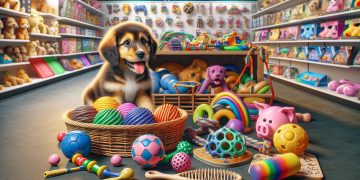
Selecting the right toy is crucial for your pet's development, ensuring mental and physical stimulation while enhancing their well-being. Prioritize safety, durability, and suitability to their playstyle and age. By understanding their preferences, you can enrich their playtime, fostering positive behaviors and strengthening your bond.

How Socialization Affects Dog Behavior: Tips for Owners

Socialization significantly influences dog behavior, shaping their personality and confidence. Effective socialization leads to reduced anxiety, improved obedience, and better public behavior. Pet owners should prioritize early and ongoing exposure to new experiences and environments, tailoring approaches to their dog's needs for a happy, well-adjusted companion.

Hunting Behavior in Cats: Understanding Natural Instinct and Its Implications in Domestic Life

Cats exhibit natural hunting behavior that significantly impacts their domestic lives. Understanding these instincts is crucial for cat owners, as providing enrichment through play and environmental stimulation fosters mental health, prevents behavioral issues, and strengthens the bond between pets and their caregivers, ensuring a fulfilling and harmonious coexistence.