Menu

How to Identify and Deal with Food Allergies in Pets

Food allergies in pets can lead to skin irritations, digestive issues, and behavioral changes. Identifying these allergies involves careful observation and can be diagnosed through elimination diets or veterinary tests. Proactive management and dietary adjustments are key to ensuring your pet's health and happiness.

The Importance of a Balanced Diet for Pet Health

A balanced diet is crucial for pet health, ensuring pets receive essential nutrients for vitality and well-being. Proper nutrition helps prevent obesity, allergies, and digestive issues, fostering happiness and longevity. Tailored diets for different life stages and health conditions enhance overall wellness, making informed dietary choices vital for pet owners.

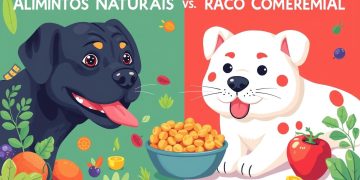
Natural Foods vs. Commercial Food: What Is Better for Your Pet?

This article explores the debate between natural foods and commercial food for pets, highlighting their unique benefits and drawbacks. It emphasizes the importance of tailoring dietary choices to individual pet needs, while also considering nutrition quality, convenience, and potential health risks to ensure a healthy and happy life for pets.

How to Adapt Your Pet’s Nutrition at Different Life Stages

Understanding and adapting your pet's nutrition at different life stages is vital for their health and longevity. Tailoring diets for puppies, adults, and seniors ensures optimal growth, weight management, and joint support. Regular vet check-ups can help refine dietary needs, enhancing your pet's quality of life through every stage.

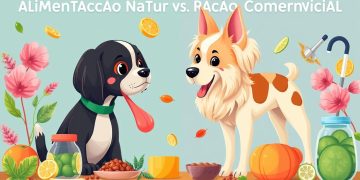
Natural Food vs. Commercial Pet Food: What is Better for Your Pet?

The debate between natural food and commercial pet food highlights the importance of ingredient quality, nutritional value, and transparency. Pet owners increasingly seek diets that enhance health and cater to individual needs, emphasizing that informed choices can lead to happier, healthier pets. Balancing quality and convenience is key.

Toxic Foods for Pets: What to Avoid in Your Animal’s Diet

Pet owners must be aware of toxic foods that can harm their furry companions. Common hazards include chocolate, grapes, onions, alcohol, and hidden dangers like rhubarb and apple seeds. Understanding these risks is vital for preventing poisoning and ensuring pets lead healthy, happy lives. Educational resources can further promote safety.

Homemade Food for Pets: Benefits and Risks in Diet Preparation

Homemade food for pets offers numerous benefits, including enhanced nutrition and ingredient control, but it also presents risks like nutritional imbalances and ingredient toxicity. Pet owners should carefully balance these factors, seek professional guidance, and embrace best practices for safe and beneficial diet preparation tailored to their pets' needs.

The Influence of Nutrition on Animal Behavior: How Diet Can Affect Your Pet’s Personality

Nutrition significantly influences animal behavior, affecting pets' energy levels, mood, and personality. A balanced diet, rich in essential nutrients, can enhance well-being, reduce anxiety, prevent aggression, and promote positive interactions. Informed dietary choices foster healthier, happier pets and deepen the bond between them and their owners.

The Importance of Essential Nutrients in the Diet of Dogs and Cats

Essential nutrients are vital for the health and well-being of dogs and cats. A balanced diet, including proteins, fats, vitamins, and minerals, supports growth, immune function, and overall vitality. Understanding these nutritional needs helps prevent health issues, ensuring a long, happy life for our pets. Regular veterinary guidance enhances dietary choices.

Pet Nutrition and Oral Health: How Diet Can Prevent Dental Problems in Dogs and Cats

Understanding the link between pet nutrition and oral health is essential for preventing dental problems in dogs and cats. A balanced diet rich in key nutrients can enhance dental hygiene, reduce the risk of periodontal disease, and promote overall well-being. Regular check-ups and appropriate food choices significantly contribute to your pet's oral health.