Creating a Personal Learning Plan: Strategies for Efficient Resource Management in Independent Learning
Understanding the Role of Independent Learning
In today’s rapidly evolving landscape, the ability to learn independently has emerged as a transformative skill crucial for both personal and professional growth. Individuals are often required to adapt quickly to new technologies or methodologies, underscoring the importance of cultivating a structured approach to self-education. By investing time in creating a comprehensive personal learning plan, learners can navigate this complexity more efficiently and maximize their potential.
An effective personal learning plan serves as a roadmap that guides learners towards their desired objectives. At the core of this plan are clear learning objectives. These objectives allow learners to articulate what they hope to achieve, be it mastering a programming language, acquiring insights into digital marketing, or exploring a passion for photography. Setting such targets not only provides direction but enables progress tracking.
Maximizing Time and Resources
Time management is another pivotal aspect of independent learning. By prioritizing tasks and allocating time effectively, learners can reduce procrastination and focus their efforts on skill acquisition. For example, setting aside dedicated study blocks during less busy periods of the day can lead to significant improvements in learning outcomes.
Resource optimization is equally important in this process. In the United States, there is an abundance of resources available for learners, ranging from online platforms like Coursera and Udemy to libraries filled with valuable books. Diversifying learning sources enhances knowledge retention and exposes learners to varying perspectives. Additionally, personal mentorship—whether through formal programs or informal connections—can provide tailored guidance and invaluable real-world insights.
Staying Motivated and Reflecting on Progress
A crucial component of a successful learning journey is maintaining motivation. This can be bolstered by regularly reviewing progress against the set objectives. Regular self-assessments can help identify areas needing improvement while acknowledging achieved milestones keeps the morale high. Engaging with online forums or local study groups can foster a sense of community, fueling motivation through shared experiences.
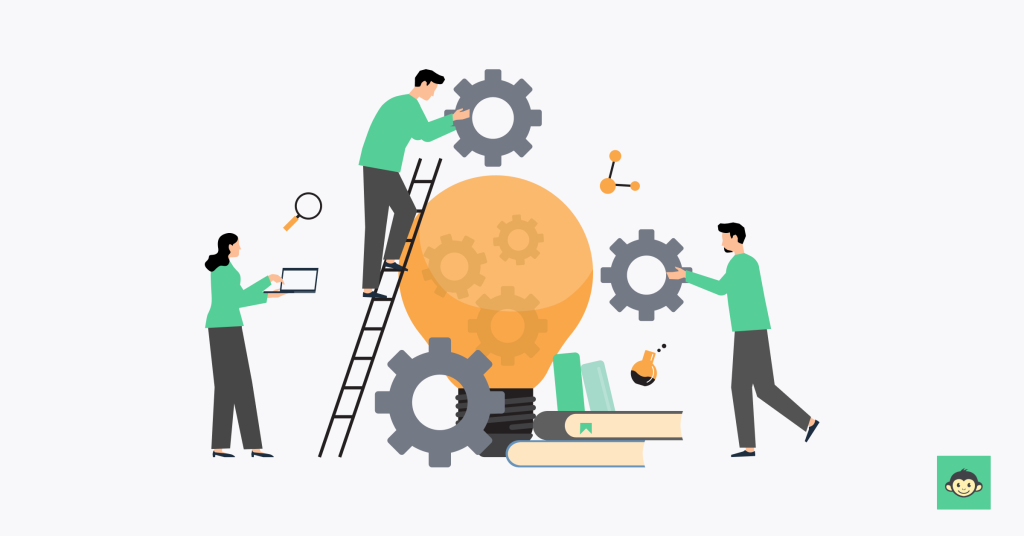
A structured learning approach can transform one’s educational experience. By crafting a personal learning plan, learners can not only track their development but also adapt their strategies as circumstances change. This adaptability ensures that as goals evolve—be it a shift in career aspirations or personal interests—so too do the methods to achieve them. As learners harness their potential through a personalized approach, they open the door to undreamed-of opportunities for growth and success.
DISCOVER MORE: Click here to learn about the power of curiosity
Establishing Clear Learning Objectives
At the heart of developing a personal learning plan lies the necessity of establishing clear learning objectives. These objectives serve as essential milestones that guide the learner’s journey and prevent aimless wandering through vast information landscapes. Independently learning can feel overwhelming due to the sheer volume of resources available, making it paramount for individuals to pinpoint exactly what they want to achieve.
When setting these objectives, it’s crucial to utilize the SMART criteria—making goals Specific, Measurable, Achievable, Relevant, and Time-bound. This framework not only clarifies the goals but also creates a roadmap to track progress efficiently. For example:
- Specific: Instead of stating, “I want to learn programming,” specify “I want to learn Python programming for data analysis.”
- Measurable: Implement a tool or method to measure your progress, such as completing at least five coding projects within the first three months.
- Achievable: Ensure your objectives are realistic based on your current skills and time availability.
- Relevant: Align your goals with your long-term aspirations, ensuring that learning Python is pertinent to your career growth.
- Time-bound: Set a deadline, like completing an online course by the end of the semester.
Assessing Resource Availability
Accompanying the establishment of learning objectives is the need to assess available resources effectively. In the United States, learners are fortunate to have access to a plethora of platforms catering to diverse educational needs. Resources include:
- Online Learning Platforms: Websites like Coursera, Udemy, and Khan Academy offer courses across countless subjects, providing convenience and flexibility.
- Public Libraries: Many libraries have extensive collections of books, audiobooks, and e-resources that can enhance your learning experience.
- YouTube and Podcasts: Wealthy in knowledge, platforms such as YouTube can provide visual and auditory learning opportunities on virtually any topic.
- Networking and Mentorship: Engaging with local communities or online groups can help connect learners with mentors who provide guidance tailored to individual learning plans.
By efficiently organizing and prioritizing these resources concerning your objectives, you can significantly enhance your learning capacity. It’s essential to evaluate which tools best suit your learning style and preferences while being judicious about the time spent on each resource. The key here is not to overwhelm oneself but to create a sustainable learning ecosystem.
Creating a Feedback Loop for Continuous Improvement
As learners embark on their journey, implementing a feedback loop offers substantial benefits. Regularly revisiting and reassessing your personal learning plan allows for adjustments based on progress or shifting interests. This agility is critical in a world of rapid change—a stagnant learning plan can easily become irrelevant. Engage in self-reflection and solicit feedback from peers or mentors, ensuring your learning process remains dynamic and aligned with your goals.
In summary, by establishing clear learning objectives, assessing available resources, and instituting a systematic approach to feedback, learners can construct a solid foundation for their personal learning plans. This proactive strategy not only fosters efficient resource management but also enriches the independent learning experience, paving the way for greater achievements.
Creating a Personal Learning Plan: Strategies for Efficient Resource Management in Independent Learning
To establish a robust Personal Learning Plan (PLP), learners must recognize the significance of effective resource management. This strategy not only helps in organizing educational materials but maximizes learning outcomes through thoughtful allocation of time and effort. Below, we break down the key elements that contribute effectively to personal learning:
| Category 1 | Category 2 |
|---|---|
| Time Management | Utilizing a structured timetable helps prioritize learning tasks effectively. |
| Resource Identification | Finding the right tools and resources enhances the quality of independent learning. |
| Feedback Mechanism | Implementing regular assessments ensures the learning path remains aligned with goals. |
| Flexibility | Adapting your learning plan as new insights or interests emerge encourages engagement. |
Incorporating these aspects into your Personal Learning Plan not only fosters a deeper understanding of the materials but also transforms the way you interact with learning resources. By studying efficiently and utilizing the strategies outlined, independent learners can optimize their educational journeys, ensuring both satisfaction and success.
DISCOVER MORE: Click here to uncover valuable techniques
Integrating Diverse Learning Methods
In the quest for effective independent learning, integrating diverse learning methods can greatly bolster engagement and retention of information. Embracing various approaches not only addresses different learning styles but also enhances the overall learning experience by providing multiple avenues to explore the same concept. Research has shown that using a mix of visual, auditory, and kinesthetic methods can significantly improve understanding and recall.
Among the most effective strategies is the use of blended learning, which combines traditional face-to-face instruction with online learning elements. For instance, a learner interested in history may read a textbook while simultaneously watching documentary films or listening to relevant podcasts. This combination can deepen comprehension and make historical events come alive in ways that a single method may not achieve. Additionally, using tools like mind maps and flashcards can make complex information more digestible, fostering easier recall during assessments.
Leveraging Technology Tools for Efficiency
The digital age has ushered in a wealth of technology tools designed to streamline the independent learning process. Utilizing applications and software can serve as tremendous assets in managing your educational resources. Learning Management Systems (LMS), such as Moodle or Google Classroom, facilitate course organization and content dissemination, making it easier for learners to track their progress and access materials. These systems often allow for integrating various resources from academic articles to video lectures, ensuring students have everything needed at their fingertips.
Beyond LMS, tools like Notion or Trello offer organizational support, enabling learners to create personalized dashboards that track assignments, deadlines, and goals. Setting reminders for upcoming projects can help maintain productivity while minimizing procrastination. Additionally, leveraging platforms such as Evernote aids in gathering and organizing research, allowing learners to compile notes, links, and documents in one accessible location.
Building a Community of Practice
No learner should navigate the journey of independent study alone. Building a community of practice can provide essential support, accountability, and inspiration. Online forums and social media groups host discussions and peer collaborations around specific subjects or interests. Websites like Meetup or specialized Discord servers allow individuals to connect with others who share similar learning goals, creating a network to share resources and encouragement.
Moreover, participating in study groups, either virtually or in-person, can foster an environment of collective learning. Group discussions not only reinforce knowledge but also introduce new perspectives and resources that a solitary learner might overlook. Access to others’ insights can make a significant difference when facing challenges or seeking clarification on complex topics.
Incorporating these diverse methods, leveraging technology tools for efficiency, and engaging with a community of practice effectively enhances the process of creating a personal learning plan. When learners take ownership of their education in this multifaceted manner, they pave the path not only for resource management but for a richer, more stimulating independent learning experience.
DISCOVER MORE: Click here to explore different learning modalities
Conclusion
In today’s fast-paced world, the importance of creating a personal learning plan cannot be overstated. As learners navigate their unique educational journeys, adopting strategies for efficient resource management becomes essential for success. By integrating diverse learning methods, such as blended learning and interactive tools, individuals can tailor their educational experiences to suit their particular needs and preferences. The utilization of technology tools, like LMS platforms and organizational software, empowers students to stay organized, focused, and motivated throughout their studies.
Equally important is the role of community. Building a strong community of practice provides a wealth of shared knowledge and encouragement, fostering collective growth and resilience against the challenges of independent learning. Involving peers in discussions, feedback, and collaborative projects not only enriches one’s understanding but also nurtures connections that can last a lifetime.
As you embark on your own learning adventure, remember that adaptability is key. Embrace diverse strategies, leverage technology, and actively seek community support to craft a personalized learning experience that is not only productive but also enriching. The investment you’ve made in your personal learning plan will pave the way for lifelong learning and personal development, enabling you to thrive in an ever-evolving landscape. It’s time to take charge of your education and unlock your full potential!