Creating a Structured Learning Environment: Techniques to Optimize Your Practice Space for Independent Skill Development
The Importance of Environment in Skill Acquisition
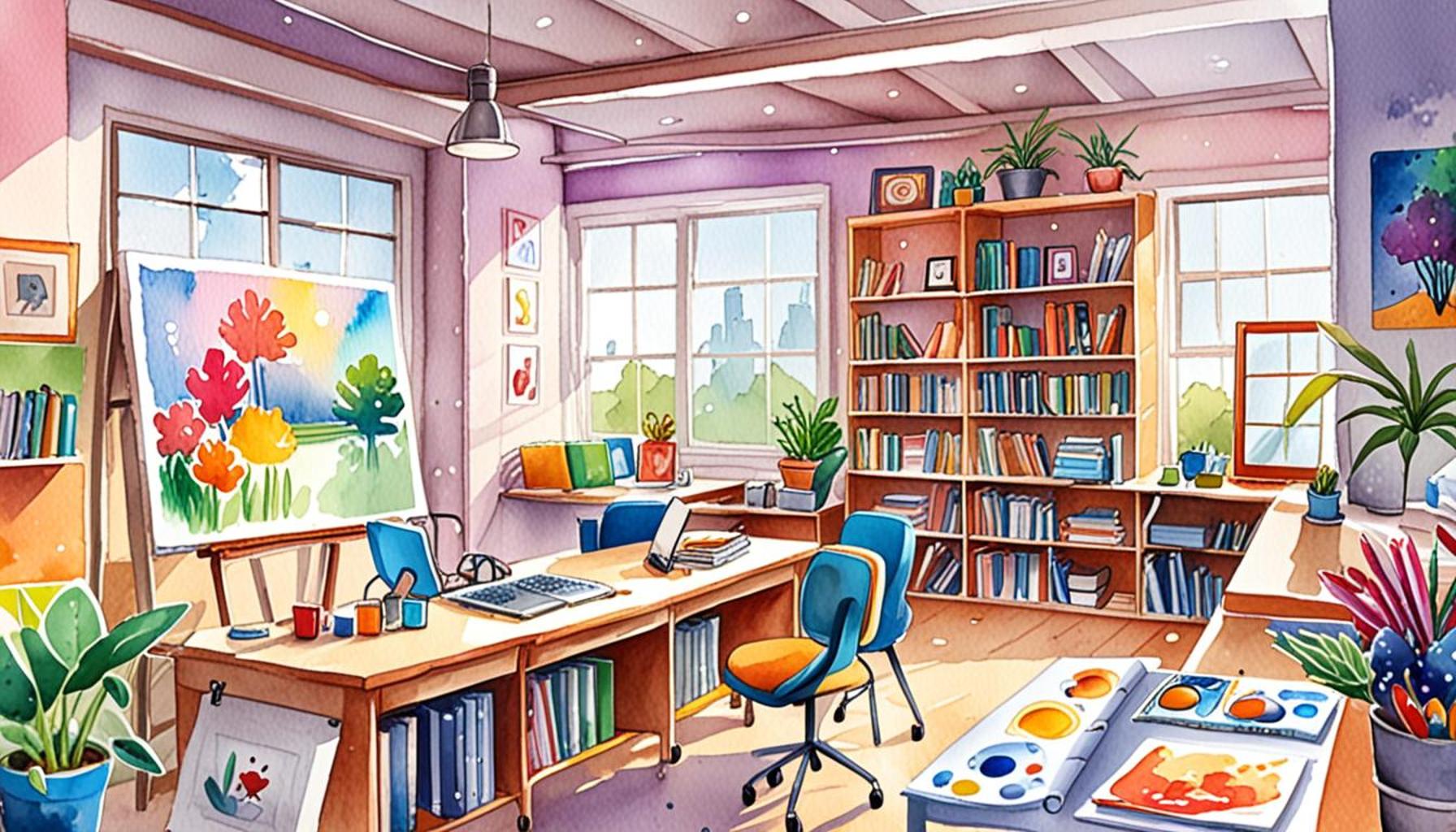
Every aspiring learner understands that environment plays a crucial role in skill development. A well-structured learning space can dramatically enhance focus and productivity. But what exactly does it mean to create an effective practice environment? This question goes beyond mere aesthetics; it involves crafting a space that fosters creativity, motivation, and concentration, ultimately leading to more effective learning.
In this article, we delve into the essential components of a successful learning environment tailored for independent skill development. By understanding these elements, you can cultivate a space that not only inspires but also enhances your capacity to learn and grow.
Organization
Organization is the foundation of an effective learning environment. A cluttered space can lead to a cluttered mind, making it challenging to focus. Start by removing unnecessary items and organizing your materials in a manner that makes them easily accessible. For instance, consider using storage bins or labeled shelves to categorize tools and resources. Digital organization is equally important; organize files on your computer using folders and tags. This systematic approach minimizes distraction and streamlines your learning process, allowing you to devote your time and energy to acquiring new skills.
Comfort
Moreover, investing in comfortable furniture cannot be overstated. Ergonomic chairs and desks tailored to your height and posture can significantly improve comfort during those long study sessions. For example, a chair that offers proper lumbar support can prevent back pain, allowing you to maintain your concentration. Additionally, ensure that your screen is at eye level to reduce strain on your neck. Consider incorporating elements like a standing desk option or cushions to encourage good posture. Making your environment pleasant and physically comfortable helps promote prolonged study hours without diminishing your enthusiasm.
Ambiance
The ambiance of your learning space can also influence your motivation levels. Soft, natural lighting or adjustable desk lamps can create a soothing environment conducive to concentration while reducing eye strain. Color psychology suggests that color can elicit specific emotional responses; for instance, blue hues are known to encourage calmness and focus, while shades of green can foster creativity. Add personal touches, such as artwork or inspirational quotes, to stimulate your mind and environment, making the space your own and enhancing the emotional connection to your learning journey.

Ultimately, each of these factors contributes to a holistic atmosphere that is conducive to learning. By employing specific techniques aimed at optimizing your learning environment, you can effectively transform an ordinary room into a dynamic learning hub. This endeavor is not just about physical arrangement; it also encompasses adopting a mindset focused on continuous improvement and self-directed learning.
In conclusion, with the right environment, you can hone new skills—be it coding, painting, or practicing the piano—more efficiently and joyfully. The journey of optimizing your practice space is a rewarding one, paving the way for enhanced personal and professional growth.
Ready to elevate your learning experience? Dive into actionable techniques that will enable you to set up a structured learning environment, helping you achieve your aspirations.
DIVE DEEPER: Click here to learn more
Essential Elements of an Effective Learning Space
Creating a structured learning environment involves much more than setting up a desk and chair; it requires careful consideration of various factors that can either facilitate or hinder your skill development. Here are several critical elements to include in optimizing your practice space:
Personalization
Personalization is an often-overlooked aspect of crafting a learning environment. Customizing your space according to your preferences can significantly enhance your motivation and engagement. This could involve adding items that reflect your personality, such as colorful stationery, wall art that resonates with your aspirations, or even photographs that inspire you. Incorporate elements that elicit positive feelings and serve as reminders of your goals. A personalized environment creates a sense of ownership and can prepare you mentally for focused study sessions.
Minimizing Distractions
In the modern age of endless notifications and digital distractions, minimizing distractions has become essential in any learning environment. One effective way to achieve this is by designating specific areas for practice that are far removed from distractions, such as TVs, smartphones, or social gatherings. If you find notifications constant interruptions, consider using apps designed to block distractions during study periods. Additionally, utilizing techniques like the Pomodoro Technique—in which you work for 25 minutes followed by a 5-minute break—helps maintain focus while preventing burnout.
Incorporating Technology
In today’s digital world, leveraging technology in your learning space can be a game-changer. Tools such as online resources, educational applications, and virtual simulations can accelerate your skill development. Invest in high-quality headphones to facilitate immersive learning through online courses or workshops. Furthermore, consider incorporating smart devices that help you manage your time effectively, like smart speakers or timers, allowing you to maintain a structured routine without constant interruptions.
Flexible Layout
The layout of your practice space should support various learning modalities. Depending on your goals, you might find it beneficial to create different zones within the same space. For instance, designate one area for writing or studying at a traditional desk, while another for hands-on practice or creative work. By having a flexible layout, you can switch between areas based on the specific skills you’re working on—whether it be coding at a desk, practicing an instrument, or completing a hands-on project. This distinction can help maintain focus and keep your learning dynamic and engaging.
In conclusion, understanding how to effectively set up your learning environment requires careful reflection and planning. By incorporating personalization, minimizing distractions, leveraging technology, and maintaining a flexible layout, you’ll be well on your way to developing a space conducive to independent skill development. These foundational elements are essential for transforming your practice area from a mere workspace into an inspiring hub of creativity and growth.
Creating a structured learning environment is crucial for anyone aiming to maximize their independent skill development. A well-organized practice space not only enhances focus but also fosters a sense of ownership and motivation in learners. Below, we explore several techniques that can significantly optimize your practice space.
1. Designate Specific Areas
One of the most effective ways to enhance learning is by designating specific areas within your space for different activities. For example, have a corner dedicated exclusively to reading, another for hands-on practice, and yet another for reflection and planning. This segmentation helps in associating different tasks with specific locations, making it easier to transition between activities without distraction.
2. Utilize Visual Aids
Visual aids play a pivotal role in reinforcing concepts and organizing information. Use charts, posters, or sticky notes to display key principles or your learning goals. This not only keeps motivation high but also transforms your practice space into an ever-evolving hub of knowledge, prompting continuous learning and improvement.
3. Minimize Distractions
A cluttered or chaotic environment can counteract your efforts for independent skill development. Keep your space tidy and eliminate anything that doesn’t serve your learning goals. Whether it’s silencing your phone or blocking distracting websites, creating a distraction-free zone is vital for maintaining focus and achieving your learning objectives more effectively.
4. Incorporate Technology Wisely
In this digital age, technology can either be a boon or a bane. Equip your space with tools that enhance your learning experience—such as apps for tracking progress, online resources, or even virtual tutors. However, be sure to use them wisely to prevent becoming sidetracked by non-learning activities.
5. Foster a Growth Mindset
Encouraging a growth mindset is essential for independent learners. Create an environment where failure is not seen as a setback but as a chance to learn. This attitude transforms your practice space into a safe haven for experimentation and exploration, significantly boosting your skill development process.By implementing these techniques, learners can cultivate a structured practice environment that not only accelerates skill acquisition but also instills a sense of purpose and direction. The optimization of your practice space is indeed a journey, leading to newfound levels of personal and professional growth.
DISCOVER MORE: Click here to unlock effective strategies
Creating a Conducive Atmosphere for Learning
While setting up the physical elements of your learning environment is vital, the atmosphere within that space is equally important. This includes aspects such as lighting, seating, and even sound. Each plays a crucial role in shaping how effectively you can focus and develop your skills.
Optimal Lighting Conditions
Proper lighting can significantly impact your mood and productivity. Natural light is often preferred, as it helps regulate the body’s circadian rhythms, promoting better focus and energy levels. Where possible, position your desk near a window to benefit from daylight. However, during evening hours or in darker settings, use adjustable task lighting that reduces eye strain and illuminates your workspace adequately. Avoid harsh fluorescent lights, which can lead to fatigue and diminished concentration. Consider investing in smart lighting solutions, which allow you to control brightness and color temperature, adapting the atmosphere according to the time of day or the tasks at hand.
Comfort and Ergonomics
Your seating arrangement has a major influence on your performance. Ergonomically designed furniture not only prevents physical strain but also encourages longer, more productive sessions. A comfortable chair with lumbar support can mean the difference between prolonged focus and frequent breaks due to discomfort. Moreover, adjusting your desk height to suit your preferred working position—whether standing or sitting—can greatly improve your engagement with the material. Do not underestimate the importance of a good mouse and keyboard setup that minimizes wrist strain; making small adjustments can enhance your overall experience.
Sound Control and Acoustics
Sound plays a pivotal role in maintaining concentration. Some learners thrive in complete silence, while others may find background noise beneficial for productivity. If you belong to the first category, consider soundproofing your space or using noise-canceling headphones to block external sounds. On the other hand, if you benefit from background noise, explore specific playlists or ambient sound apps designed for concentration. Research indicates that certain types of music, particularly instrumental or classical, can enhance cognitive functions, including problem-solving skills. Having a sound plan for your learning environment can ultimately fine-tune your capacity to engage with your work.
Organized Tools and Resources
Lastly, a well-organized space aids in maintaining focus and minimizing procrastination. Incorporating a system for tools and resources can streamline your practice. Use shelving, bins, or digital organizational tools to categorize and store materials in an easily accessible manner. A clutter-free workspace allows you to concentrate better and reduces the mental fatigue associated with searching for misplaced items. Consider creating a dedicated area for essential supplies, so everything you need is at your fingertips when you begin a practice session. Approaching your learning with an organized framework facilitates a more productive and less stressful atmosphere.
By paying attention to these atmospheric variables—lighting, comfort, sound considerations, and organization—you can enhance your learning experience further. A conducive atmosphere, combined with physical layout and digital technology, culminates in a structured learning environment that truly supports independent skill development, allowing for continual growth and improvement.
DIVE DEEPER: Click here to uncover the importance of curiosity in learning
Conclusion
In wrapping up our exploration of Creating a Structured Learning Environment, it’s clear that the right techniques can profoundly impact your ability to develop skills independently. The interplay between physical layout and atmospheric conditions is pivotal. Key factors such as natural lighting not only bolster mood but also enhance cognitive performance, while ergonomic seating promotes comfort and extended focus. These elements combined help mitigate distractions, allowing learners to engage more fully with their practice.
Moreover, attention to sound management—whether through soundproofing, ambient playlists, or noise-canceling headphones—facilitates a personalized acoustic landscape that caters to diverse learning preferences. An organized workspace reduces anxiety and fosters productivity, showing that accessibility to resources can streamline your skill acquisition process remarkably. As you adopt these strategies, remember that each learning environment is unique; experiments may be necessary to find the best combination that fuels your performance.
Ultimately, the goal is to create a harmonious space that not only functions efficiently but also inspires continuous growth. By optimizing your practice space, you not only invest in your current projects but also pave the way for future learning endeavors. Explore these techniques further, and you may discover that your structured environment doesn’t just enhance your current skills, but also ignites a passion for lifelong learning.