Developing a Growth Mindset for Effective Self-Learning
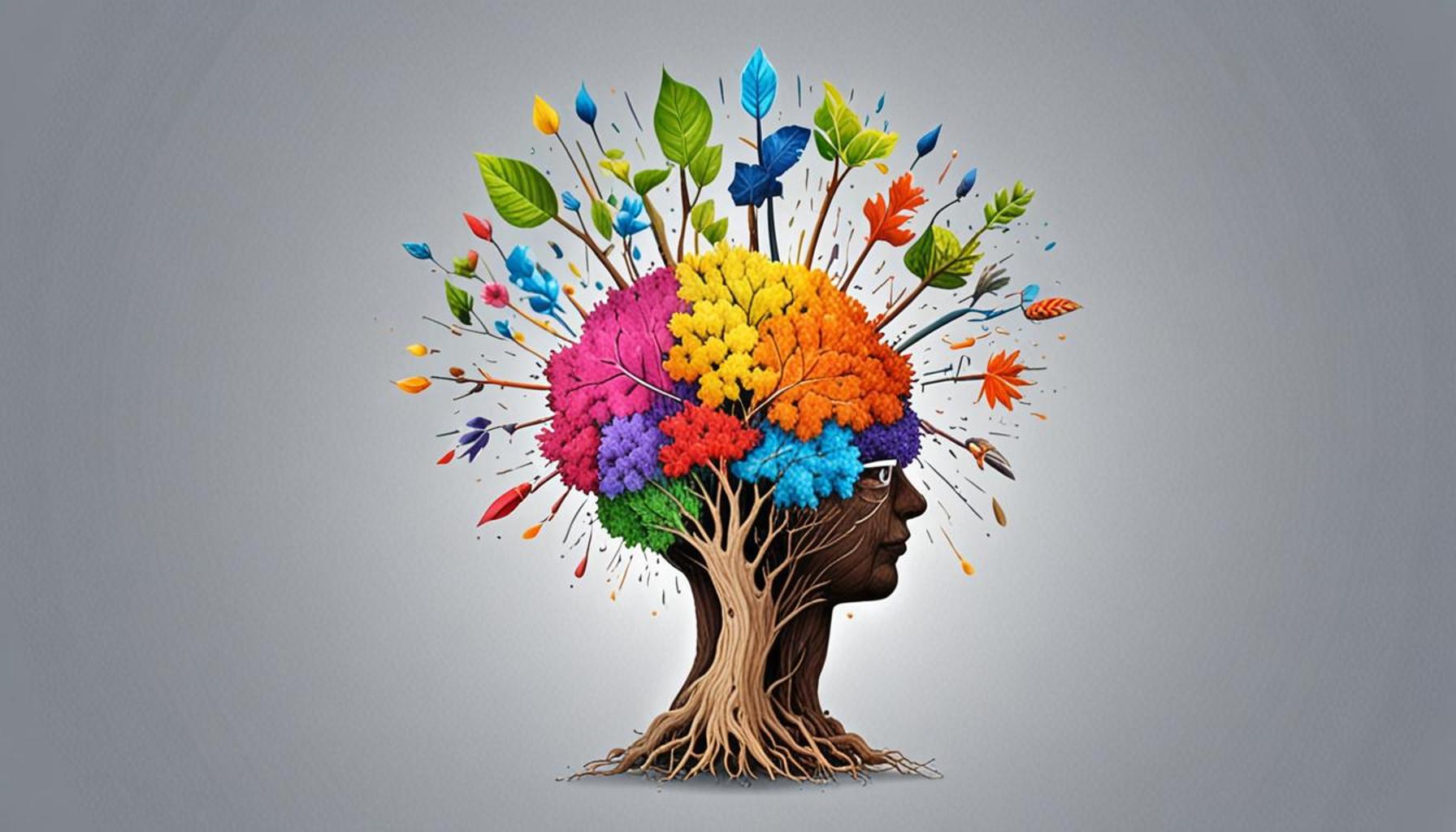
Understanding the Growth Mindset
In today’s fast-paced world, self-learning has become a vital skill, particularly in an era where technological advancements are reshaping industries at breakneck speed. Adopting a growth mindset can significantly enhance your ability to learn effectively and adapt to these ever-changing landscapes. Studies, including research conducted by psychologist Carol Dweck, reveal that individuals with a growth mindset are not only more likely to embrace challenges but also more persistent when faced with setbacks, making them more resilient learners.
Defining a Growth Mindset
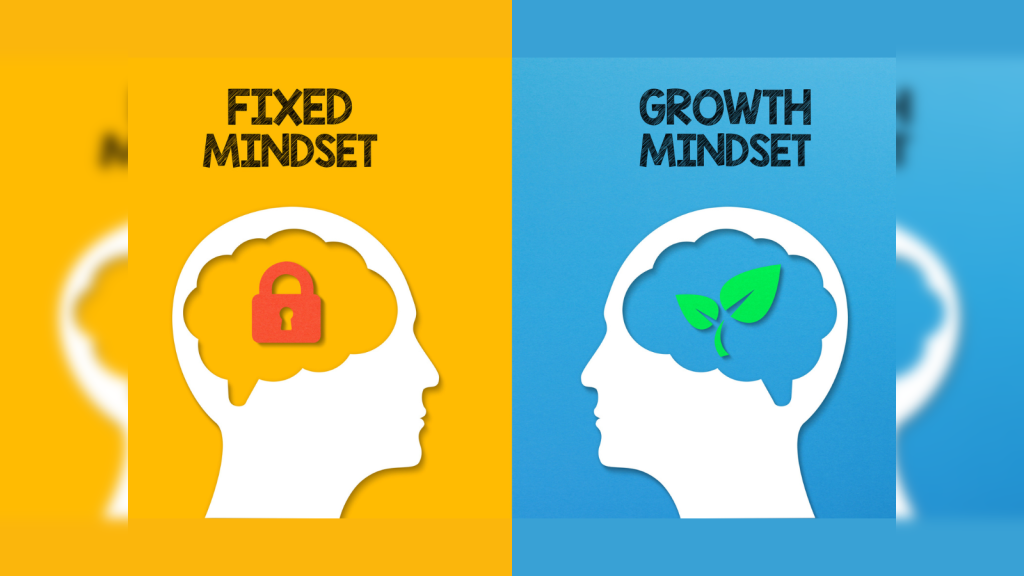
But what exactly does it mean to have a growth mindset? At its core, this concept is grounded in the belief that personal abilities and intelligence can be developed through dedication and hard work. Here are some key features that define a growth mindset:
- Belief in improvement: This encompasses an understanding that talents are not fixed traits, but rather skills that can be cultivated. For example, individuals who may struggle with mathematics can improve through practice and perseverance.
- Embracing challenges: Instead of avoiding difficult tasks, those with a growth mindset view obstacles as opportunities for growth. Whether it’s taking on a new project at work or attempting to learn a musical instrument, challenges become catalysts for personal development.
- Learning from feedback: Constructive criticism is seen as invaluable information for self-improvement. Individuals with a growth mindset actively seek feedback, using it as a basis for refining their skills and approach.
Benefits of a Growth Mindset
Implementing a growth mindset leads to greater success in self-directed learning for several reasons:
- Increased resilience: Adopting this mindset allows individuals to bounce back from failures more quickly, as they view setbacks as a natural part of the learning journey rather than a dead end.
- Greater motivation: A persistent desire to learn fuels continuous self-education. This motivation may manifest in various forms, such as enrolling in online courses or engaging in community workshops to further knowledge in a specific field.
- Enhanced problem-solving: Individuals with a growth mindset tackle problems with creativity and flexibility. For instance, when faced with organizational challenges, they might brainstorm innovative solutions instead of sticking to outdated methods.
Embracing Lifelong Learning
As the landscape of education continually evolves, developing a growth mindset positions you as a lifelong learner—someone eager to adapt and grow alongside their environment. This commitment not only transforms your learning journey but deeply enriches your life. By embracing learning as a lifelong adventure, you can cultivate new skills, deepen relationships, and even navigate personal challenges more effectively. Exploring resources, such as motivational literature or online platforms like Coursera and Khan Academy, can further reinforce this mindset.
Ultimately, the growth mindset encourages a proactive approach to self-improvement and personal development, opening doors to endless opportunities and potential. In a world that demands agility and adaptability, this mindset is more than just an advantage; it is essential for thriving in the 21st century.
DIVE DEEPER: Click here to learn how to break down skills effectively
Navigating the Path to Self-Learning
To embark on an effective journey of self-learning, it is crucial to integrate the principles of a growth mindset into your daily practices. But how can you cultivate this mindset practically? Here, we will explore effective strategies that can be woven into your learning routines.
Setting Realistic Goals
One of the starting points for fostering a growth mindset in self-learning is setting realistic and achievable goals. Clear objectives not only give direction to your learning efforts but also provide milestones to celebrate along the way. For instance, instead of vague aspirations like “I want to learn Spanish,” define your goals as “I will complete a beginner Spanish course on Duolingo by the end of the month.” By breaking down your learning objectives into specific, manageable tasks, you pave the way for a sense of accomplishment and heightened motivation.
Adopting an Experimental Approach
Another essential strategy involves adopting an experimental approach to learning. This means being open to new methods, techniques, and resources while understanding that failure is simply a stepping stone toward mastery. For example, when learning software development, an aspiring programmer might experiment with different coding languages to discover which resonates most with their learning style. Embracing a flexible mindset allows you to adapt and adjust your methods based on what works best for you.
Creating a Supportive Learning Environment
Environment plays a pivotal role in effective self-learning. Establishing a supportive learning environment can have a profound impact on the development of a growth mindset. Surround yourself with resources and individuals who inspire and motivate you. This could involve joining online forums, participating in local study groups, or engaging with a mentor who can provide not just knowledge but encouragement when challenges arise. Engaging with others in a learning community promotes shared insights and accelerates personal growth.
Practicing Reflection
Reflection is a powerful tool for developing a growth mindset. Take time to regularly assess your learning experiences and reflect on what worked, what didn’t, and why. This practice not only helps clarify your understanding but also enhances self-awareness, allowing you to adjust your learning tactics as needed. Keep a learning journal to document your progress, observations, and both successful and unsuccessful efforts. By doing this, you will recognize patterns in your learning behavior, thus becoming a more effective self-learner.
Emphasizing the Process Over the Outcome
Finally, it is vital to emphasize the process over the outcome in your learning journey. Shifting your focus from the end result to the tools and techniques you use to learn can foster a deeper appreciation for growth. Remind yourself that every small improvement contributes to your overall development. Celebrating your progress, however incremental, reinforces the beliefs of a growth mindset and propels you toward continued exploration and knowledge acquisition.
Incorporating these strategies into your self-learning journey can transform your approach, making learning not just a task but an enriching adventure. The combination of realistic goal-setting, an experimental mindset, supportive environments, reflective practices, and an emphasis on processes are all pivotal in developing a robust growth mindset. As you embrace these practices, you will find your capacity to learn expanding, opening up a wealth of opportunities and skills waiting to be discovered.
Exploring the Core Benefits of a Growth Mindset
| Category | Details |
|---|---|
| Resilience | Facilitates overcoming challenges and reduces fear of failure, allowing individuals to persist in their learning journey. |
| Adaptability | Enables quick adjustments to new information and changing circumstances, fostering a more dynamic approach to self-education. |
| Motivation | Encourages pursuing personal growth by nurturing an eagerness to learn, explore, and improve oneself continually. |
| Creativity | Stimulates innovative thinking and problem-solving skills, essential for effective learning and adaptation. |
Developing a growth mindset fosters resilience, which is crucial for enduring the inevitable setbacks one might face in learning. By viewing challenges as stepping stones rather than obstacles, individuals are empowered to persist and improve. Furthermore, embracing adaptability fosters a more dynamic learning process, allowing learners to adjust their approaches as necessary. In addition to this, a growth mindset breeds internal motivation, propelling individuals towards personal growth and exploration. This innate drive fuels the desire to learn more and achieve greater heights. Finally, creativity is stimulated through such a mindset, promoting innovative thinking and robust problem-solving skills vital in today’s fast-paced world. Moreover, the ability to cultivate a strong growth mindset not only influences self-learning but also significantly impacts professional and personal realms. Embracing these principles can pave the way to a more effective self-learning journey.
DIVE DEEPER: Click here to discover how to make skill practice fun!
Fostering Continuous Growth in Self-Learning
While the previous strategies set a foundation for developing a growth mindset in self-learning, cultivating a culture of continuous growth is equally important. Embracing lifelong learning requires additional techniques that will enhance your self-efficacy and resilience. Here we delve into more approaches to nurture a growth-focused outlook in your educational endeavors.
Leveraging Feedback
One of the most effective ways to nurture a growth mindset is to actively seek and embrace feedback. Receiving input about your performance or understanding allows you to identify areas for improvement and celebrate strengths. Instead of viewing feedback as criticism, interpret it as an essential guide on your journey toward mastery. Consider engaging with peers, educators, or even online communities to gain diverse perspectives on your work. This practice not only helps you refine your skills but also fortifies the knowledge that growth is a communal effort.
Utilizing Technology as a Learning Tool
In today’s digital age, technology offers unparalleled resources for effective self-learning. From educational platforms like Khan Academy and Coursera to social media groups dedicated to knowledge-sharing, leveraging technology as a learning tool can exponentially enhance your growth journey. Use applications such as Evernote or Notion to organize your study materials and thoughts. Moreover, consider employing online video tutorials to gain practical insights from experts. The more creative and resourceful you become, the more opportunities for growth you’ll uncover.
Embracing Challenges as Opportunities
Every challenge you face during your self-learning journey is an opportunity for growth and understanding. Rather than shying away from complex subjects or difficult concepts, approach them with curiosity and determination. Tackling challenging materials can significantly expand your critical thinking skills and deepen your comprehension. For instance, an aspiring writer can benefit from writing prompts that push their creative boundaries. When you consistently confront challenges, you develop resilience, a core aspect of a growth mindset.
Practicing Self-Compassion
Another vital element of maintaining a growth mindset is practicing self-compassion. It is important to be kind to yourself during your learning process, especially when you encounter setbacks. Self-compassion encourages a positive internal dialogue that fosters perseverance. Instead of berating yourself for mistakes, frame them as valuable lessons to learn from. Acknowledge that everyone experiences hurdles in their learning journey, and recognize this shared experience as a unifying factor that strengthens the learning community.
Engaging in Interdisciplinary Learning
To enrich your self-learning experience, consider engaging in interdisciplinary learning. With your primary focus in one area, branching out into seemingly unrelated subjects can enhance your cognitive flexibility and creativity. For instance, a student of mathematics could explore art or philosophy, finding patterns and connections that enhance their analytical skills. By drawing knowledge from varying disciplines, you not only diversify your skill set but also build a more holistic understanding of the world, fostering an environment ripe for growth.
Through the incorporation of feedback, technological tools, a challenge-oriented mindset, self-compassion, and interdisciplinary approaches, aspiring learners can invigorate their growth journey. These strategies not only reinforce a strong growth mindset but also promote sustained engagement and joy in the self-learning process, continually opening doors to new opportunities and insights.
DISCOVER MORE: Click here for insights on reflection techniques
Conclusion: Embracing the Journey of Self-Learning
In the dynamic landscape of self-learning, developing a growth mindset is not merely beneficial; it is essential. The strategies discussed throughout this article—leveraging feedback, utilizing technology, embracing challenges, practicing self-compassion, and engaging in interdisciplinary learning—serve as powerful tools that enable you to navigate your educational journey more effectively. With a growth mindset, every setback transforms into a stepping stone, and each success becomes a catalyst for further exploration.
By embracing a holistic approach to learning, you not only expand your knowledge but also cultivate the resilience needed to adapt in an ever-changing world. This adaptability is crucial, especially in today’s fast-paced environment where new skills and competencies are constantly in demand. Thus, fostering a growth mindset helps you remain relevant and agile, allowing for continuous personal and professional development.
As you embark on your self-learning journey, remember that the path is uniquely yours. There will be challenges along the way, but each one presents an opportunity for growth. Engage with others, reflect on your experiences, and maintain a sense of curiosity. Ultimately, the journey of self-learning is about becoming not just a better learner, but also a more informed and engaged individual. Take the first step today; the world of knowledge awaits you, ready to unfold in unexpected ways.