Effective Positive Reinforcement Techniques for Dog Training
The Importance of Positive Reinforcement in Dog Training
The bond we share with our dogs is unique and powerful, serving as one of the most rewarding relationships we can have. Training them effectively is an essential part of this relationship. Positive reinforcement techniques provide a rewarding approach that encourages good behavior, transforming your pet from a rambunctious pup into a well-behaved companion. This training style not only benefits your dog but also enriches your life with a harmonious partnership.
So, what exactly is positive reinforcement? It is a training technique that rewards desired behaviors, making it more likely that those behaviors will be repeated. This method contrasts with negative reinforcement, which focuses on punishing undesirable actions. The positive approach nurtures an environment where both the owner and the dog can thrive together.
Some key benefits of positive reinforcement include:
- Builds trust and respect: Your dog learns that good behavior results in rewards, fostering a sense of security and understanding.
- Strengthens the bond: Rewarding your dog creates a positive training environment. The joy from praise or treats can deepen your emotional connection.
- Enhances learning: Dogs are naturally motivated by things they value, such as treats or praise. This motivation can lead to quicker learning and better retention of commands.
Incorporating positive reinforcement techniques into your training routine can yield effective results. The focus on rewarding behaviors rather than punishing mistakes not only makes for a more pleasant experience but also minimizes frustration for both you and your pet. For instance, if you want your dog to sit, rather than scolding them for jumping, simply hold a treat above their head. When they sit, reward them immediately. Over time, they’ll associate the action of sitting with a delightful reward.
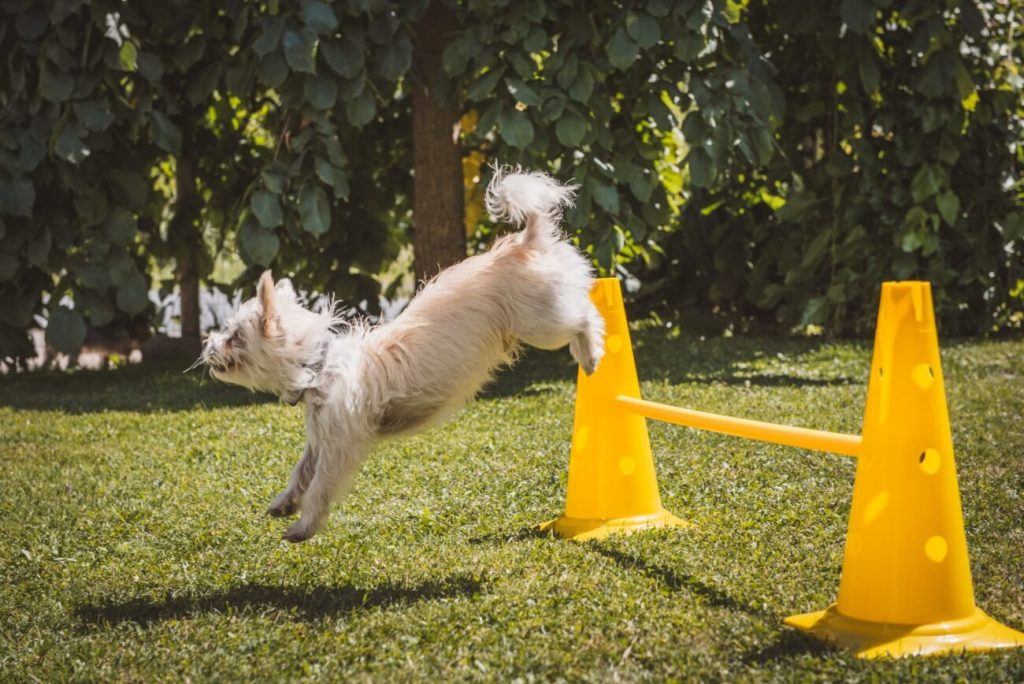
Throughout this article, we will explore a variety of effective positive reinforcement techniques that can help you successfully train your dog. From clicker training—which utilizes the sound of a clicker paired with rewards—to treat rewards, these methods can turn every training session into a fun and engaging experience for both you and your furry friend. Additionally, incorporating activities like agility courses or interactive toys that reward good behavior can keep your dog stimulated and eager to learn.
Positive reinforcement doesn’t just apply to training commands; it can also help address behavioral issues like barking, chewing, or digging. By rewarding your dog when they remain calm or engaged in appropriate activities, you can redirect their focus and teach them acceptable behaviors over time. So, prepare to unlock your dog’s potential through the transformative power of positive reinforcement!
LEARN MORE: Click here to discover the impact of socialization on your dog’s mental health
Understanding Clicker Training: A Methodical Approach
One of the most popular forms of positive reinforcement in dog training is clicker training. This method uses a small handheld device that produces a distinct clicking sound to mark the precise moment your dog performs the desired behavior. This clear and consistent marker helps the dog associate the sound with a reward, making it an incredibly effective training tool.
The beauty of clicker training lies in its simplicity. As soon as your dog completes the command—whether it’s sitting, lying down, or any trick you’ve taught them—you immediately click and follow up with a treat. This association builds a strong communication channel between you and your furry friend, making them more likely to repeat the action. But how can you get started with this effective technique? Here are a few tips:
- Choose the Right Clicker: Select one that produces a clear sound and is easy to operate. There are various options available, including thumb clickers and ones with a more comfortable grip.
- Set the Training Environment: Start training in a quiet area with minimal distractions. This will help your dog focus on the task at hand.
- Timing is Key: Always click at the exact moment your dog performs the desired behavior. This precision is crucial for effective learning.
- Reward Immediately: After clicking, follow up right away with a treat or verbal praise. This reinforces the positive association with the behavior.
- Practice Regularly: Short, frequent training sessions are more effective than longer, infrequent ones. Aim for consistency and keep it fun!
Another intriguing aspect of positive reinforcement is its versatility; it extends beyond teaching commands. It can also be instrumental in addressing behavioral issues. For example, if your dog struggles with excessive barking or destructive chewing, implementing positive reinforcement can redirect their focus. When your dog chooses to remain calm during a situation that typically triggers unwanted behavior, reward them immediately. This teaches them that calmness is more rewarding than chaos.
Using interactive toys can also elevate the effectiveness of positive reinforcement. Toys that dispense treats or encourage your dog to solve puzzles can provide both mental stimulation and rewarding experiences. Not only do these toys keep your dog engaged, but they also reinforce the idea that good behaviors result in positive outcomes.
In conclusion, employing various positive reinforcement techniques, such as clicker training and the use of interactive toys, can significantly enhance your training sessions. By focusing on rewarding behaviors instead of punishing mistakes, you foster a richer understanding between you and your dog. As you embark on this rewarding journey of training, remember that patience and consistency are your best allies.
| Technique | Advantages |
|---|---|
| Clicker Training | Provides a clear and precise way to communicate with your dog, enhancing learning. |
| Treat Rewards | Motivates dogs to repeat desired behaviors, creating a positive association with training sessions. |
| Verbal Praise | Strengthens the emotional bond between the dog and owner, encouraging eager responses. |
| Interactive Play | Engages dogs mentally and physically, making learning enjoyable and effective. |
Implementing the right positive reinforcement techniques can transform your dog’s training experience. With methodologies like clicker training, you can foster clear communication, making it easier for your dog to grasp new commands. Complementing training with treat rewards not only promotes desirable behaviors but also reinforces a strong motivational framework. Adding verbal praise into the mix builds trust and nurtures a stronger bond with your canine companion. Furthermore, incorporating interactive play can significantly enhance engagement, making the learning process both fun and productive. Each of these strategies serves to foster a mutually satisfying training environment, encouraging your dog to respond positively while also deepening your relationship.
DISCOVER MORE: Click here for essential tips on preventive cat care
Utilizing Treats and Praise: The Heart of Positive Reinforcement
While clicker training serves as a fantastic entry point into positive reinforcement, the foundation remains grounded in two fundamental components: treats and praise. The right use of these elements not only reinforces desired behaviors but also enriches your relationship with your dog, making training sessions enjoyable for both of you. Let’s explore the best practices for using treats and praise effectively.
Selecting Treats Wisely: The success of positive reinforcement often hinges on the types of treats you employ. Many dog owners opt for commercial dog treats, but homemade options can be equally enticing. Consider using small pieces of cooked chicken, hot dogs, or even slices of cheese. The key is to choose treats that your dog finds irresistible while ensuring they are small enough to prevent overfeeding during training sessions.
Implementing Variable Rewards: Advanced trainers often recommend utilizing a system of variable rewards. Instead of giving your dog a treat every single time they perform a behavior, reward them intermittently. This method can heighten anticipation, making the experience more engaging and exciting. For instance, after rewarding your dog for sitting successfully a few times, wait until they sit again and only sometimes deliver a treat. This unpredictability can make the training process more stimulating.
Praise as a Power Tool: Alongside treats, verbal praise is a vital part of effective dog training. Dogs thrive on affirmation, so pairing your treats with excited words like “Good boy!” or “Well done!” can motivate them to repeat the behavior. Experiment with your tone and enthusiasm level; dogs are adept at picking up on emotional cues, and a lively tone can bring about a genuine response.
Tailoring Praise to Individual Dogs: It’s worth noting that not all dogs respond similarly to treats and praise. Some dogs may prefer physical affection over verbal affirmations. Therefore, be observant and customize your approach according to what your furry companion enjoys most—be it a good belly rub, a scratch behind the ears, or a game of fetch. Understanding these nuances helps build a stronger bond during training.
Incorporating Duration and Distractions
A significant facet of successful positive reinforcement is gradually introducing duration and distraction. Initially, when training a new command, reward your dog immediately. However, as they become more familiar with the behavior, encourage them to hold the behavior longer before receiving the treat. For example, if you are teaching “stay,” start with a few seconds and gradually increase the duration before rewarding. This concept nurtures patience and self-control in your dog.
Distractions are another way to enhance training effectiveness. Once your dog is reliably executing commands at home, try practicing in different environments with varying degrees of stimulation. For example, take your training sessions to a local park or the backyard, where they might encounter other dogs and people. Reward your dog for maintaining focus amidst distraction, reinforcing the idea that good behavior will be rewarded, regardless of their surroundings.
These techniques, combined with clicker training, pave the way toward building a well-behaved dog while nurturing a robust bond based on trust and mutual respect. Embrace these methods as you explore effective positive reinforcement techniques, knowing that you are not just teaching commands but also cultivating a lifelong partnership with your furry friend.
DISCOVER MORE: Click here for effective puppy training tips
Conclusion: Building Bonds Through Positive Reinforcement
In summary, effective positive reinforcement techniques for dog training not only enhance your dog’s behavior but also foster a deeper emotional connection between you and your furry companion. With the strategic use of treats and praise, dog owners can create a rewarding training environment that promotes trust and obedience. By selecting the right treats, utilizing variable rewards, and matching praise to your dog’s unique personality, you can keep training sessions engaging and enjoyable.
Moreover, incorporating elements such as duration and the ability to handle distractions allows for gradual progress and challenges that prepare your dog for real-world scenarios. It’s crucial to remember that consistency and patience are key components in this journey. Training is not merely about commands; it’s an opportunity to deepen your bond with your pet through mutual understanding and respect.
As you explore and implement these positive reinforcement techniques, consider them as stepping stones toward nurturing a harmonious relationship with your dog. Each successful interaction during training not only leads to a well-behaved pet but also enriches the everyday life you share together. So, embark on this rewarding adventure and watch as your dog flourishes in response to your love and skilled training methods. The commitment you make today will pave the way for a happy and obedient companion tomorrow.