Essential Pet Grooming Tips for Maintaining Your Pet’s Hygiene and Health
The Importance of Regular Pet Grooming
Regular pet grooming is not merely a cosmetic necessity; it plays a pivotal role in ensuring your pet’s overall health and happiness. From short-haired breeds to long-haired companions, grooming is a routine that, when done correctly, can prevent a multitude of health complications while strengthening the bond between you and your four-legged friend. Below are crucial facets to include in your grooming regimen:
- Regular Brushings: Many pet owners may overlook the importance of brushings, but it’s one of the simplest ways to manage shedding and prevent matting—issues that can lead to discomfort for your pet. Regular brushing also helps distribute natural oils in the fur, resulting in a healthier coat. Depending on your pet’s breed, different types of brushes will be required; for instance, a slicker brush is great for long-haired dogs like Golden Retrievers, while a bristle brush can work wonders for short-haired breeds such as Beagles.
- Nail Trimming: Keeping your pet’s nails trimmed is crucial in preventing injuries that can arise from overgrown nails, which may break or tear painfully. A good rule of thumb is to trim your pet’s nails every 3 to 4 weeks. If you’re unsure about how to proceed, a visit to a vet or professional groomer can provide guidance on proper techniques.
- Ear Cleaning: Ears can be a hotspot for infections, especially in breeds with floppy ears like Cocker Spaniels. Regular cleaning helps avoid the build-up of wax and debris, which can lead to painful infections. Using a veterinarian-approved ear cleaner can make this task more manageable and effective, ensuring your pet’s ears stay healthy.
- Teeth Brushing: Oral hygiene is vital; neglecting it can result in dental diseases and tooth loss. Ideally, you should brush your pet’s teeth several times a week. Using pet-specific toothpaste and toothbrushes is important, as human products can be harmful to pets.
Grooming extends far beyond mere aesthetics; it is an essential part of your pet’s physical health. Many pet owners may underestimate the significance of a consistent grooming routine, but it can lead to a healthier, happier pet with fewer veterinary visits.
Additional Grooming Tips for Pet Owners
To enhance your grooming practices and create a positive experience for your pet, consider these important strategies:
- Choose the Right Tools: Investing in high-quality grooming supplies tailored to your pet’s coat type and breed can make a world of difference. Tools like de-shedding blades for double-coated breeds or combs designed specifically for cats can improve the grooming experience.
- Establish a Routine: Consistency is key. A regular grooming schedule can help your pet become accustomed to the process, minimizing their anxiety. Many owners find it helpful to groom their pets weekly, gradually introducing new components like nail clipping to ensure comfort.
- Watch for Signs of Distress: Always pay close attention to your pet’s behavior during grooming. Signs such as panting, whimpering, or excessive fidgeting may indicate discomfort. If any signs of distress arise, it might be time to consult a professional groomer or veterinary behaviorist.
Your pet depends on you to ensure their health and well-being. By following these essential grooming tips, you not only invest in your pet’s hygiene and happiness but also foster a strong, loving relationship that enriches both your lives. In doing so, you create an environment where they can thrive, exploring life with you as their trusted companion.
Understanding Your Pet’s Grooming Needs
Every pet is unique, and understanding your pet’s specific grooming needs is fundamental to maintaining their hygiene and health. Different breeds have varying hair types, skin conditions, and activity levels, all of which influence grooming routines. For instance, the grooming requirements for a Poodle differ significantly from those for a Boxer. By tailoring your grooming routine to suit your pet, you can ensure they remain comfortable and healthy.
- Coat Type Considerations: Long-haired breeds, such as Afghan Hounds or Persian cats, require more intensive grooming, often needing daily brushings to prevent tangles and mats. On the contrary, short-haired breeds, like Bulldogs or Dachshunds, may only need weekly brushing to keep their coats in good condition. Understanding your pet’s coat type is crucial for selecting the right brushes and grooming techniques.
- Skin Sensitivity: Some pets might have sensitive skin that can be easily irritated by harsh grooming tools or products. Opting for hypoallergenic brushes or shampoos can help prevent discomfort. Additionally, paying attention to any skin flaking or redness during grooming sessions can alert you to potential skin conditions that may require veterinary attention.
- Seasonal Adjustments: Seasonal changes can influence your pet’s grooming needs as well. For instance, shedding tends to increase during the spring and fall. This is when double-coated breeds, such as Huskies, might need more frequent grooming sessions to manage excess fur. Adjusting your grooming routine according to seasonal variations will help maintain optimal hygiene.
- Age and Health Factors: Puppies and kittens typically require a less intensive grooming schedule than older pets. However, as pets age, they may develop medical issues influencing their grooming routine. Joint problems could make it uncomfortable for them to endure lengthy brushing sessions. Always consider your pet’s age and any health concerns when deciding on grooming frequency and techniques.
Identifying your pet’s specific grooming needs can make the process more enjoyable for both of you. It is essential not only to keep your pet looking their best but also to enhance their overall health by preventing matting, shedding, and skin infections.
Building a Positive Experience
Making grooming a positive experience is vital for your pet’s mental well-being. Here are some tips to ensure a stress-free grooming session:
- Start Early: Introducing grooming to your pet when they are young helps them associate the process with a positive experience. Gradually increase the duration and complexity of grooming tasks.
- Use Treats and Praise: Rewarding your pet with treats and praise during and after grooming can reinforce positive behavior. This will encourage them to remain calm and cooperative in the future.
- Keep It Short: If your pet is new to grooming, keep the sessions brief initially. Over time, you can gradually extend the length of grooming as they become more comfortable.
By understanding your pet’s unique grooming needs and creating a positive environment, you set the stage for a successful grooming routine that not only enhances their appearance but also promotes their overall health and well-being.
| Grooming Activity | Importance |
|---|---|
| Regular Brushing | Promotes coat health and reduces shedding while preventing mats and tangles. |
| Nail Trimming | Prevents discomfort and potential injury, ensuring your pet walks comfortably. |
| Ear Cleaning | Reduces the risk of ear infections and maintains overall ear health. |
| Bathing | Removes dirt and parasites, leaving your pet clean and fresh while maintaining healthy skin. |
For pet owners, implementing these essential grooming tips can greatly enhance your pet’s hygiene and contribute positively to their overall health. Regular brushing not only keeps your pet looking their best but is also an opportunity to check for skin issues or parasites, allowing for early intervention. Trimming their nails is vital to prevent painful injuries and joint problems arising from long nails. Furthermore, regular ear cleaning helps to prevent infections common in many breeds, especially those with floppy ears. Bathing your pet should be done with care, choosing the right products to avoid skin irritation, but remember it’s crucial in maintaining their coat health and hygiene. These grooming practices can play a crucial role in the longevity and happiness of your furry friends, making regular grooming sessions a worthwhile part of your routine.
Essential Grooming Techniques for Optimal Care
Grooming is not just a matter of aesthetics; it is crucial for the physical health and happiness of your pet. Establishing a solid grooming routine includes several practical techniques that contribute significantly to maintaining your pet’s hygiene.
- Bathing Basics: Bathing your pet should never be an afterthought. Depending on your pet’s breed, lifestyle, and coat condition, the frequency of baths may vary. For instance, dogs that spend a lot of time outdoors may require more frequent bathing than a strictly indoor cat. When choosing pet shampoos, it is paramount to select ones that are specifically formulated for your pet’s species and coat type. Regular bathing not only cleans the fur but also removes dead skin, parasites, and allergens, improving their overall skin health.
- Brushing Techniques: Brushing is not just about removing loose fur; it helps distribute oils, reduces matting, and detects skin issues early. Different grooming tools cater to various coat types. For example, slicker brushes are excellent for long-haired pets, while bristle brushes work well for short-haired cohorts. Investing time in learning the correct brushing technique—starting from the base of the coat and moving outward—ensures a more effective grooming session. This is also an opportunity to bond with your pet and keep an eye out for irregularities that may require veterinary attention.
- Nail Care: Nail trimming often gets overlooked but is vital for your pet’s comfort and mobility. Pets that do not have their nails trimmed regularly may develop painful overgrowth or split nails, leading to discomfort or injury. Utilizing a high-quality pet nail clipper, or a grinding tool can make this task easier. Taking your pet to a professional groomer or a veterinarian is recommended if you are unsure about nail trimming. Typically, nails should be trimmed every 3-4 weeks, but always adjust based on the wear from regular activity.
- Ear and Dental Care: Grooming extends beyond fur—ear and dental care are key components to your pet’s hygiene. Regularly check your pet’s ears for wax buildup, debris, or signs of infection, such as redness or odor. Cleaning your pet’s ears with veterinary-recommended solutions can prevent severe infections. Additionally, maintaining your pet’s dental health is essential. Investing in pet-friendly toothbrushes and toothpaste, and establishing a routine for brushing their teeth can significantly reduce the risk of dental disease and improve their overall well-being.
- Paw and Pad Maintenance: Your pet’s paws deserve focused attention. Regularly inspect their pads for signs of wear, cracks, or foreign objects lodged between the toes. In icy or hot conditions, using protective booties can also be beneficial to shield their paws from harsh elements. Trimming the fur around the paws prevents ice build-up in winter or dirt accumulation, keeping your pet more comfortable during outdoor activities.
Incorporating these essential grooming techniques into your routine not only enhances your pet’s hygiene but also plays a critical role in detecting potential health issues early. Consistency in grooming fosters a deeper bond between you and your pet while ensuring that they feel secure and cared for in their environment.
Tools of the Trade
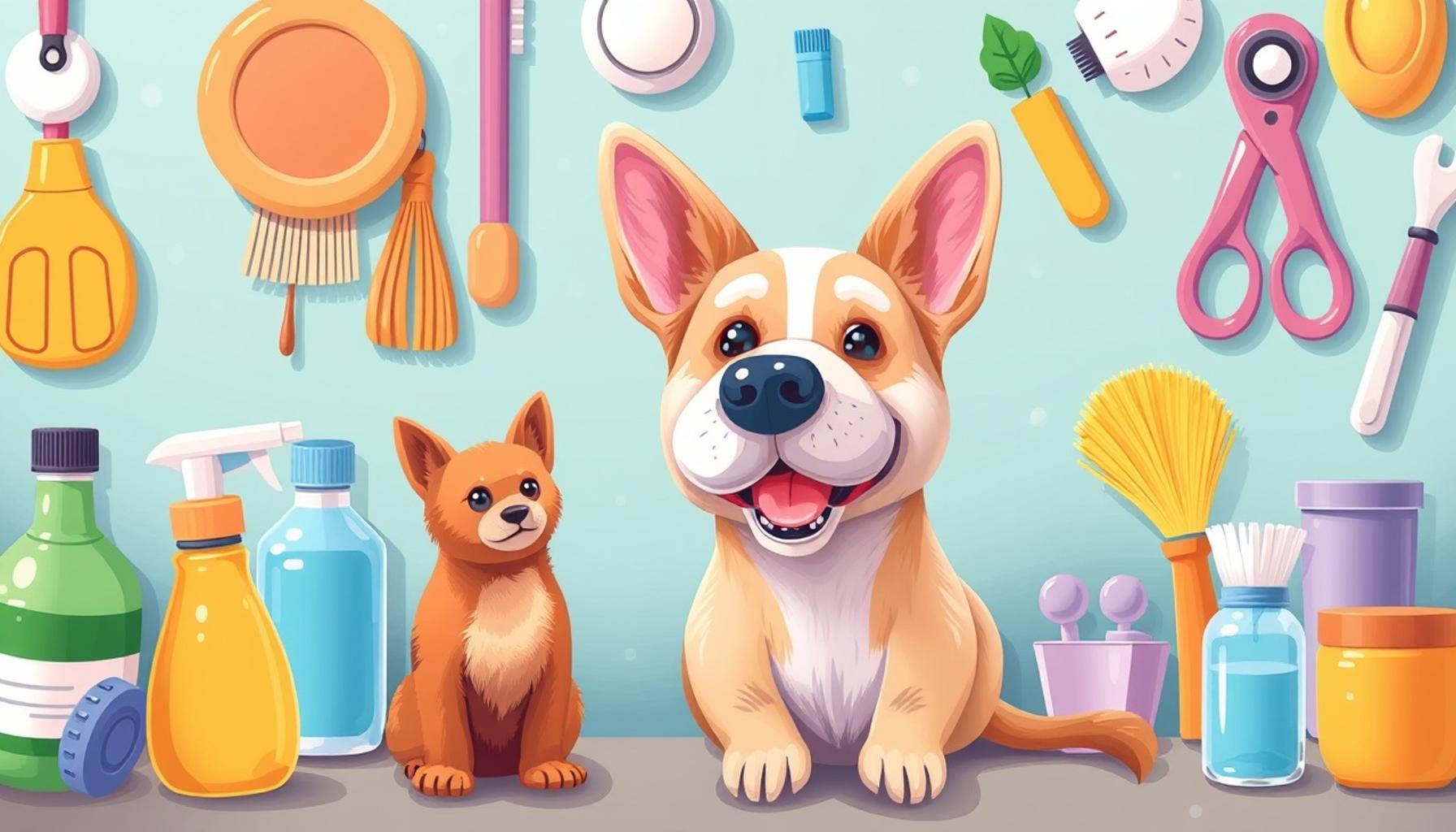
Equipping yourself with the right grooming tools will make your pet grooming experience more efficient and enjoyable. Below are some essentials that should be in every pet owner’s grooming kit:
- Brushes and Combs: Select a variety of brushes tailored for your pet’s coat type, ensuring that you address both maintenance and damage control effectively.
- Nail Clippers: Invest in a good-quality nail clipper for safe and effective trimming and avoid risking injury to your pet.
- Shampoos and Conditioners: Use pet-specific products that suit your pet’s skin sensitivities to promote a healthy coat without irritation.
- Ear Cleaning Solution: A vet-approved ear cleaner keeps your pet’s ears free from infection and buildup.
- Toothbrush and Toothpaste: Regular dental care aids in long-term health; start early and be consistent for the best results.
By utilizing the right tools and techniques, you can enhance not only your pet’s hygiene but also contribute significantly to their longevity and quality of life.
Conclusion
In conclusion, essential pet grooming tips are a cornerstone of ensuring your pet’s hygiene, health, and overall happiness. By incorporating a comprehensive grooming routine that includes bathing, brushing, nail care, and dental hygiene, you create a nurturing environment that not only promotes physical well-being but also strengthens your bond with your furry companion. The importance of using the right grooming tools cannot be overstated; quality brushes, clippers, and cleaning solutions tailored to your pet’s unique needs will make the grooming process smoother and more effective.
Additionally, regular grooming sessions allow for early detection of health issues, such as skin problems or dental disease, which can significantly impact your pet’s life if left unaddressed. Understanding specific grooming requirements based on your pet’s breed and lifestyle is vital. For example, long-haired pets may require more frequent brushing to avoid matting, while regular nail trims ensure comfort during play and exercise.
As a responsible pet owner, committing to these grooming practices showcases your love and dedication. Remember that each grooming session is not merely a chore, but an opportunity for you to connect with your pet, teaching them to trust you while also keeping them clean and healthy. For the best results, consider consulting your veterinarian or a professional groomer to personalize your grooming techniques and tools further. Ultimately, embracing these essential pet grooming tips will enhance the quality of life for your beloved pet and ensure they remain a cherished member of your family for years to come.