How to Create a Personal Learning Plan to Acquire New Skills
The Importance of a Personal Learning Plan
In today’s fast-paced world, the ability to acquire new skills is not just a luxury but a necessity. With technology evolving and job demands shifting, having a personal learning plan can set you apart in the competitive workforce. This guide will explore effective ways to design your roadmap for skill development.
Why is a personal learning plan essential? Here are some key reasons that underline its importance:
- Targeted Growth: A personal learning plan allows you to focus on skills that align with your career aspirations. For example, if you’re in the tech industry, identifying skills like programming in Python or mastering data analytics can lead to better job opportunities.
- Structured Learning: By creating a clear path, you can minimize the overwhelm that often accompanies learning. A structured approach breaks down complex subjects into manageable modules. If you wanted to learn about digital marketing, you could start with basic SEO principles, then progress to social media strategies, and finally specialize in paid advertising.
- Enhanced Motivation: Tracking your progress through milestones can significantly boost your motivation. Consider setting up a reward system for completing courses or landing a new project where you’ve applied your new skills. Celebrating small wins can make the learning process feel more gratifying.
Let’s delve into crucial steps for crafting a personalized approach to learning. Consider the following aspects:
- Identifying Skills: Reflect on what you wish to learn or improve. This might mean gathering feedback from peers or seeking advice from a mentor about gaps in your skill set.
- Setting Goals: It’s important to define both short-term and long-term objectives. Short-term goals, such as completing an online course within a month, can serve as stepping stones toward broader career aspirations like obtaining a certification or transitioning to a new job.
- Choosing Resources: The plethora of online courses, workshops, and mentorship opportunities can be overwhelming. Research platforms like Coursera, Udacity, or even local community colleges that offer relevant courses tailored to your needs. Don’t underestimate the value of joining professional associations or local meetups, which can provide networking opportunities while enhancing your learning experience.
By understanding how to create a personal learning plan, you empower yourself to navigate new challenges with confidence. This is more than simply a strategy; it’s a commitment to lifelong learning that can transform your career trajectory. Whether you’re looking to advance in your current role or pivot to a new field, a well-thought-out personal learning plan is your ticket to success. Join us as we unpack the essential components of your learning adventure and set the course for a brighter and more fulfilling career!
DON’T MISS: Click here to enhance your learning space
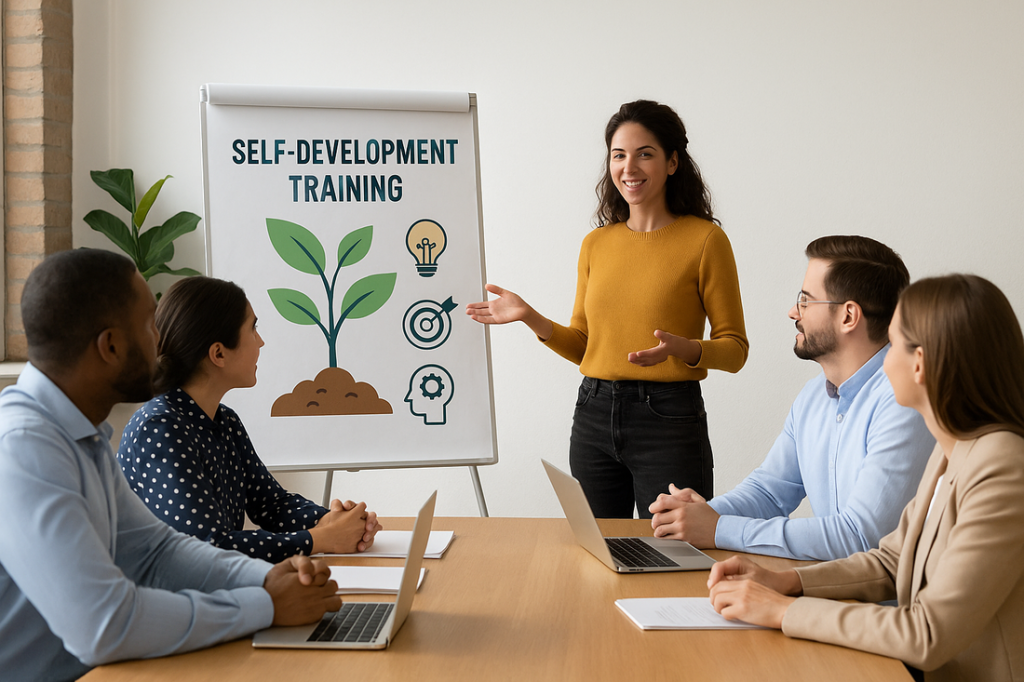
Crafting Your Personal Learning Plan
Creating a personal learning plan is less about rigid structure and more about tailoring your educational journey to fit your unique career aspirations and interests. To effectively develop your plan, it is crucial to begin with self-discovery and intention. Here are the fundamental aspects to consider:
1. Assessing Your Current Skill Set
The first step in formulating your personal learning plan is to conduct a comprehensive assessment of your current skills. This evaluation involves identifying your strengths, weaknesses, and the competencies that are most relevant in your field. A combination of self-reflection, peer feedback, and even online skill assessments can provide a clear picture of where you stand. Do you excel at analytical thinking but struggle with teamwork? Or perhaps you are proficient in technical skills but need to enhance your communication abilities? Understanding these nuances will enable you to identify which skills require improvement.
2. Setting SMART Goals
- Specific: Your goals should be clear and precise. Instead of stating, “I want to learn programming,” specify, “I want to learn Python to automate tasks at work.”
- Measurable: Quantify your goals so you can track your progress. Consider how you will measure your competency, such as completing a specific number of projects or achieving a certification.
- Achievable: While it’s essential to challenge yourself, ensure your goals are attainable based on your current resources and time constraints. Setting unachievable goals may lead to frustration.
- Relevant: Align your goals with your career objectives. For instance, if you aim to move into a management role, enhancing leadership skills should be a priority.
- Time-Bound: Set deadlines for your goals. This creates a sense of urgency. For example, “I aim to complete my web development course within three months.”
3. Identifying Learning Resources
Once you have outlined your skills and goals, it’s time to select the right resources for your learning journey. The digital age has made numerous learning platforms readily available, such as edX, LinkedIn Learning, and Skillshare. Each platform offers a variety of courses that cater to different learning styles, such as video lectures, interactive quizzes, and peer forums. Additionally, local community colleges often provide affordable classes that can supplement your online learning.
Don’t overlook the power of networking and mentorship. Engaging with professionals on platforms like LinkedIn or attending workshops can provide valuable insights and enhance your understanding of the subject matter. Remember, learning is as much about connecting with others as it is about the content.
Incorporating these elements into your personal learning plan will not only help you acquire new skills effectively but also enable you to remain adaptable in a rapidly changing job landscape. As you progress, you’ll find that this strategic approach not only fosters growth but also encourages resilience and innovation in your career.
| Advantages of a Personal Learning Plan | Description |
|---|---|
| Customized Learning Experience | A personal learning plan is tailored to individual needs, allowing learners to focus on skills that matter most to their personal and professional growth. |
| Structured Approach | It provides a clear roadmap, breaking down the learning process into manageable steps, thereby enhancing motivation and accountability. |
| Enhanced Skill Retention | With strategic planning, learners are more likely to retain information and apply skills successfully in real-world situations. |
| Ongoing Assessment | The plan allows for regular evaluations, helping users identify areas needing improvement and ensuring continuous progress towards their goals. |
When embarking on the journey of acquiring new skills, understanding how to create a personal learning plan is pivotal. This not only channels your efforts but also aligns your learning with specific objectives. It’s essential to identify skills that are relevant and beneficial in today’s fast-paced environment, which is constantly evolving. By fostering a structured learning environment, individuals will find it easier to integrate new skills into their standards and daily practices, promoting lifelong learning and adaptability. Begin crafting your personal learning plan today, and witness the transformation in your skill acquisition journey.
DISCOVER MORE: Click here to learn about the value of celebrating small wins
Implementing Your Personal Learning Plan
After crafting the fundamental elements of your personal learning plan, the next step is to move from planning to action. Implementation is where the real learning begins, and it’s crucial to approach this stage with both dedication and flexibility.
4. Creating a Learning Schedule
One of the most effective ways to ensure the success of your personal learning plan is by establishing a consistent learning schedule. Allocating specific time slots for learning helps to instill discipline and make the learning process a priority. Depending on your commitments, you might choose to dedicate an hour each morning to online courses or reserve weekends for hands-on projects. The key is to find a rhythm that suits your lifestyle. By treating your learning schedule like an important appointment, you enhance your chances of sticking to it consistently.
5. Applying What You Learn
Knowledge without application can lead to stagnation. A significant aspect of any personal learning plan is integrating what you learn into real-world scenarios. For instance, if you are learning project management skills, consider leading a volunteer project or taking on additional responsibilities at your current job. Engaging in practical application not only solidifies your understanding but also showcases your new skills to potential employers. According to a survey by LinkedIn Learning, 94% of employees would stay at a company longer if it invested in their career development, indicating that applying new skills can enhance job stability.
6. Reflecting on Progress
Regular reflection is a vital component of effective learning. Set aside time to review your progress towards your goals. Are you moving towards your target of mastering Python? Are there external factors hindering your learning, or have you been able to effectively manage your time? Keeping a dedicated learning journal or using project management tools like Trello or Asana can help track your development and identify areas needing adjustment. By analyzing your progress regularly, you can maintain motivation and make informed adjustments to your personal learning plan.
7. Seeking Feedback
Feedback is invaluable in the learning process. Connect with mentors, peers, or industry professionals who can offer insights into your performance and development. Utilize platforms like Slack or social networks like Reddit to solicit advice and critiques on projects you have undertaken. By incorporating constructive feedback, you can fine-tune your approach and enhance your skill set. A report by Harvard Business Review found that individuals who actively seek feedback are more likely to succeed, highlighting the importance of this practice.
8. Staying Motivated and Adaptable
The journey of acquiring new skills can be both exhilarating and challenging. Maintaining motivation is essential in navigating obstacles along the way. Celebrate small victories, whether completing a challenging module or successfully applying a new skill at work. Moreover, be open to adapting your personal learning plan based on evolving interests or market demands. The ability to pivot is crucial in today’s fast-paced learning environment. For instance, if you initially aimed to learn graphic design but discovered a passion for digital marketing, don’t hesitate to redirect your learning goals accordingly.
Implementing these strategies will not only aid in acquiring new skills but also promote continuous personal and professional development. By remaining proactive and engaged in your learning process, you’re better equipped to thrive in an increasingly dynamic job landscape.
DIVE DEEPER: Click here to enhance your learning journey
Conclusion
Creating a personal learning plan to acquire new skills is not just a strategic choice, but a transformative journey that can redefine your career trajectory. By recognizing your strengths and setting clear objectives, you lay a robust foundation for navigating the learning landscape. Establishing a structured learning schedule, applying your skills in real situations, and reflecting on your progress are essential elements that enhance effectiveness and motivation.
Moreover, actively seeking feedback provides an opportunity for growth, comprehensive understanding, and adaptation to the evolving demands of your chosen field. In a world where continuous learning has become synonymous with career success, being adaptable and open to change is crucial. As the job market evolves, your learning plan should be a dynamic tool that evolves alongside your interests and the skills in high demand.
In conclusion, a personal learning plan is more than just a checklist—it’s a roadmap to unlocking your potential and achieving your professional aspirations. Whether you’re looking to upskill, switch careers, or simply broaden your knowledge, the strategies outlined in this article serve as a guide to navigate the process. Seize the opportunity to invest in yourself, embrace lifelong learning, and position yourself for success in an ever-changing world.