How to Create a Safe and Stimulating Environment for Your Pet

Creating a Secure and Enriching Space for Your Pets
Ensuring a secure and enriching space for your furry friends is absolutely crucial for their overall well-being. When pets feel safe within their environment, they exhibit greater confidence, allowing them to thrive both physically and mentally. Crafting the perfect atmosphere for your pets requires thoughtful consideration of various elements that address their needs.
Assessing Your Living Space
Start by taking a closer look at your living space. This means evaluating several important factors that contribute to a pet-friendly environment:
- Safety Features: Begin by eliminating potential hazards around your home. For instance, remove toxic plants such as lilies, philodendrons, and sago palms, all of which are harmful to pets. Ensure that electrical cords are secured and out of reach, as curious pets may chew on them. Additionally, small objects like coins, batteries, and even hair ties can pose a choking hazard, so it is vital to keep these items out of reach.
- Comfort Zones: Consider creating distinct areas within your home where your pet can rest, play, and explore. A cozy bed in a quiet corner of your living room can serve as a designated rest area, while a room filled with natural light can be perfect for playful antics. These comfort zones help pets establish a sense of security and companionship.
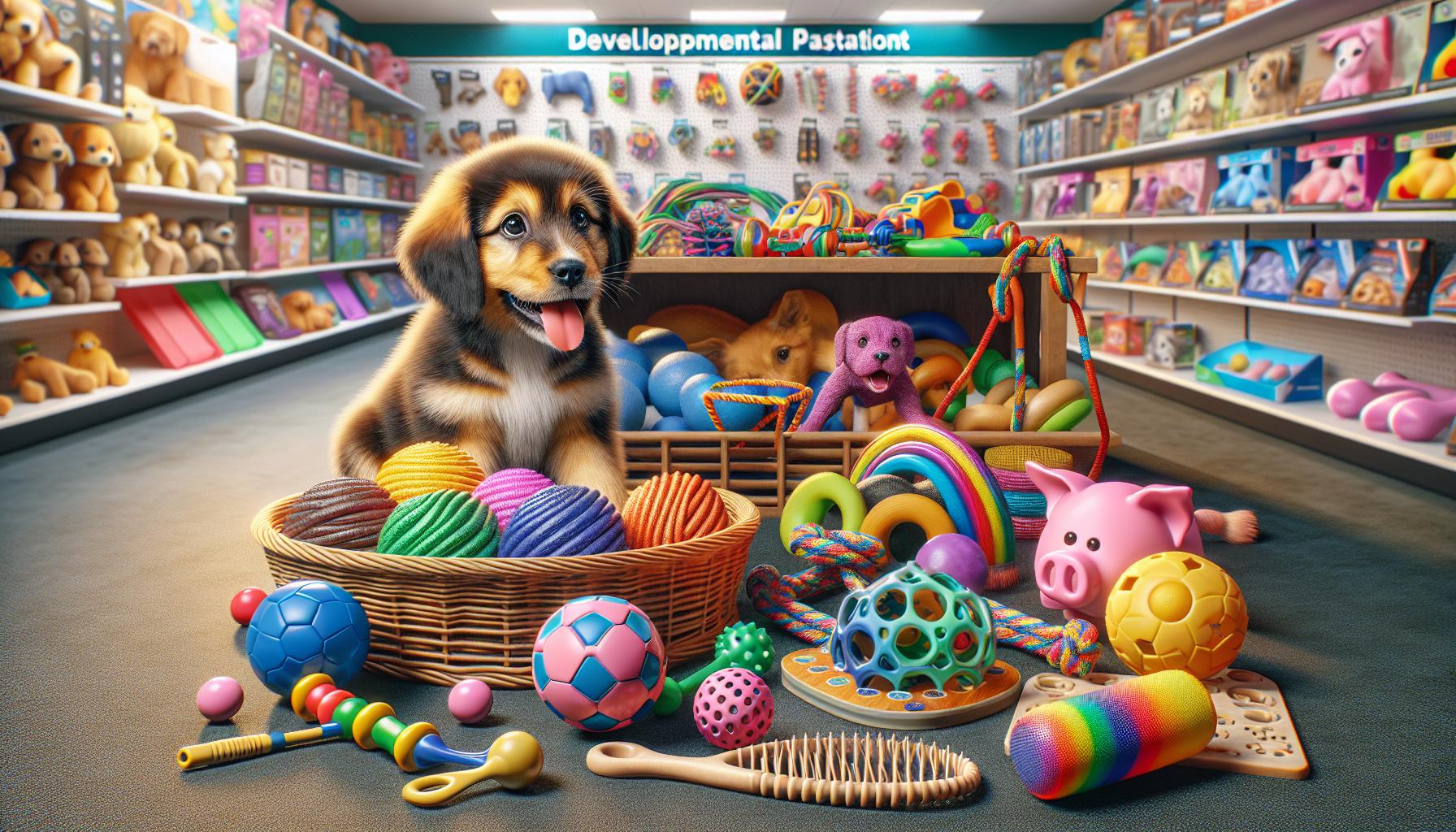
- Interactive Toys: Incorporate a variety of toys that cater to your pet’s specific interests and instincts. For dogs, toys like fetch balls, tug ropes, and chew bones can provide enjoyment, while cats may enjoy feather wands and laser pointers that engage their hunting instincts. Rotate these toys regularly to keep them fresh and stimulating.
The Importance of a Stimulating Environment
While safety is paramount, an enriching environment significantly contributes to your pet’s happiness and health. Engaging their senses in enjoyable ways will lead to several benefits:
- Physical Exercise: Encourage active play by incorporating daily walks, fetch sessions, or agility training into your pet’s routine. Regular physical activity is crucial for maintaining a healthy weight and preventing obesity-related issues.
- Mental Challenges: Puzzles, treat-dispensing toys, and basic obedience training can provide mental stimulation that wards off boredom. Consider interactive toys that dispense treats as your pet figures out how to operate them, providing both a challenge and a reward.
- Social Interaction: Create opportunities for socialization by scheduling playdates with other pets or engaging them in group training classes. These interactions can enhance their social skills while also strengthening the bond you share with them during playtime and training sessions.
In conclusion, taking the time to assess your living space and providing a safe, stimulating environment can greatly improve your pet’s quality of life. Engaging in these strategies not only elevates their happiness but also cultivates a stronger relationship between you and your beloved pet. Your efforts in providing an enriching atmosphere will ensure their well-being and a lifetime of joyful memories together.
DISCOVER MORE: Click here to learn about positive training techniques
Understanding Your Pet’s Needs
To create a truly safe and stimulating environment for your pet, it is essential to understand their unique needs. Different species, breeds, and even individual personalities will dictate what kind of environment best suits your furry companion. By delving into these needs, you can tailor an atmosphere that promotes both safety and engagement.
- Species Considerations: Begin by researching the specific requirements of your pet species. For example, dogs generally require more physical exercise and social interaction compared to cats, who may thrive in a quieter, more solitary space. Familiarizing yourself with the different needs of pets—be it rodents, birds, or reptiles—ensures you provide a suitable habitat that respects their natural instincts.
- Breed Characteristics: Within species, certain breeds may have distinctive traits that influence their environment. For instance, energetic breeds like Border Collies need ample room for exploration and vigorous activities, while smaller, more sedentary breeds might be content with a cozy nook in your home. Understanding your pet’s breed can help in effectively mapping out your space.
- Individual Personality: Just like humans, animals have unique personalities. Some pets are naturally curious and adventurous, while others may be shy and require a more peaceful setting. Observing your pet’s behavior can guide you in creating an environment that aligns with their comfort level. Pay attention to their preferences; do they gravitate toward climbing structures or prefer hiding spaces? Their habits can reveal a lot about their desires.
Designing a Safe Space
Once you have a better idea of your pet’s specific needs, you can begin to design a safe space that reflects and respects those needs. Here are some considerations to keep in mind:
- Secure Area Designation: If you have multiple pets or children, consider designating specific areas where your pet can retreat to feel safe. Utilizing gates to section off zones can prevent unwanted disturbances, especially when your pet is in rest or play mode.
- Adjustable Décor: Use furniture and décor that can withstand wear and tear from your pet’s activities. Opt for scratch-resistant materials or slipcovers that can easily be washed to handle accidents or messes. Providing durable options ensures your pet won’t feel restricted while allowing them the freedom to explore.
- Safe Outlets for Exploration: If your pet enjoys outdoor time, ensure your yard is securely fenced and devoid of harmful materials or plants. Supervised outdoor play can provide wonderful benefits, including exposure to new sights and sounds that enhance their senses. Conversely, indoor pets can benefit from window perches or cat trees that allow safe observation of outdoor activities.
By taking the time to understand your pet’s individual needs and designing a safe environment, you’ll lay the foundation for a harmonious living situation. With safety as a priority, you can then integrate enrichment activities that stimulate their minds and foster a joyful home. The ensuing relationship you create with your furry friend will be built on trust and comfort, setting the stage for years of companionship and adventure together.
| Category | Key Features |
|---|---|
| Safe Spaces | Creating designated areas that are free from hazards like toxic plants, choking hazards, and sharp objects ensures that your pet feels secure and protected. |
| Mental Stimulation | Puzzle toys and interactive games can significantly elevate your pet’s mood and sharpen their cognitive abilities, reducing boredom and promoting a healthier lifestyle. |
| Physical Environment | Natural lighting and fresh air play crucial roles in ensuring a lively and invigorating space that encourages playfulness and exploration. |
| Comfort Zones | Cozy bedding and safe retreats allow pets to unwind and recharge, creating a balance between activity and rest in their daily routine. |
Creating a safe and stimulating environment for your pet is essential for their well-being and happiness. Incorporating elements such as safe spaces, mental stimulation, a conducive physical environment, and comfort zones can yield long-lasting benefits for your furry friend. By reading further, you can discover specific methods to implement these features effectively, ensuring that every corner of your pet’s world is designed with their safety and enjoyment in mind.
DON’T MISS: Click here for essential travel tips for your pet
Enhancing Mental and Physical Stimulation
Creating a safe environment for your pet is just the beginning; enhancing their mental and physical stimulation is equally important in promoting overall well-being. Engaging your pet in activities that challenge their minds while allowing for physical activity can lead to a more fulfilling life. Here are some effective strategies to incorporate:
- Interactive Toys: Invest in a variety of interactive toys tailored to your pet’s species and personality. Puzzle feeders, for instance, can keep dogs and cats entertained for hours as they work to extract treats. For smaller animals like hamsters or guinea pigs, consider toys that encourage natural behaviors such as chewing or burrowing, promoting a healthy outlet for energy and curiosity.
- Training Sessions: Regular training sessions not only help build obedience but also strengthen the bond you share with your pet. Incorporate fun and unique tricks during training—such as agility exercises for dogs—which stimulate both their mind and body. Additionally, positive reinforcement with treats or praise enhances their motivation and engagement.
- Socialization Opportunities: Encourage interactions with other pets and people. Take your dog to a local dog park where they can socialize with other dogs, or arrange playdates with friends who have pets. For cats, consider creating a multi-pet household, ensuring you introduce new pets slowly to establish comfort and harmony. Positive social experiences can reduce anxiety and promote behavioral wellness.
Environmental Enrichment
To ensure your pet remains engaged and stimulated within their surroundings, environmental enrichment plays a vital role. By modifying your pet’s living environment in calculated ways, you can provide endless opportunities for exploration and play:
- Variety of Spaces: Create multi-dimensional living spaces by introducing shelves, climbing trees, or hiding spots. For cats, vertical spaces for climbing can mimic their natural habitat, allowing them to exercise and explore while also providing safe perches for observation. Dogs might enjoy having different zones throughout your home, such as a cozy area for rest and another for playful activities.
- Natural Elements: Incorporate elements from nature into your pet’s environment. For reptiles or small mammals, having live plants or soft substrates can mimic their natural habitats. If you have dogs and cats, consider using safe indoor plants that enhance air quality, but also make sure to avoid toxic varieties. Always check the ASPCA’s list of toxic and non-toxic plants to keep your furry friends safe.
- Change the Scenery: While a stable environment is essential, rotating toys and arrangements regularly can keep things fresh and exciting. Introducing new scents or textures by changing bedding materials or adding sensory toys can provide new experiences for your pet. Additionally, occasional outdoor trips or new walking routes can rekindle their sense of adventure.
Monitoring and Adapting
It’s crucial to remain observant and be ready to adapt your approaches as your pet grows older or their preferences change. Regularly evaluate their reactions to various forms of engagement and stimulation. Are they losing interest in certain toys? Do they seem less active? Addressing these shifts by refreshing their environment, updating their toys, or changing play routines can ensure they always have enriching experiences. By fostering an adaptable environment, you celebrate and nurture your pet’s individuality, leading to a rewarding companionship.
Combining safety with stimulating activities creates an enriching atmosphere that not only enhances your pet’s quality of life but also strengthens your bond with them. Embrace the journey of discovery and well-being for your furry companion as you explore these exciting approaches together.
DIVE DEEPER: Click here to uncover inspiring stories
Conclusion
Creating a safe and stimulating environment for your pet is a multifaceted endeavor that significantly contributes to their overall happiness and well-being. By focusing on safety first, you can design a space that minimizes hazards and encourages exploration. This lays the groundwork for more active engagement through mental and physical stimulation, which is crucial for a fulfilled pet life.
Implementing strategies such as enriching their environment with interactive toys, conducting regular training sessions, and fostering socialization opportunities can enhance both their cognitive and physical development. Similarly, adapting your pet’s habitat to include natural elements and rotating play items not only keeps their environment exciting but also caters to their natural instincts.
Additionally, it’s essential to remain observant and ready to make adjustments as your pet ages or their preferences evolve. Regularly evaluating their engagement levels can guide you in making informed changes, ensuring they continue to have a vibrant and enriching experience. This ongoing journey not only strengthens your bond but also celebrates the unique personality and needs of your furry companion.
Ultimately, the effort you put into creating a safe and stimulating environment will pave the way for a happy, healthy, and engaged pet. As you implement these strategies, remember that every pet is a unique individual deserving of tailored attention and care. Dive into the adventure of discovery and enrichment—your pet will thank you for it!