How to Train Cats to Use the Litter Box: Tips and Tricks
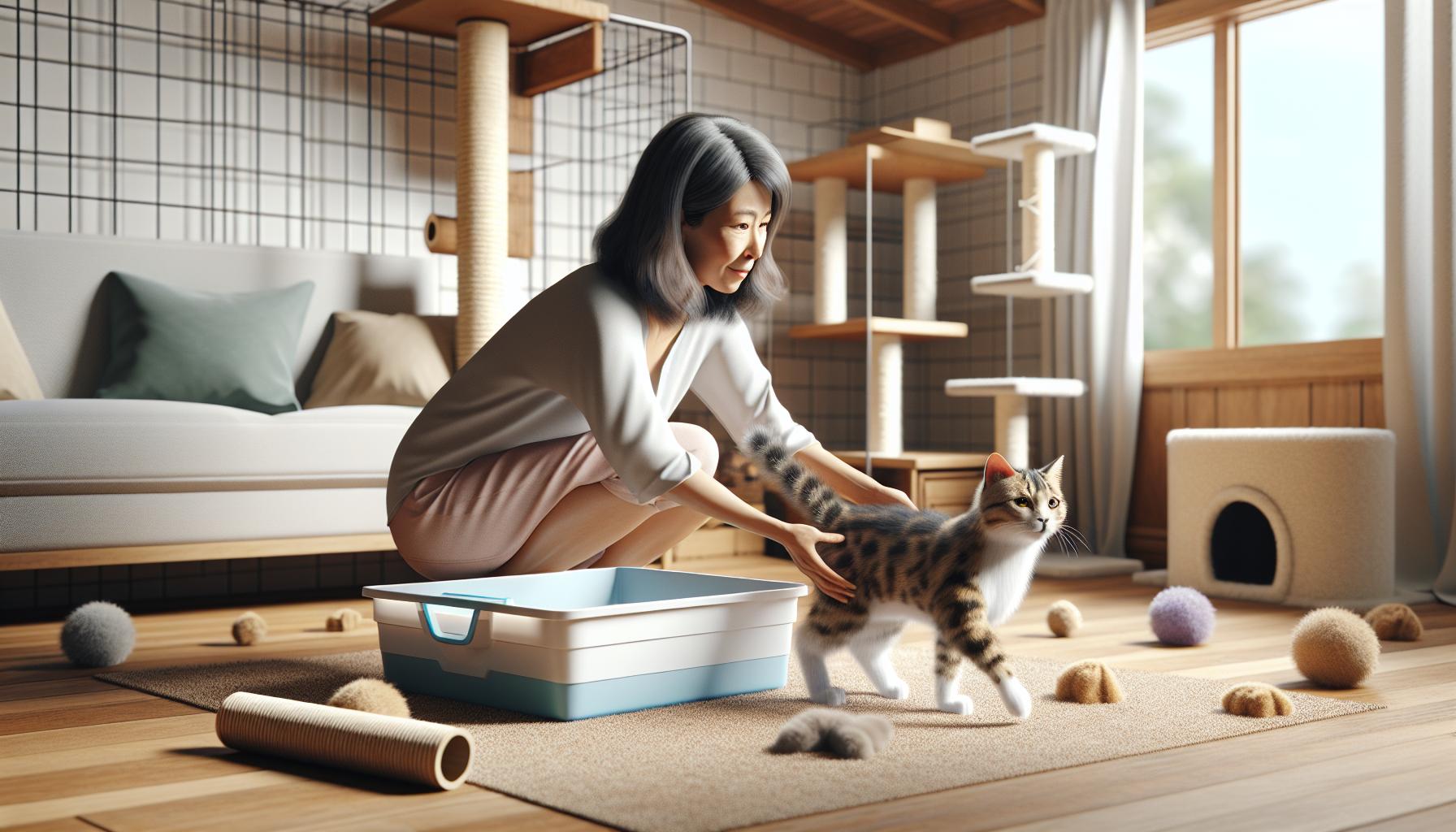
The Essentials of Litter Box Training for Cats
Training your cat to use the litter box is a fundamental aspect of cat ownership, shaping a harmonious environment for both the pet and its humans. While it may seem intimidating, especially for first-time cat parents, understanding the essentials can streamline the experience, making it an easier venture for all involved. With a blend of patience and strategic tactics, you can ensure your feline friend takes to their new bathroom routine with grace.
Key Factors for Successful Litter Box Training
Several elements play a pivotal role in successful litter box training. These include:
- Location: The placement of the litter box is critical. It should be tucked away in a quiet, private area where your cat can feel secure, yet easily accessible. Avoid high-traffic zones or spaces with loud noises that might intimidate your cat when they need to relieve themselves.
- Type of litter: Cats can be quite particular about their litter. Experimenting with different materials—such as clumping clay, crystal, or natural options made of recycled paper or corn—can help you identify your cat’s preference. For instance, many cats lean towards unscented litter since strong fragrances can deter them from using the box.
- Positive reinforcement: Cats thrive on praise and rewards. After your cat uses the litter box correctly, offer them a treat or affection to build a positive association with the behavior. This encouragement can significantly enhance their willingness to use the litter box consistently.
Understanding Your Cat’s Behavior
Every cat has its own set of quirks and behavioral traits. Monitoring your cat closely will help you become attuned to their needs. Signs such as scratching at the floor, sniffing around, or appearing restless can indicate they need to use the litter box. Moreover, the size and style of the litter box matter—a spacious box is typically more inviting than a cramped or covered one, especially for larger breeds.
Potential Challenges to Watch For
While many cats instinctively know how to use a litter box, several barriers can hinder their success and comfort:
- A dirty or poorly maintained litter box can discourage use. Ensure that the box is scooped daily and cleaned with soap and water weekly to keep it appealing.
- Changes in household dynamics—such as moving, new pets, or significant alterations in routine—can stress your cat and impact their litter box habits. Providing a stable environment after such changes can help them adjust.
- Underlying health issues, like urinary tract infections or other medical concerns, can also cause changes in litter box behavior. If your cat is suddenly avoiding the litter box, a visit to the veterinarian is advisable.
Conclusion
Equipped with the right strategies and an understanding of your cat’s distinct behaviors, litter box training can lead to a well-adjusted feline companion and a happy home. By considering the above factors and remaining patient, you can create a successful litter box experience that meets both you and your cat’s needs. Explore further on reliable pet care websites or consult with veterinarians to deepen your knowledge about feline behavior and training techniques. The journey to a fully trained cat is just beginning, and your efforts will undoubtedly pay off in the years to come.
DISCOVER MORE: Click here to find the perfect toy for your pet
Creating the Perfect Litter Box Environment
When it comes to litter box training, creating the ideal environment is essential for your cat’s comfort and success. To kick off this important training process, consider these foundational elements:
Choosing the Right Litter Box
The litter box itself can significantly affect your cat’s training experience. Observing your cat’s natural tendencies can guide you in selecting the appropriate style and size:
- Size and Depth: A box that is spacious enough for your cat to move around is crucial. For larger breeds like Maine Coons, look for extra-large boxes. Additionally, high-sided boxes may be beneficial for cats that tend to dig.
- Style: Covered litter boxes can offer privacy, but they might intimidate some cats. If you notice hesitance, consider using an uncovered box or look for a box with an easy-access entry. Cats often prefer the freedom to see their surroundings while attending to their business.
- Material: Many boxes are made of plastic, which is durable, but some newer options come with odor-controlling features. Traditional plastic bins can be effective, as long as they can be easily cleaned on a regular basis.
Selecting the Best Litter
Just as important as the box itself is the litter you choose. Cats are notoriously finicky about their bathroom choices, so engaging with your feline about their preferences may pay off. Here are a few options to explore:
- Clumping Clay Litter: This is a popular choice due to its ease of cleanup. It forms solid clumps when wet, making scooping a breeze.
- Natural and Biodegradable Options: Choices like those made from corn, wheat, or recycled materials can be more eco-friendly and are often less likely to irritate your cat’s nose.
- Crystal Litter: Made from silica gel, this option absorbs moisture while minimizing odors and does not clump. Some cats may prefer it due to its texture and low dust.
Establishing a Routine
Consistency is key in litter box training. Cats thrive on routine, so establishing a regular feeding schedule can help you predict when your cat will need to use the box. By monitoring their bathroom habits, you can guide them to the litter box following mealtimes or after they wake up from naps. Timing is everything—be patient and watch for cues!
Utilizing these strategies not only sets your cat up for success but also helps foster good litter box habits from an early age. Remember, every cat is unique; what works for one may not work for another. Adjusting your approach based on your cat’s behavior and preferences will significantly contribute to successful litter box training. So, prepare to invest time and observation—it’s a rewarding journey towards a clean and happy home.
Training your cat to use the litter box can initially seem like a daunting task, but with the right strategies and an understanding of felines, it can be a smooth process. One crucial tip is to choose the right litter box. This means considering the size and style that best fits your cat’s preferences. Kittens and smaller breeds might require a box with lower sides, while larger cats will benefit from bigger, more spacious options. You can also explore various litter types, as some cats may prefer clumping clay litter, while others might lean towards organic or crystal alternatives. Knowing your cat’s personality is key to making the right choice.
Another valuable tactic involves establishing a consistent routine. Cats thrive on routine, so placing the litter box in a designated area and maintaining a regular cleaning schedule will help reassure your feline friend. This includes scooping out waste daily and changing the litter weekly to ensure cleanliness, as cats are naturally drawn to tidy environments. Moreover, rewarding your cat for using the litter box with treats or praise reinforces positive behavior, making the training more effective.
To further aid your training efforts, be aware that some common mistakes can hinder progress. For instance, punishing your cat for accidents will often lead to stress and confusion, making the training process more difficult. Instead, focus on understanding their needs and addressing any litter box aversion with patience. Creating a calm space for them and minimizing stressors in the household is essential for success.
| Tip Category | Relevant Details |
|---|---|
| Litter Box Type | Choose the right size and style for your cat. |
| Routine Establishment | Maintain a consistent schedule for cleaning and training. |
Understanding your cat’s needs and preferences is essential for successful litter box training. Each cat is unique, and recognizing their individual traits can make a significant difference in the process. By following these tips, you will create a more positive training environment, ensuring both you and your cat find contentment in this vital routine. With time and patience, your feline friend will learn to embrace their new bathroom habits, making for a happier household.
DISCOVER MORE: Click here to learn about the importance of socialization for your pets
Introducing Your Cat to the Litter Box
Once you’ve set up the perfect litter box environment, the next step is to guide your cat towards using it consistently. This phase can be crucial, especially for kittens or newly adopted cats who may be unfamiliar with the setup. Here are some effective tips and tricks to help ease your cat into litter box training:
Location, Location, Location
The placement of the litter box can greatly impact its usage. Ideally, you want to choose a quiet location that offers some privacy but is also easily accessible. Consider the following:
- Quiet Corners: Cats prefer a secure and calm spot away from high traffic areas. Avoid placing the litter box near their food and water bowls to maintain hygiene and comfort.
- Avoiding Obstacles: Ensure the litter box is easily accessible, especially for older cats or those with disabilities. A box placed in a tight space or behind furniture may render it unusable.
- Multiple Boxes: If you have multiple cats, a good guideline is to have one litter box per cat, plus one extra. This helps minimize territorial disputes and encourages consistent use.
Positive Reinforcement
Successfully training your cat to use the litter box relies not only on proper setup but also on effective communication. Positive reinforcement is paramount in encouraging desired behaviors:
- Rewards: When your cat uses the litter box correctly, provide immediate praise and treats. Positive affirmation helps reinforce the behavior, making them more likely to repeat it.
- Avoid Punishment: Instead of scolding for accidents, focus on cleaning up thoroughly to remove any odors that may attract them back to the wrong spot. Cats respond best to encouragement rather than negativity.
Monitoring and Adjusting
Being observant of your cat’s preferences and habits will inform necessary adjustments as your training progresses. Here’s what to watch for:
- Behavior Patterns: Take note of when your cat tends to eliminate; this may help you predict when they need to use the box. Look out for signs like sniffing, scratching the floor, or excessive pacing.
- Box Maintenance: Cats are fastidious creatures. Make sure to scoop the litter box daily and change the litter weekly. An unclean litter box can lead to your cat refusing to use it, which may result in accidents elsewhere.
- Health Indicators: If your cat suddenly stops using the litter box or displays signs of distress while eliminating, it may be a sign of a health issue. In such cases, consulting a veterinarian is advisable.
With patience and consistency, your cat will gradually learn to use the litter box with confidence. By paying attention to their behaviors, preferences, and environment, you can foster a successful and lasting litter box habit. Each interaction during this process serves as an opportunity to strengthen the bond between you and your feline companion.
DISCOVER MORE: Click here to find the perfect toy for your pet
Conclusion
Training your cat to use the litter box is a pivotal step for any pet owner, but it doesn’t have to be a daunting task. By focusing on the aspects of location, positive reinforcement, and consistent monitoring, you can create an environment that encourages your feline friend to embrace this essential habit. Remember, the journey begins with understanding your cat’s preferences and needs. Each cat is unique; thus, what works for one may not work for another.
To maintain a smooth transition, consider employing tips such as providing multiple boxes for households with more than one cat, engaging in regular cleaning practices, and establishing a calm space that alleviates any potential stress your pet may experience during the training. By being observant and flexible, you can adapt your approach to suit your cat’s behavior and signals.
Moreover, recognizing the importance of patience and gentle encouragement will ultimately foster a positive experience for both you and your cat. This bonding experience not only improves your cat’s hygiene habits but strengthens your relationship through trust and cooperation. As you continue on this rewarding journey, take care to educate yourself further on feline behavior to better understand and support your pet’s needs. The payoff— a litter-trained cat that feels safe in their environment and a satisfied owner— is well worth the effort.