How to Train Your Cat to Use the Litter Box: Tips and Tricks
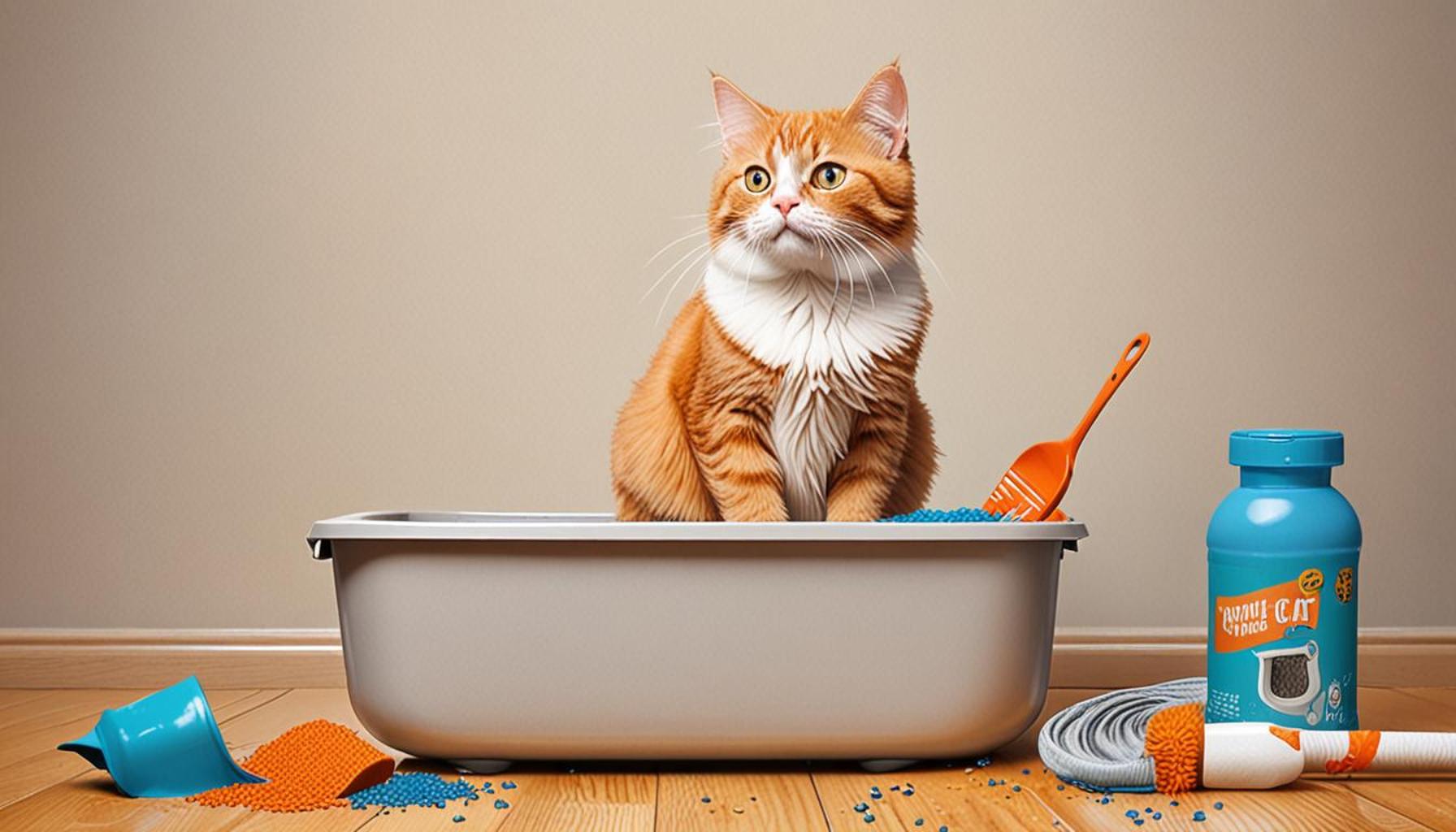
Understanding Feline Behavior
Bringing home a new cat isn’t just about finding a cute companion; it’s also about entering a fascinating world of feline behavior and instincts. One of the first hurdles for new cat owners is often the litter box training process. Although it might seem daunting at first, understanding your cat’s behavior and needs can lead to a smooth and positive experience. Let’s delve deeper into the aspects that can make this process more manageable.
Age Matters
The age of your cat significantly impacts their adaptability to litter box training. Kittens, generally under six months of age, possess an innate tendency to bury their waste, making them much easier to train compared to older cats. They are naturally curious and tend to explore their surroundings more readily, which can include discovering their litter box with little encouragement. In contrast, adult cats might have already formed habits that are harder to change, especially if they were not properly trained in their previous environments.
Choosing the Right Litter
Not all litters are created equal, and finding the one your cat prefers can require some trial and error. The options range from clay litters to biodegradable alternatives made from corn or pine. Some cats may prefer clumping litter, while others might shy away from any litter with a strong fragrance. To facilitate the adjustment, observe your cat’s preferences and try various options. You can even place small samples next to each other to note which they gravitate towards.
Location of the Box
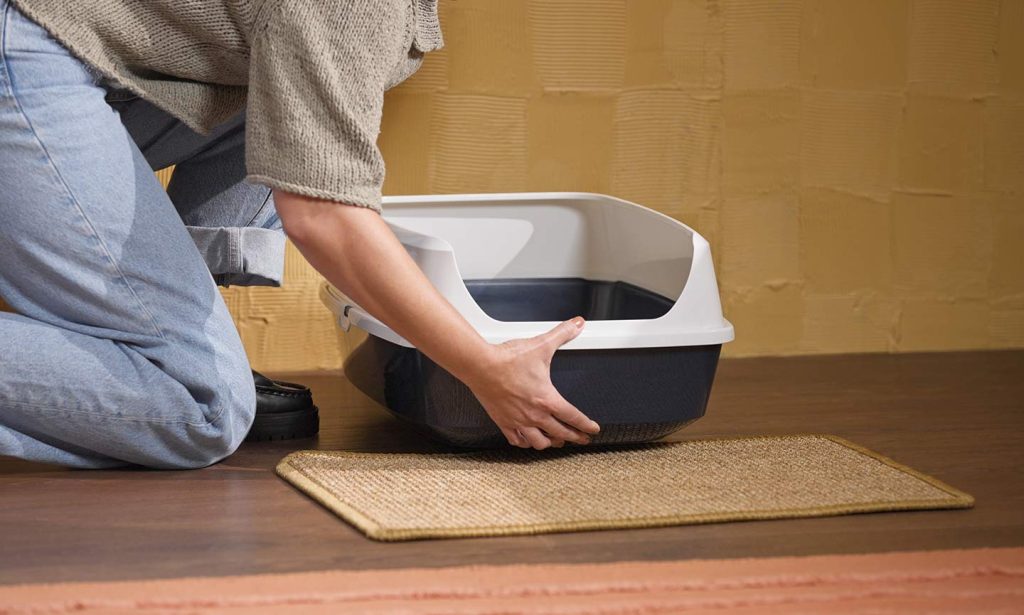
The placement of the litter box is another critical factor in ensuring its successful use. Cats are very particular about their bathroom habits, and they prefer a quiet, secluded spot that feels safe. Avoid placing the litter box near their food and water bowls, as this can deter them from using it. Finding a calm corner, away from barking dogs or loud household activity, can significantly influence your cat’s willingness to use the litter box.
Patience and Positive Reinforcement
Training your feline friend requires a fair bit of patience and consistency. Cats thrive on routine, so establishing a regular schedule for litter box usage can encourage them to recognize it as the right place to go. When they do use the box, immediate positive reinforcement—such as treats, verbal praise, or affectionate petting—can help them associate good behavior with rewards. This technique can be particularly effective in shaping their habits over time.
Remember, each cat is unique and what works for one cat might not resonate with another. Pay attention to their individual quirks and behaviors, as understanding these can lead to discovering more effective methods tailored to your pet. As we continue, we will explore additional strategies and insights that will help ensure your cat not only uses the litter box, but does so confidently and happily.
DISCOVER MORE: Click here for essential tips on preventive cat care
The Importance of Consistency
When it comes to litter box training, consistency is vital. Cats thrive on routines and familiar patterns, which can significantly influence their behavior. Establishing a reliable schedule will help your feline friend understand when and where they should go. For instance, try placing your cat in the litter box after meals or naps, as these are moments when they may feel the urge to relieve themselves. Over time, they’ll begin to associate the box with bathroom breaks, making them more likely to use it independently.
Monitoring Your Cat’s Behavior
Understanding your cat’s behavior is just as important as setting up their environment for success. Pay attention to their body language and habits. Here are some key signs that indicate they may need to use the litter box:
- Restlessness or pacing
- Meowing or vocalizing more than usual
- Scratching or digging at the floor
- Hiding or seeking solitary places
If you notice these behaviors, gently guide them to the litter box, allowing them the opportunity to relieve themselves in the designated area. The more you observe and respond to your cat’s needs, the more comfortable they will become with using the box.
Maintaining Cleanliness
An important factor that can’t be overstated is the cleanliness of the litter box itself. Cats are naturally clean animals and often refuse to use a dirty box. Here are some maintenance tips to keep the litter box inviting:
- Clean the litter box daily by removing clumps and waste.
- Change the litter completely at least once a week, depending on the amount used.
- Wash the box with mild soap and water regularly to eliminate odors.
- Consider using a liner to simplify clean-up.
By ensuring that their bathroom area is clean and odor-free, you significantly increase the likelihood that your cat will embrace the litter box. Worrying about cleanliness and odor can even lead cats to seek alternative (and often undesirable) places to relieve themselves.
Gradual Introduction to the Box
Finally, introducing your cat to the litter box should be a gradual process. If your kitten is new to the box, place them gently in it and give them some time to explore. Adult cats may require more encouragement. Try placing treats or toys near or in the box so that the area feels more inviting. This can help build a positive association with the box. If your cat seems hesitant, don’t force them. Allow them to approach the litter box at their own pace.
As you focus on fostering a comfortable space and routine for your cat, remember that patience and understanding are key components of successful training. It’s an investment in your cat’s well-being and happiness, creating a harmonious environment for both of you. In the next section, we’ll discuss how to tackle potential challenges—such as stress-related avoidance and litter box aversion—ensuring that your training approach is as effective as possible.
Once you’ve set the stage for your cat’s litter box training, it’s essential to create a consistent routine that will help them adapt more quickly. Establishing a schedule is crucial in helping your feline friend understand when and where to go. This can involve feeding your cat at the same times each day, as cats usually feel the need to eliminate shortly after eating.
Another key factor is the choice of litter and box. It’s important to choose a litter that is appealing to your cat—some cats prefer clumping litter, while others might favor the non-clumping variety. Additionally, ensure the litter box is large enough for your cat to move comfortably. A general rule of thumb is to have one litter box per cat, plus one extra, to avoid territorial disputes.
You should also consider the location of the litter box. Place it in a quiet, low-traffic area where your cat can feel safe and undisturbed. Avoid locations near their food and water bowls, as most cats prefer to keep their eating and elimination environments separate.
As your cat starts to adjust, it’s essential to reward them for using the litter box correctly. Positive reinforcement, such as treats, praise, or gentle pets, goes a long way. Make sure to do this immediately after they use the box to help them connect the action with the reward.
Moreover, be patient and observant. If your cat seems resistant to using the litter box, consider reviewing your approach. Sometimes, stress or changes in the household can affect their behavior. In such cases, consulting with a veterinarian can provide additional insights and help rule out health issues that may be influencing their elimination habits.
| Category | Description |
|---|---|
| Routine and Schedule | Establish regular feeding times to create predictable elimination habits. |
| Litter Type Selection | Offer a variety of litter options that match your cat’s preferences for comfort. |
| Location Matters | Find a quiet, accessible spot for the litter box away from food and water. |
| Positive Reinforcement | Use treats and praise to encourage your cat when they use the litter box correctly. |
DISCOVER MORE: Click here to learn about the importance of socialization for pets
Handling Common Challenges
Even with consistent efforts to train your cat to use the litter box, there can still be unexpected challenges along the way. Understanding and addressing these common issues can make a significant difference in your training success.
Stress-Related Avoidance
Cats are sensitive creatures, and changes in their environment can lead to stress-related avoidance of the litter box. This can happen during significant transitions, such as moving to a new home, the introduction of a new pet, or changes in the owner’s routine. To mitigate stress, create a secure and calming environment for your cat. This can include providing safe spaces where they can retreat and feel secure, using pheromone diffusers, and maintaining a regular feeding and play schedule. If your cat shows signs of anxiety, consider consulting a veterinarian for advice on how to manage their stress effectively.
Litter Box Aversion
Another challenge some cat owners face is litter box aversion, where the cat refuses to use the box entirely. This could stem from several factors, such as the type of litter being used, the box’s location, or even negative past experiences associated with the box. It’s essential to experiment with different types of litter—clumping, crystal, or natural options—and observe which one your cat prefers. Additionally, reconsider the location of the litter box; it should be placed in a quiet, low-traffic area that offers privacy.
- Ensure the box is not in the vicinity of loud appliances or frequent disturbances.
- Provide multiple litter boxes if you have multiple cats, as some cats prefer their own space.
Being mindful of these factors can significantly reduce litter box aversion and encourage successful use.
Consulting a Veterinarian
If your cat continues to resist using the litter box despite your best training efforts, it might be time to consult a veterinarian. Sometimes, underlying health issues can lead to changes in bathroom habits, such as urinary tract infections or gastrointestinal problems. Your vet can perform necessary examinations and recommend treatment options to ensure your cat’s physical health is in check. Early intervention can often resolve issues and prevent them from turning into more significant behavioral problems.
Adapting to Individual Preferences
Each cat is unique, and adapting to their individual preferences is vital in successful litter box training. Take note of your cat’s routine and any specific likes or dislikes. Some cats prefer deeper litter, while others might favor a shallower layer. Observe their habits and be willing to adjust as necessary, whether that involves modifying the litter type, box size, or even the cleaning frequency.
By remaining attuned to your cat’s behavior and preferences, not only can you solve any training challenges that arise but also create a more harmonious shared space. Through a mixture of consistency, understanding, and adaptability, you can help your feline friend feel comfortable and confident in using their litter box.
LEARN MORE: Click here for effective puppy training techniques
Conclusion: A Successful Litter Box Training Journey
Training your cat to use the litter box is an essential aspect of pet ownership that fosters a clean and harmonious environment in your home. With patience, consistency, and understanding, you can successfully navigate the challenges that may arise during the training process. Remember to be observant of your cat’s unique behaviors and preferences, as this attention to detail will guide your strategies and adjustments.
Moreover, creating a stress-free environment is vital for your cat’s well-being and willingness to use their litter box. Implementing calming techniques and ensuring their surroundings feel secure will make a significant difference. Don’t shy away from experimenting with different types of litter and box placements—you might just discover what works best for your furry friend.
If the training process becomes particularly challenging or if you suspect underlying health issues may be at play, seeking professional advice from a veterinarian is always wise. Their insights can help clear up any physical concerns that may contribute to litter box avoidance.
In conclusion, controlling the nuances of litter box training requires a balance of effort, empathy, and responsiveness to your cat’s needs. By embracing this heartfelt journey, you’ll provide your pet with a reliable restroom and deepen the bond you share. Remember, a happy and satisfied cat leads to a happier home, allowing you to enjoy many joyful moments together.