Impact of Climate Change on Pet Health

Understanding the Consequences for Our Furry Friends
As climate change continues to alter the environment, the impact on pet health is becoming increasingly evident. Pets are not just furry companions; they are family members who depend on us for their well-being. Recognizing how changing weather patterns and rising temperatures can affect them is crucial. For instance, pet owners in warmer regions must remain particularly vigilant, as pets can be sensitive to shifts in temperature, humidity, and overall environmental conditions.
Heat-related Illnesses
One of the most pressing concerns stemming from rising temperatures is the increase in heat-related illnesses among pets. Conditions such as heatstroke can occur rapidly, particularly in breeds with flat faces like bulldogs and pugs, which are more prone to respiratory issues. According to veterinarians, pets can begin to show signs of heat distress after only 10-15 minutes of exposure to high temperatures. Symptoms may include excessive panting, drooling, and lethargy. In severe cases, pet owners may witness seizures or collapse. Therefore, it’s essential to prioritize keeping pets hydrated and cool, especially during peak heat hours.
Allergies and Respiratory Issues
Another aspect of this environmental shift is the increase in allergies and respiratory issues among pets. With climate change influencing pollen seasons, many pets are experiencing heightened allergy reactions. The American College of Allergy, Asthma, and Immunology suggests that the increase in carbon dioxide levels, a consequence of climate change, is causing plants to produce more pollen. This is concerning for pets, as conditions like allergic dermatitis can lead to persistent itching and discomfort. Pet owners might notice their furry friends scratching more often or developing ear infections due to allergies, leading to costly vet visits.
Parasites and Diseases
The warming climate can also result in the expansion of habitats for fleas, ticks, and other parasites. A warmer climate allows these pests to thrive for more extended periods, potentially increasing cases of diseases such as Lyme disease and Ehrlichiosis. For example, according to the Centers for Disease Control and Prevention, the geographic distribution of Lyme disease has spread to new regions of the United States, largely due to the rising temperatures that allow ticks to inhabit areas that were previously too cold.
Moreover, pets are susceptible to shifts in their habitats and diets as climate patterns evolve. Natural disasters, like hurricanes and wildfires, pose additional threats to their safety and health. These events not only displace pets but can also result in food shortages or access to clean water, which are vital for their overall well-being. Keeping pets safe amidst these unprecedented challenges requires vigilance and proactive care.
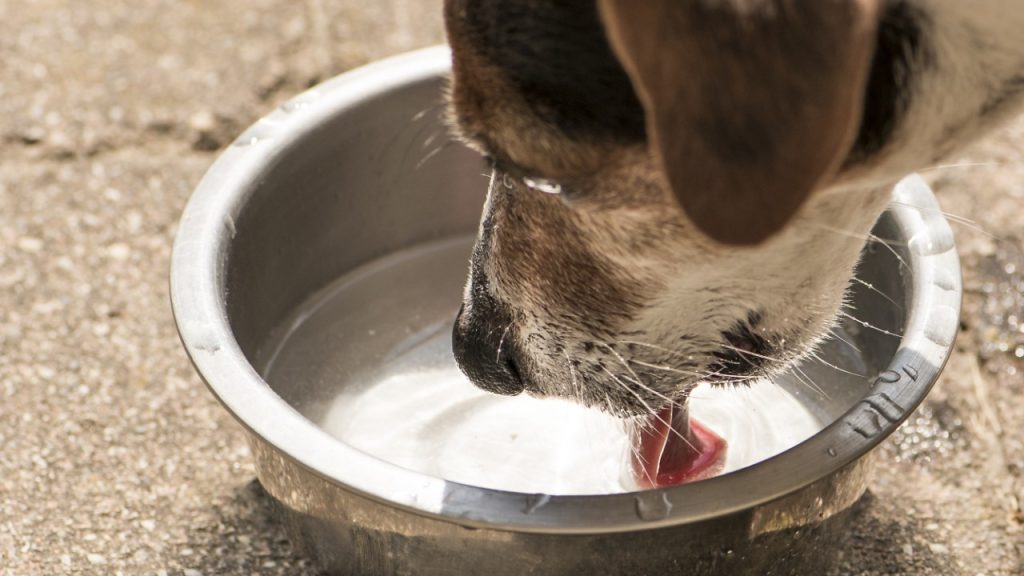
As we delve deeper into the impact of climate change on pet health, it’s essential to identify preventative measures. By understanding the risks and how they manifest, pet owners can take actionable steps to protect their beloved animals. For instance, scheduling regular vet check-ups, staying updated on vaccinations, and using preventive flea and tick treatments are critical. Additionally, creating a disaster preparedness plan that includes pets can help mitigate the risks associated with climate-related events. Learn more about how climate change is reshaping the health landscape for pets and what you can do to help.
DISCOVER MORE: Click here for insights on pet nutrition
Health Risks on the Horizon: Navigating Climate Challenges for Pets
The far-reaching effects of climate change are impacting ecosystems, wildlife, and, fundamentally, our domestic pets. As temperatures rise and weather patterns become increasingly erratic, it is imperative for pet owners to understand the impact of climate change on their pets’ health. Pets, like humans, can experience severe health challenges as their environment shifts. From heat-related issues to infectious diseases, awareness and proactive measures are critical for safeguarding their well-being.
Heat Stress and Overheating: A Hidden Danger
One of the immediate dangers posed by escalating climate temperatures is heat stress. Pets, especially those with thick fur coats, short muzzles, or respiratory issues, are highly susceptible to overheating. A study conducted by the Veterinary Medical Association revealed that heat-related illnesses account for thousands of emergency veterinary visits each summer. Even during moderate temperature days, if humidity levels are high, it can lead to perilous situations. Pet owners should be attentive to the following signs of heat distress:
- Excessive panting and drooling
- Rapid heart rate
- Weakness or lethargy
- Vomiting or diarrhea
- Confusion or loss of consciousness
To counteract these dangers, owners can implement strategies such as providing ample shade, encouraging hydration, and avoiding strenuous activities during the hottest parts of the day.
The Allergic Conundrum: Pollen and Environmental Stressors
Alongside heat-related issues, environmental changes driven by climate change are significantly amplifying allergic reactions in pets. As seasons become longer and more erratic, plants produce pollen in greater quantities and for extended periods. This increase leads to a rise in allergic reactions among pets, characterized by:
- Itchy, inflamed skin
- Ear infections
- Mild to severe respiratory distress
Veterinary dermatologists note that the average annual incidence of allergic dermatitis in pets has seen an uptick, paralleling the timelines of climate change implications. For instance, cities across the United States, including Chicago and Atlanta, have reported extended pollen seasons, directly correlating with climate variability. Regular veterinary check-ups during peak allergy seasons and appropriate treatments can help alleviate symptoms and keep pets comfortable.
Rising Threats: Parasites and Vector-borne Diseases
The warming climate does not just affect allergies and heat but also paves the way for increased populations of parasites like fleas and ticks. These pests thrive in warmer temperatures and can carry diseases that severely impact pet health. Conditions such as Lyme disease and heartworm disease are becoming more prevalent in areas previously considered safe. A recent report by the CDC highlighted that the range of tick populations in the United States has expanded, moving into regions that traditionally experience colder climates.
This rise in parasitic threats is critical for pet owners, who must remain vigilant in preventing infestations and staying informed about local outbreaks. Utilizing preventive flea and tick medications and discussing vaccination options with a veterinarian can significantly reduce risks.
As we further explore the multifaceted impact of climate change on pet health, understanding these emerging challenges equips pet owners to make informed decisions. From heat management to proactive medical care, there are many avenues through which we can ensure the health and safety of our beloved companions.
| Category | Key Features |
|---|---|
| Increased Allergies | Warmer temperatures can lead to prolonged pollen seasons, heightening the risk of allergies in pets. |
| Heat-Related Illnesses | Rising temperatures can cause dehydration, heatstroke, and other heat-related conditions, particularly in brachycephalic breeds. |
As the climate continues to shift, it becomes crucial to understand how these changes alter the health landscape of our pets. The rise in temperatures, for instance, corresponds with an alarming increase in allergies among dogs and cats, as warmer seasons extend pollen duration and types, exposing pets to new allergens. Locations previously unburdened by these conditions are experiencing their own pollen influx, which can trigger immediate health issues if not monitored closely.Additionally, increasing global temperatures are contributing to a surge in heat-related illnesses. Pets, especially thick-furred and flat-faced breeds, may face deadly consequences without adequate shade and hydration. It is paramount for pet owners to stay vigilant; small adjustments to schedules, like limiting exercise to cooler times of the day, can help mitigate these risks. By proactively managing our pets’ environments, we can ensure they lead healthy lives even amid escalating climate challenges.
LEARN MORE: Click here for expert tips
Emerging Illnesses: The Impact of Climate Change on Pet Health
As global warming reshapes our weather and landscape, the emergence of new illnesses is posing additional risks to our pets that pet owners must recognize. The shifting climate is not only altering the habitat of existing pathogens but is also allowing for new diseases to take root. Understanding these risks is crucial in preparing for the health implications they might have on our furry companions.
Fungal Infections: The Unseen Threat
One alarming consequence of a warmer climate is the rise in fungal infections, which can be a significant threat to pets. As humidity increases, fungi thrive, particularly in regions where pets frequently explore the outdoors. For instance, blastomycosis, a potentially severe fungal infection, emerges from soil that has been disturbed. Pets can contract this infection through inhalation or by walking on contaminated soil.
Symptoms of fungal infections can range from respiratory distress to severe systemic issues, making early detection vital. Vets are observing a greater incidence of these infections in areas where they were once rare. Pet owners in regions like the Midwest must be especially vigilant, as this area has seen a notable uptick in such cases. Regular veterinary check-ups and prompt treatment of any concerning symptoms can mitigate these risks.
Waterborne Illnesses: The Dangers Lurking Beneath
With climate change leading to intense rainfall and flooding, waterborne diseases have become a new frontier for pet health. Contaminated water sources, resulting from runoff that carries pollutants and pathogens, heighten the risk of pets contracting illnesses like Leptospirosis. This bacterial disease can have severe effects on a pet’s kidneys and liver and is commonly found in stagnant water.
As pet owners plan activities near lakes or rivers, they should be aware of local advisories on water quality and potential outbreaks. Additionally, routine vaccinations can provide a significant layer of protection against such diseases, allowing pets to enjoy the outdoors with minimized risk.
Psychological Well-being: Climate-Related Stressors
It is not only physiological health that is at stake; the effects of climate change also extend to the psychological well-being of pets. Sudden changes in weather can cause anxiety in animals, from severe storms to extreme temperatures. Pets often rely on their environments for stability, and when their surroundings become erratic, it can lead to behavioral issues.
Increased incidents of anxiety and fear-related behavior, such as excessive barking or destructive tendencies, have been acknowledged by trainers and veterinarians alike. Pet owners can help alleviate these conditions by creating secure and calming environments, sticking to a consistent daily routine, and seeking behavioral support when necessary.
Rising Vet Care Costs: An Economic Impact
Moreover, the implications of climate change extend beyond health risks to pet owners’ wallets. The increase in heat-related illnesses, vector-borne diseases, and fungal infections may lead to higher veterinarian costs as owners seek prompt medical care. Studies suggest that veterinary expenses have risen substantially in recent years, in part due to the increased prevalence of these climate-related issues.
As these costs continue to climb, pet owners must prepare financially for their pets’ health needs, including preventive care and regular check-ups. Furthermore, investing in pet insurance can provide relief from the financial burden associated with unexpected health issues that arise due to climate change.
In concluding this segment on the impact of climate change on pet health, it is clear that a proactive approach is needed. By recognizing the various health risks posed by our changing environment, pet owners can better equip themselves to protect their beloved companions from the emerging threats that accompany climate change.
LEARN MORE: Click here for insights on pet obesity
Conclusion: Addressing the Challenges of a Changing Climate on Pet Health
The impact of climate change on pet health is a multifaceted issue that warrants our immediate attention. As we witness shifting weather patterns, rising temperatures, and increased incidences of disease, our furry companions are facing unprecedented risks to their health and well-being. From the alarming rise of fungal infections due to greater humidity to heightened exposure to waterborne illnesses from contaminated sources, pets are becoming increasingly vulnerable.
Moreover, the stressors triggered by changing climates can have profound effects on the psychological well-being of our pets, leading to behavioral challenges that require our understanding and intervention. As pet owners, it’s crucial to stay informed about these emerging health threats and their implications. Regular veterinary check-ups, vaccinations, and attentiveness to environmental changes can mitigate many of these risks.
Finally, the rising costs associated with veterinary care, driven in part by climate-induced health issues, call for a financial preparedness strategy. Investing in pet insurance and budget planning for regular veterinary visits ensures that we can address our pets’ health needs effectively. As stewards of our pets’ lives, it is our responsibility to confront these challenges head-on, fostering both awareness and action in the face of climate change. By doing so, we not only protect our pets but also contribute to a healthier future for all living beings.