Incorporating Play: Techniques to Make Skill Practice Enjoyable and Engaging
Understanding the Power of Play in Skill Development
Embracing a playful approach to learning can vastly change the landscape of skill development. When individuals engage with their studies or practice in a playful framework, they unlock a powerful conduit for creativity and engagement. This principle is evident across various domains, from education to professional training, where the amalgamation of fun and learning catalyzes significant personal advancement.
The Art of Gamification
Gamification is a potent strategy in educational environments, transforming mundane tasks into exciting challenges. By incorporating elements such as leaderboards, badges, and point systems, learners are motivated by a sense of achievement. For example, language learning platforms like Duolingo use these techniques to encourage users to complete lessons by providing rewards for streaks and milestones. The friendly competition often leads to increased retention and a consistent desire to engage with the material.
Engaging Through Hands-On Activities
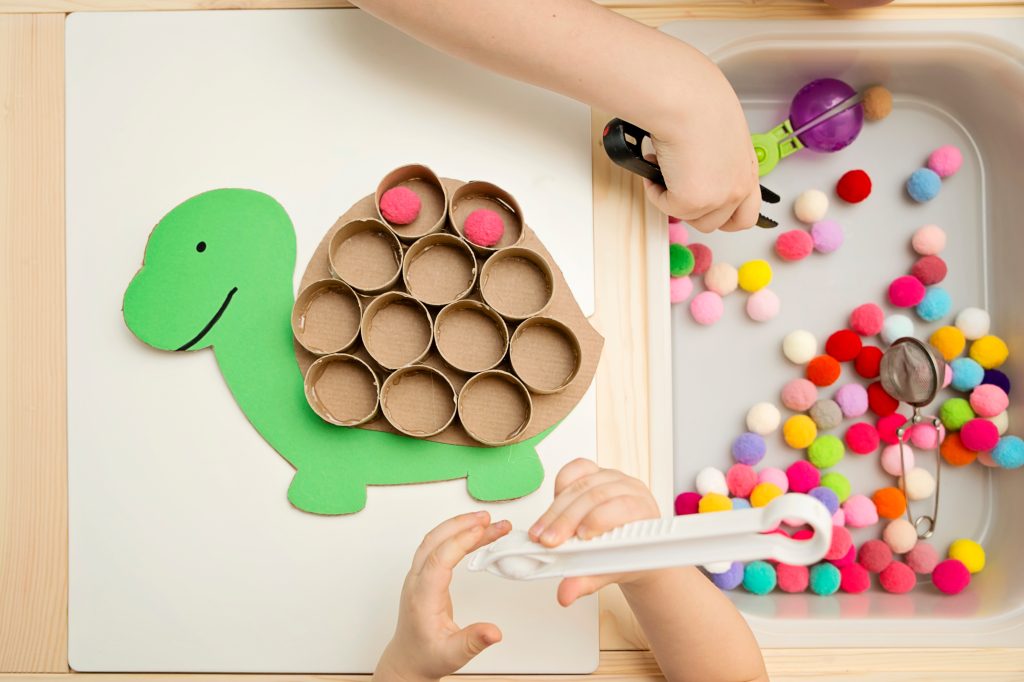
Hands-on activities offer learners immediate engagement by allowing them to explore concepts in a tactile manner. In STEM education, project-based learning—such as building a model or conducting experiments—enforces real-world connections. A notable instance is the growing popularity of makerspaces, where individuals can invent and create using new technologies like 3D printing. Such interactive learning environments not only solidify skills but also nurture creativity and problem-solving abilities.
The Value of Collaborative Learning
Collaborative learning emphasizes the social aspect of education, where teamwork fosters both interpersonal skills and deepens subject comprehension. Group projects, study groups, and peer tutoring sessions allow participants to learn from each other’s strengths. In professional settings, team-building workshops often incorporate playful elements, such as escape room challenges, which enhance communication and trust among colleagues. Thus, collective efforts become a source of fun, while simultaneously reinforcing necessary skills within various disciplines.
The Broader Impacts of Incorporating Play
The impact of incorporating play extends beyond childhood, significantly benefiting adults in diverse settings including sports, arts, and workplace training. Sport psychology illustrates that playful practice can improve performance under pressure by reducing anxiety, making individuals more adept during competitions. In music, playful improvisation allows musicians to express themselves while honing their skills in a relaxed environment, ultimately enhancing their artistic capabilities.
Incorporating play into routine practice not only elevates satisfaction but also conditions a mindset geared towards lifelong learning. This dynamic approach compels both young and old to embrace challenges, strive for improvements, and innovate within their respective fields. As you explore these methodologies, consider how they can transform traditional frameworks into vibrant learning ecosystems that promote growth, engagement, and enjoyment.
DISCOVER MORE: Click here for valuable insights
Strategies for Infusing Play into Skill Practice
When it comes to incorporating play into skill practice, there are myriad strategies that educators, trainers, and practitioners can adopt. By creating an environment where play and learning coexist, participants are more likely to embrace new challenges and expand their capabilities. Let’s explore some effective techniques that can make skill practice not only enjoyable but also deeply impactful.
Role Playing for Real-World Application
Role playing is an engaging method that invites learners to step into different personas and explore scenarios that mirror real-life situations. This technique can be particularly effective in fields such as business, healthcare, and counseling. For instance, medical students often engage in role-playing exercises to practice patient interactions, allowing them to develop communication skills and empathy without the pressure of actual patient care. Similarly, sales professionals can role-play techniques to sharpen their pitch and customer interaction skills by simulating various buyer profiles. This method not only enhances skill acquisition but also cultivates critical thinking and adaptability.
Interactive Workshops and Sessions
Interactive workshops represent a dynamic avenue to engage participants through guided activities. Unlike traditional lecture formats, these workshops emphasize participation and collaboration, which tend to increase motivation and retention. For example, coding boot camps often mix instructional time with hands-on projects, where participants build applications in teams, fostering a spirit of innovation and shared learning. Workshops can take many forms, including:
- Hands-on demonstrations that encourage immediate application of skills.
- Group discussions and brainstorming sessions that inspire creativity.
- Gamified challenges, such as hackathons, that propel participants to solve problems under time constraints.
This participatory approach not only enriches skill development but also generates a sense of community, creating a supportive learning atmosphere.
Mindfulness and Play
Mindfulness practices can also be integrated into skill practice to enhance the overall experience. Techniques such as meditation or mindful breathwork can be fused with learning activities to promote focus and reduce burnout. For example, artists can engage in mindfulness exercises before diving into creative sessions to clear their minds, fostering a more playful and imaginative state. Research shows that incorporating mindfulness can lead to increased resilience and openness to new ideas—key components in any skill development journey.
As we continue to explore the multitude of ways to intertwine play with skill practice, it becomes increasingly clear that these strategies hold the key to unlocking greater levels of creativity, engagement, and long-term success. By embracing play as a fundamental aspect of learning, we pave the way for a richer, more meaningful development process that resonates across various fields and disciplines.
| Advantage | Description |
|---|---|
| Enhanced Motivation | Incorporating play elements fosters a sense of excitement and curiosity, driving individuals to engage more actively with learning materials. |
| Improved Retention | Activities that integrate play can lead to better memory retention, as the brain remembers emotions and enjoyable experiences more vividly. |
Incorporating play into skill practice isn’t just about creating a fun environment; it’s about tapping into intrinsic motivations that can revolutionize the learning process. The strategies used in these techniques aren’t merely whimsical; they hold profound implications for skill development. For instance, when individuals are greeted with gamified tasks, their level of commitment and focus increases, leading to a continuous cycle of practice and improvement.Additionally, the communal aspect of play can build a sense of community among participants, encouraging collaboration and collective problem-solving. As learners engage in playful competition or cooperative challenges, they not only deepen their knowledge but also enhance their interpersonal skills. Exploring these engaging techniques further reveals numerous possibilities tailored to various learning styles, paving the way for customizable experiences. Engaging with these principles can truly reshape the landscape of skill acquisition.
DISCOVER MORE: Click here for insights on varied practice techniques
Game-Based Learning: Merging Fun with Skill Development
Game-based learning is revolutionizing the way we approach skill acquisition by integrating gaming elements into educational practices. This approach engages participants through competition, teamwork, and problem-solving challenges, creating an environment where learning becomes synonymous with fun. Research indicates that game-based learning can significantly improve retention rates, with studies showing that learners can retain up to 90% of the material when they are actively engaged in gameplay. For instance, platforms like Kahoot! or Quizizz allow educators to transform traditional quizzes into interactive games, making the assessment process both enjoyable and effective.
In professional settings, industries are adopting serious games—designed with a focus on learning outcomes. For example, training simulations in the aviation sector allow pilots to navigate complex scenarios without real-world consequences, honing their skills in critical decision-making and crisis management. The use of badges and leaderboards in these simulations fosters competition and motivates participants to strive for excellence while acquiring essential skills.
Creative Storytelling as a Learning Tool
Creative storytelling serves as another dynamic technique to enhance skill practice. By leveraging narratives to contextualize learning material, participants can connect with content on a personal level, leading to deeper understanding and retention. This method is particularly effective in fields such as marketing and education, where understanding the audience is essential. For example, marketing professionals may craft brand stories that resonate with target demographics, helping them develop skills in emotional engagement and persuasive communication.
Workshops focusing on storytelling encourage participants to share their experiences, sparking creativity and collaboration. In these settings, learners can work in groups to construct story narratives that illustrate their mastery of specific skills or concepts. This collaborative process not only fosters skill development but also builds a safe space for sharing ideas and feedback.
Peer Learning Through Collaborative Play
Peer learning frameworks emphasize collaboration among participants, where individuals come together to practice skills and share insights. This approach is particularly beneficial in diverse settings, where varied perspectives enhance understanding. For example, language learners often benefit from practicing conversational skills with peers, as they can engage in role plays, games, or informal conversations, thus applying their learning in real-time situations.
- Workshops that focus on group-based activities can lead to peer feedback sessions, fostering a cycle of continuous improvement.
- Platforms like PeerWise encourage collaborative learning by allowing users to create and evaluate exam questions, integrating peer assessment into the learning process.
This sense of community not only makes skill practice more engaging but also instills a supportive learning atmosphere where challenges can be navigated collectively.
Incorporating these engaging techniques into skill practice establishes an enriching environment that enhances mastery and retention, promoting lifelong learning. By blending play with educational approaches, we unlock countless avenues for creativity and exploration, leading to truly transformative experiences across all fields.
DISCOVER MORE: Click here to learn about self-directed learning
Conclusion: The Future of Skill Development through Play
In summary, the integration of playful techniques into skill practice represents a paradigm shift in how we approach learning. The use of game-based learning, creative storytelling, and peer collaboration not only engenders a lively and engaging atmosphere but also promotes effective retention and application of knowledge. As research encourages adopting these innovative methods, it becomes clear that the joy of play can coexist with serious learning, enriching both personal and professional development.
For educators and trainers, embracing these techniques provides the opportunity to tap into diverse learning styles and adapt to the needs of various audiences. By leveraging technology and creative narratives, we pave the way for more relatable and accessible learning experiences. Consider how implementing gamified assessments or collaborative storytelling can be incorporated into your curriculum or training sessions, ultimately leading to increased engagement and effectiveness.
Furthermore, as organizations and institutions continue to foster environments where lifelong learning is valued, the importance of community and peer support cannot be overstated. Peer learning and engagement through collaborative play can dismantle barriers, allowing for a more thorough exploration of concepts while reinforcing collective mastery. As we delve deeper into the intersection of play and learning, we unlock a future rich with possibilities, making the journey toward skill acquisition not just beneficial but also incredibly enjoyable.
As we navigate this evolving landscape, let us advocate for an educational ethos that invites play into skill practice, redefining what it means to learn and grow in today’s dynamic world.