Leveraging Social Media: Techniques for Finding Communities and Resources to Support Self-Learning
Unlocking the Power of Social Media for Self-Learning
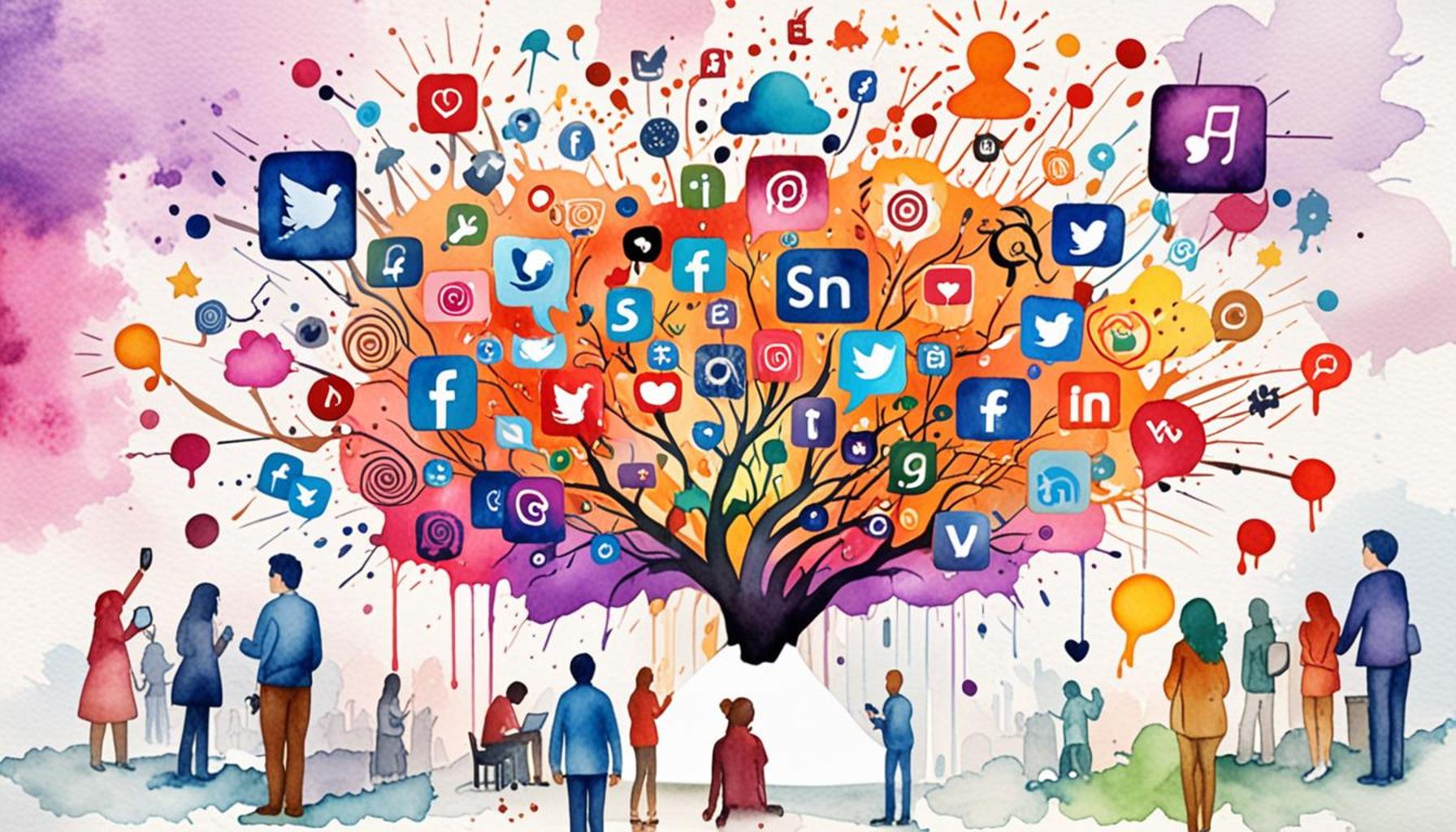
In today’s digital age, the quest for knowledge is just a click away. Social media platforms have emerged as vital tools in discovering communities and resources that can enhance self-learning. With millions of users sharing insights, it’s easier than ever to find the right connections to support your educational journey. These digital landscapes offer unique opportunities to engage, interact, and learn in ways that traditional methods may not easily provide.
Are you looking to expand your skills or explore new interests? Consider leveraging social media through:
- Specialized Groups: Platforms like Facebook and LinkedIn host groups focused on niche interests. For instance, if you are interested in graphic design, you can join groups such as “Designers Unite” or “Graphic Design Inspiration.” These communities often share tutorials, critiques of designs, and tips on software tools like Adobe Photoshop or Illustrator, enabling you to improve your skills effectively.
- Learning Communities: Join Reddit forums or Discord servers where information flows freely. Subreddits like r/learnprogramming or r/askscience provide active discussion involving everything from coding advice to scientific queries. Similarly, Discord servers dedicated to various subjects such as coding, language learning, or art can provide real-time assistance and resources, often connecting you directly with experts in the field.
- Resource Sharing: Utilize platforms like Twitter and Instagram to follow educators and thought leaders. Many educators and professionals share their insights through threads on Twitter or visually engaging content on Instagram. For example, following accounts like @Edutopia or @BreneBrown can expose you to diverse learning strategies, motivational tips, and the latest research findings in education and personal growth.
These communities not only provide a wealth of knowledge but also foster a collaborative spirit. Engaging with like-minded individuals can lead to invaluable discussions and practical advice, making your self-learning experience richer and more interactive. Participating in Twitter chats or contributing to Facebook groups can also enhance your networking opportunities, possibly leading to mentorships or collaborations that could further your learning goals.
Social media is not just a way to connect; it’s a gateway to resources that can propel your learning. Exploring these platforms opens up vast avenues for continuous personal and professional development. By actively participating and utilizing these resources, you can create a personalized educational experience that adapts to your interests and needs. With dedication and engagement, the infinite knowledge available through social media platforms can indeed be a powerful ally in your self-learning journey.
DISCOVER MORE: Click here to learn about effective learning techniques
Finding Your Niche: Connecting with Like-Minded Learners
As the saying goes, “Your network is your net worth.” In the realm of self-learning, this could not be more accurate. Social media platforms provide unparalleled access to diverse communities that cater to a myriad of interests and academic pursuits. To truly benefit from these connections, it’s crucial to understand the techniques that can help you identify and engage with the right groups that resonate with your learning goals.
While diving into the vast ocean of social media, consider these strategies to find your niche:
- Utilize Hashtags: A simple search using relevant hashtags on platforms like Twitter and Instagram can surface a wealth of content. For instance, hashtags such as #SelfLearning, #OnlineEducation, or #LifelongLearning can lead you to educators sharing resources, personal experiences, and innovative learning strategies. Engaging with these hashtags not only helps you follow topics of interest but also connects you with individuals who share a passion for knowledge.
- Engage in Conversations: Social media is inherently social, and engagement is key to forming connections. Replying to tweets, commenting on posts, or joining live discussions can significantly enrich your learning experience. For example, platforms like Clubhouse host discussions where experts and learners alike share insights on various topics, allowing you to ask questions and learn in real-time.
- Follow Thought Leaders: Identifying and following thought leaders in your specific area of interest can provide a steady stream of curated content. Thought leaders often share valuable resources, articles, and insights that can enhance your understanding. For instance, if you are interested in the tech industry, following influencers like @SimonSinek or @naval can keep you informed about trends and resources that might otherwise go unnoticed.
Delving deeper into these strategies not only enriches your learning journey but also establishes a network of support. Engaging authentically with others allows you to learn from their experiences, which may lead to discovering valuable resources or finding collaborative opportunities that push your skills further.
Moreover, these interactions cultivate a sense of community and belonging. As you connect with individuals who share your enthusiasm for continuous learning, you may find motivation in their stories and experiences. Discussing challenges and triumphs can spark inspiration and ultimately lead to personal growth.
In addition, participating in social media challenges or campaigns related to your learning goals can be a fun and engaging way to connect with others while holding yourself accountable. These initiatives often encourage sharing progress, tips, and insights, enriching the overall learning experience.
In essence, leveraging social media for self-learning is about more than just passive consumption of information. By actively engaging with communities and seeking out the right connections, you will not only gain knowledge but also foster relationships that can enhance your journey towards becoming a more informed and capable individual.
Leveraging Social Media: Techniques for Finding Communities and Resources to Support Self-Learning
In today’s digital world, social media has become a pivotal tool for enhancing self-learning experiences. The vast online networks provide access to a myriad of communities that cater to diverse learning needs and interests. By understanding how to effectively navigate these platforms, learners can uncover valuable resources and forge connections that can significantly enrich their educational journeys.
One of the core techniques for leveraging social media is identifying specific groups aligned with your learning objectives. For example, platforms like Facebook and LinkedIn host groups that focus on various subjects ranging from coding to creative writing. Engaging with these communities allows individuals to share knowledge, ask questions, and gain insights from peers and industry experts. Not only does this foster learning through collaboration, but it also cultivates a sense of belonging that can motivate continuous exploration.
An additional approach involves utilizing hashtags and keyword searches on platforms like Twitter and Instagram. By following relevant hashtags such as #learnonthego or #selfimprovement, users can discover posts, tutorials, and discussions tailored to their interests. This method not only helps in locating educational content but also enables learners to stay updated with the latest trends and methodologies in their fields.
Furthermore, many educators and influencers actively share curated resources through social media channels. By following their accounts, learners can gain access to workshops, webinars, and exclusive materials designed to enhance their understanding. Engaging with these resources allows for a more structured approach to self-education, providing pathways to effective learning strategies and tools.
| Category 1 | Category 2 |
|---|---|
| Learning Communities | Avenues for peer interaction and support. |
| Resource Sharing | Access to curated materials and advice from experts. |
Additionally, video-based platforms such as YouTube and TikTok have become hubs for self-learning, with countless creators sharing educational content that breaks down complex subjects into digestible segments. This visual medium caters to diverse learning styles and offers instant engagement, making it easier for learners to grasp new concepts. By subscribing to channels that resonate with their goals, individuals can cultivate a personalized learning experience that promotes effective knowledge acquisition.
Ultimately, the effective use of social media in self-learning hinges on active participation. It’s essential to not only consume content but to contribute to discussions, share experiences, and network with fellow learners and educators. In doing so, individuals can transform their solitary learning journeys into vibrant and enriching experiences that extend beyond traditional classroom boundaries.
DIVE DEEPER: Click here to discover more about habit formation techniques
Building an Engaging Learning Ecosystem: Resources and Tools at Your Fingertips
Once you’ve established connections with like-minded learners, the next step in leveraging social media for self-learning is to explore the vast array of resources and tools available at your disposal. As digital content continues to proliferate, social media not only serves as a networking hub but also as a treasure trove of educational materials. Here are some techniques to uncover and maximize these resources.
- Join Online Learning Platforms: Many robust online learning platforms like Coursera, edX, and Udacity are intertwined with social media networks. By following their pages or joining their groups on platforms like Facebook or LinkedIn, you can stay updated on course offerings, webinars, and special events. These platforms often feature user discussions that facilitate peer learning and knowledge sharing.
- Participate in Social Learning Groups: Facebook groups or LinkedIn communities dedicated to specific learning goals are invaluable resources. For example, groups such as “Digital Marketing Questions” or “Data Science and Analytics” connect learners with industry professionals ready to provide mentoring. A little search effort can reveal numerous groups tailored to your interests, providing an ongoing dialogue that fosters collaborative learning.
- Explore YouTube Channels: YouTube is an enormous repository of educational content, and countless channels focus on various learning subjects. Channels like Khan Academy, CrashCourse, and TED-Ed offer free courses and informational videos. By subscribing to channels aligned with your educational interests and engaging in the comments section, you can connect with a community of viewers and learners.
Additionally, don’t hesitate to explore less conventional resources. Platforms like Medium allow passionate writers to share informative articles, often accompanied by discussions that can lead to deeper insights. Engaging with content creators on these platforms can unveil lesser-known avenues for self-learning that may align perfectly with your objectives.
Moreover, it’s crucial to utilize social media’s dynamic features to enhance your learning routine. For instance, setting reminders or goals via the goal-setting features on productivity apps can keep you accountable in personal learning missions. Follow accounts or hashtags that inspire continual engagement; consistency is key to self-learning.
Listening to podcasts is another effective means of cultivating knowledge. Numerous platforms host podcasts on topics ranging from personal development to technical skills. Engaging with educational podcasts such as “The Tim Ferriss Show” or “How I Built This” can provide insights, drawn from real-world experiences, and often encourage listeners to connect with their myriad of social media followers.
Lastly, collaborating with other learners on social media networks can lead to the creation of crucial study groups. Establishing a specific hashtag, such as a study group challenge, can help members share resources, questions, and insights—all while keeping the group engaged and informed.
In this digital age, where information is abundant, social media serves as an essential gateway to self-learning resources. By proactively engaging with available tools and communities, you set the stage for a fulfilling and enriched learning journey that extends well beyond the confinement of traditional education.
DIVE DEEPER: Click here to discover more
Enhancing Your Self-Learning Journey Through Social Media
In conclusion, leveraging social media for self-learning opens a world of possibilities that extends well beyond conventional educational methods. With a plethora of resources at your fingertips, from online learning platforms to dedicated community groups, social media equips learners with the tools needed to flourish. By engaging with vibrant learning ecosystems on platforms like Facebook and LinkedIn, as well as tapping into informative YouTube channels and articles on Medium, you can cultivate a diverse set of skills and insights.
Moreover, the ability to connect with industry professionals and fellow learners fosters collaboration and deeper understanding. Social media also encourages the use of innovative features, such as productivity apps for setting goals and reminders, enhancing your learning experience. As you immerse yourself in this digital landscape, do not overlook the valuable insights offered by podcasts, which provide a unique blend of knowledge and real-world applications.
As you embark on this enriching journey, remember that the key to effective self-learning lies in consistency, engagement, and exploration. By proactively seeking out resources and participating in discussions, you can transform social media into a powerful ally in your quest for knowledge. So, dive in, connect, and leverage social media in ways that not only support but also elevate your self-learning endeavors. The world of education is vast and ever-evolving; embrace it fully, and you will undoubtedly discover new insights along the way.